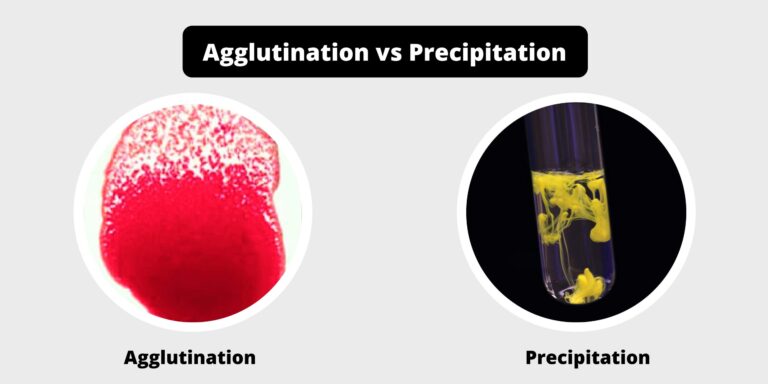
Agglutination reactions help fragment test antigens, which are typically coupled to the carrier. The carrier could be made up of (such as charcoal or latex particles) or biological (such as red blood cells). The process of agglutination involving Red blood cells can be known as Hemagglutination. The process that involves the white blood cells can be referred to as leukoagglutination.
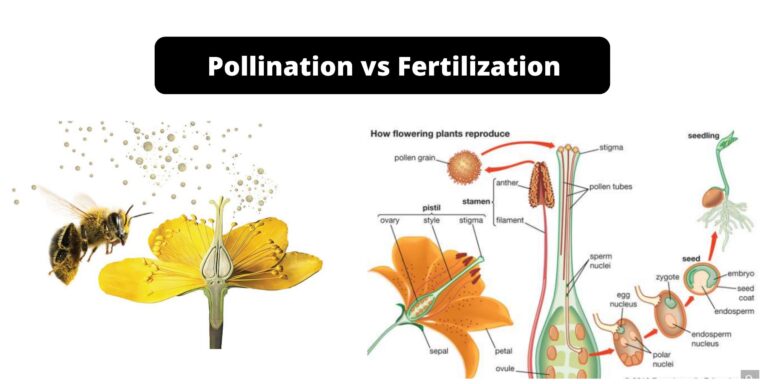
Pollination is the transmission of gametes from males (pollen grains) in plants from the male reproductive part (anther) to the female reproductive part (stigma).
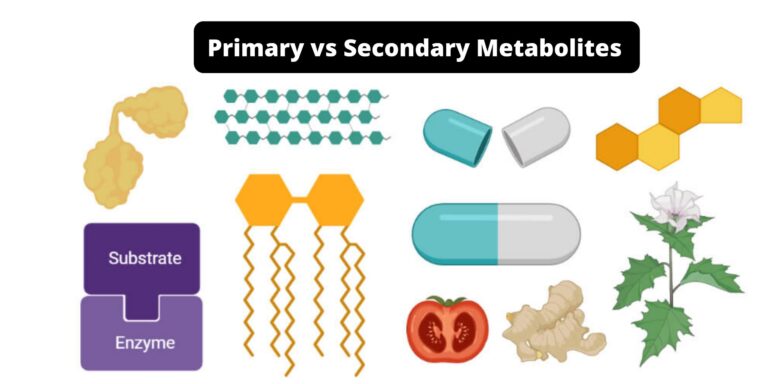
Primary metabolites are substances which are directly involved in the metabolic pathways of an organism , which are necessary to its development, growth and reproduction. They are a part of the physiological processes that occur within the organism. Primary metabolites are generated in the body during the growth phase due to the mechanism of growth. The phase of growth which is associated with the creation of primary metabolites is referred to as ‘trophophase’..
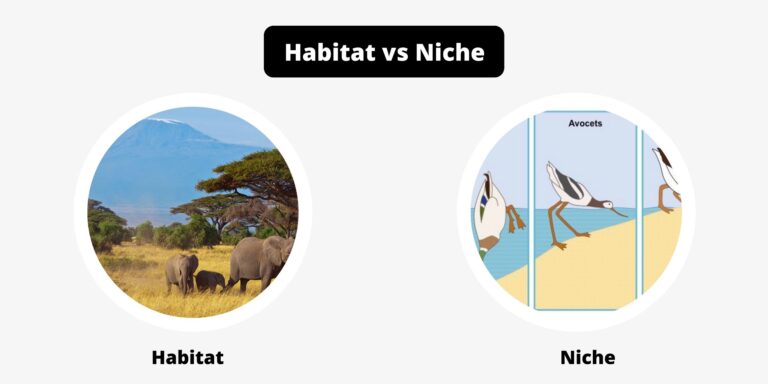
Habitats are natural ecosystem in which an organism is found and makes use of the resources in the area to survive, for shelter and food sources, and mating.
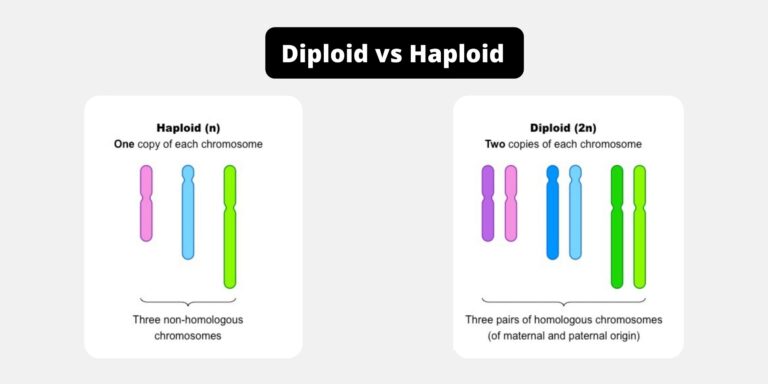
In all organisms, somatic cells are diploloid, and sexual cells are typically haploid. The cells that are diploid have two homologous copies of two chromosomes inherited through two parental. The majority of mammals are diploid, with the exception of some rats. But, studies that have disproved that there is polyploidy among mammals have been conducted. Polyploidy is a condition where cells possess chromosomes which are more than diploid number of chromosomes. The majority of organisms that reproduce through mitosis have 2n DNA chromosomes, forming diploid cells.
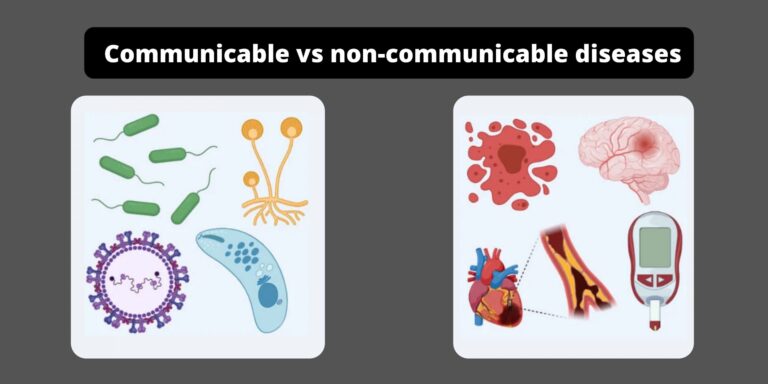
Also known as transmissible diseases, or infectious diseases, communicable diseases can also be called transmissible diseases. The infectious agent is transmitted to others by contact with bodily fluids, bodily fluids, bites of insects, and air. Infectious diseases can spread either directly or indirectly. Direct transmission means that the infectious agent is transmitted through close physical contact. In indirect transmission, it is spread through air, water or other vectors.
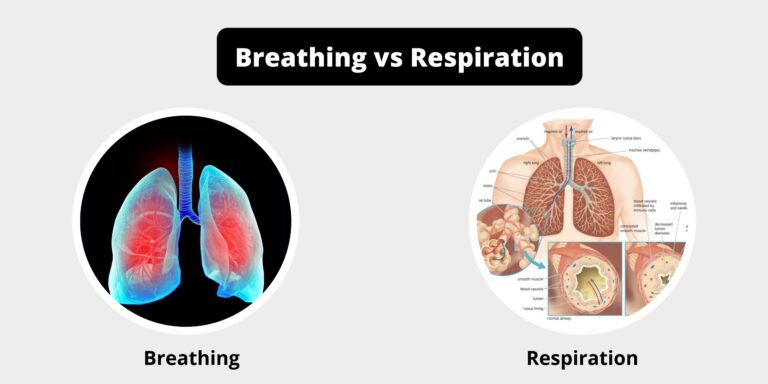
Breathing is also known as ‘external respiration’ because it is an external procedure of bringing oxygen into the body and exchanging carbon dioxide through the respiratory organs. The breathing process in all vertebrates is comprised of a high-yielding tubes which connect the nose with the alveoli. Breathing is a continuous cycle in which the amount of respiratory cycles in a minute is referred to as breathing or the rate of breathing. Under normal circumstances the speed and the depth of breathing is controlled by various homeostasis processes to regulate the partial pressure of carbon dioxide levels in the blood.