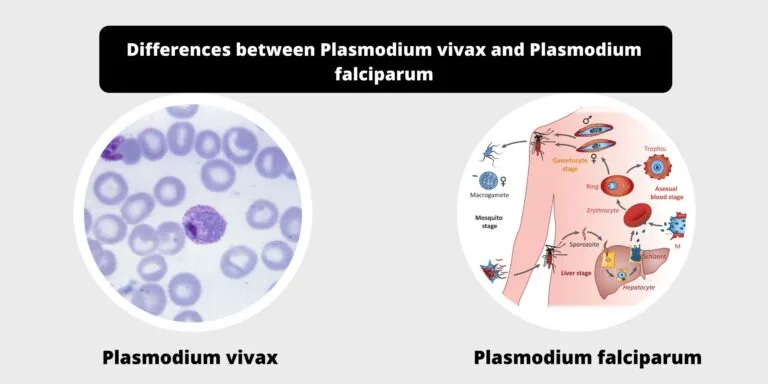
Plasmodium viridax, a protozoal parasite, is a human pathogen. This parasite is the most common and widespread cause of recurring malaria. P. viridax malaria can cause severe illness and death. It is more virulent than Plasmodium falciparum (the most deadly of the five human malaria parasites), but it can be fatal. P. viritax is transmitted by the female Anopheles mosquito. The males don’t bite.
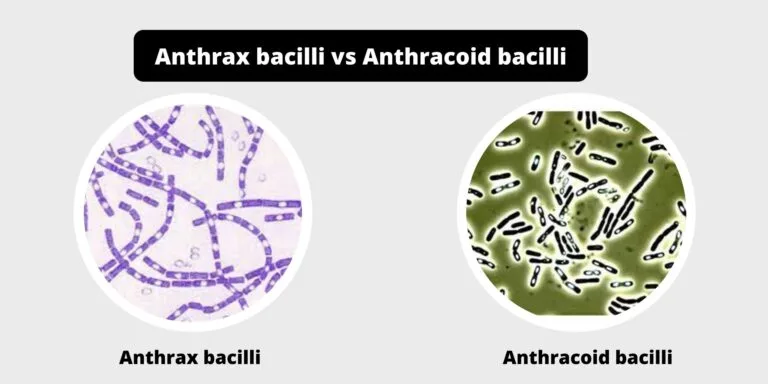
Bacillus anthracis, a Gram-positive, rod-shaped bacterium, causes anthrax. This is a deadly disease that can infect livestock and humans. It is the only permanent (obligated) pathogen in the genus Bacillus. Because it can be transmitted from animals to people, its infection is called zoonosis. Robert Koch, a German physician, discovered it in 1876. It became the first pathogen to be experimentally demonstrated. It was also the first scientific proof for germ theory.
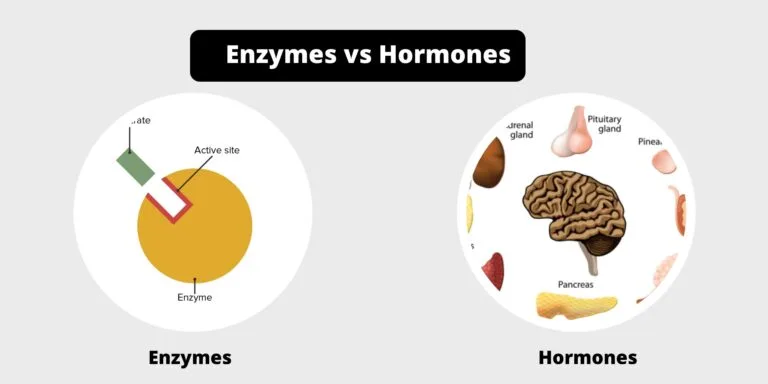
Enzymes (or enzymes) are proteins that act like biological catalysts (biocatalysts). Catalysts speed up chemical reactions. Substrates are molecules on which enzymes can act. The enzyme then converts these substrates into other molecules called products. Enzyme catalysis is required for almost all metabolic processes within the cell to occur at sufficient rates to sustain life. 8.1 Metabolic pathways are dependent on enzymes to catalyze individual processes. Enzymology is the study of enzymes. The pseudoenzyme analysis field recognizes that some enzymes lost their ability to catalyze biological reactions during evolution. This is often evident in their amino acid sequences or unusual ‘pseudocatalytical’ properties.
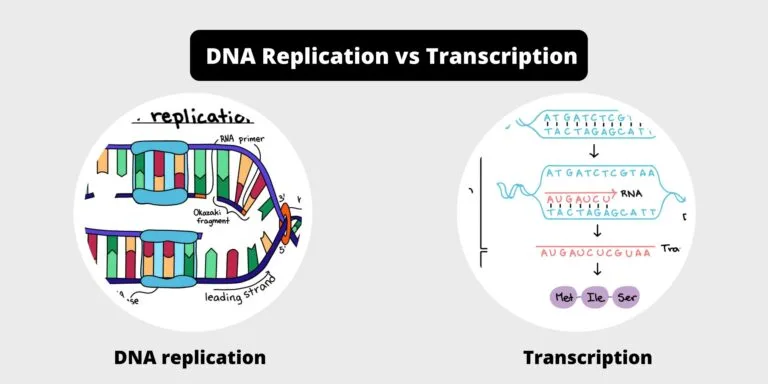
DNA replication, in molecular biology is the biological process by which two identical copies of a DNA molecule are created. As the main part of biological inheritance, DNA replication is an essential component in all living organisms. This is necessary for cell division, growth, and repair of damaged tissue. It also ensures that each new cell receives its own copy DNA. Because cells possess the unique property of division, replication of DNA is essential.
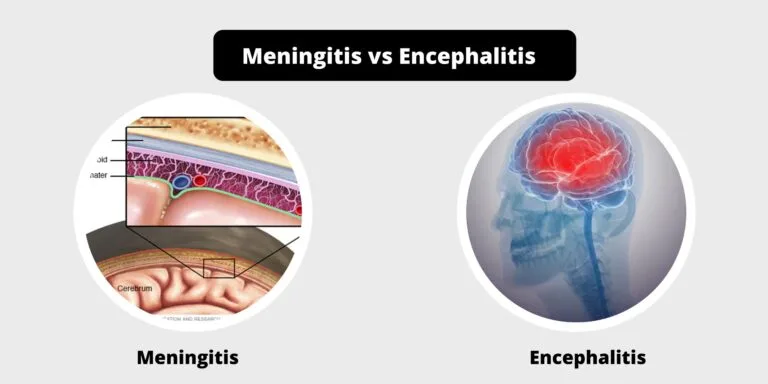
Meningitis refers to inflammation of the meninges. Meninges refer to the three membranes covering the brain and spinal chord. When fluid around the meninges becomes contaminated, meningitis may occur.
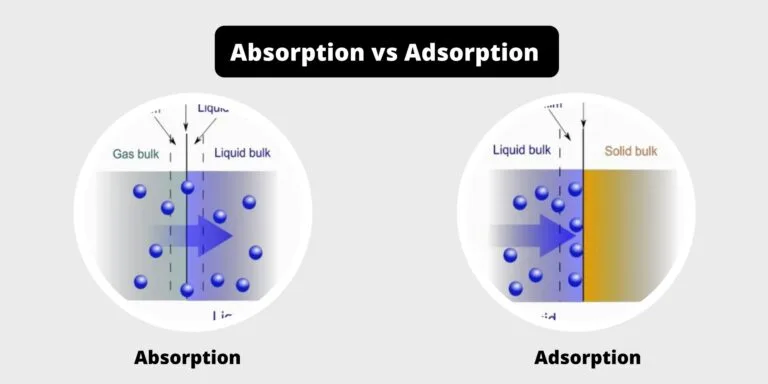
In biology, absorption refers to the procedure of absorbing or assimilating substances within cells or across tissues through the process of diffusion or Osmosis.
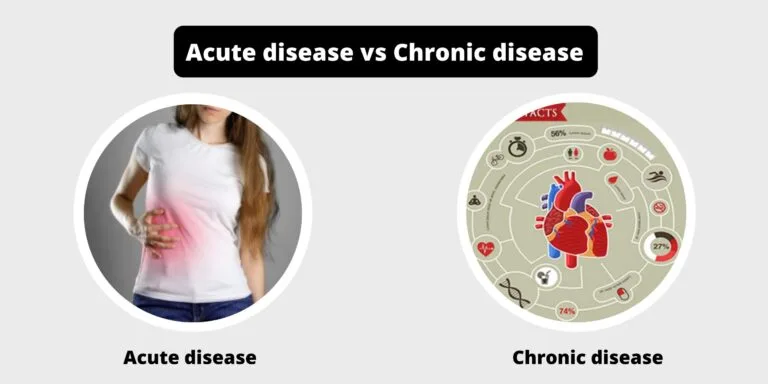
The duration of time that is for acute diseases is dependent according to the nature of the disease and its context however it is more concise in comparison to chronic illnesses. The term “acute” can also be used to refer to conditions where the onset of symptoms is sudden and happens quickly. In the case of severe disease is usually fulminant when it’s not always true for acute rhinitis. It is commonly associated with the common cold.
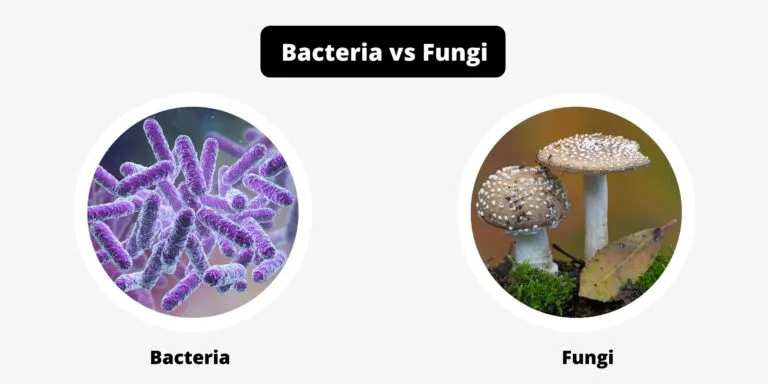
Bacteria are single-celled microscopic species that are distinguished in the absence of an incipient nucleus as well as a few organelles that have no membranes.