Welcome to Biology Notes Online! We are the BNO Team, dedicated to providing high-quality, accessible biology study notes for students and teachers alike. Our goal is to simplify complex biological concepts and present them in an easy-to-understand format, entirely free of charge. Whether you're preparing for exams, teaching a class, or simply passionate about biology, our comprehensive notes are designed to support your learning and teaching journey.
Lassa virus is an RNA virus that is spread to humans through contact with the urine or feces of an infected Mastomys rat. It is a type of virus known as an arenavirus, and it is endemic in West Africa. The virus is named after the town of Lassa, in Borno State, Nigeria, where it … Read more
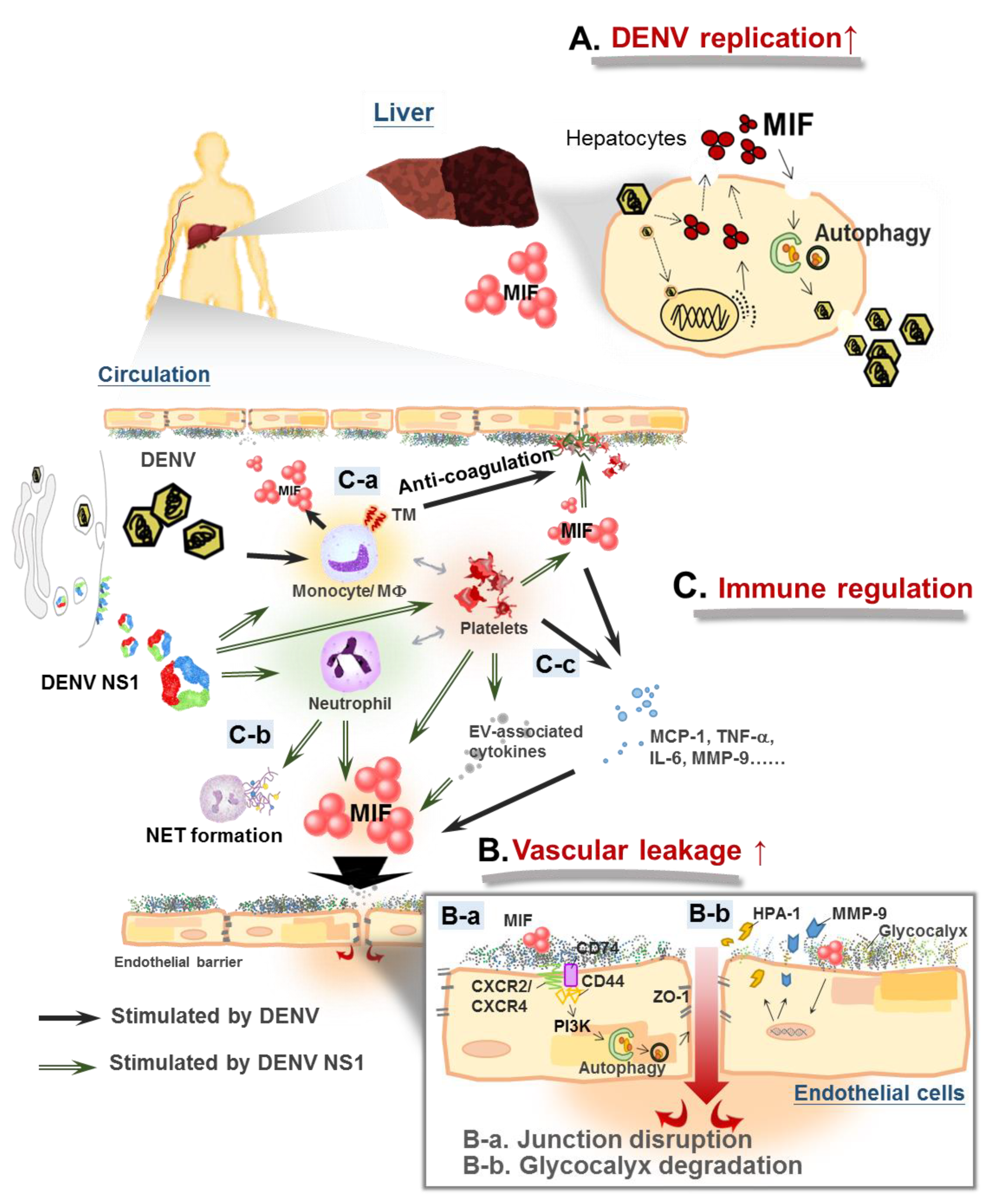
Through the bite of an infected Aedes species mosquito (Ae. aegypti or Ae. albopictus), dengue viruses are transmitted to people. These mosquitoes can transmit other viruses including Zika and chikungunya. 4 billion people, or close to half of the world’s population, reside in dengue-risk zones. In risky locations, dengue is frequently the main cause of … Read more
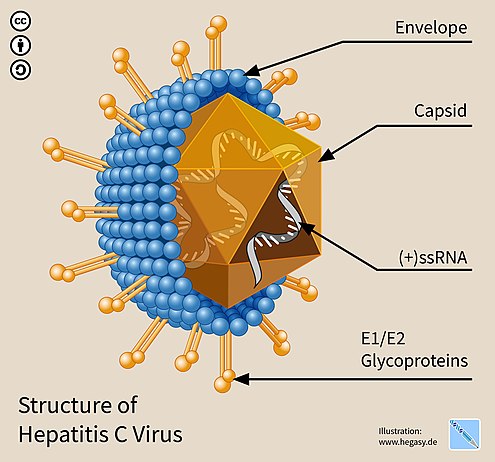
Hepatitis C is a viral infection that causes liver inflammation, sometimes leading to serious liver damage. The hepatitis C virus (HCV) is spread through contaminated blood, and it can be acute or chronic. Acute hepatitis C is a short-term illness that occurs within the first 6 months after someone is exposed to the virus. Chronic … Read more
Hepatitis A is a liver inflammation brought on by the hepatitis A virus (HAV). Primarily, the virus is transmitted when an uninfected (and unvaccinated) individual consumes food or water contaminated with the faeces of an infected individual. The disease is strongly linked to unclean water or food, inadequate sanitation, poor personal hygiene, and oral-anogenital contact. … Read more
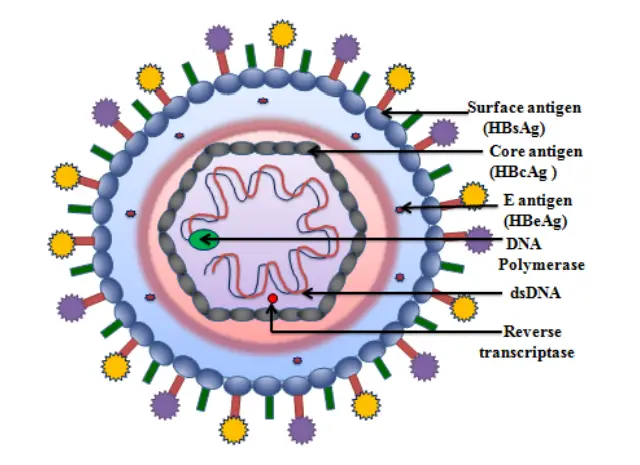
Hepatitis B is a viral infection that causes liver inflammation, sometimes leading to serious liver damage. The hepatitis B virus (HBV) is transmitted through contact with the blood or other body fluids of an infected person. This can occur through sexual contact, sharing needles, or from an infected mother to her baby at birth. Symptoms … Read more
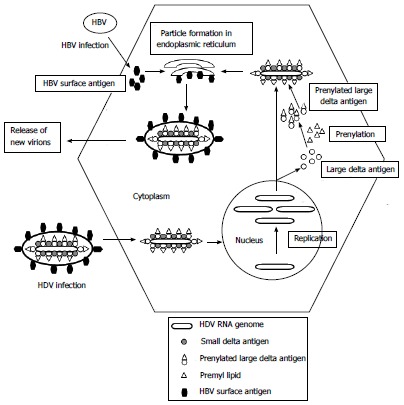
Hepatitis D, commonly referred to as “delta hepatitis,” is a viral infection of the liver (HDV). Hepatitis D is only transmitted to individuals who are simultaneously infected with the hepatitis B virus. Hepatitis D is transmitted when blood or other body fluids from an infected individual enter the body of an uninfected person. Hepatitis D … Read more
Rabies is a viral disease that causes inflammation of the brain in humans and other mammals. It is transmitted through the saliva of infected animals, usually through a bite. The virus attacks the central nervous system, leading to symptoms such as fever, muscle spasms, and hallucinations. If left untreated, rabies is almost always fatal. It … Read more
Hey there today in this article we will learn about epidemiology. Before we know about the epidemiology, first we need to analyse the term epidemiology. The term epidemiology comes from a Greek word epidemios which mean “among the people” and logos, meaning “study”. Epidemiology is a branch of microbiology in which epidemiologist are concern about … Read more
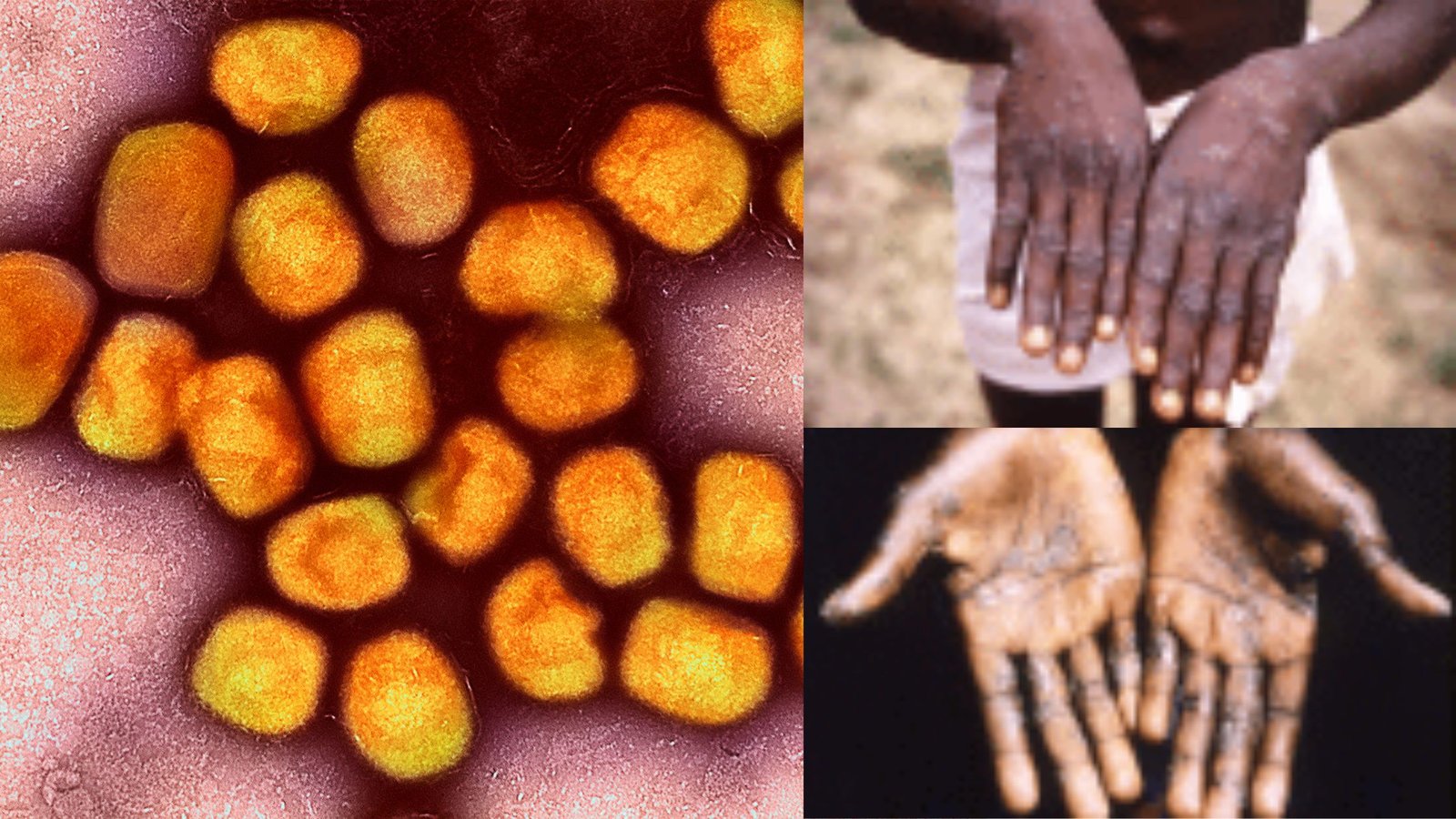
What is monkeypox virus? Classification of Monkeypox Virus Morphology of Monkeypox Virus/Structure of Monkeypox Virus Genome Structure of Monkeypox Virus Genome Structure Replication Cycle of Monkeypox Virus The cycle of replication for poxviruses is different from that of other DNA viruses, is carried out in the cytoplasm within the cell that hosts them. Poxviruses infiltrate … Read more
The most common cause for human disease is viral infections. Millions are still dying from viral infections, including hepatitis and human immunodeficiency viruses (HIV).