Food Preservation By Low Temperatures

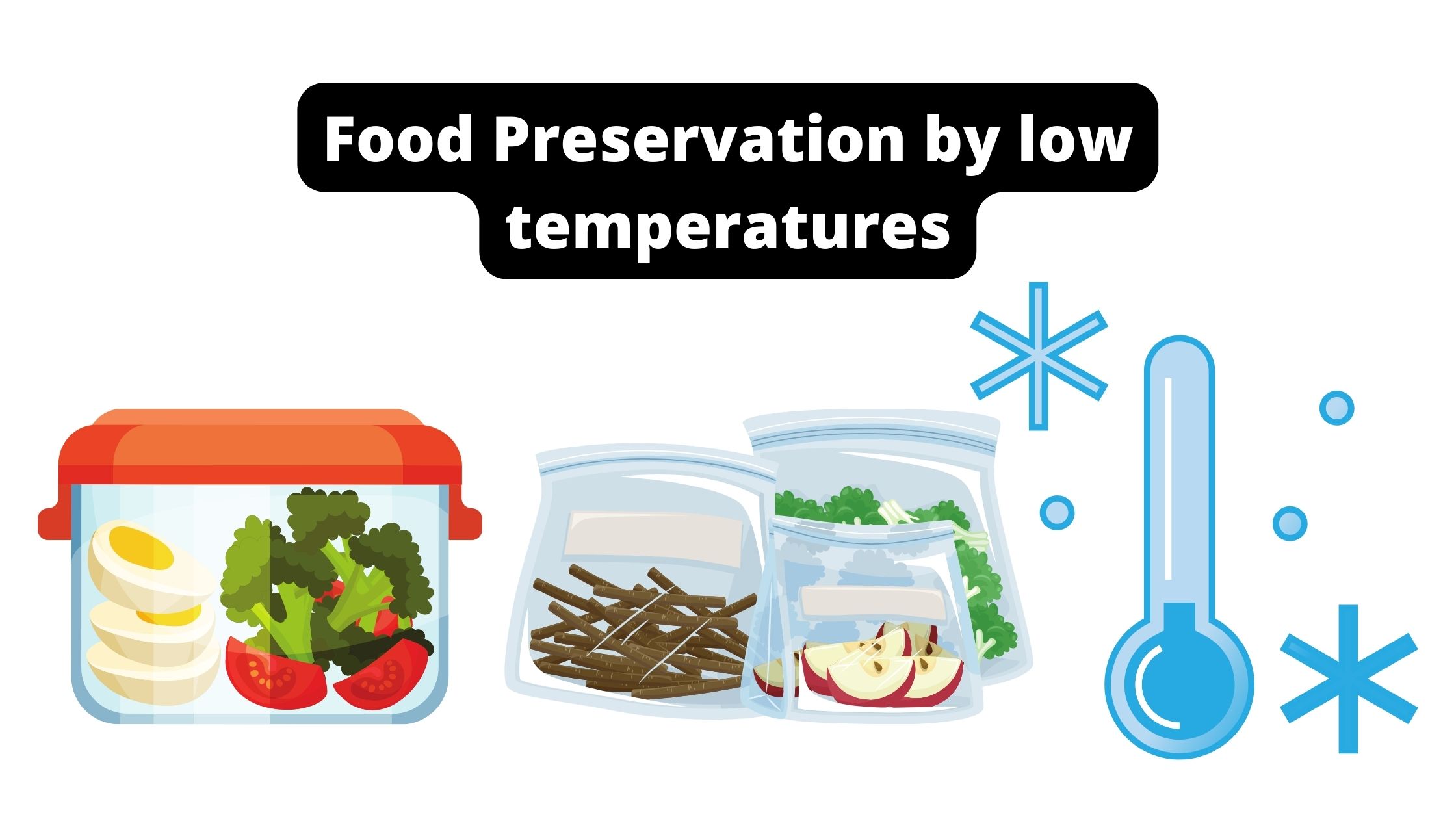
Low temperatures are employed to stop chemical reactions and the action of enzymes in food and to stop or slow the development and activities of microorganisms found in food items.

Low temperatures are employed to stop chemical reactions and the action of enzymes in food and to stop or slow the development and activities of microorganisms found in food items.
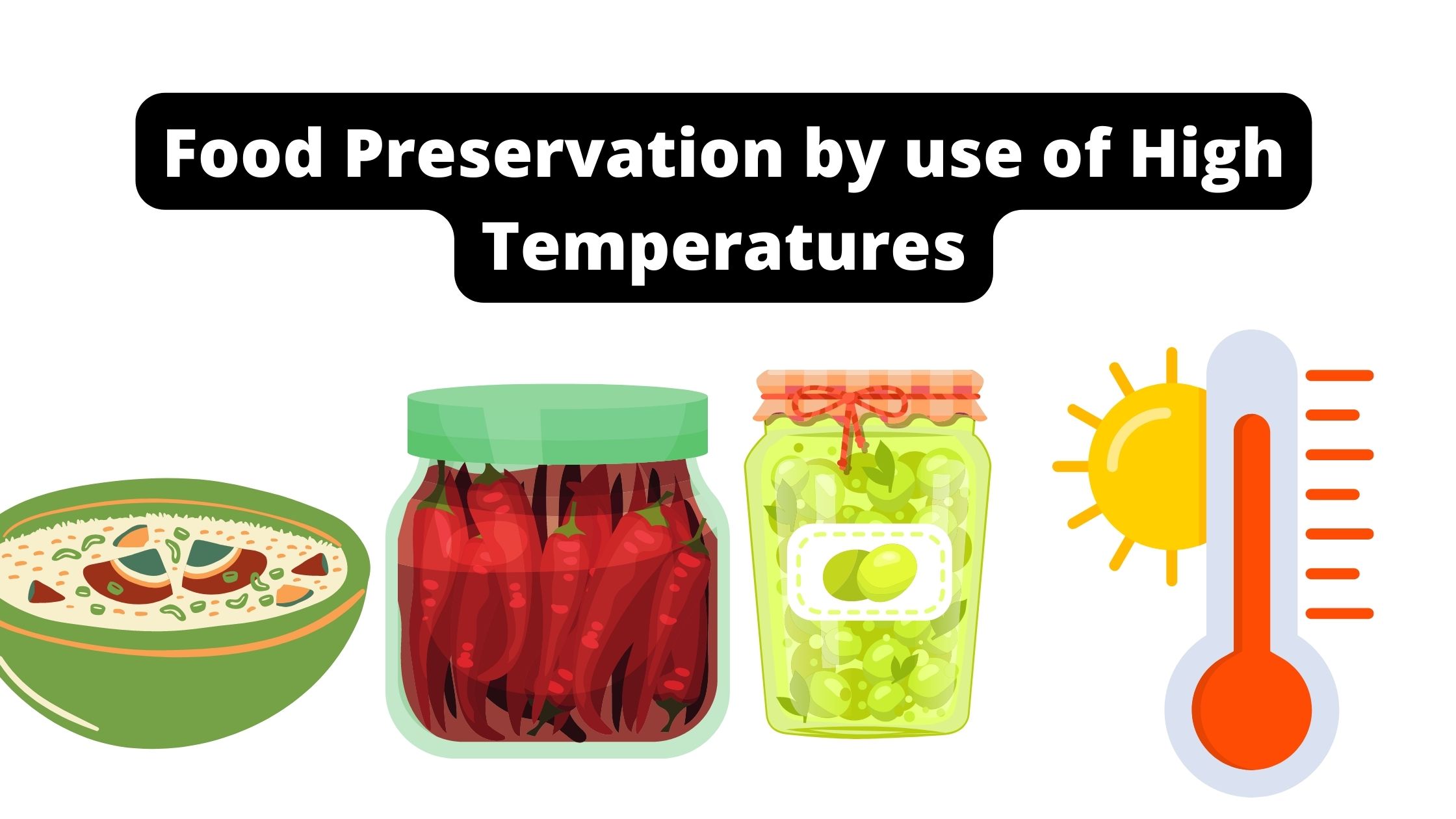
The utilization of high temperatures to preserve food items is based on their damaging effects on microorganisms as well as their spores.
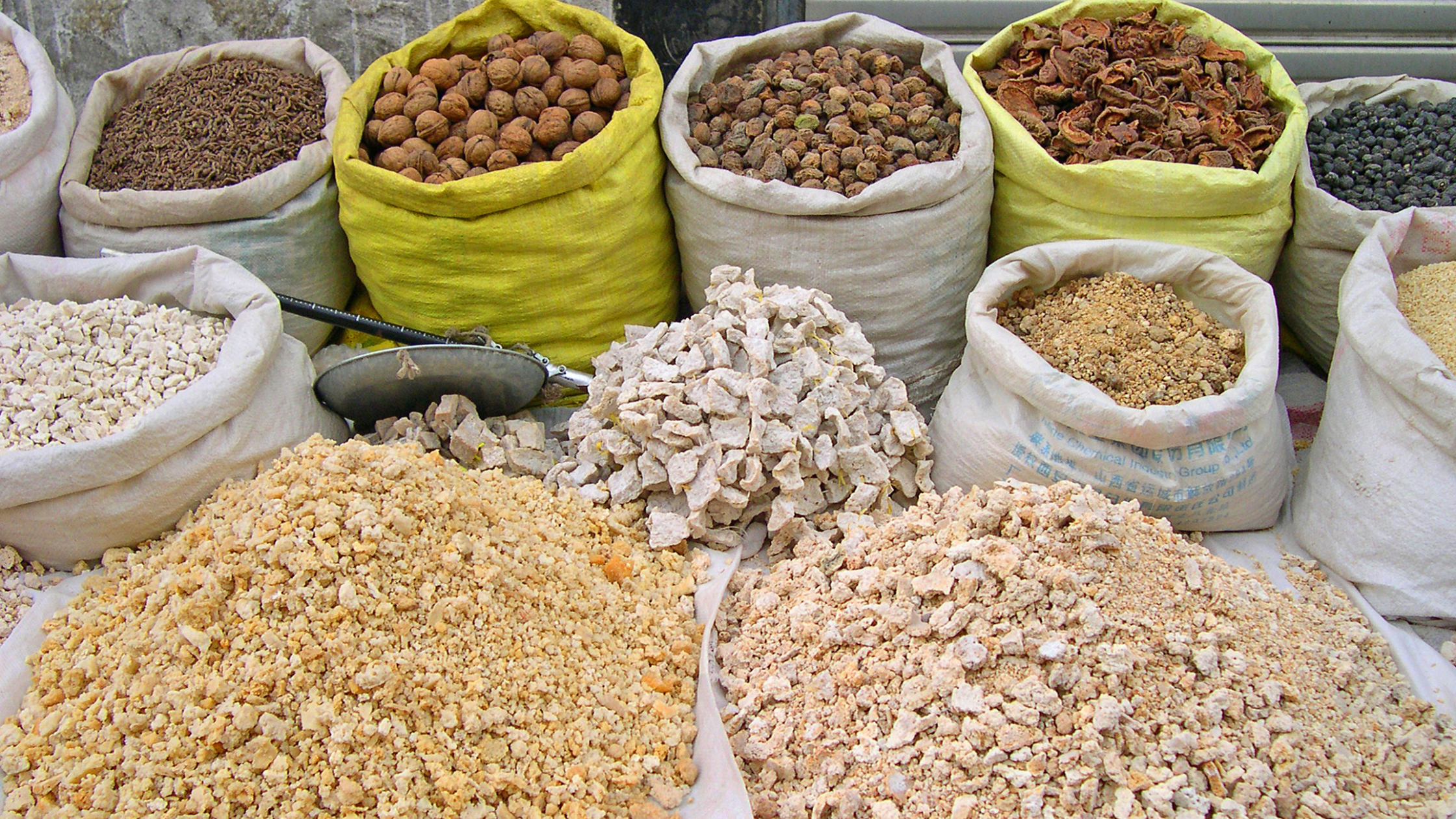
Food Preservation by Drying Purpose of drying The purpose of drying in food processing is multi-fold and serves several important functions. Here are the key purposes of drying: Principle of Preservation by Drying/ Dehydration/ Concentration The principle of drying in food processing is based on the state of water in the food and its effect … Read more
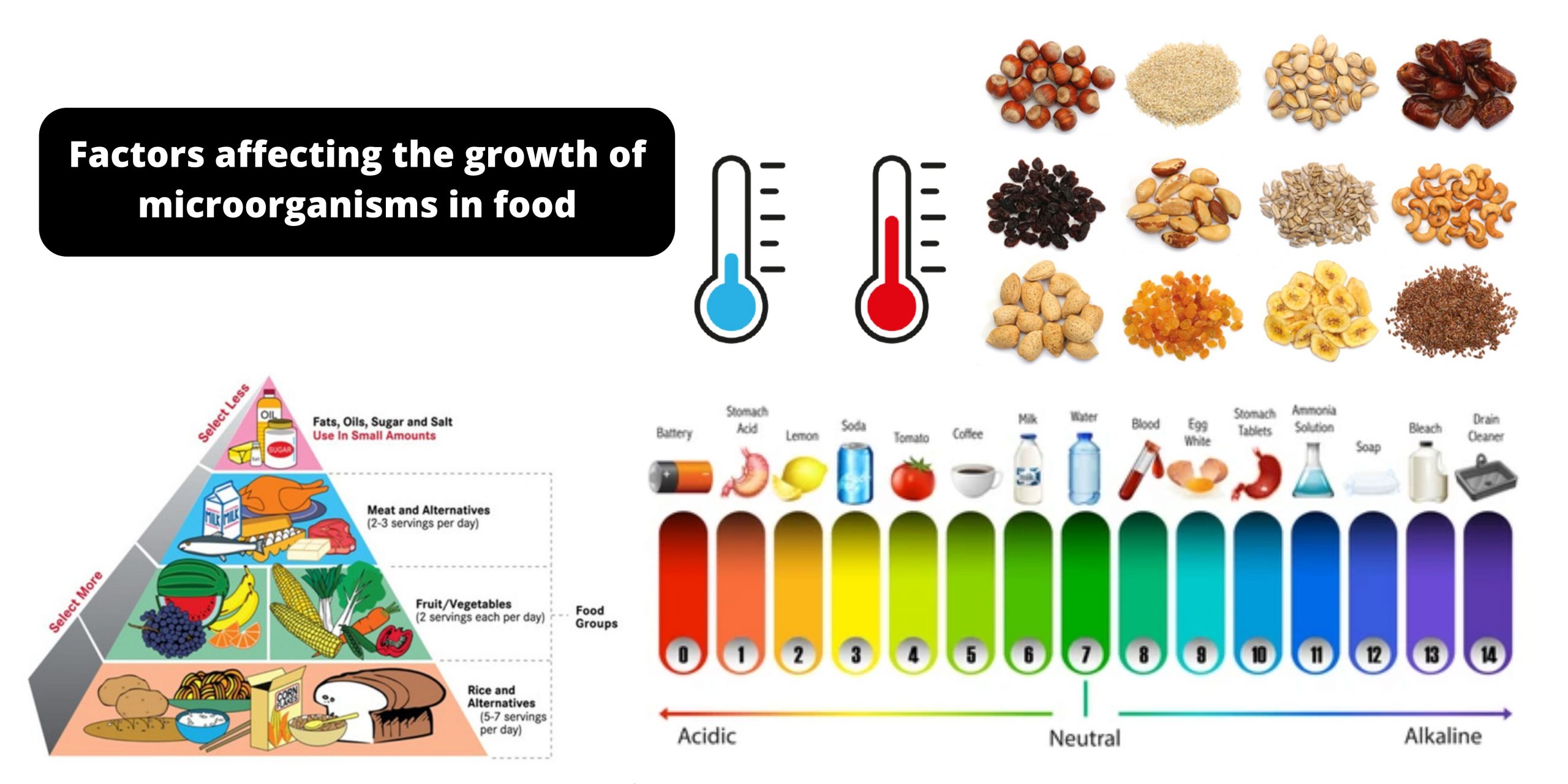
Foods that are both animal and plant source play a significant role in the development of microbial communities. The ability of microorganisms develop or multiply in such food is contingent on the environment.
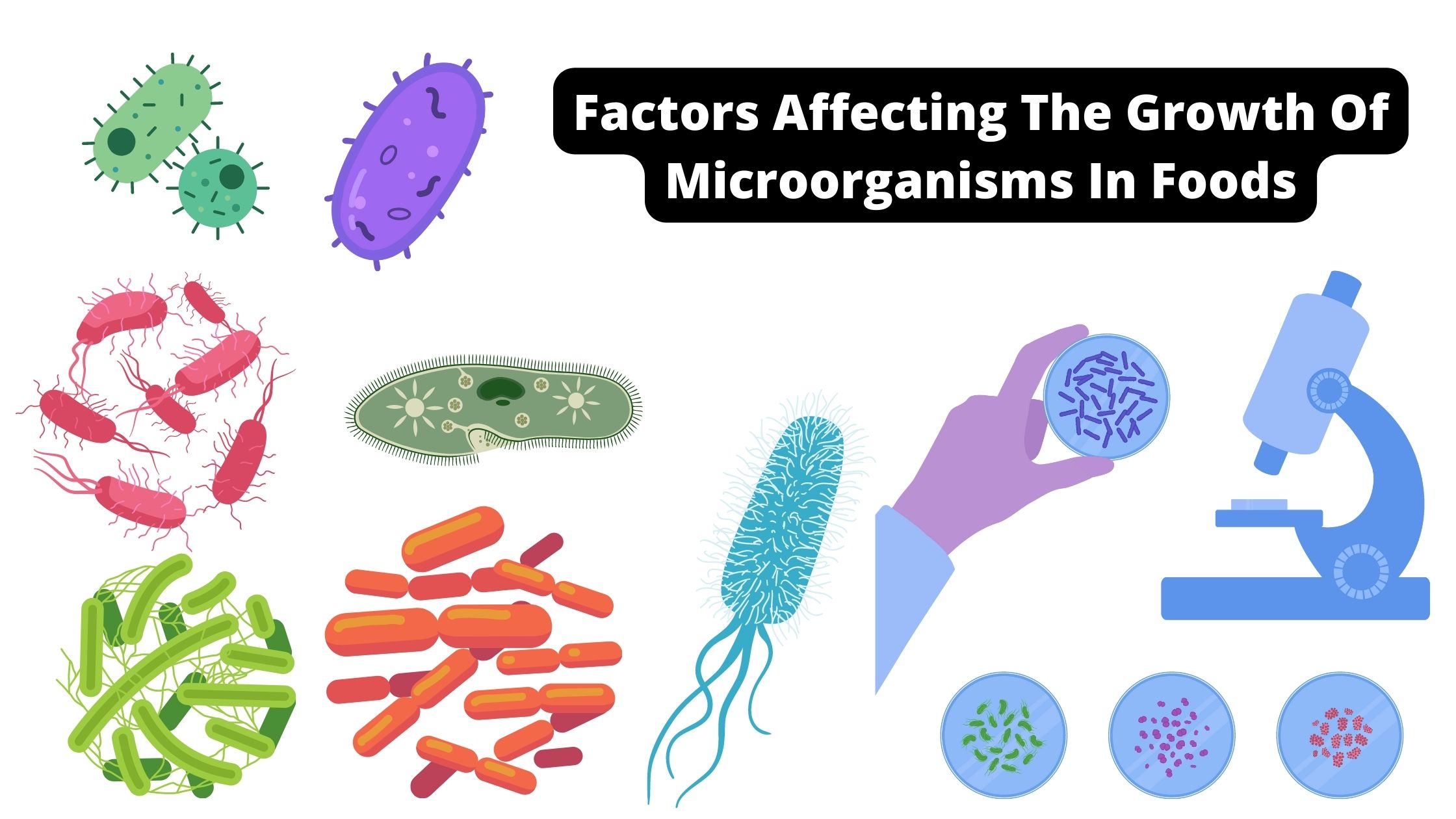
Interactions between microorganisms, animals, and plants are constant and natural. The ecological function of microorganisms and their role in the various biochemical cycles of nature are clearly documented. The human food supply is primarily composed of animals and plants or products that are derived from them, it’s reasonable to assume that the food we consume may contain microorganisms that interact with food.
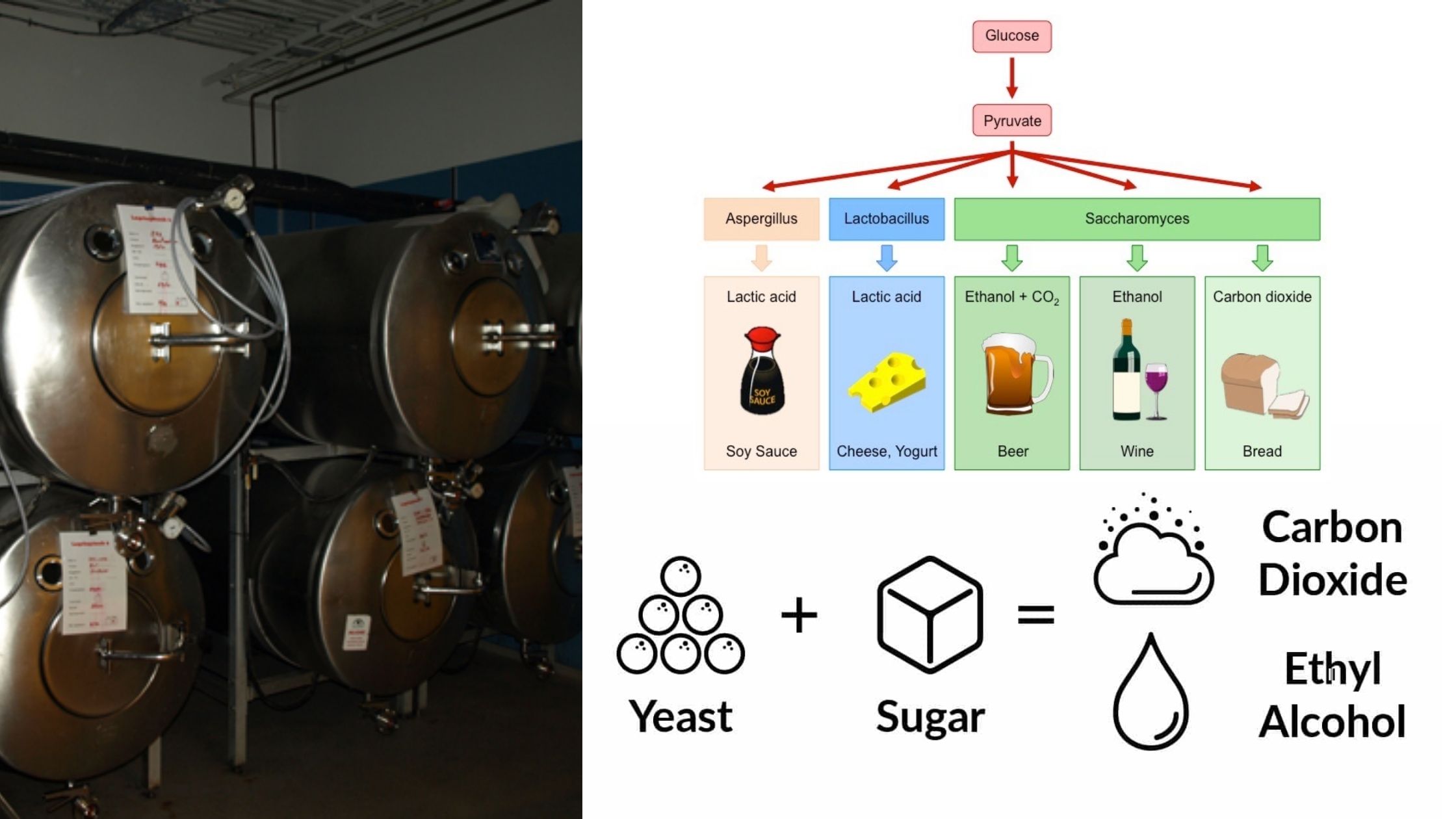
Fermentation is among the oldest techniques for processing food. The term “fermentation” refers to a procedure where chemical changes take place in organic substrates through the action of enzymes created by microorganisms. For instance yeast enzymes transform starches and sugars into alcohol, and proteins are transformed into peptides or amino acids. The fermentation process takes place without oxygen which produces ATP (energy).

In the wake of the COVID-19 outbreak this pandemic has raised questions regarding the effectiveness of the body’s capability to fight off illnesses. Naturally the body fights diseases by activating its immune response that trigger a series of mechanisms within the body to remove the pathogen from the body.
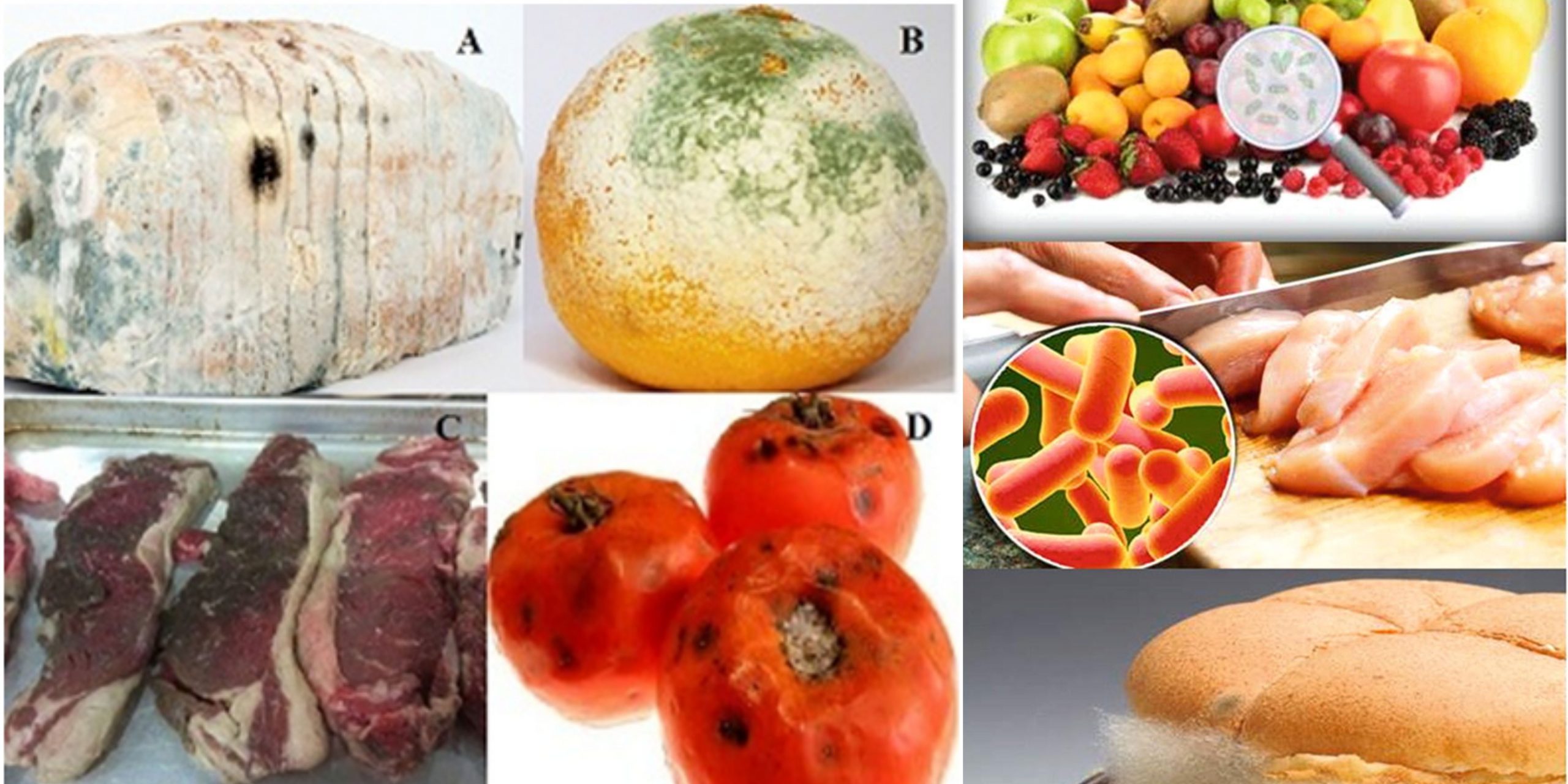
Food spoilage is the result of a metabolic process which causes food products to become unpalatable or inedible for human consumption because of changes in the sensory attributes.
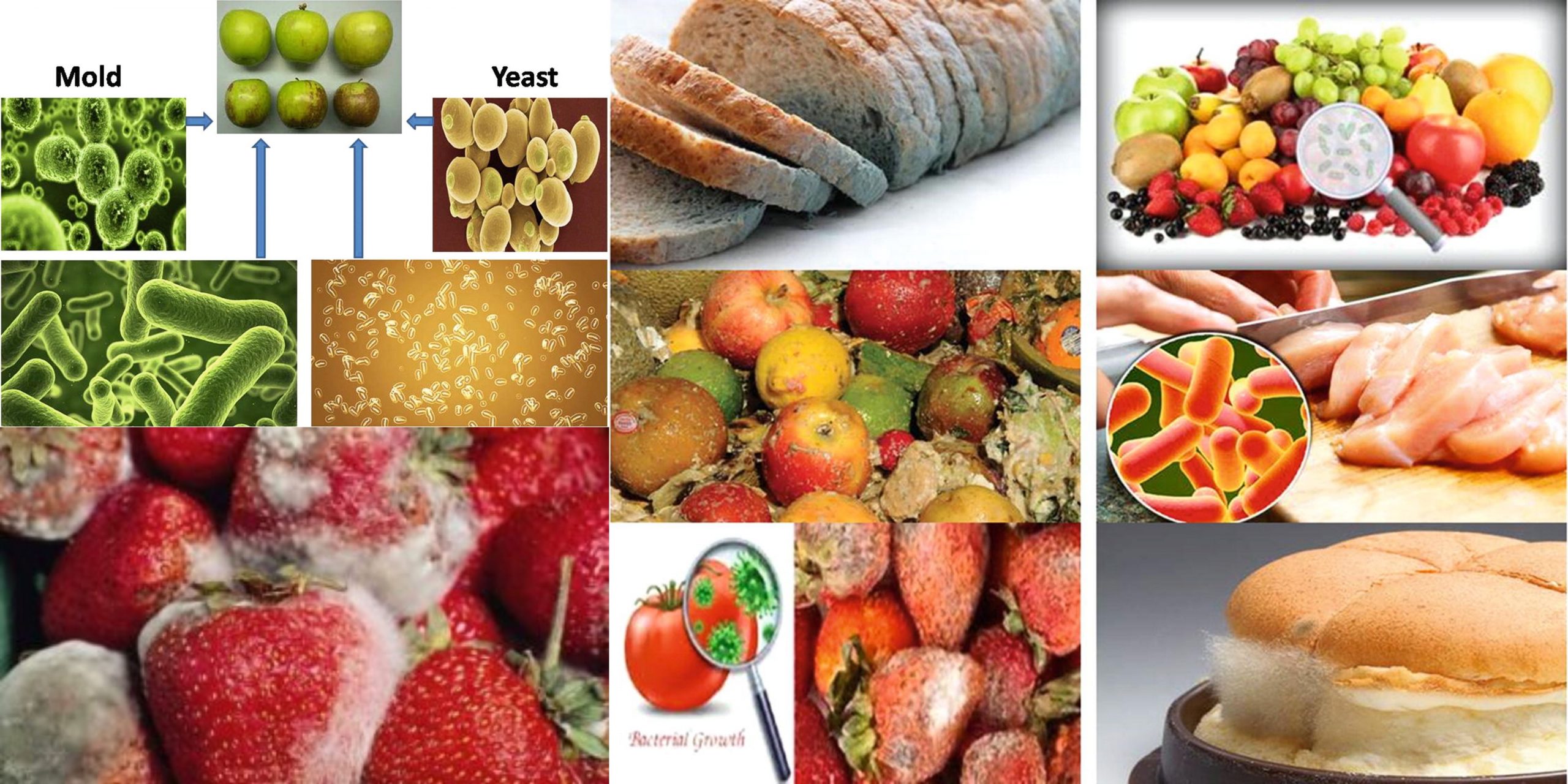
Chemical reactions that produce sensual changes that are offensive in food are controlled by a wide range of microbes that utilize food as a source of carbon and energy source. The organisms that cause these changes comprise prokaryotes (bacteria) as well as single-celled organisms that lack defined nuclei and organelles, as well as eukaryotes unicellulated (yeasts) as well as multicellular (molds) organisms that possess organelles and nuclei.
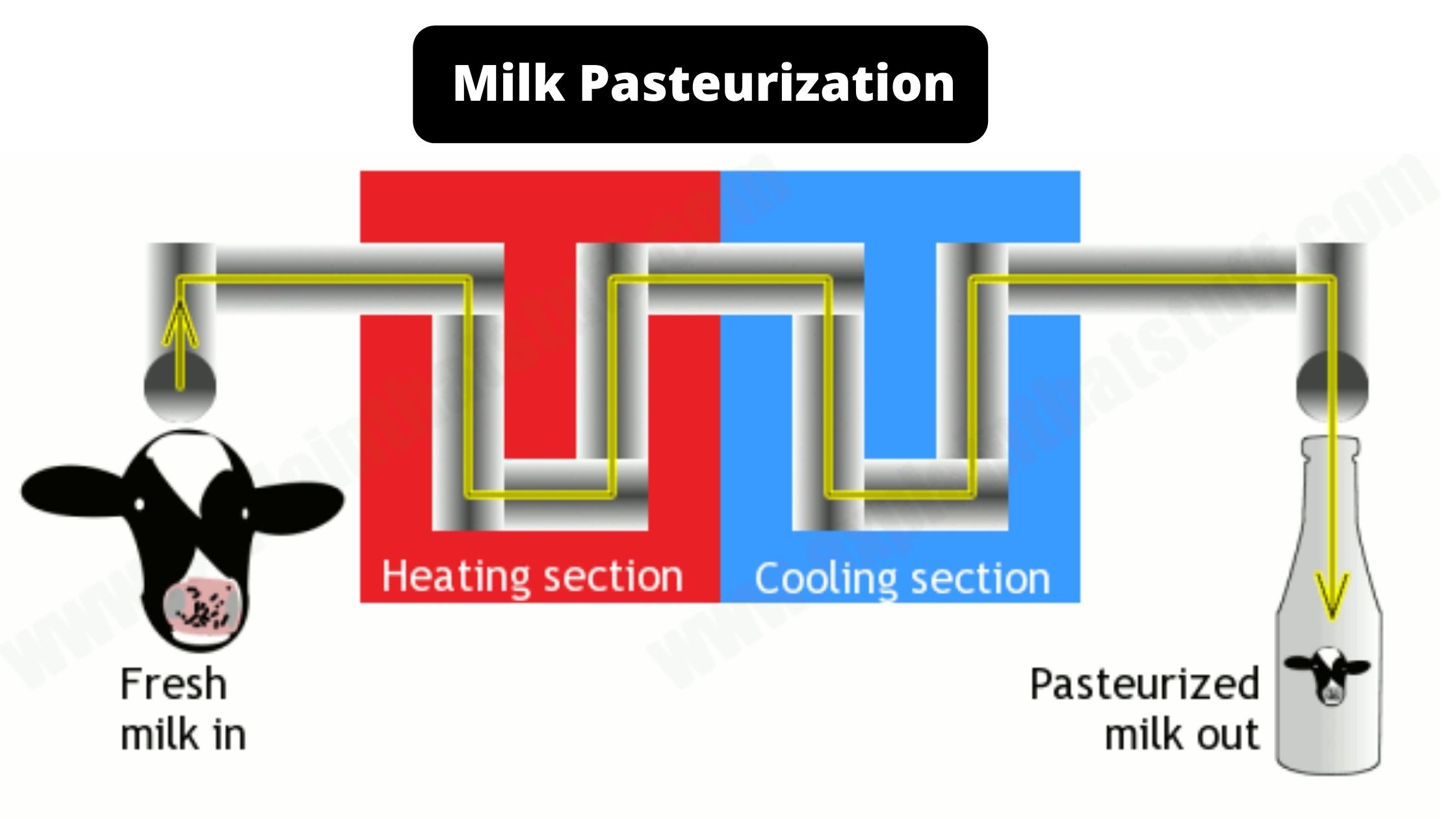
Pasteurisation was developed by an French Scientist known as Louis Pasteur during the nineteenth century. Pasteur realized that warming milk up to a high temperature , then cooling it quickly prior to packaging or bottling could preserve it for a longer time.