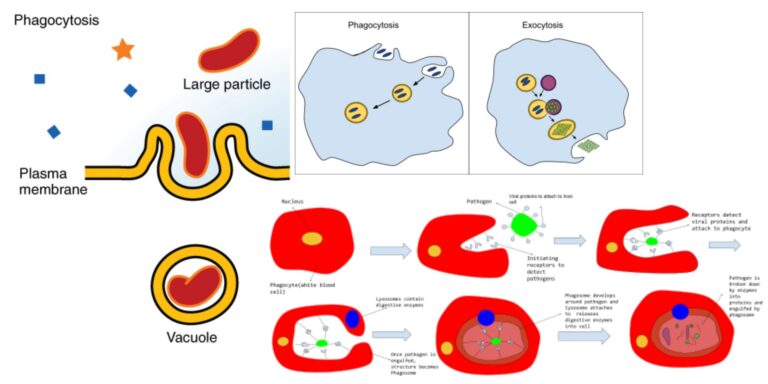
Phagocytosis refers to the process in which cells consume large particles (>0.5 micrometers) and vesicle-bound membrane vesicles known as phagosomes. These vesicles are then directed to the lysosomes where they will be subjected to enzymatic degrading. Optonization of bacteria can greatly enhance phagocytosis. Although phagocytosis may occur without the attachment of an IgG or complement fragment (C3), it can be greatly enhanced by attaching a specific IgG.
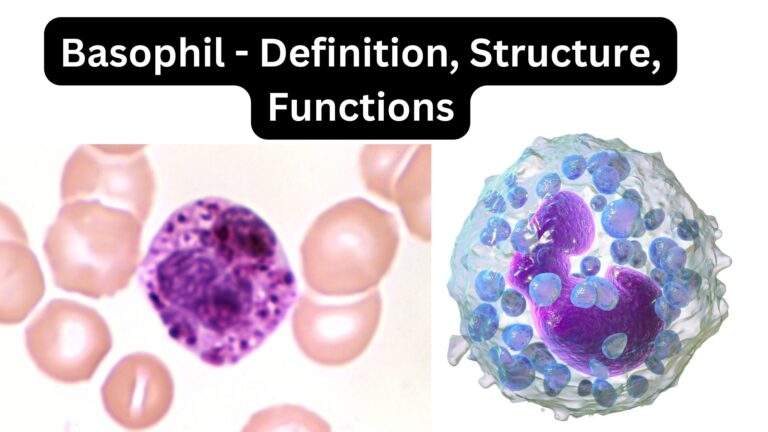
Basophil is a type of white blood cell (WBC). It is present in blood in very small amount. It is the rarest type of leukocyte and form less than 1% of total circulating white blood cells. Basophil is formed in the bone marrow. It is a granulocyte, because its cytoplasm contains granules. These granules are
Opsonization is the immune process that coats pathogens with opsonins such as IgG and C3b to enhance phagocytosis. Learn its mechanism, receptors, types, examples, and significance.
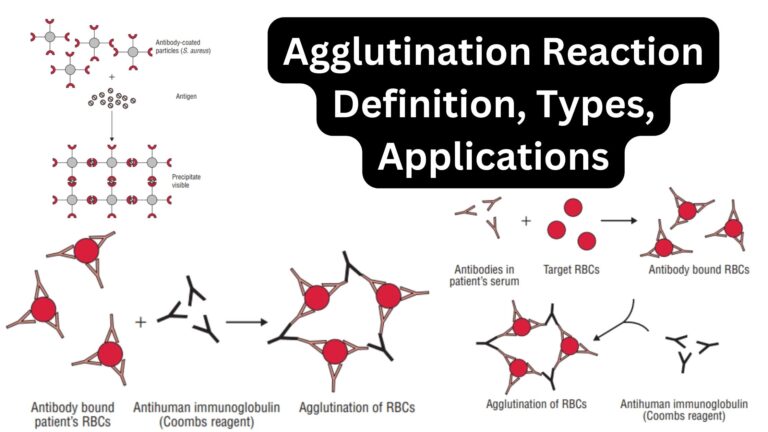
Agglutination reaction is an immunological reaction where insoluble or particulate antigen combines with its specific antibody and forms visible clumping. In this reaction, the antigen may be present on RBC, bacteria or artificial carrier like latex beads. The antibodies are known as agglutinins and the antigen present on particle surface is called agglutinogen. The antibody
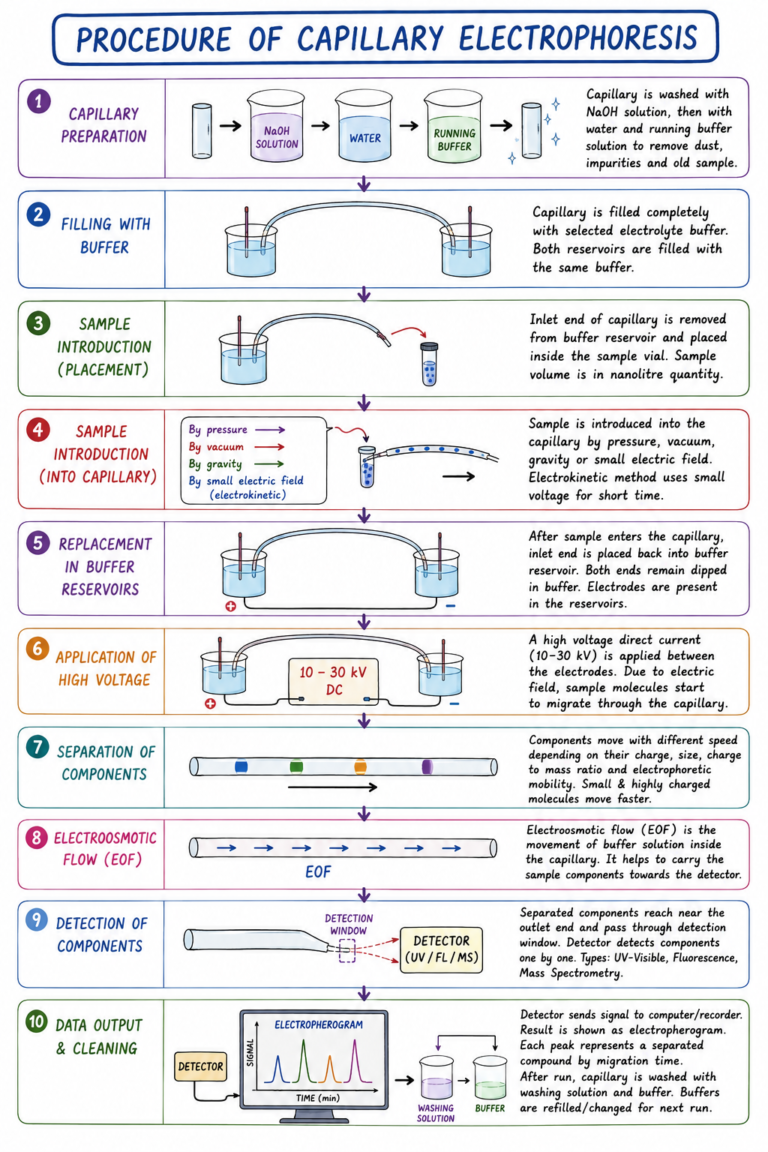
Capillary Electrophoresis (CE) is a separation technique. It is used for separation of ions and molecules present in a sample mixture. The separation is done inside a narrow tube called capillary. The capillary is filled with electrolyte buffer solution. In this method high voltage is applied at the two ends of the capillary. Due to
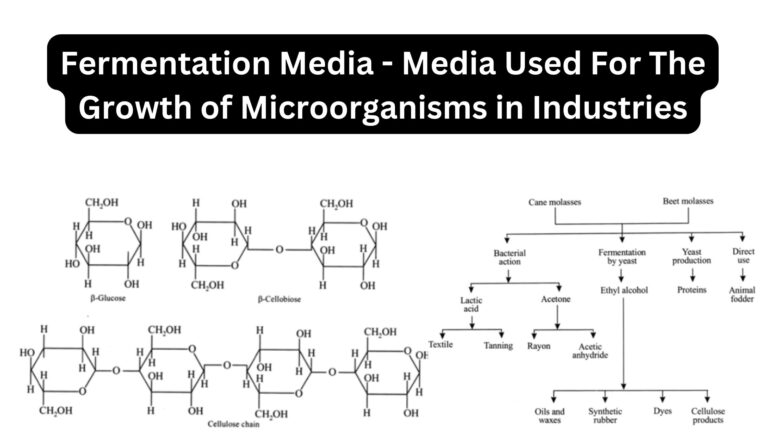
Fermentation media are nutrient preparations which are used for the growth and metabolic activity of microorganisms. It gives proper environment for bacteria, yeasts and fungi during fermentation. In this medium, microbes convert raw materials into useful products like cell biomass, antibiotics, enzymes, organic acids and pharmaceutical products. Fermentation media may be solid or liquid. In
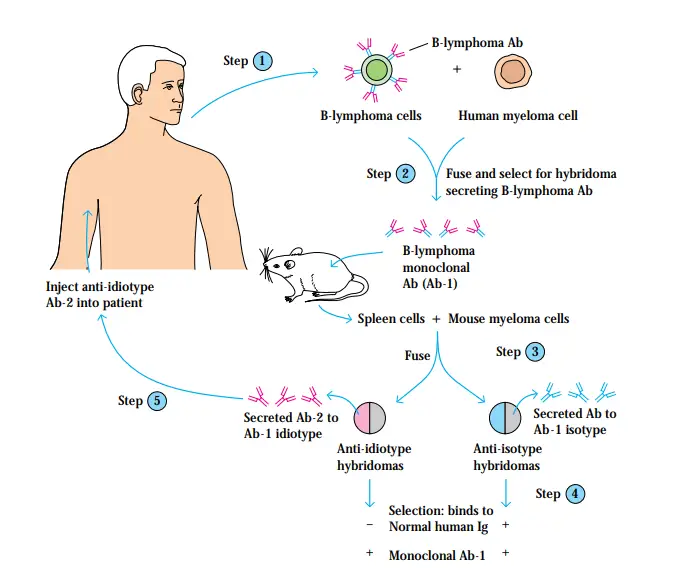
Cancer immunotherapy is a type of cancer treatment that uses the body’s own immune system to identify and destroy cancer cells. It does not directly attack the tumour like chemotherapy and radiation therapy. It stimulates or restores the natural cancer fighting capacity of immune system. In this treatment, the immune cells mainly T-cells are activated
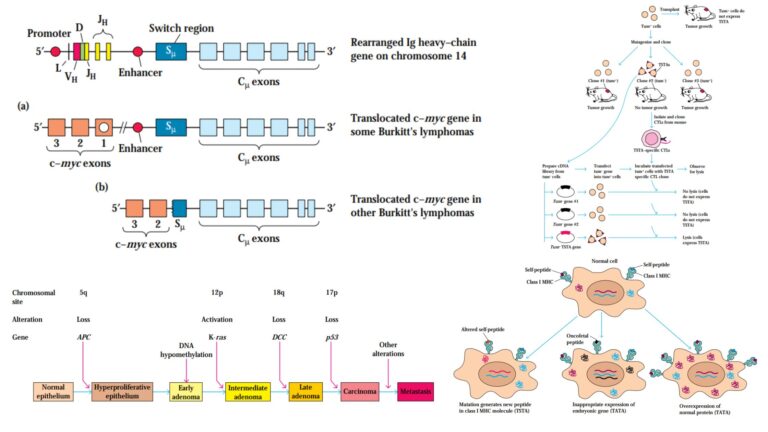
Tumor antigen is a molecule present in cancer cell. It may be present on cell surface or inside the cell. It is recognized by the immune system and helps to identify malignant cell from normal cell. These antigens are important in cancer immunotherapy. They act as target molecule. By this target, immune system can attack
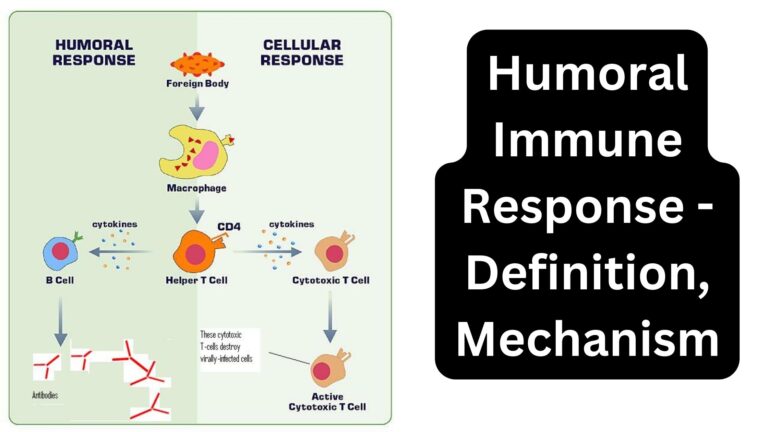
Humoral immunity is a major part of adaptive immune system. It gives specific and long-lasting defence against extracellular pathogens and their toxic products. It mainly works in blood plasma and other body fluids. It is called humoral immunity because it depends on antibodies present in the fluid part of blood and extracellular body fluids. These
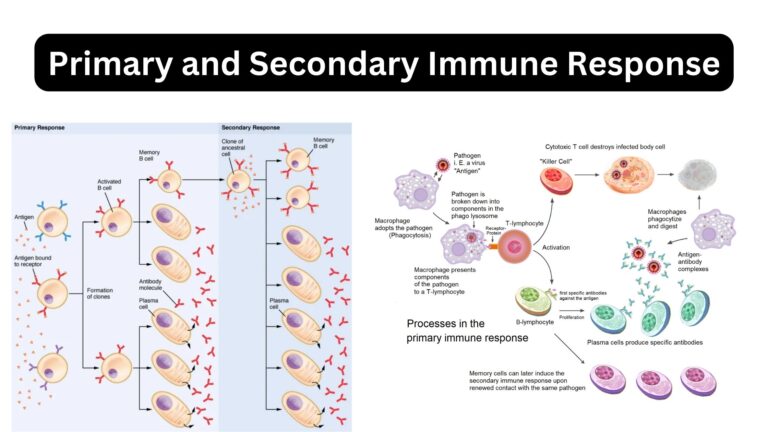
Immune response is the defense mechanism of body by which the body recognizes and removes harmful foreign particles or pathogens. It is activated when any foreign substances enter into the body by crossing the physical barriers. These foreign substances are called antigens. The antigens may be bacteria, viruses, fungi and parasites. The immune response is