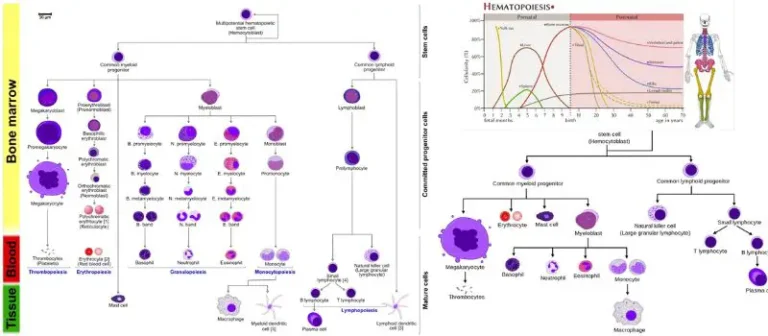
Hematopoiesis is a continuous physiological process by which all mature blood cells and bone marrow cells are formed. It is an essential process for maintaining normal blood cell number in the body. This process starts from pluripotent hematopoietic stem cells (HSCs). These stem cells are mainly present in the soft spongy tissue of bone marrow
ELISA (Enzyme-Linked Immunosorbent Assay) is a sensitive laboratory test used for detection of antigen, antibody, protein, peptide and hormone from biological samples. It is based on the specific binding between antigen and antibody. So the particular substance present in the sample can be detected by this reaction. In this test, the sample or target molecule
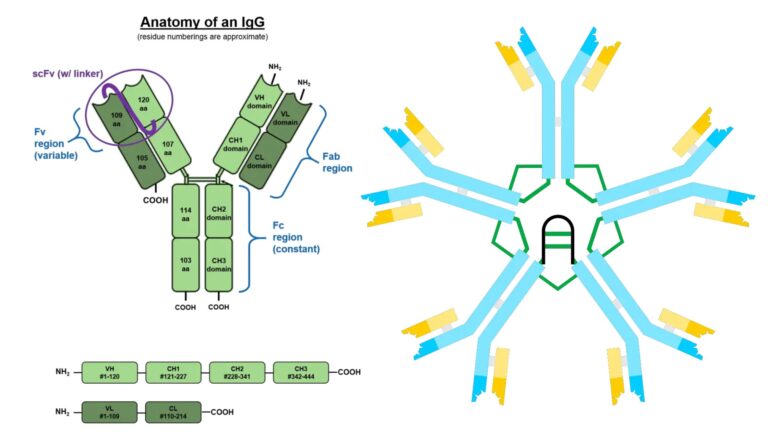
Antibodies are Y-shaped glycoproteins. These are also called immunoglobulins. It is important component of adaptive immunity. These are produced by B-lymphocytes. After activation, B-cells are changed into plasma cells. These plasma cells produce large amount of antibodies against foreign substances. The foreign substance is called antigen. Antigen may be bacteria, virus, toxin or any other
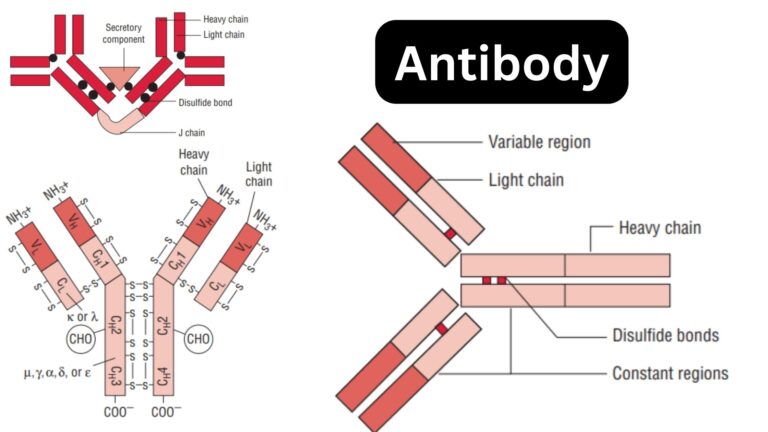
Antibody or immunoglobulin (Ig) is a specific glycoprotein produced by B-lymphocytes and plasma cells. It is produced in response to entry of foreign substance in the body. These foreign substances are called antigens. Antibody is an important part of humoral immunity. It is used to identify and bind with bacteria, viruses, toxins and other harmful
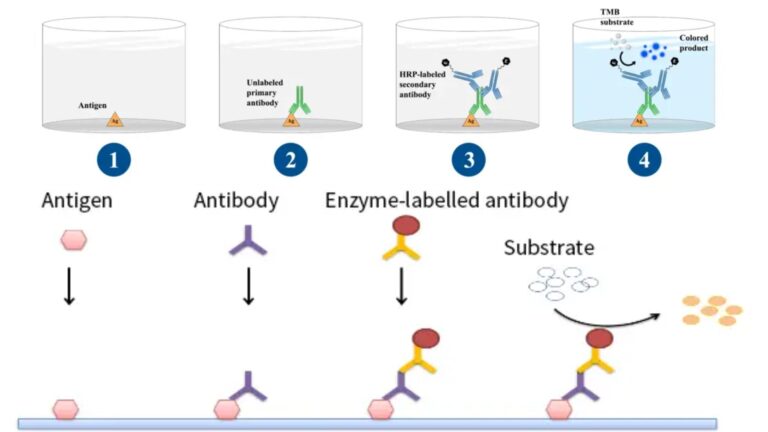
Indirect ELISA (Enzyme-Linked Immunosorbent Assay) is a sensitive laboratory method used to detect specific antibody present in a biological sample like serum. It is called indirect because the enzyme is not attached with the primary antibody. The enzyme is attached with the secondary antibody, which detects the primary antibody. In this test, a known antigen
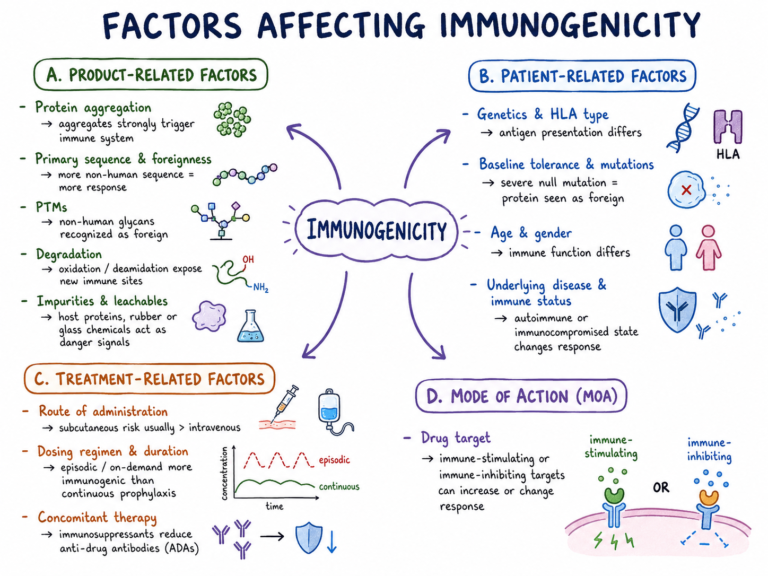
Immunogenicity is the inherent ability of a substance to produce an immune response inside the body. It may be a vaccine, biotherapeutic drug, therapeutic protein, or any foreign substance. It is mainly related with the recognition of that substance by the immune system. During this process, the body can form antigen-specific humoral response and cellular
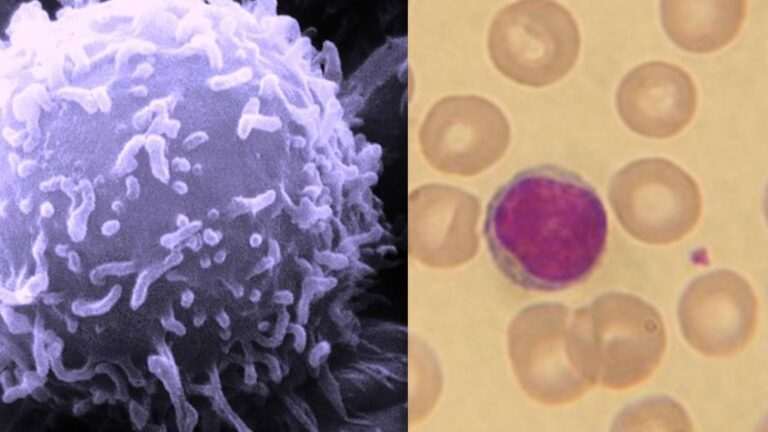
Lymphocytes are a type of white blood cells (WBCs) and comes under agranulocytes. These are one of the main cells of immune system. They protect body from foreign antigen and infection. They are present about 20-40% of total circulating white blood cells. These cells move through blood and lymphatic system. During this movement they find
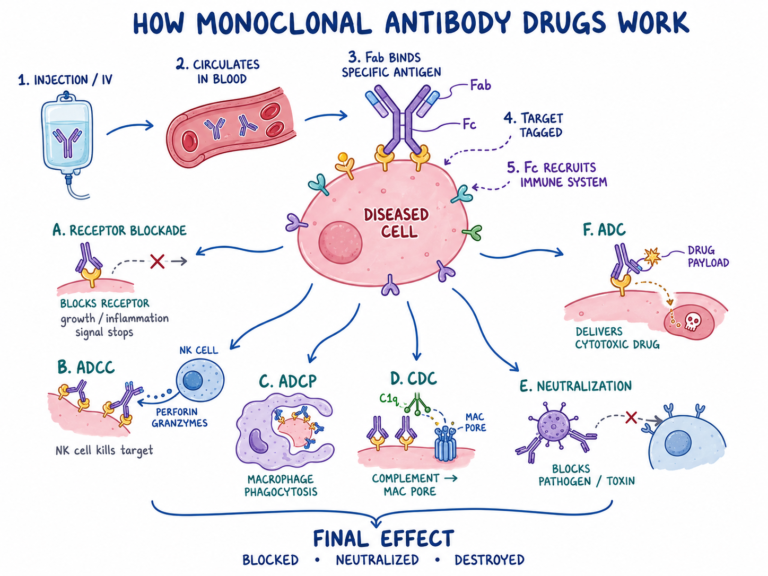
Monoclonal Antibodies (mAbs) is laboratory produced antibody proteins. It is made against one specific antigen. These antibodies are produced from a single clone of B-lymphocyte, so all the antibody molecules are same and have same binding nature. Monoclonal antibodies are homogeneous antibodies. It means they contain many identical copies of same antibody. They can recognize
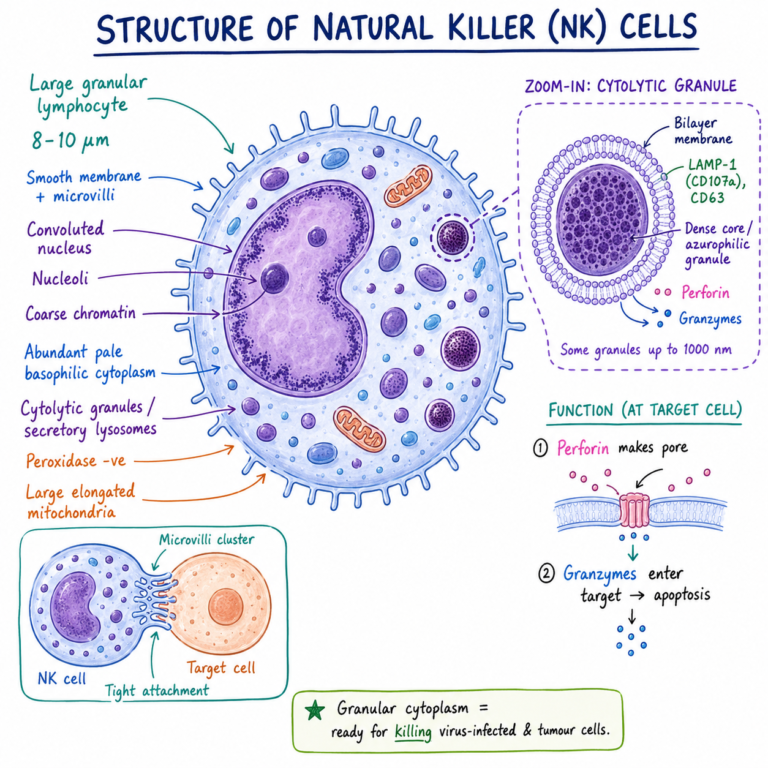
Natural killer (NK) cells are highly specialised lymphocytes of the innate immune system. They are large granular lymphocytes and arise from common lymphoid progenitor, from which T cells and B cells also develop. They are called natural killer cells because they can kill abnormal cells without previous sensitization. NK cells act as first line defence
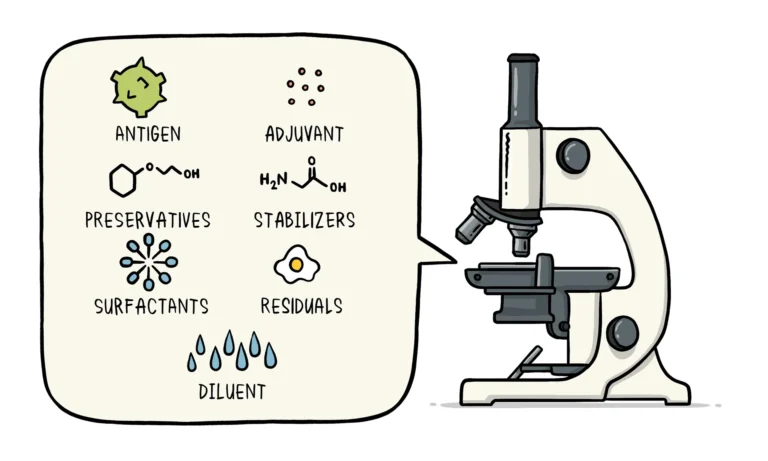
Vaccines are biological preparations used to give active immunity against a particular infectious disease. It contains an active substance called antigen. This antigen acts like disease causing organism but it does not produce severe disease. The antigen may be prepared from weakened or killed virus or bacteria. It may be specific part of the germ