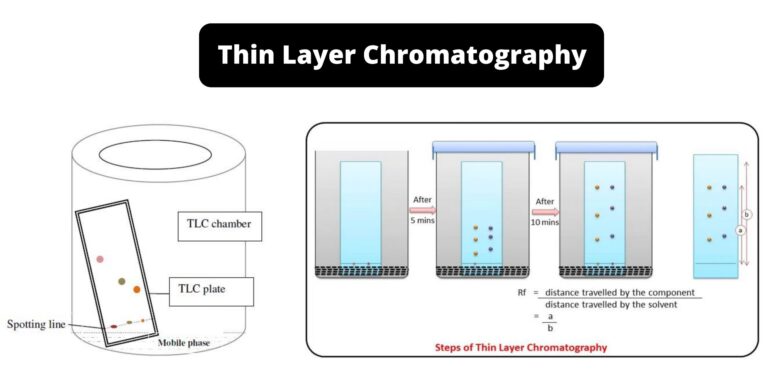
Thin Layer Chromatography (TLC) is an analytical technique used for separation and identification of components present in non-volatile mixtures. It is carried out on a TLC plate, which is made up of glass, plastic or aluminium sheet coated with thin layer of adsorbent material. The adsorbent material is generally silica gel or alumina, which acts
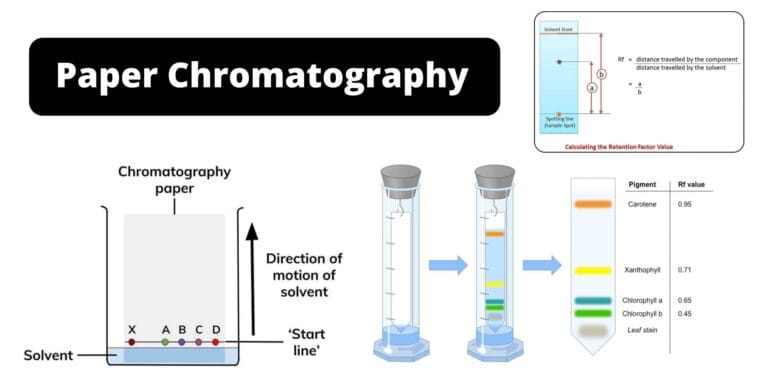
Paper Chromatography is a simple analytical technique used to separate and identify the components present in a chemical mixture. It is based on the principle of partition, where the substances are distributed between stationary phase and mobile phase. In this method, the stationary phase is usually a cellulose filter paper containing moisture within its fibers,
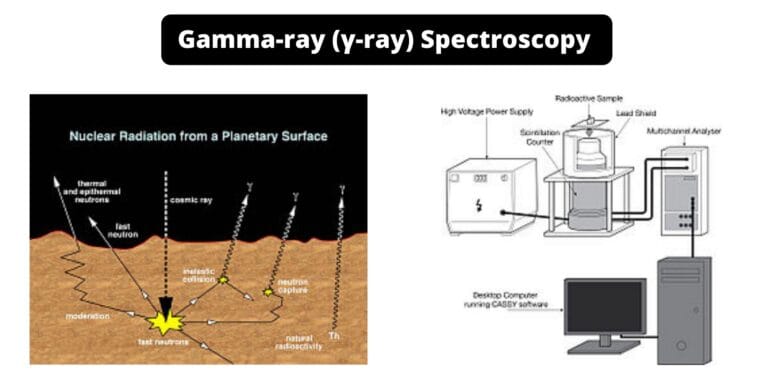
Gamma-ray Spectroscopy is a non-destructive analytical technique used for qualitative and quantitative study of gamma-ray energy spectra. It is used to study gamma rays emitted from radioactive source. The unstable atomic nuclei emit gamma-ray photons at specific energy level. This occurs when the nuclei pass into more stable ground state. These gamma-ray emissions are different
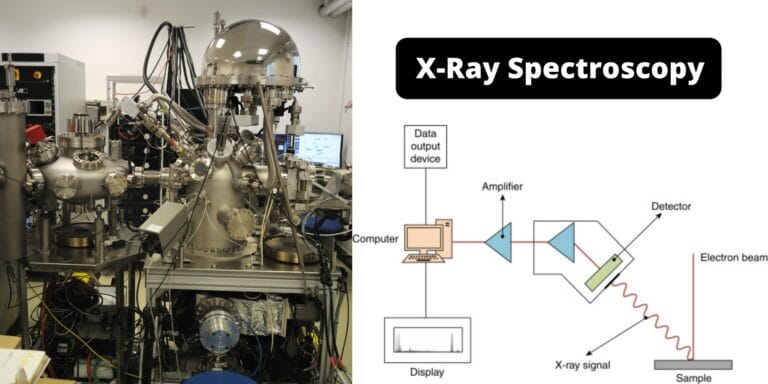
X-Ray Spectroscopy is a technique used for study of interaction between X-rays and matter. It is mainly used for determination of elemental composition and chemical state of a sample. It also gives information about physical properties of materials. It is based on emission and absorption of X-rays by atoms. When a material is excited by
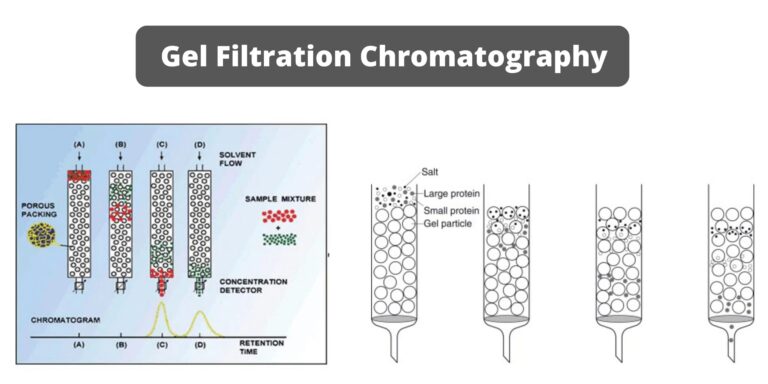
Gel Filtration Chromatography (GFC) is a chromatographic technique used for separation of molecules on the basis of their size and shape. It is also called size exclusion chromatography when water based buffer is used for the separation. It is mainly used for separation of biological molecules like proteins, nucleic acids and polysaccharides. In this technique,
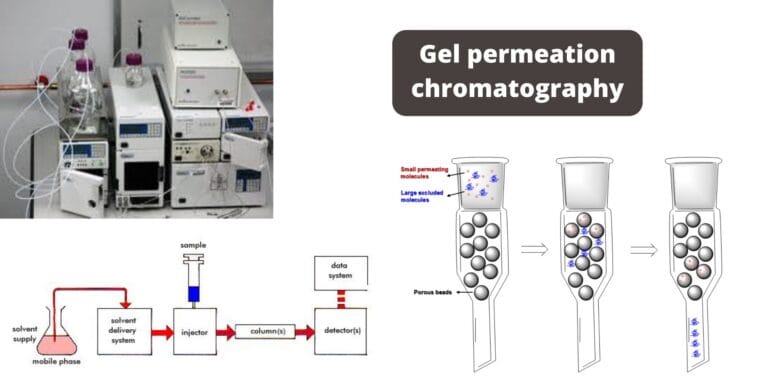
Gel Permeation Chromatography (GPC) is a chromatographic technique used to separate polymers and other large molecules according to their size in solution. It is also known as Size Exclusion Chromatography (SEC). In this technique, the polymer sample is dissolved in a suitable solvent and then passed through a column which contains porous gel beads. These
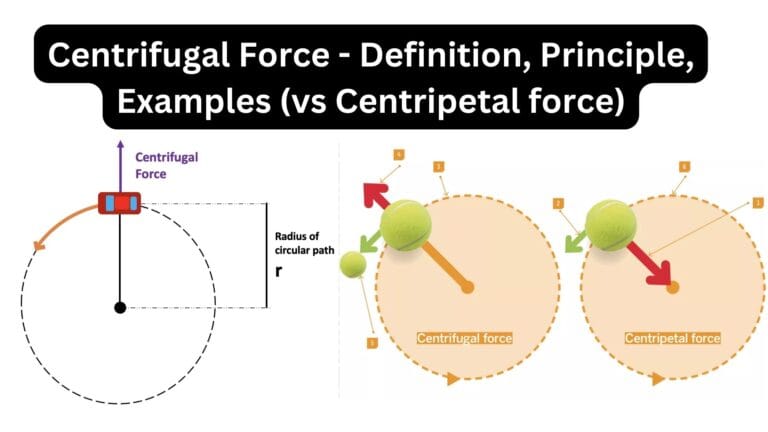
Centrifugal force is an apparent force that seems to act outward from the centre of rotation when a body moves in a circular path. It is also called a pseudo force or fictitious force because it is not produced by any real physical interaction. It is observed only in a rotating or non-inertial frame of
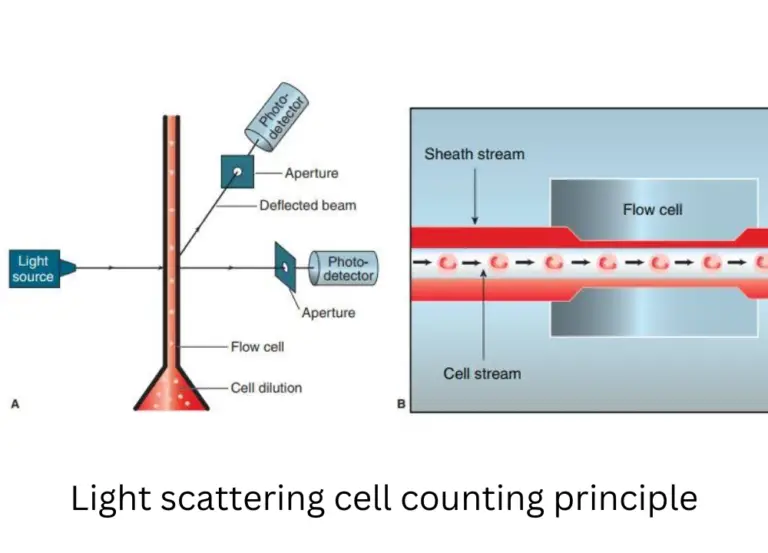
Automated Cell Counter is an analytical laboratory instrument that is used to count the number and concentration of cells in a given sample. It is used to measure cell viability also, with minimum human interaction. It replaces manual counting by using physical and optical sensors. So it gives more accurate and reproducible result. Automated cell
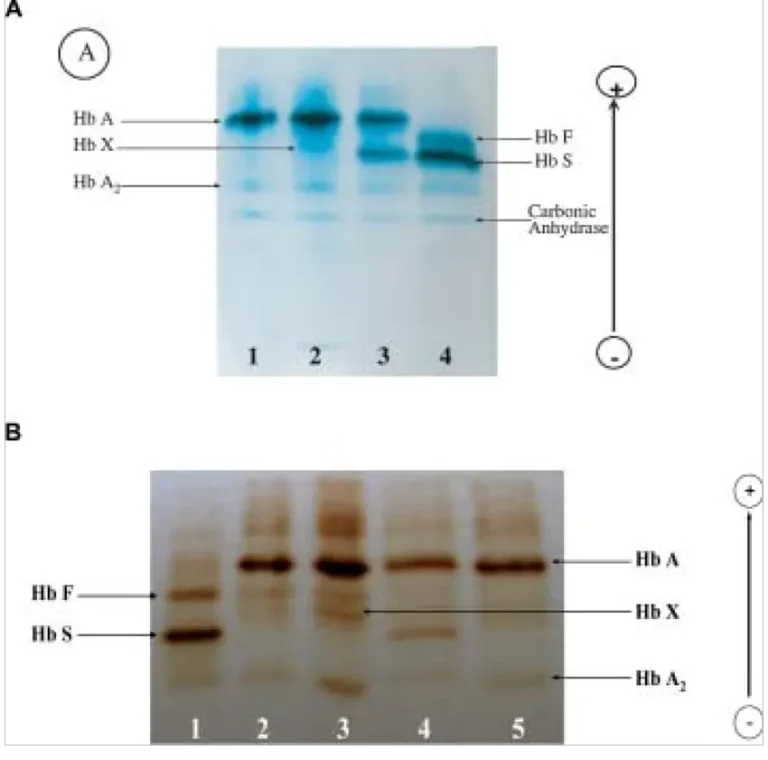
Cellulose Acetate Electrophoresis is a type of zone electrophoresis technique used to separate charged biological molecules like proteins, nucleic acids and dyes in a liquid sample. It is carried out on a porous membrane made up of cellulose acetate. This membrane is first soaked in buffer solution and then electric current is passed through it.
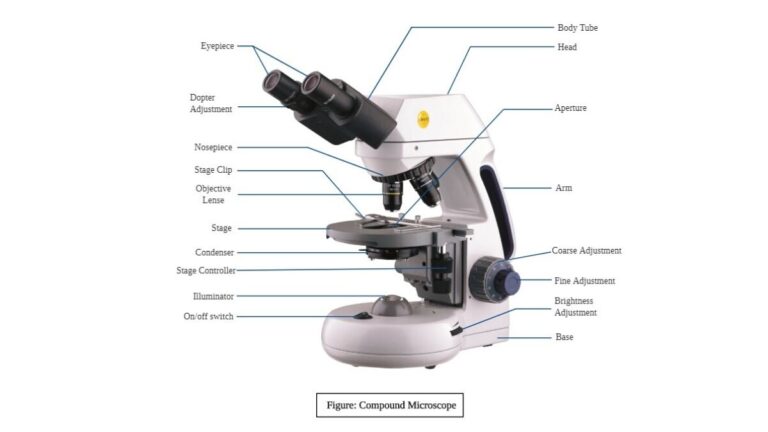
Compound Microscope is an optical instrument in which two lenses are used to magnify the small specimen. It is also called light microscope. The two lenses are objective lens and eyepiece lens. The objective lens is near the specimen and eyepiece lens is near the eye. The specimen is placed on glass slide. Light is