Sourav Pan is the founder and sole author of Biology Notes Online. He holds a Bachelor of Science (B.Sc.) degree and an M.Sc. in Microbiology from the University of Calcutta. He creates educational resources covering microbiology, immunology, biotechnology, genetics, cell biology, botany, zoology, and other life-science subjects.
His goal is to make complex biological concepts easier to understand through well-structured, student-friendly articles based on academic textbooks, peer-reviewed research, and authoritative scientific sources. In addition to writing new content, he regularly reviews and updates articles to improve their accuracy, clarity, and educational value.
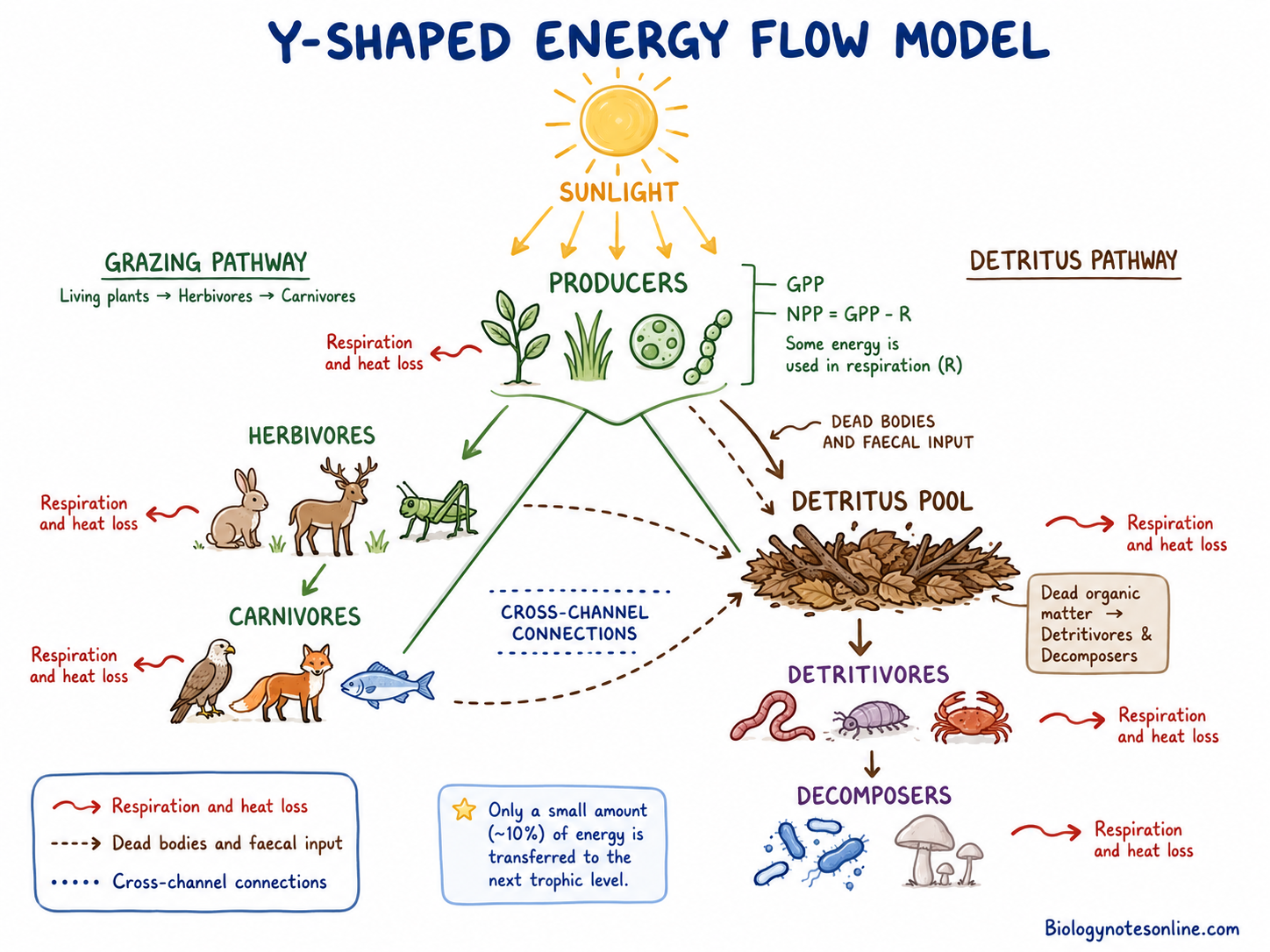
What is climax community? Climax community means Characteristics of a climax community Nature of Climax Community 1. Poly-climax and Mono-climax 2. Pattern theory of Climax Factors Affecting the Nature of Climax Community Transient and cyclic climax Theories of the Climax Community There are several ideas about what happens at the end: 1. Mono-climax Theory 2. … Read more
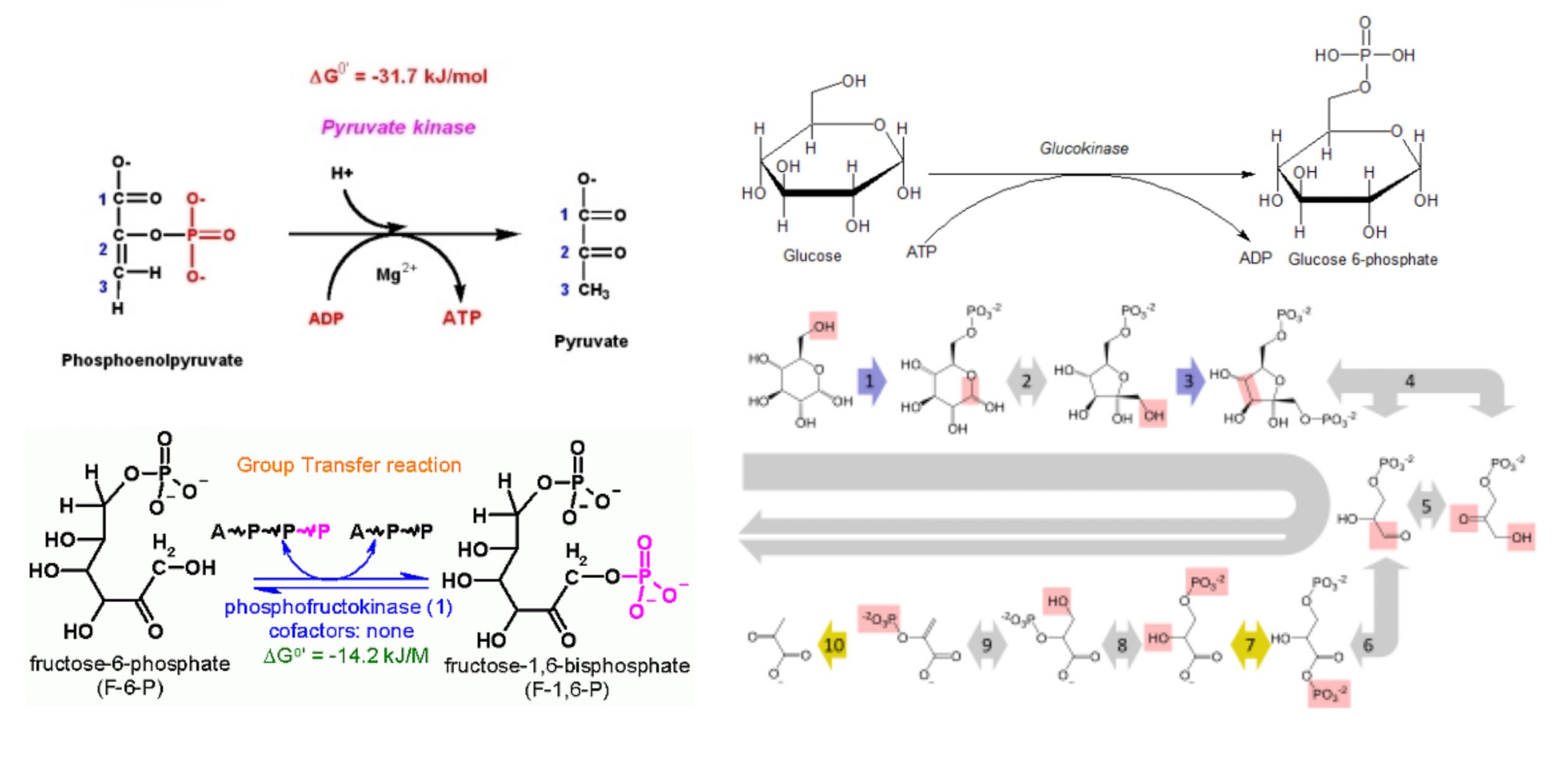
Glycolysis is the primary stage in the process of breaking down glucose in order to obtain energy to power the cell’s metabolism. The majority of living organisms perform glycolysis as a part in their metabolic process. This process does not require oxygen, which is why it is considered anaerobic. Glycolysis happens in the cytoplasms of … Read more
Submandibular gland is the second largest paired salivary gland of human body. It is about walnut size and its weight is about 7 to 15 gram. It is present in the submandibular triangle of neck, just below the lower border of mandible.
Digastric muscle is a small suprahyoid muscle present in the neck below the lower jaw. It is an important muscle because it helps in movement of mandible, hyoid bone and larynx. The name digastric means “two bellies”. So this muscle has two parts, anterior belly and posterior belly. These two bellies are joined in the … Read more
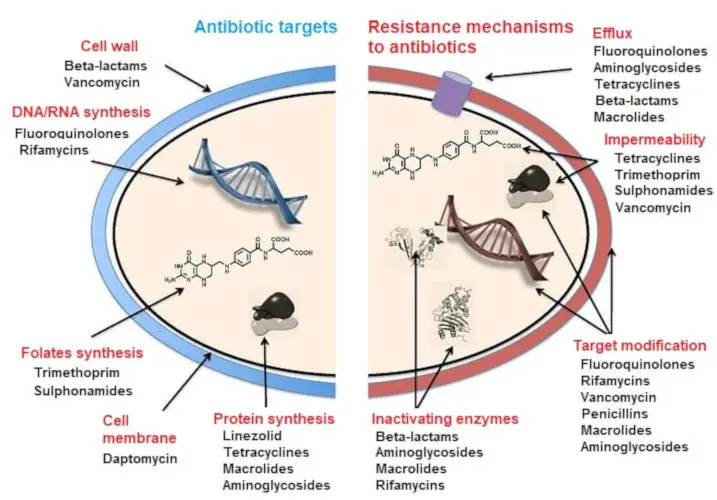
Antibiotic resistance is a condition in which microorganisms become resistant to antibiotic drugs. It is mostly seen in bacteria and fungi. In this condition the drug cannot kill the germ properly. The antibiotic is used to kill or inhibit the growth of bacteria. But resistant bacteria can survive in presence of this drug. They multiply … Read more
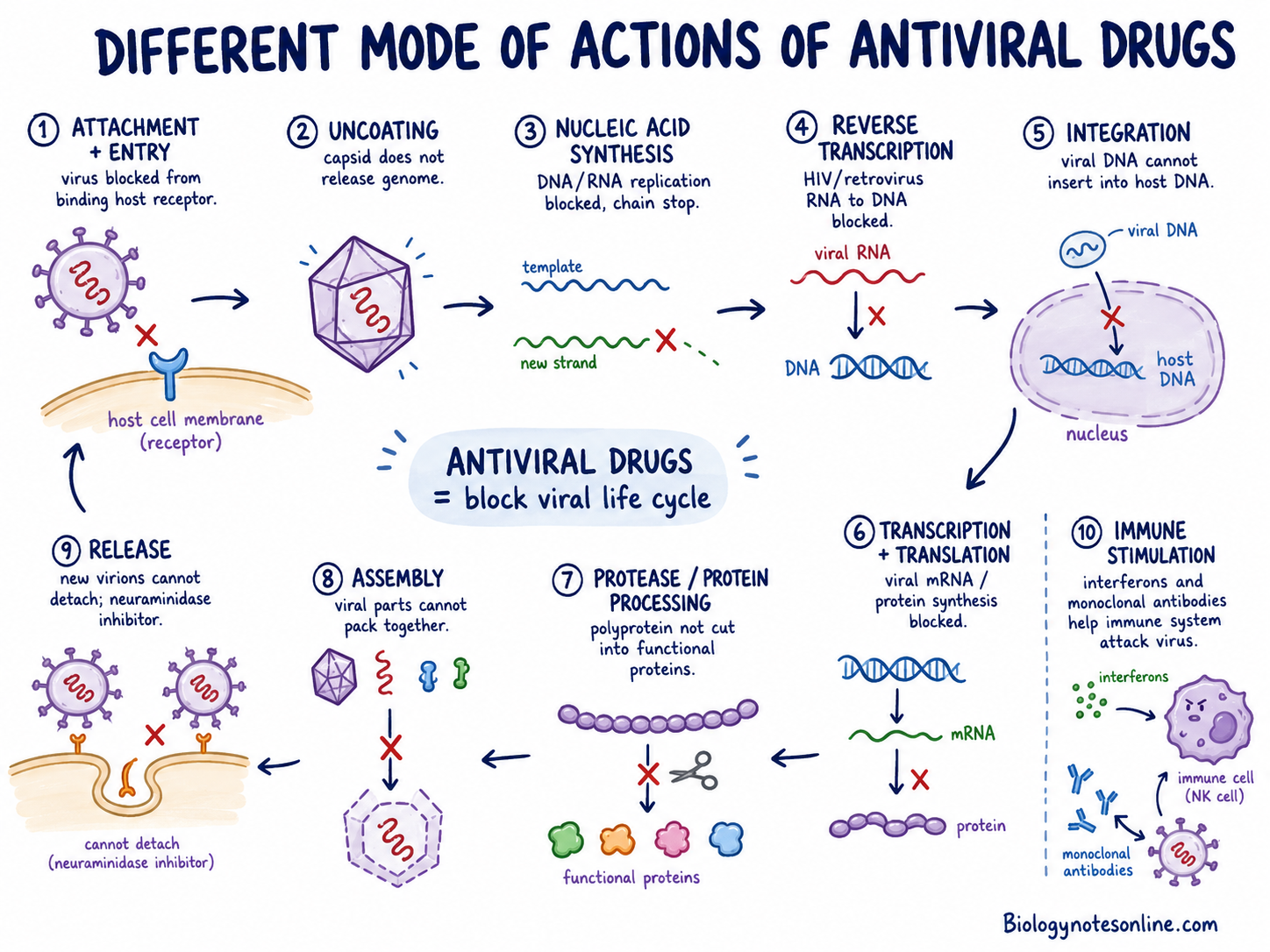
Antiviral drugs are the antimicrobial drugs which are used to treat viral infections. These drugs are specially designed against the virus and its replication process. Some antiviral drugs act against one specific virus, while some drugs may act against many viral agents. Antiviral drugs do not usually destroy the virus directly. They mainly inhibit the … Read more
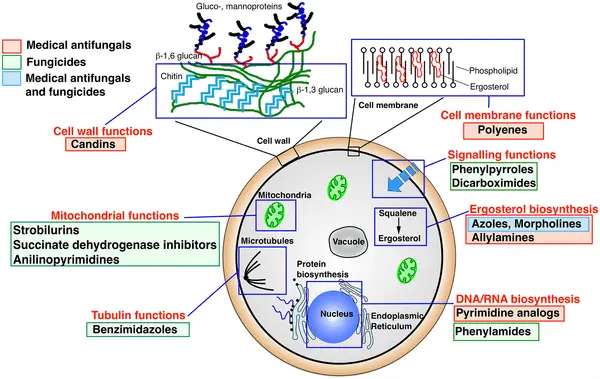
Antifungal drug is a drug used against fungal infection. It kills the fungus or inhibit the growth of fungus. Fungal infection is also called mycoses. Fungus and human cell both are eukaryotic. So many cell parts are similar in both. For this reason antifungal drug making is difficult. The drug should act on fungus but … Read more
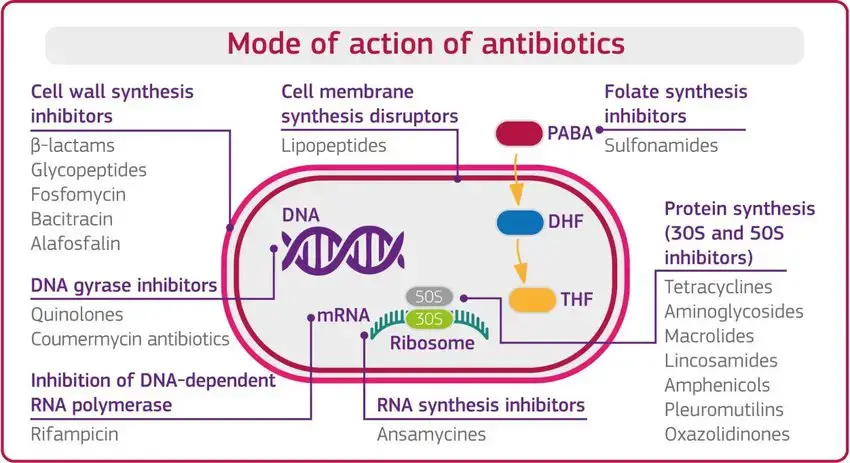
Antibiotics are a group of antimicrobial chemical compounds that are used to treat bacterial infections. It acts selectively on bacteria without causing much harm to the human host. They are used when bacteria enter into the body and produces infection. Antibiotics may be obtained naturally from microorganisms such as moulds and fungi. Some antibiotics are … Read more
Cytokines are small soluble protein molecules which are produced by immune cells and some other body cells. It is used as chemical messenger between cells. It help in sending signal from one cell to another cell. These molecules mainly control immunity, inflammation and formation of blood cells. Cytokines are produced by T lymphocytes, B lymphocytes, … Read more