Sourav Pan is the founder and sole author of Biology Notes Online. He holds a Bachelor of Science (B.Sc.) degree and an M.Sc. in Microbiology from the University of Calcutta. He creates educational resources covering microbiology, immunology, biotechnology, genetics, cell biology, botany, zoology, and other life-science subjects.
His goal is to make complex biological concepts easier to understand through well-structured, student-friendly articles based on academic textbooks, peer-reviewed research, and authoritative scientific sources. In addition to writing new content, he regularly reviews and updates articles to improve their accuracy, clarity, and educational value.
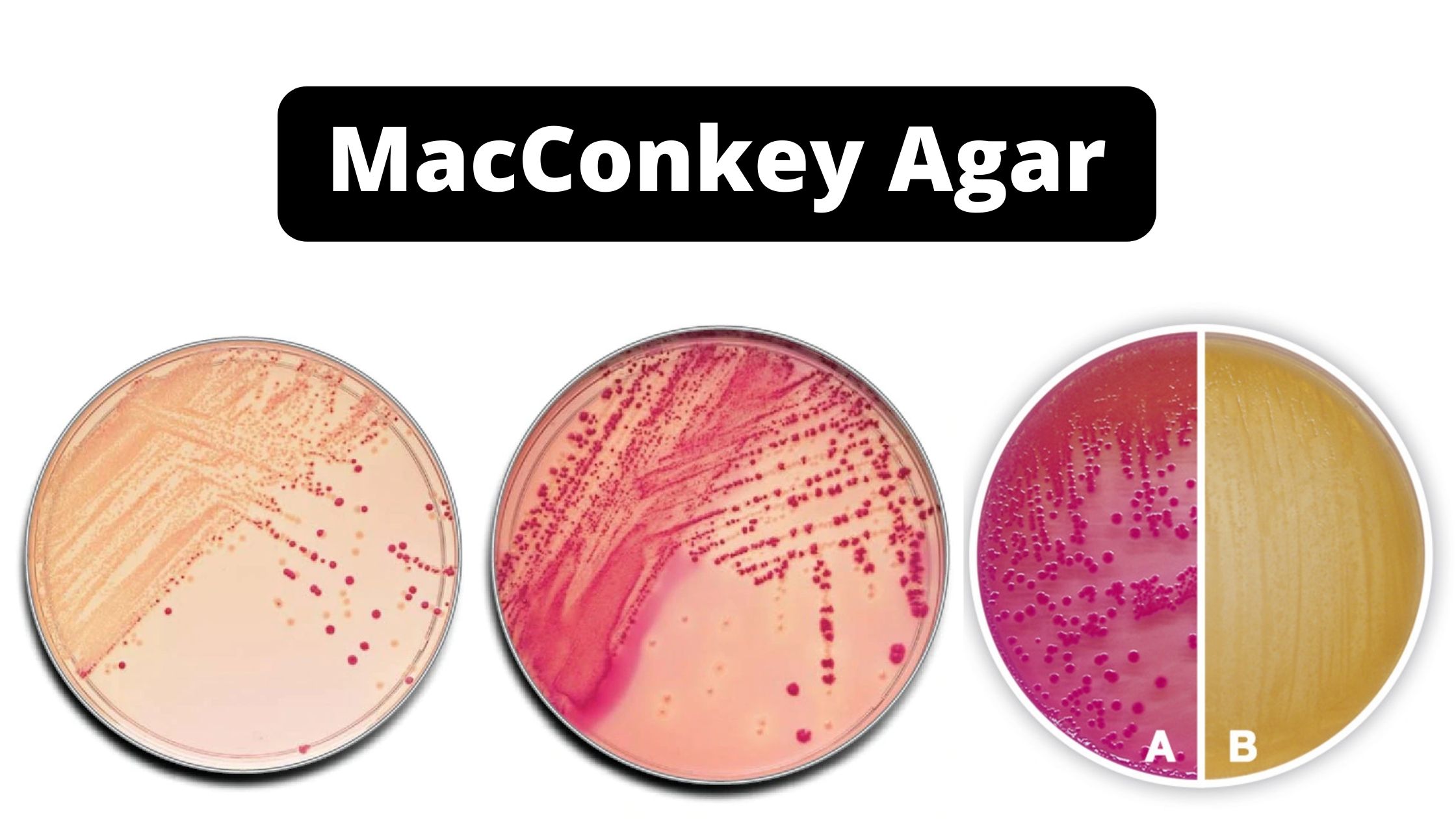
MacConkey Agar is a selective and differentiated culture medium widely used to isolate of Gram-negative enteric bacteria.
It is selective since it allows for the growth of gram-negative bacteria , and differentiating the bacteria that are gram-negative based on their metabolic process of lactose.
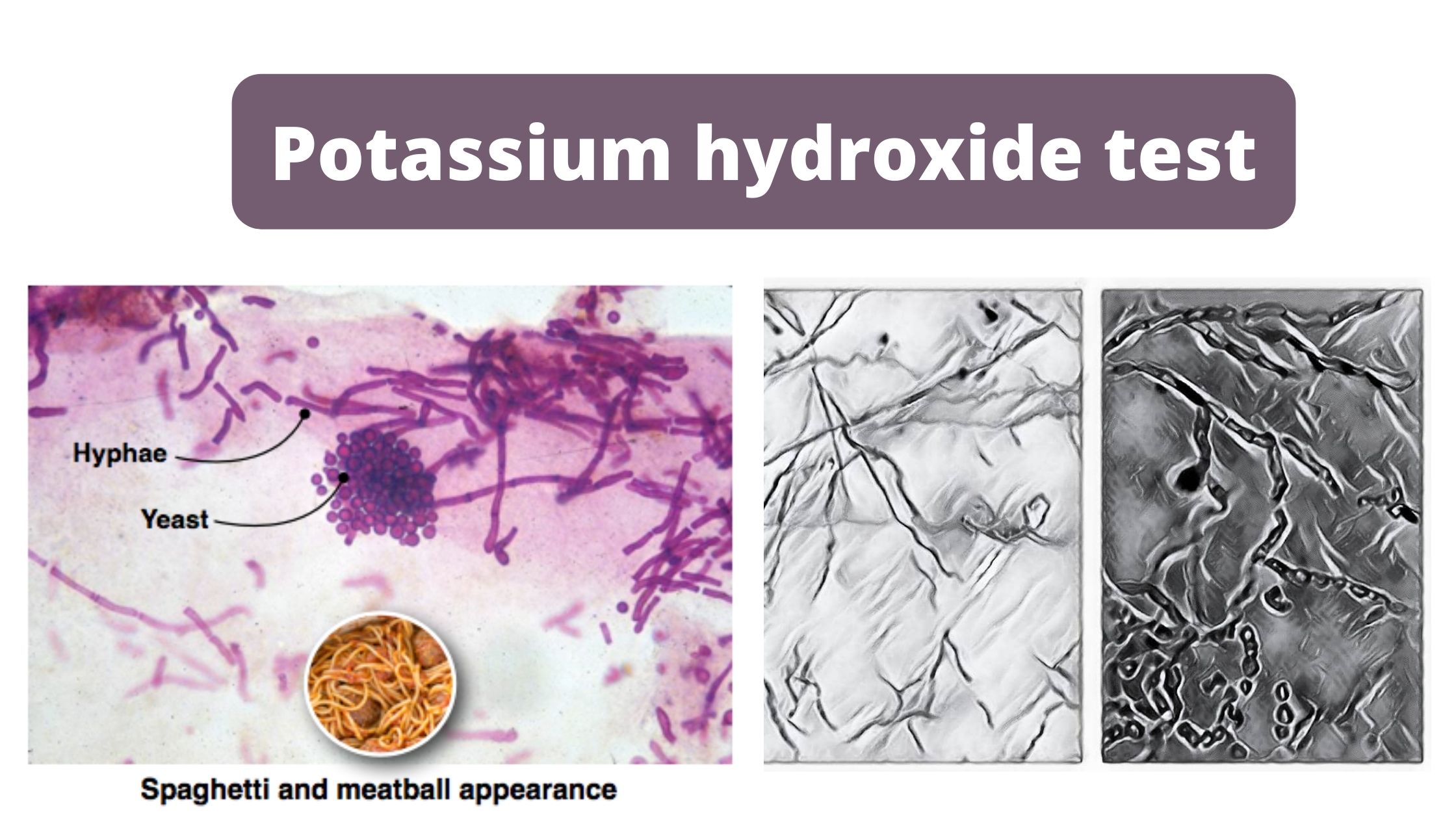
A KOH pre-test is a quick, non-invasive procedure to diagnose fungal infections that affect the nails or skin.
The cells are collected from the affected region and put on a slide using an acid composed of potassium hydroxide. They are looked at under a microscope in order to determine if there are evidence of the presence of a mold.
Bile Esculin test The Bile Esculin test is a biological test that is used to distinguish Enterococci from Group D Streptococci from non-group D viridans group Streptococci by their capacity to hydrolyze esculin. A variety of organisms are capable hydrolyzing esculin. But only a handful of them can do it when they are surrounded by … Read more
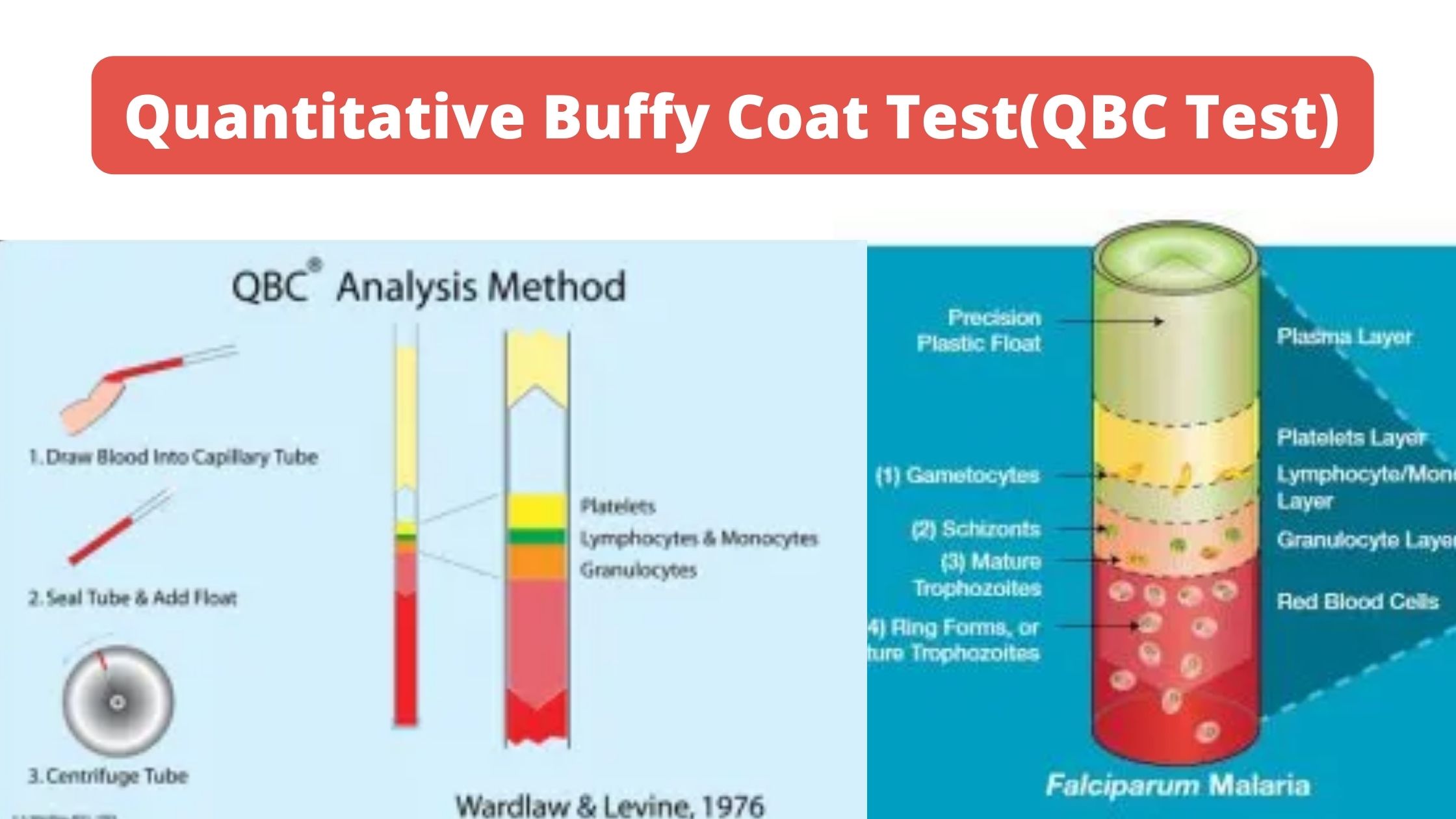
Two different methods of blood tests, thin and thick microscopy, are considered to be the “gold standard” for the diagnosis of malaria. A Quantitative Buffy Coat(QBC) is an additional quick and direct test to make the identification of malaria.
When a microorganism starts to synthesize toxin, they are called microbial toxins, such as bacteria and fungi. There are few bacteria that can produce the most potent natural toxins such as Botulinum neurotoxins. However, the bacterial toxin has some medical importance that is why they are used in medical science and research. What Is Toxin? … Read more