Positive Displacement Pipette – Principle, Working & Uses

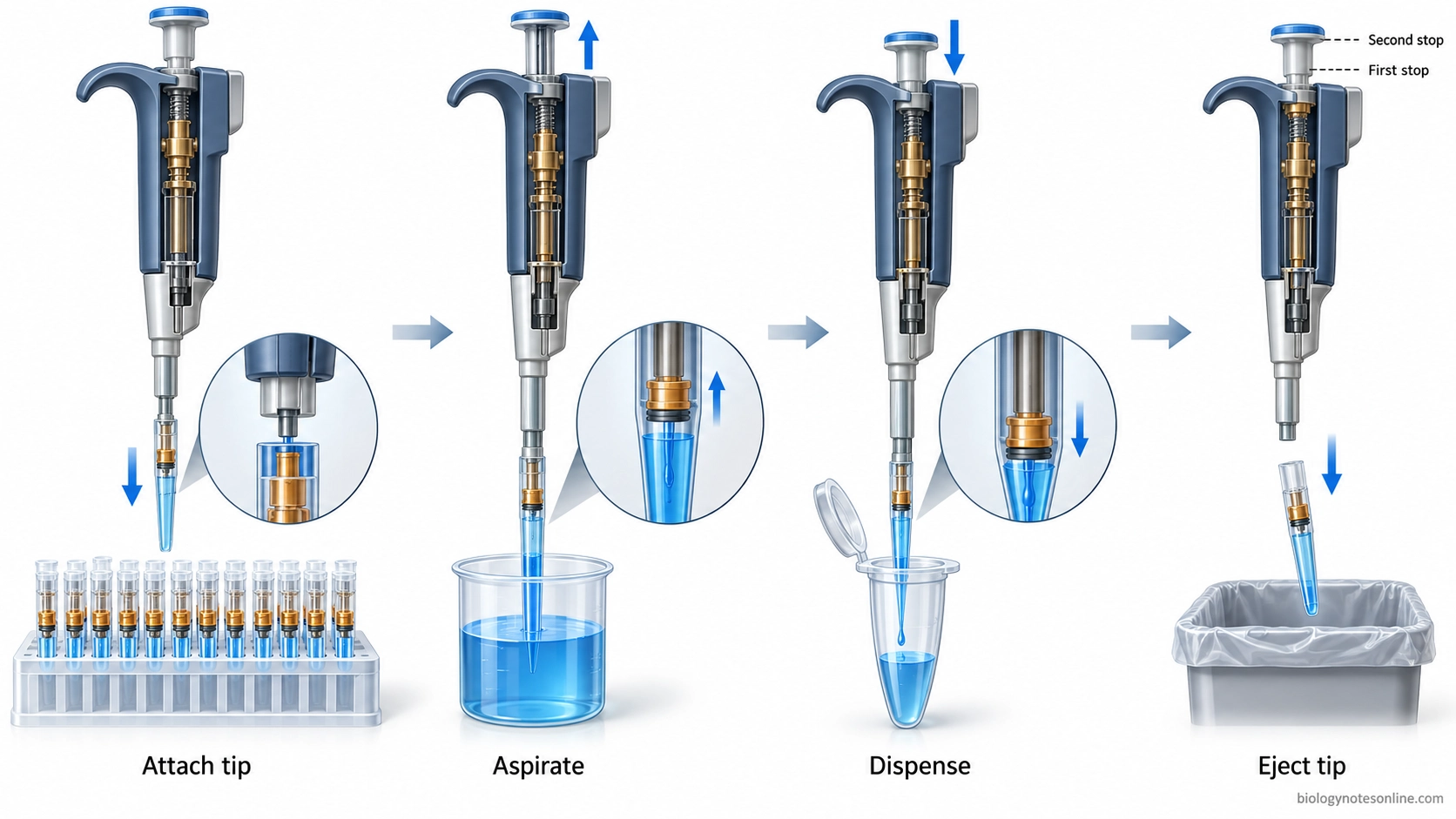
Understand the positive displacement pipette, including its parts, working principle, proper use, applications, and differences from air displacement pipettes.


Understand the positive displacement pipette, including its parts, working principle, proper use, applications, and differences from air displacement pipettes.
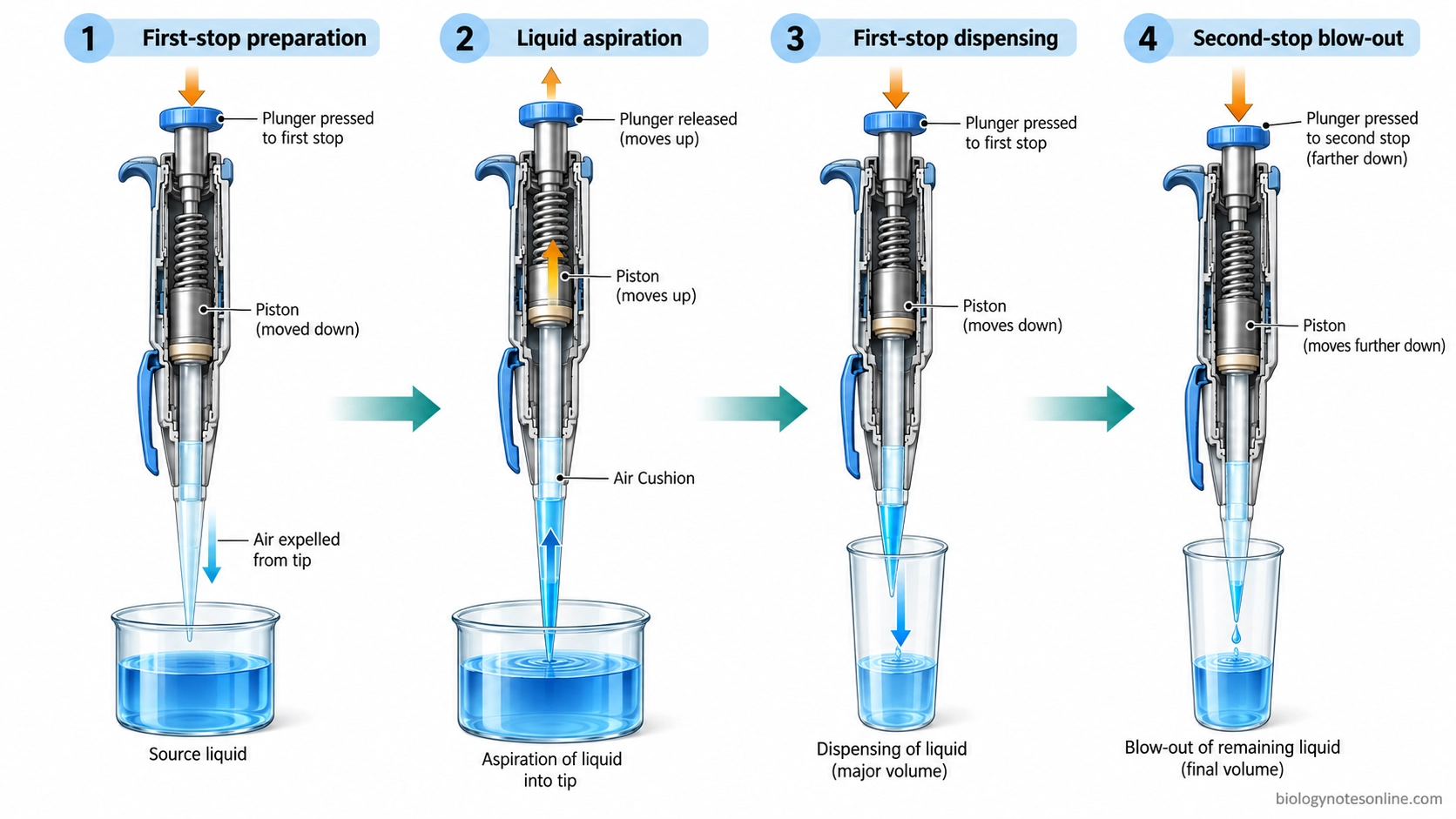
Air displacement pipetting: working principle, pipette parts, correct technique, accuracy factors, laboratory uses, and comparison with positive displacement.
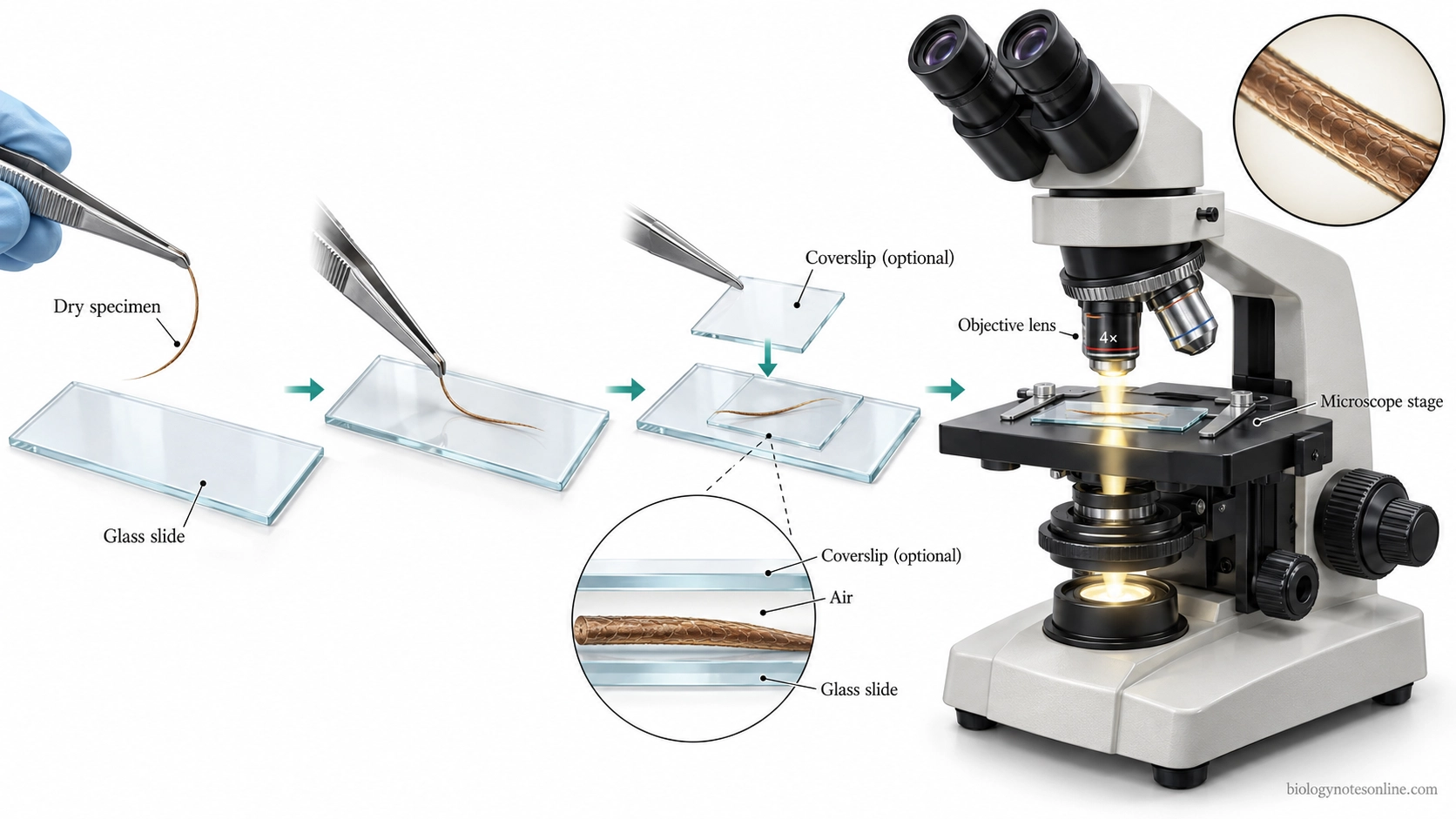
Dry mount slide preparation explained with required materials, step-by-step procedure, suitable specimens, precautions, and differences from wet mounts.
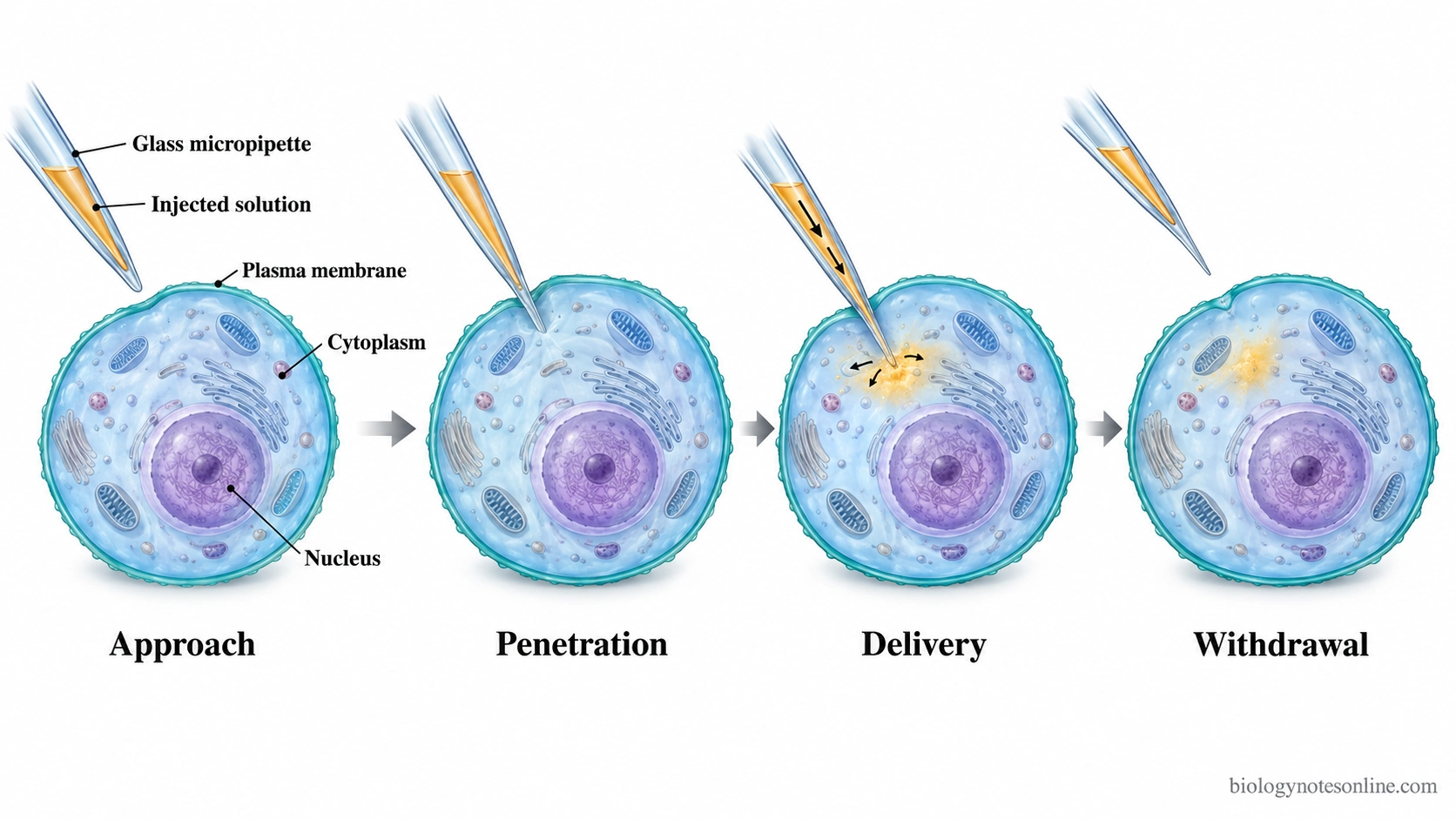
Microinjection is a direct method for delivering DNA and other materials into cells. Explore its principle, equipment, procedure, applications and limitations.
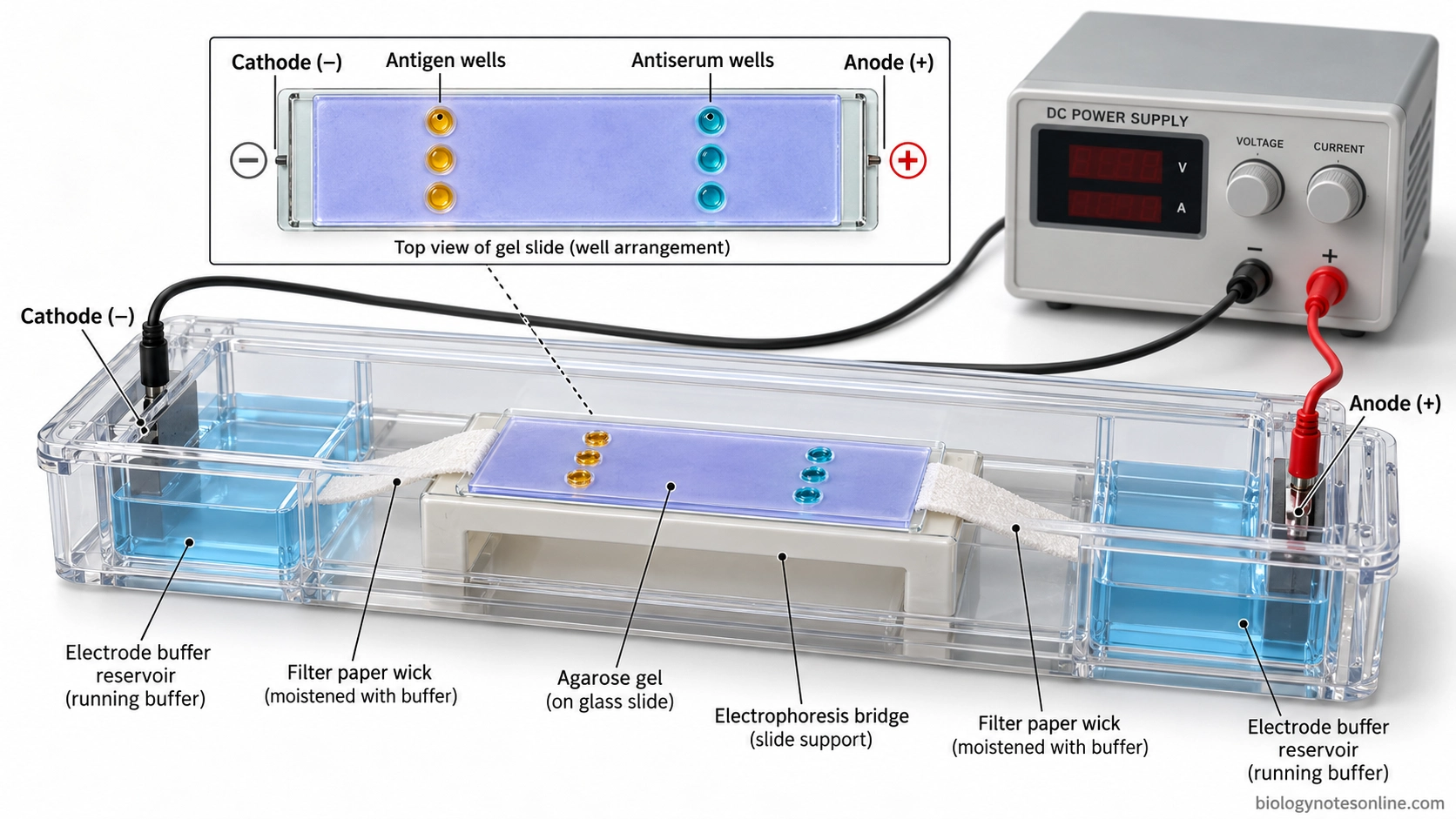
Counter current immunoelectrophoresis (CIE): principle, gel-based procedure, precipitin-line results, applications, advantages, and limitations.
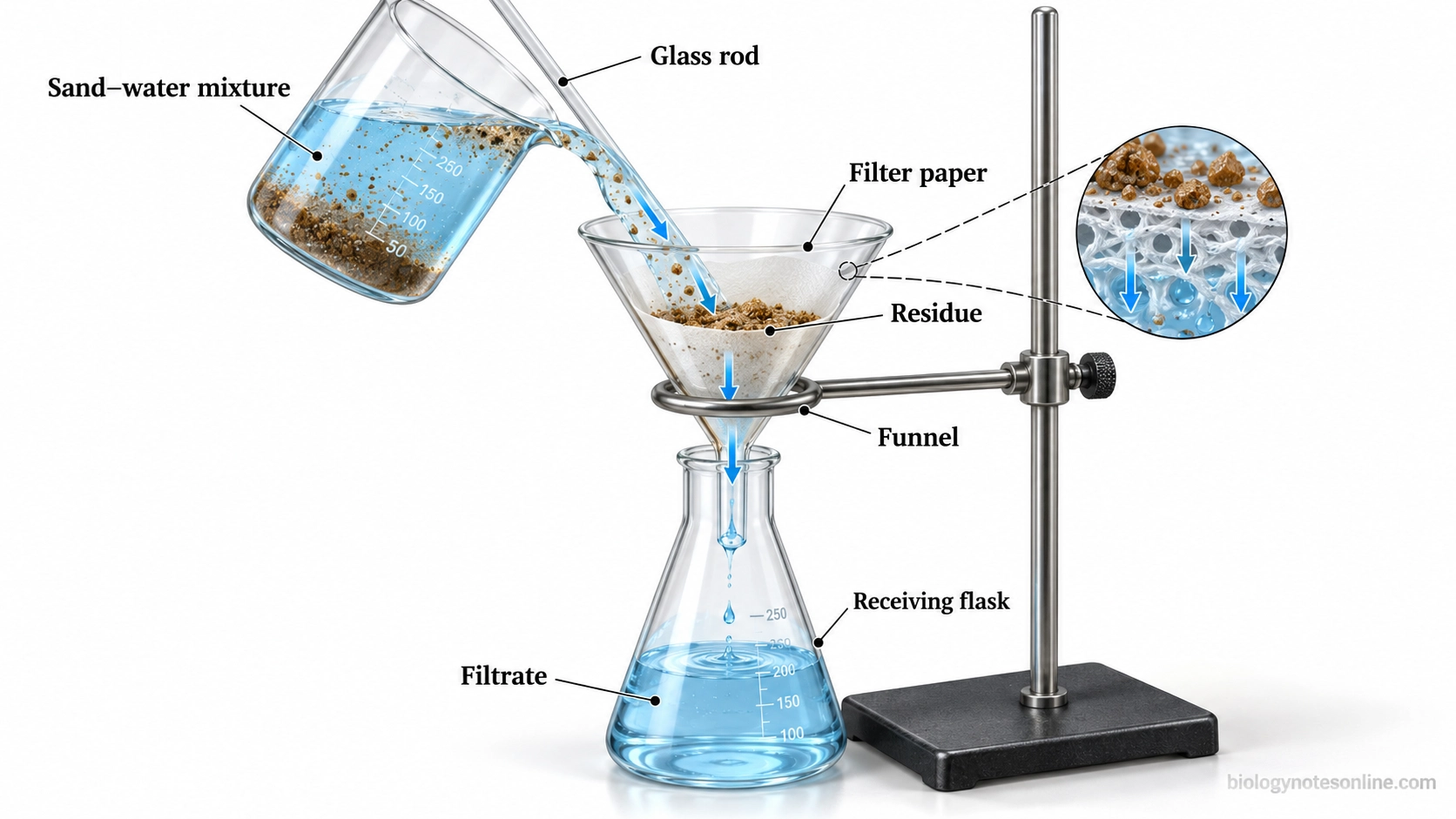
Filtration is a physical separation process in which a liquid or gas is passed through a filter medium to separate certain suspended particles from the fluid. The filter medium allows the fluid to pass through it while retaining the particles. It is commonly used for the separation of heterogeneous mixtures, especially suspensions containing insoluble solid … Read more
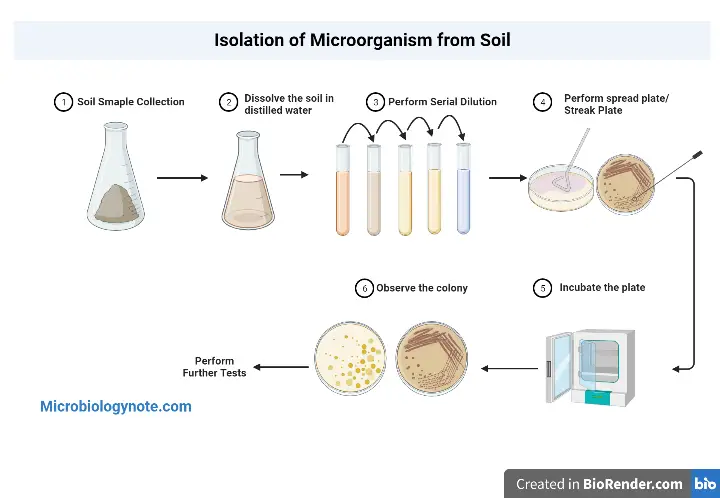
Isolation of Microorganisms from Soil: principle, serial dilution, culture media, laboratory procedure, colony observations, and safety precautions.
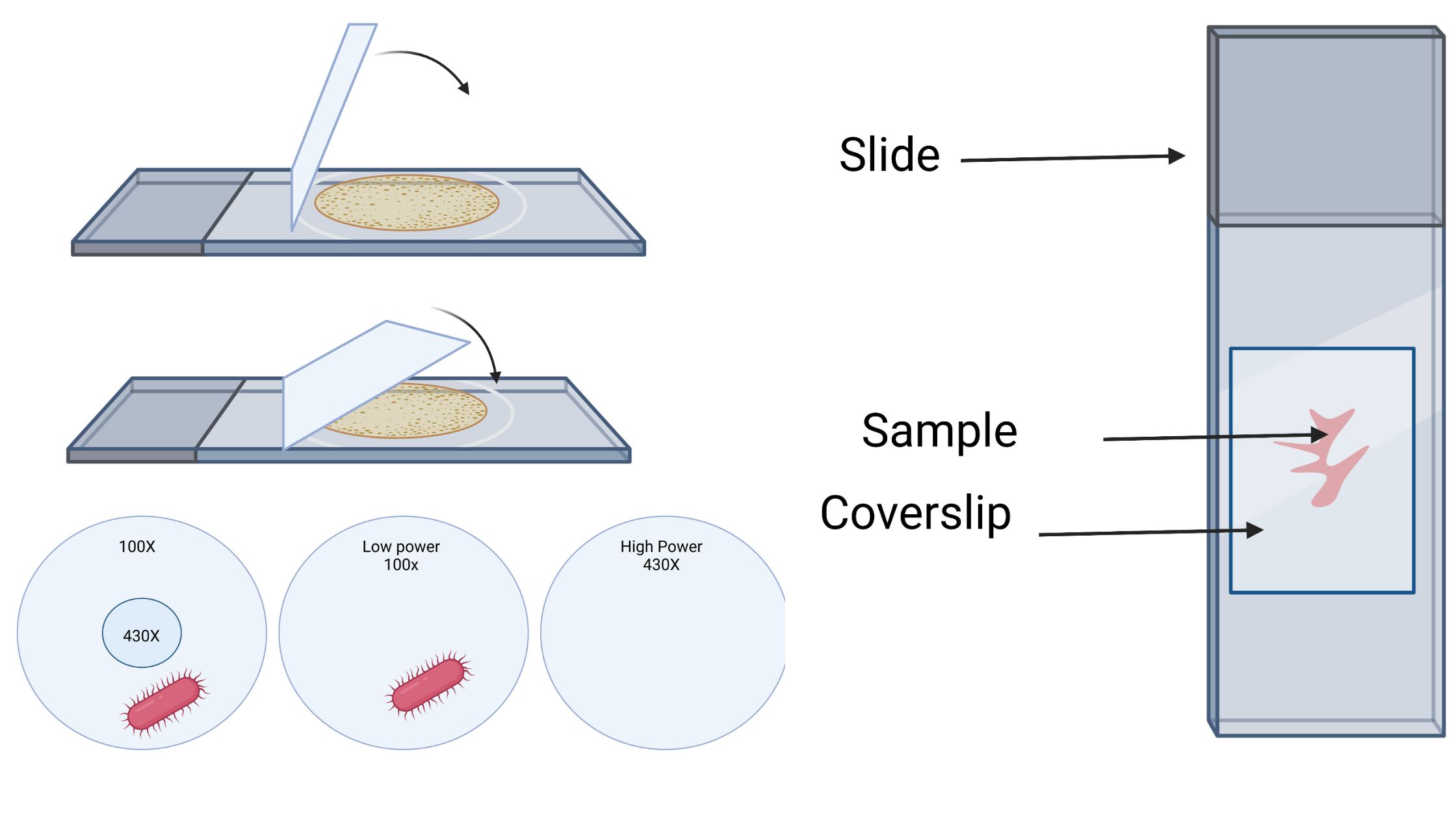
Learn how to use a microscope properly with step-by-step instructions for setup, slide placement, focusing, magnification, safe handling, and care.
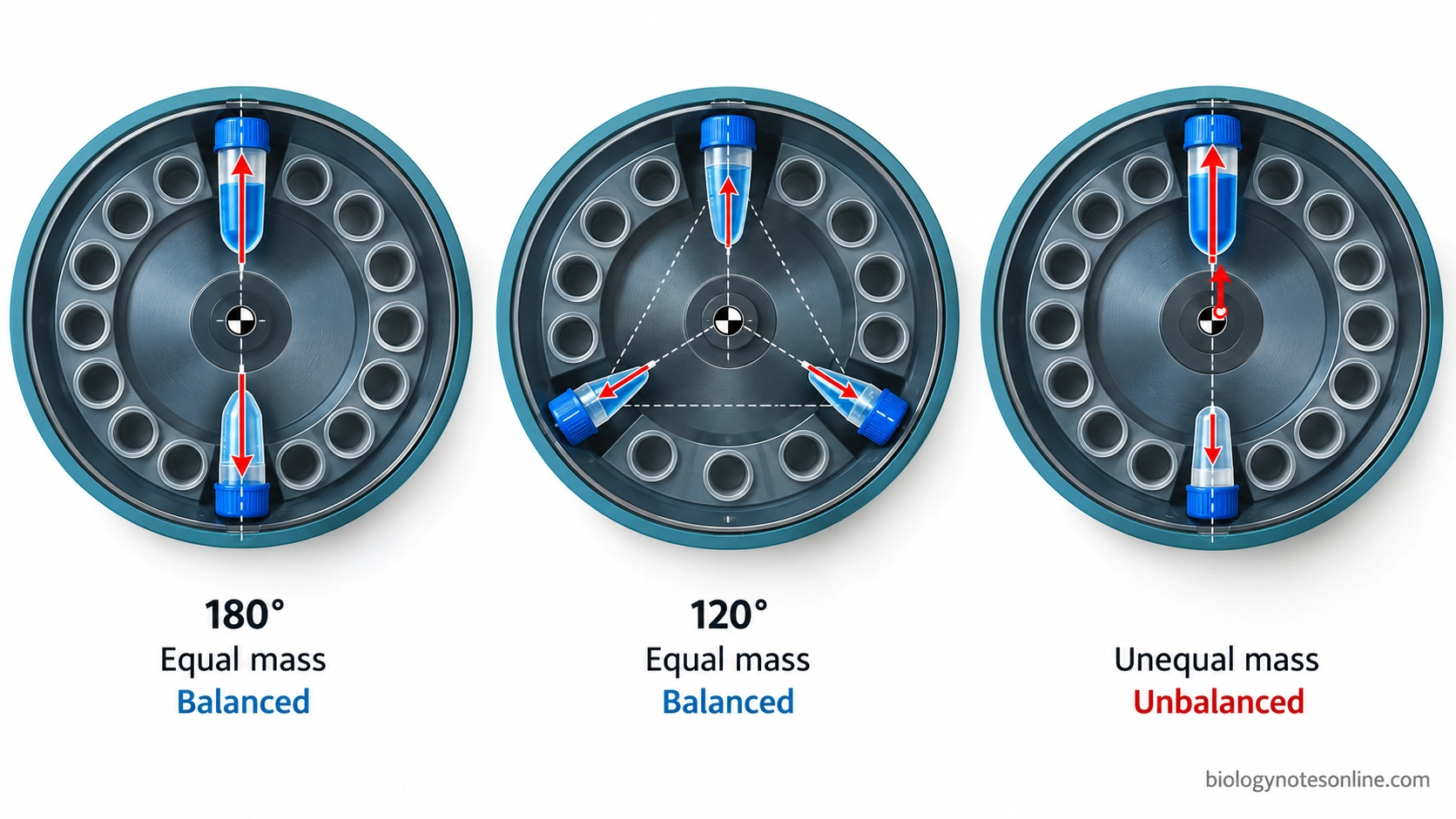
Centrifuge balancing explained with step-by-step procedures, mass matching, rotor loading patterns, and charts for balancing 3, 5, and 7 tubes safely.
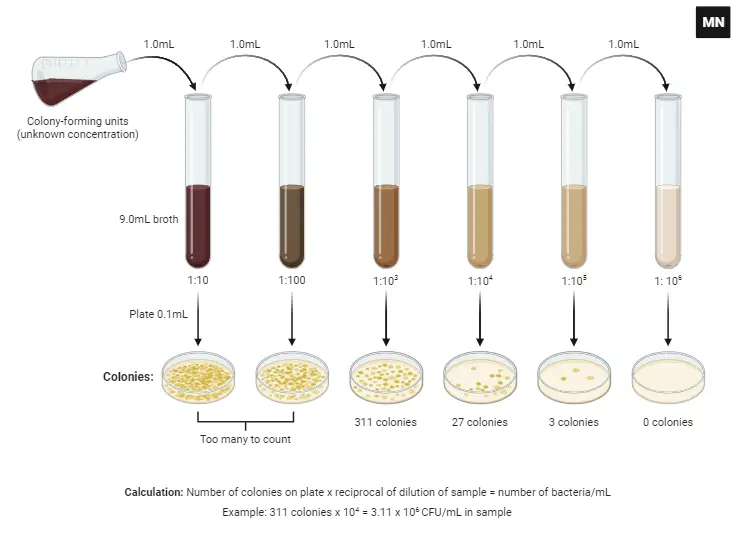
Understand the serial dilution method, its principle, step-by-step procedure, formulas, calculations, two-fold and ten-fold dilutions, and applications.