Aseptic Techniques in Microbiology: Principles and Procedures

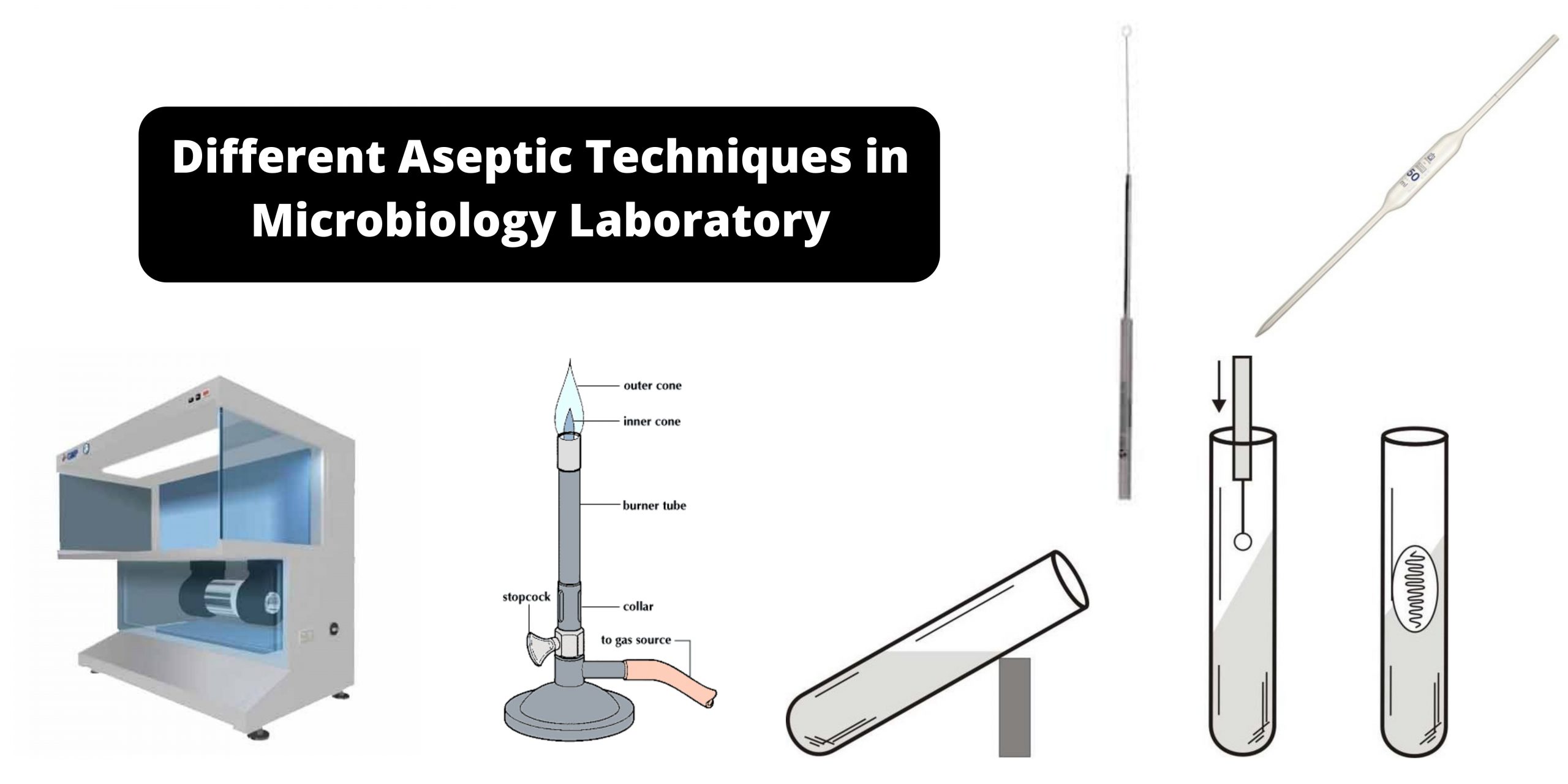
Understand aseptic techniques in microbiology, including their purpose, principles, common methods, culture-transfer steps, and contamination prevention.


Understand aseptic techniques in microbiology, including their purpose, principles, common methods, culture-transfer steps, and contamination prevention.

Understand the spread plate method, including its principle, procedure, colony counting, results, applications, advantages, and limitations.

Pour plate method explained with its principle, step-by-step procedure, colony count interpretation, applications, advantages, limitations, and comparisons.
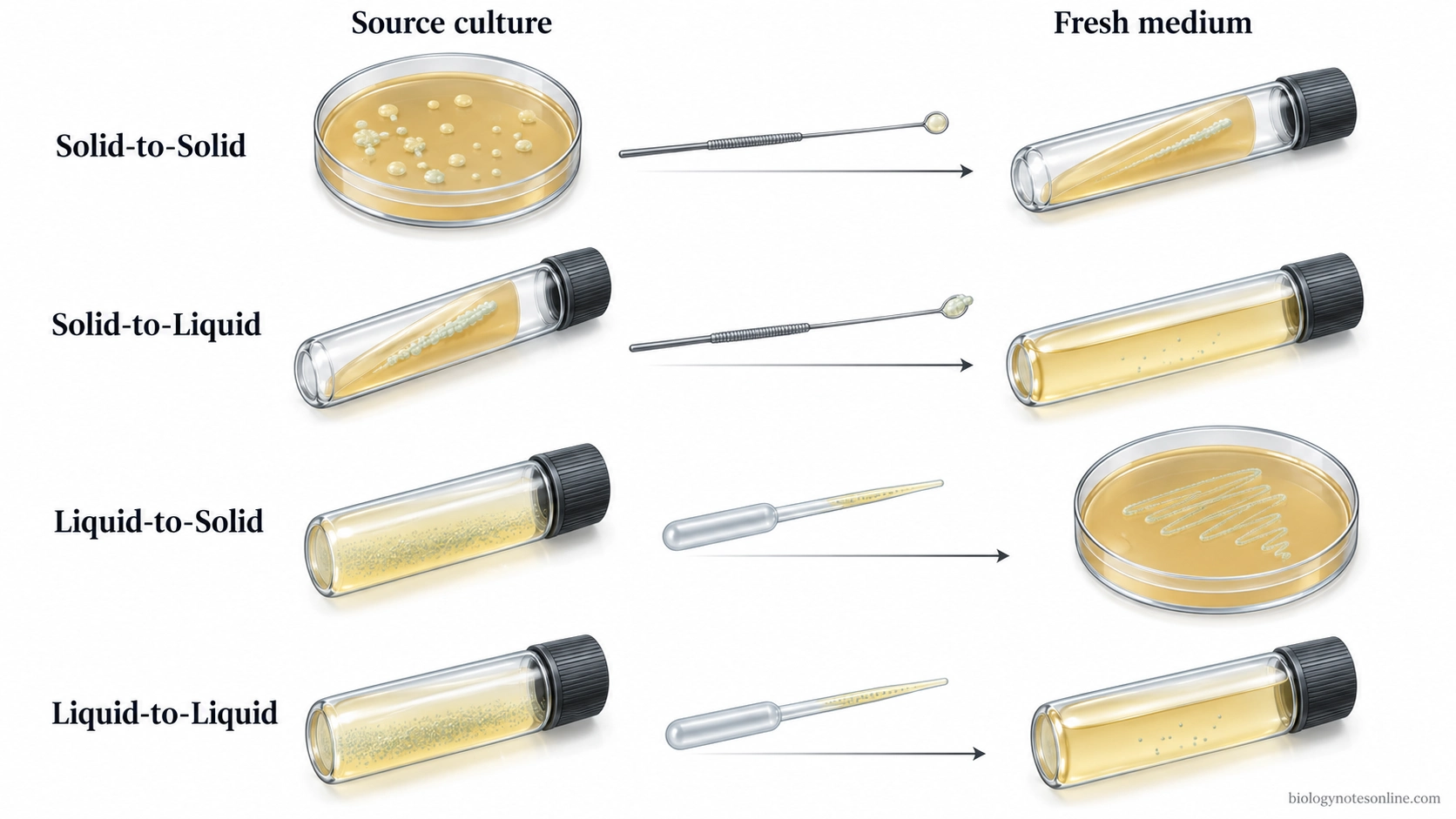
Understand the subculturing technique in microbiology, including its purpose, aseptic procedure, four transfer types, and ways to check culture quality.

Understand the streak plate method, including its principle, types, step-by-step procedure, colony isolation results, applications, and limitations.
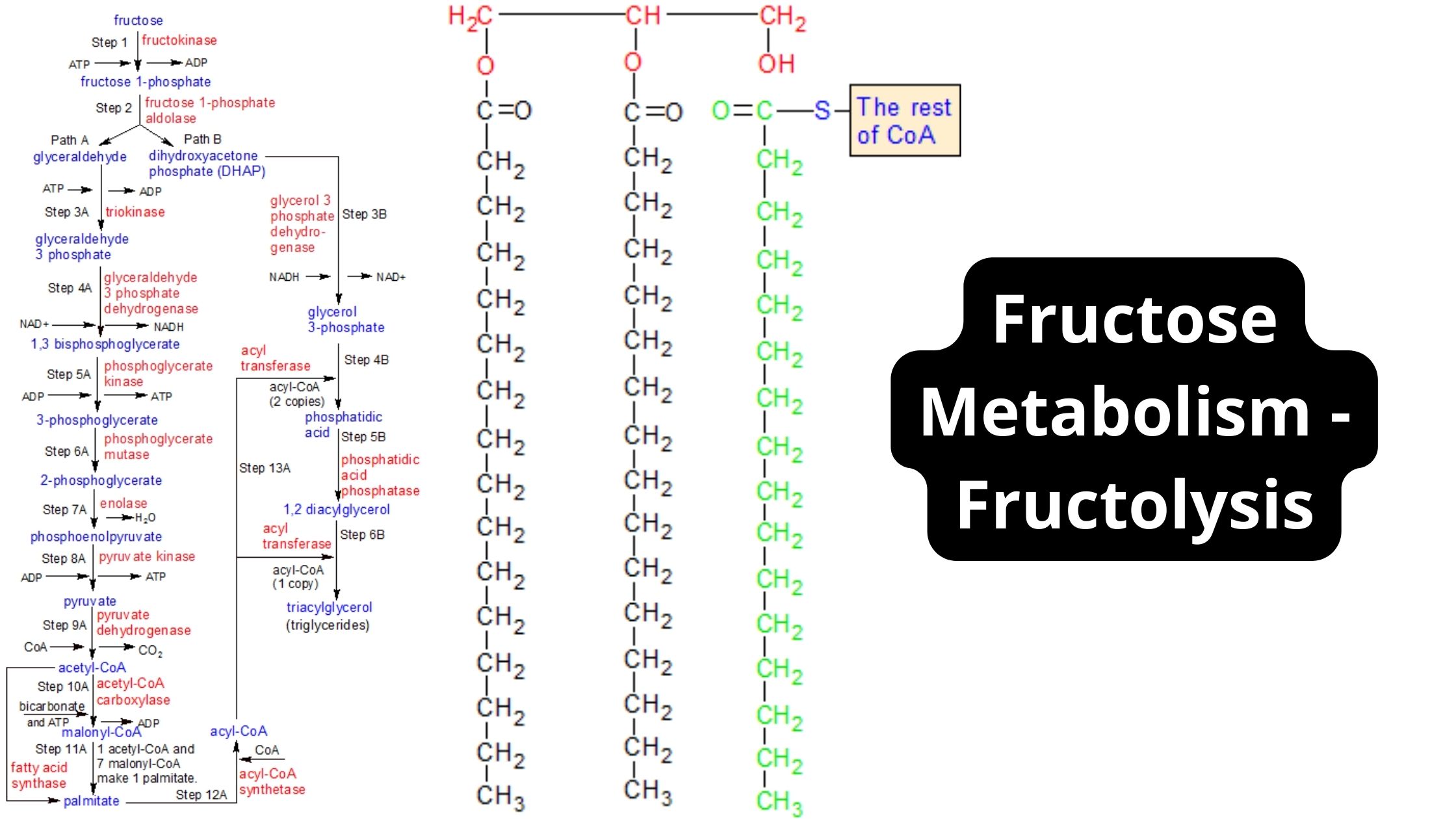
Location of Fructolysis Why does fructose metabolism or fructolysis occur in liver cells? Properties and Sources of Fructose Absorption of Fructose From Fructose to Fat/Fructolysis/fructose metabolism pathway Steps of fructose metabolism pathway 1. Step 1 2. Step 2 3. Step 3A Metabolic Pathway Notes: At this point, the liver cell can use the same steps … Read more
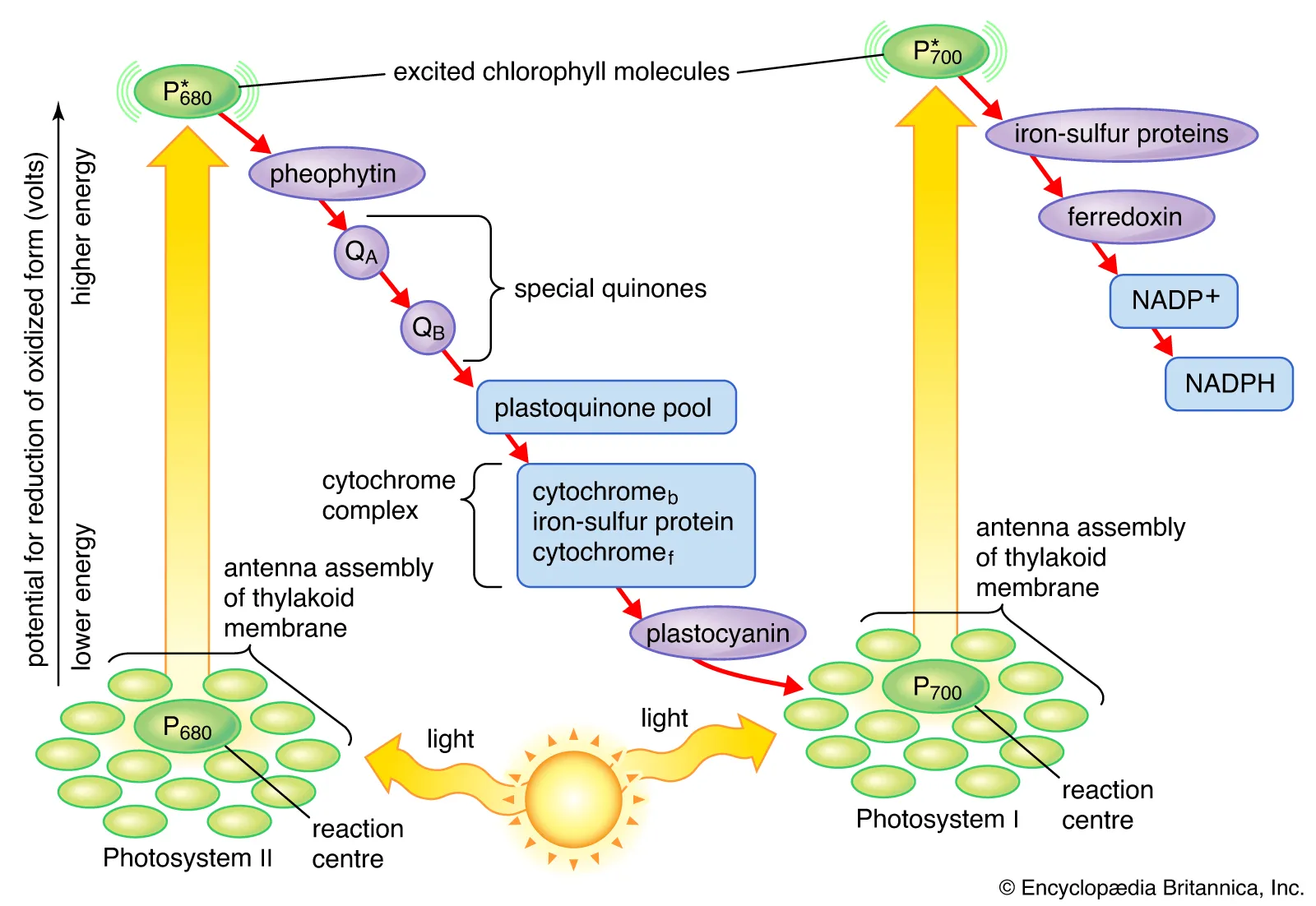
What is Photosystem 1 (PS1)? What is Photosystem 2 (PS2)? Difference between Photosystem 1 (PS1) and Photosystem 2 (PS2) Feature Photosystem I (PSI) Photosystem II (PSII) Location in Thylakoid Membrane Outer surface Inner surface Photocenter P700 P680 Absorbing Wavelength >680 nm <680 nm Photophosphorylation Both cyclic and non-cyclic Only non-cyclic Photolysis of Water No Yes … Read more
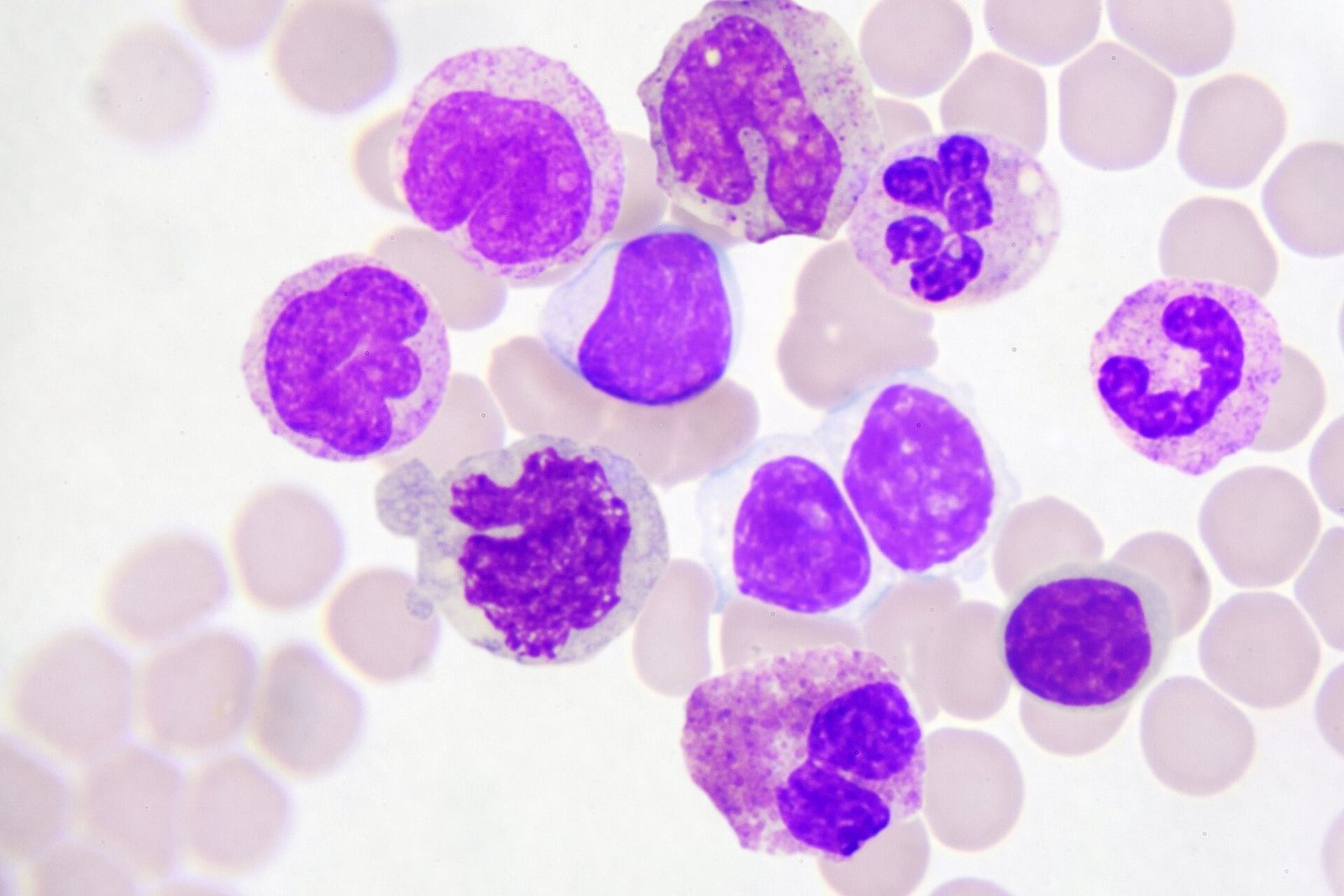
The White Blood Cells (WBCs) also known as Leucocytes are round nucleated cells in blood, that provide protection against foreign invaders. There are many types of White Blood cells found in blood, and identified as Granulocytes (Neutrophils, Eosinophils & Basophils) and Agranulocytes (Monocytes and Lymphocytes). The size of White Blood Cells can vary between 10 … Read more
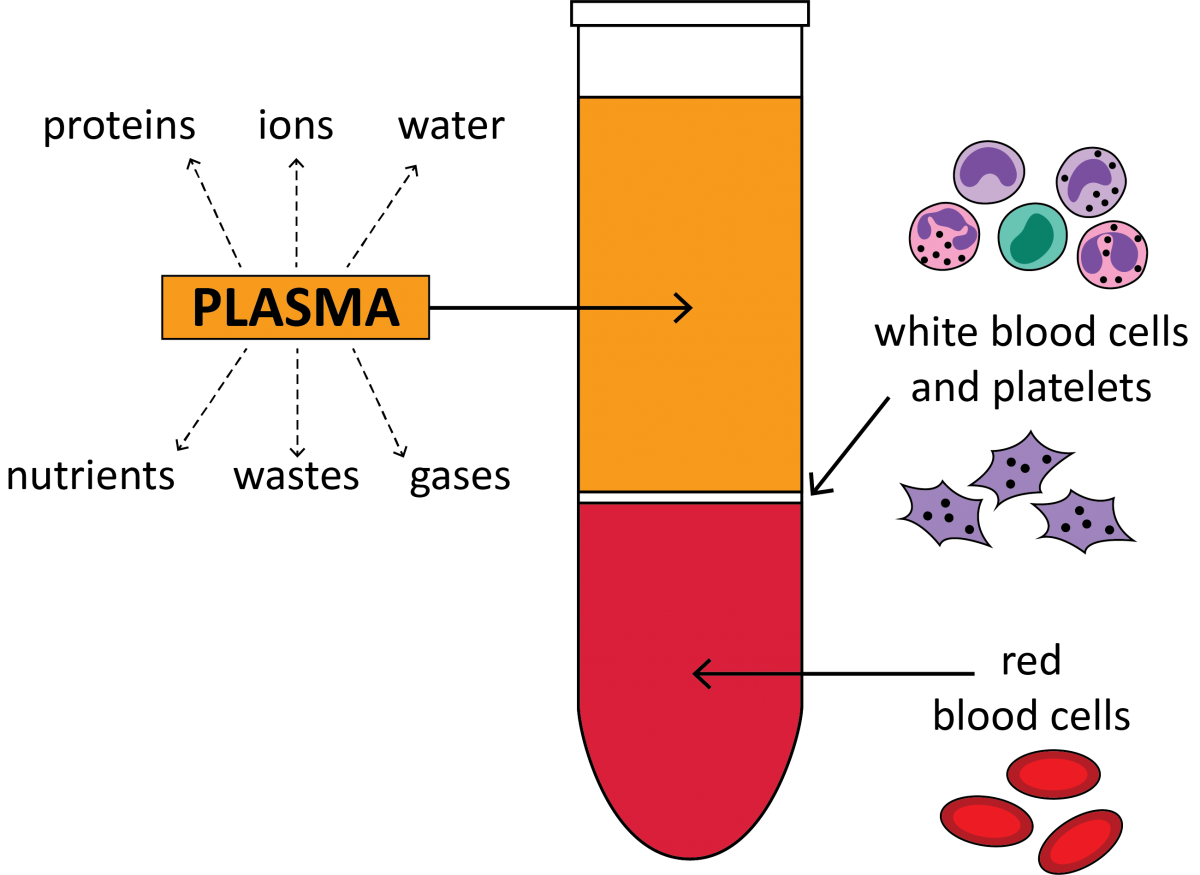
What are the components of blood? Blood is a fluid tissue that circulates throughout the body and performs a number of important functions. It is made up of several components, including cells and plasma. Cells: Plasma: Plasma is the liquid portion of the blood that carries the cells and other substances throughout the body. It … Read more
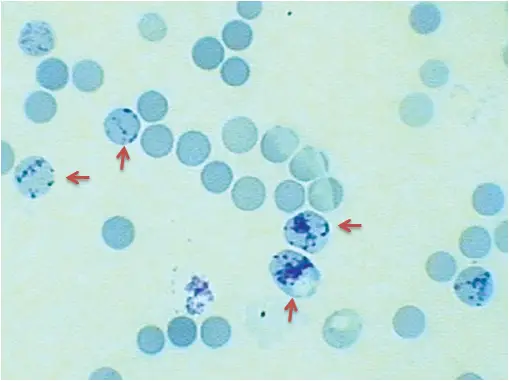
What is Reticulocytes? Reticulocytes are immature red blood cells (erythrocytes) that have not yet completed the final stages of maturation. They are usually produced in the bone marrow and have a characteristic reticulated (network-like) appearance when stained with special dyes. Reticulocytes are important in the evaluation of anemia, as they provide information about the bone … Read more