Sourav Pan is the founder and sole author of Biology Notes Online. He holds a Bachelor of Science (B.Sc.) degree and an M.Sc. in Microbiology from the University of Calcutta. He creates educational resources covering microbiology, immunology, biotechnology, genetics, cell biology, botany, zoology, and other life-science subjects.
His goal is to make complex biological concepts easier to understand through well-structured, student-friendly articles based on academic textbooks, peer-reviewed research, and authoritative scientific sources. In addition to writing new content, he regularly reviews and updates articles to improve their accuracy, clarity, and educational value.
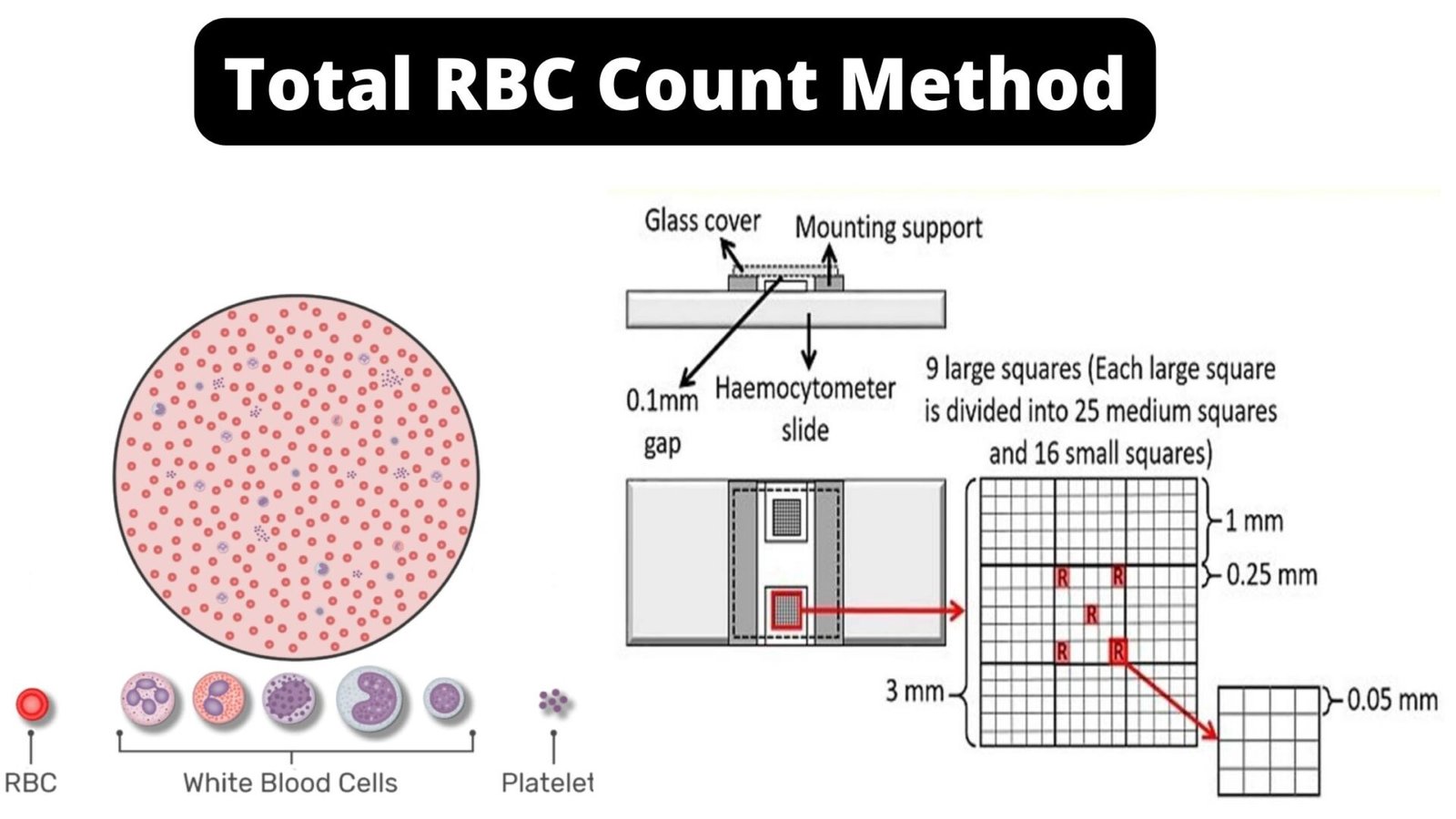
Haemocytometry is a quantitative method that quantifies the RBC count in blood samples. The manual method of counting RBCs is the Haemocytometer (or Neubauer’s chamber slides). Modern devices, such as photometric and electrometric counters, can be more precise or automated. They can count the cells in the blood sample. It is impossible to count the … Read more
Hemoglobin, often abbreviated as Hb, is a vital protein found in red blood cells (RBCs). Its primary role in the human body includes the transport of oxygen from the lungs to various tissues and the transfer of carbon dioxide from tissues back to the lungs. Additionally, hemoglobin plays a significant role in maintaining the pH … Read more
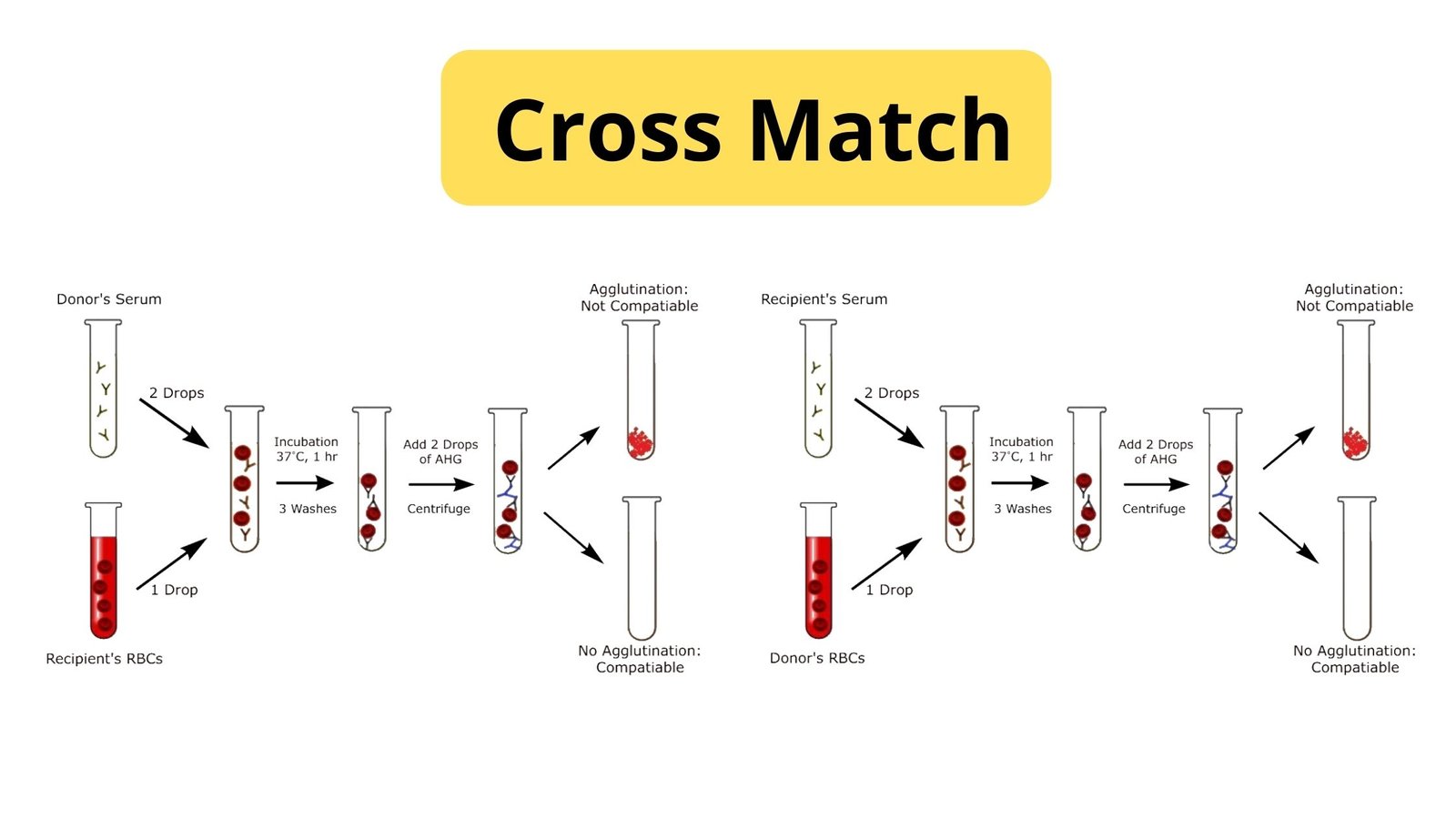
Cross Match is a laboratory test, performed prior to a blood transfusion to determine whether donor blood is compatible (or incompatible) with recipient blood.
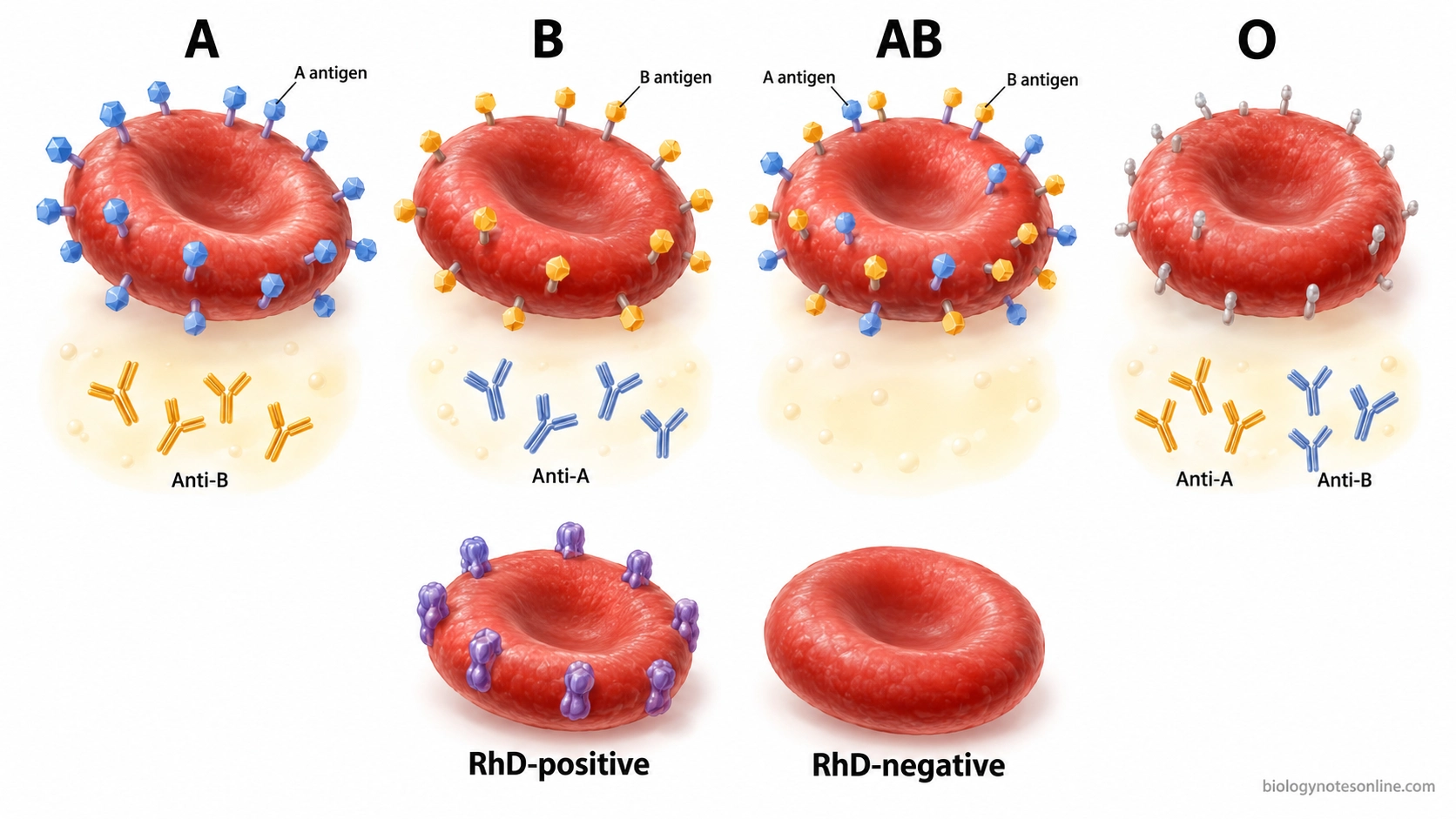
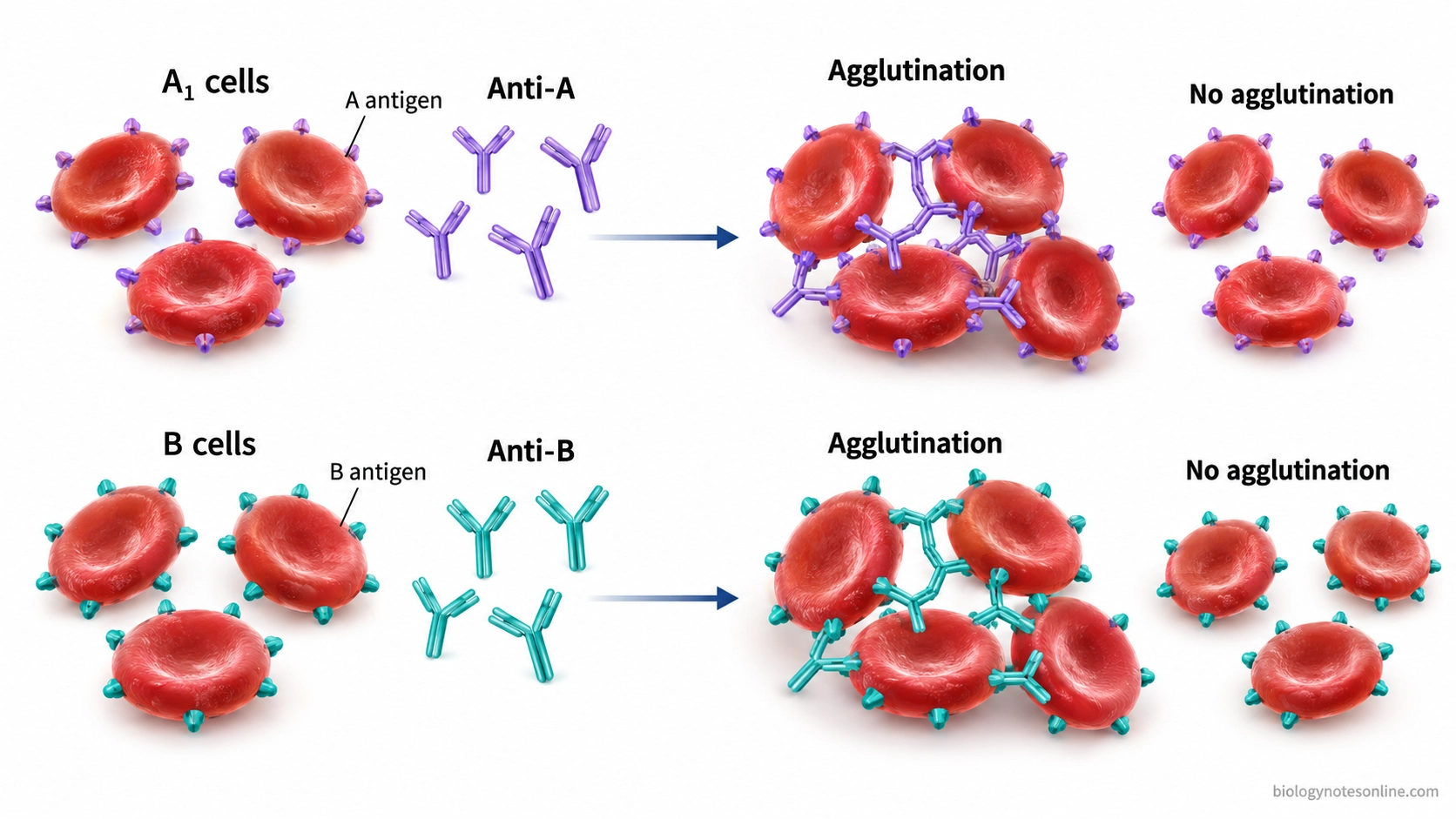
Blood Grouping Test explained with its principle, ABO and Rh typing, materials, slide and tube methods, procedure, observations and result interpretation.
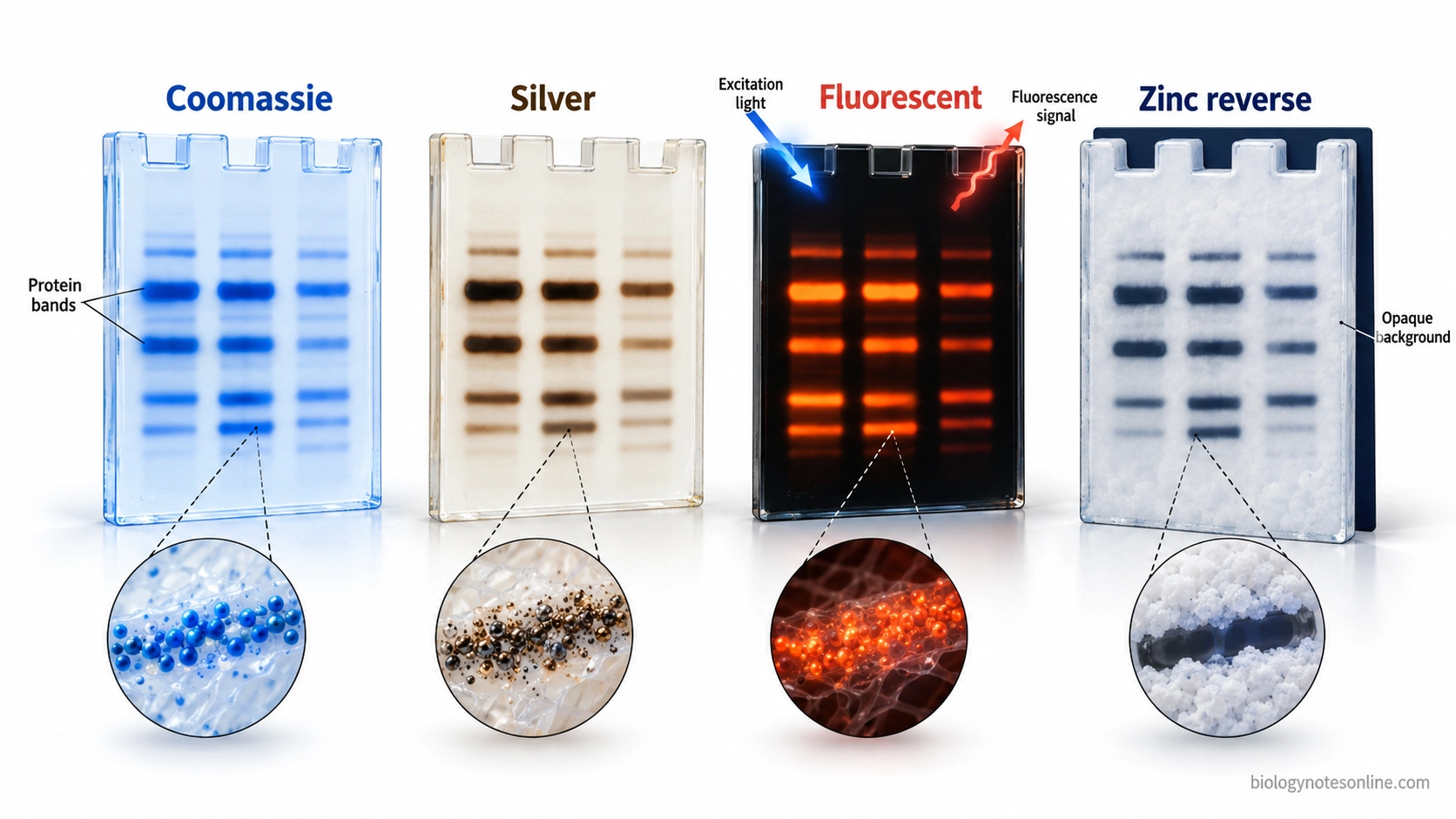
Explore protein gel staining methods, including Coomassie, silver and fluorescent stains, SDS-PAGE staining procedures, solutions, destaining and band analysis.
Micrometry explained with its principle, ocular and stage micrometers, calibration, formulas, practical procedure, calculations, and uses in microbiology.
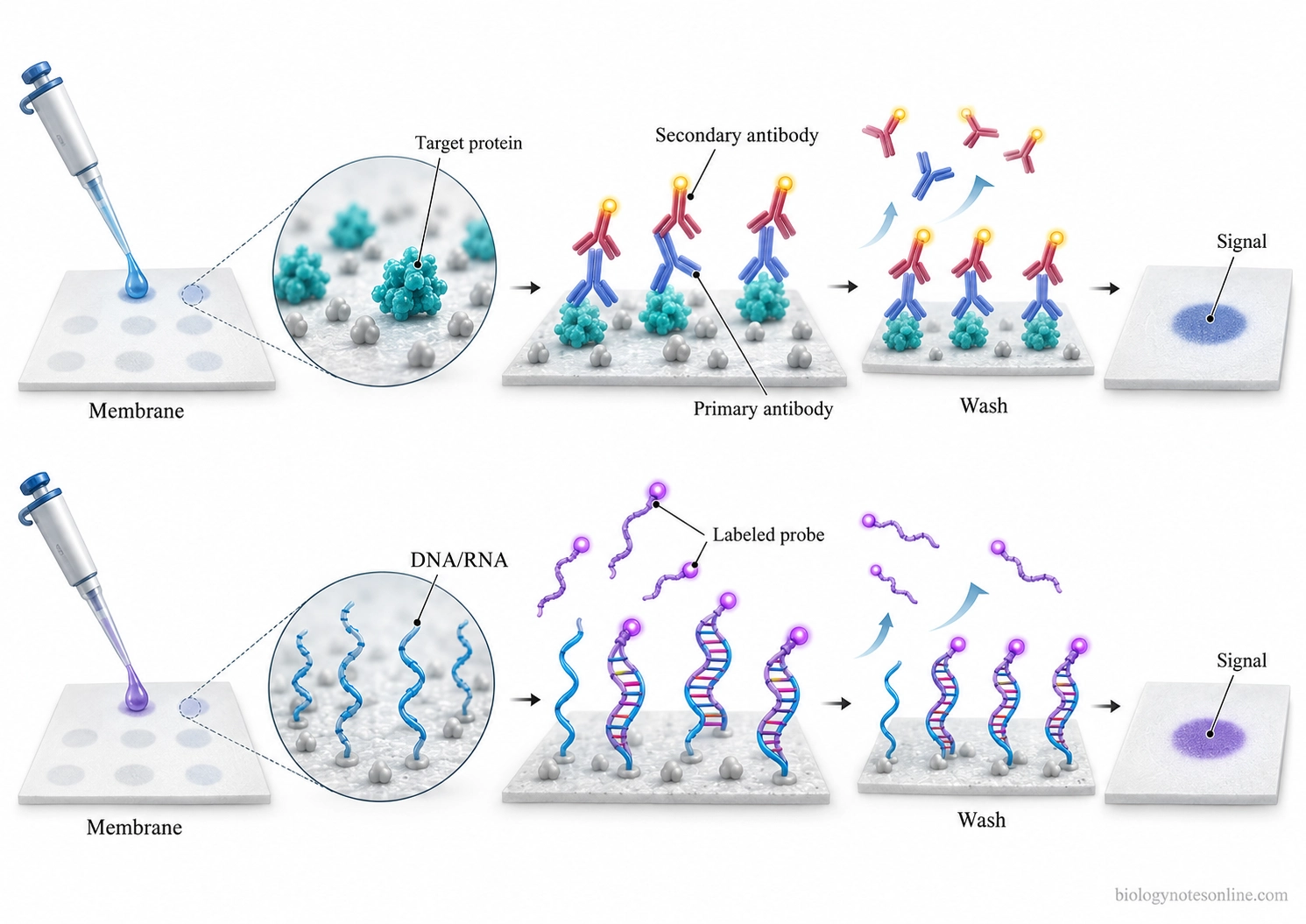
Dot blot technique detects specific proteins, DNA, or RNA on a membrane. Explore its principle, protocol, membranes, applications, and result interpretation.
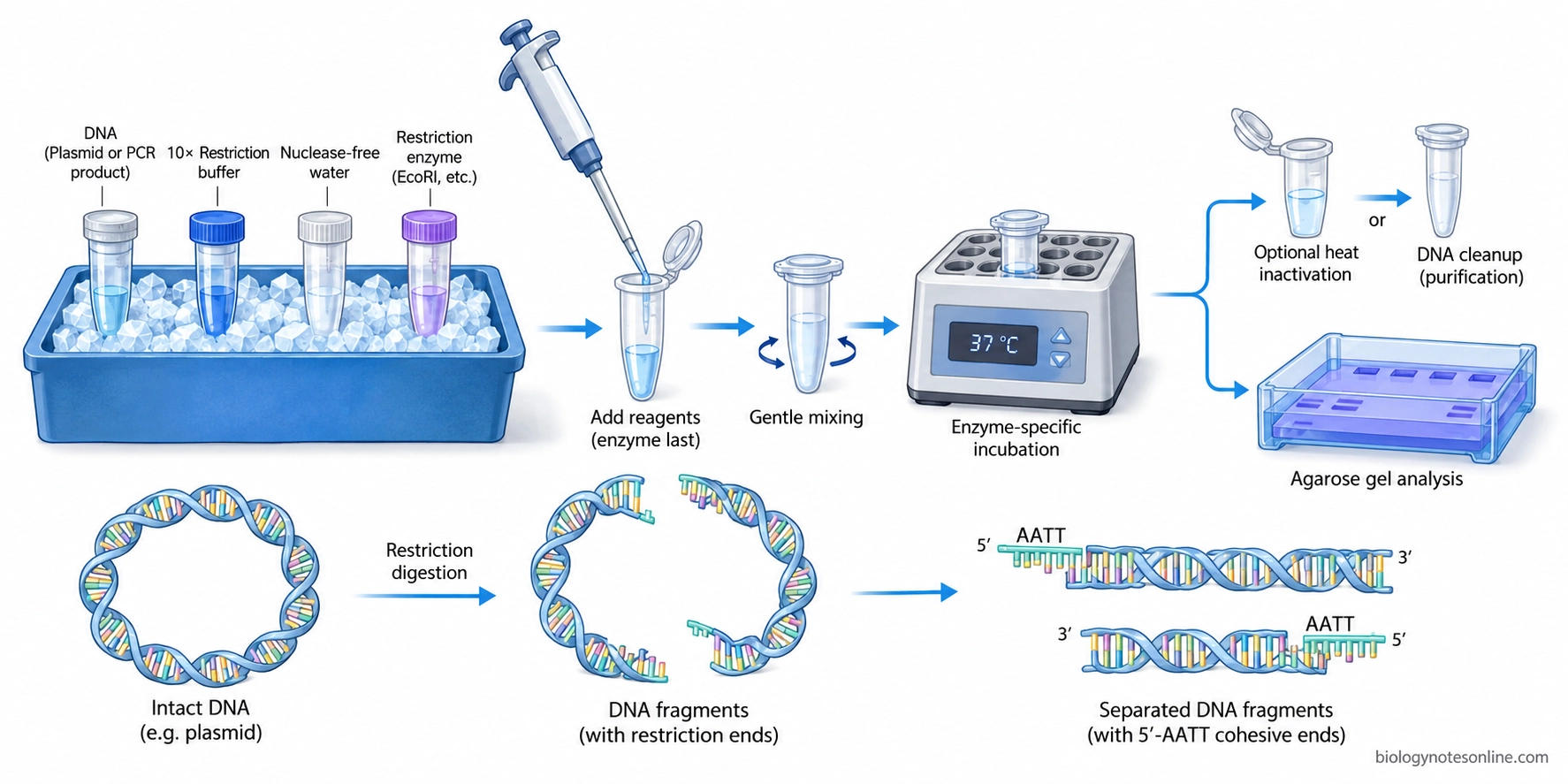
The restriction enzymes cleave the DNA molecule at a specific site or specific nucleotide sequence, is known as recognition sequences or Restriction sites.