Catalase Test – Principle, Procedure, Results and Uses

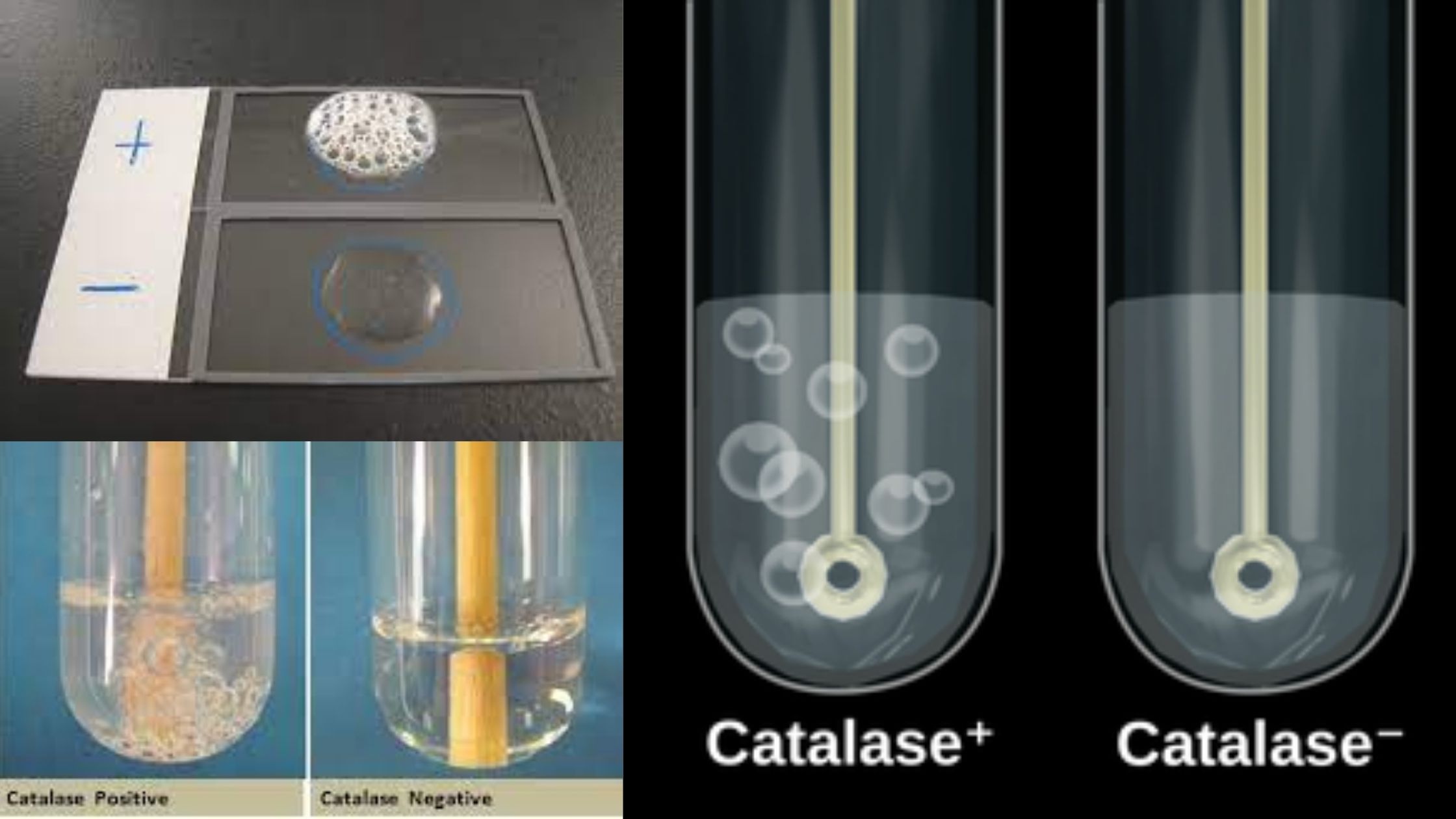
Catalase test in microbiology: explore its principle, hydrogen peroxide reaction, slide and tube procedures, positive and negative results, and identification uses.


Catalase test in microbiology: explore its principle, hydrogen peroxide reaction, slide and tube procedures, positive and negative results, and identification uses.
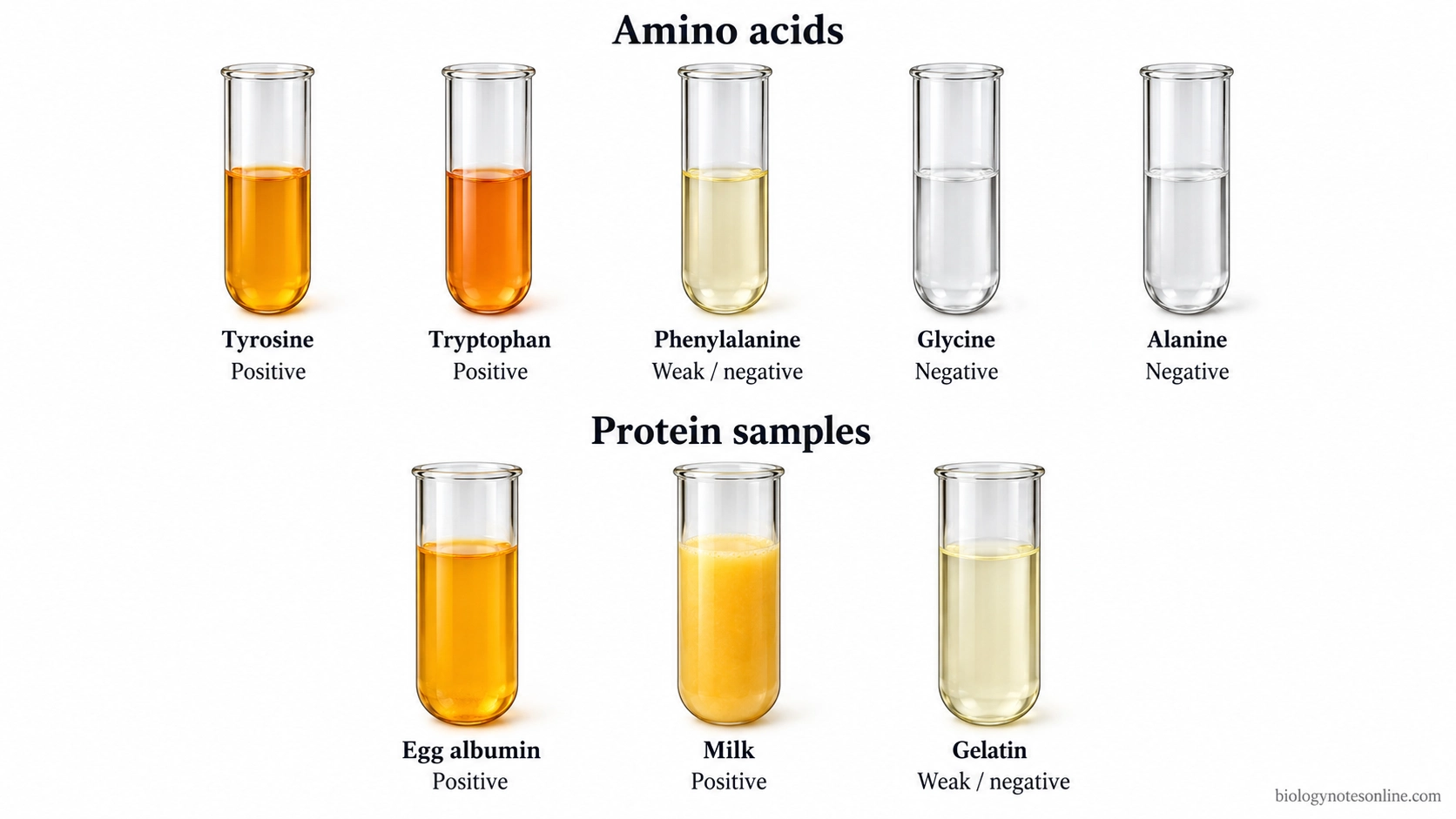
The xanthoproteic test detects reactive aromatic amino acid groups using nitric acid. Learn its principle, procedure, yellow-to-orange result, and limitations.
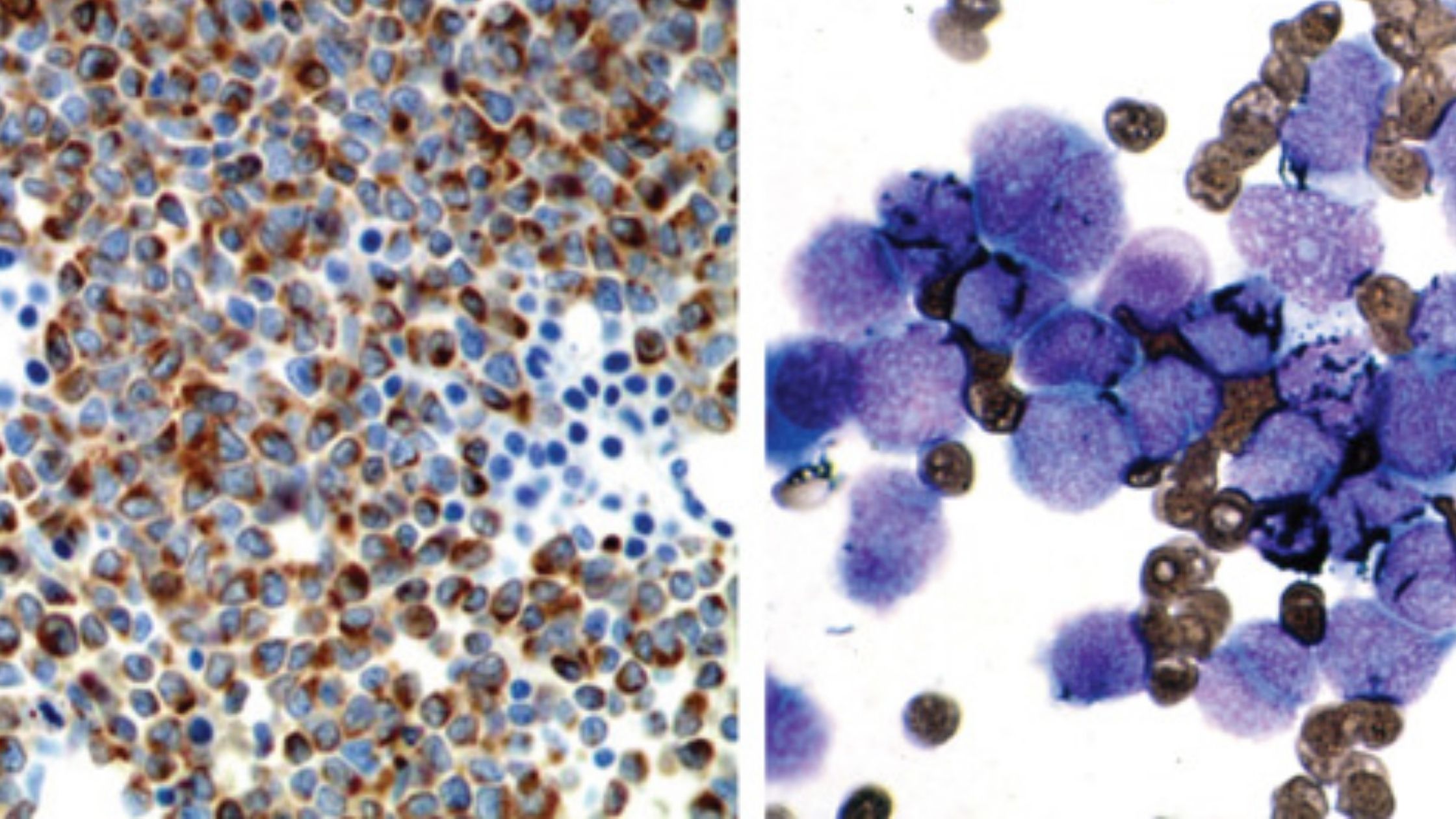
Myeloperoxidase is a lysosomal enzyme that can be found in the azurophil granules of neutrophils and monocytes.
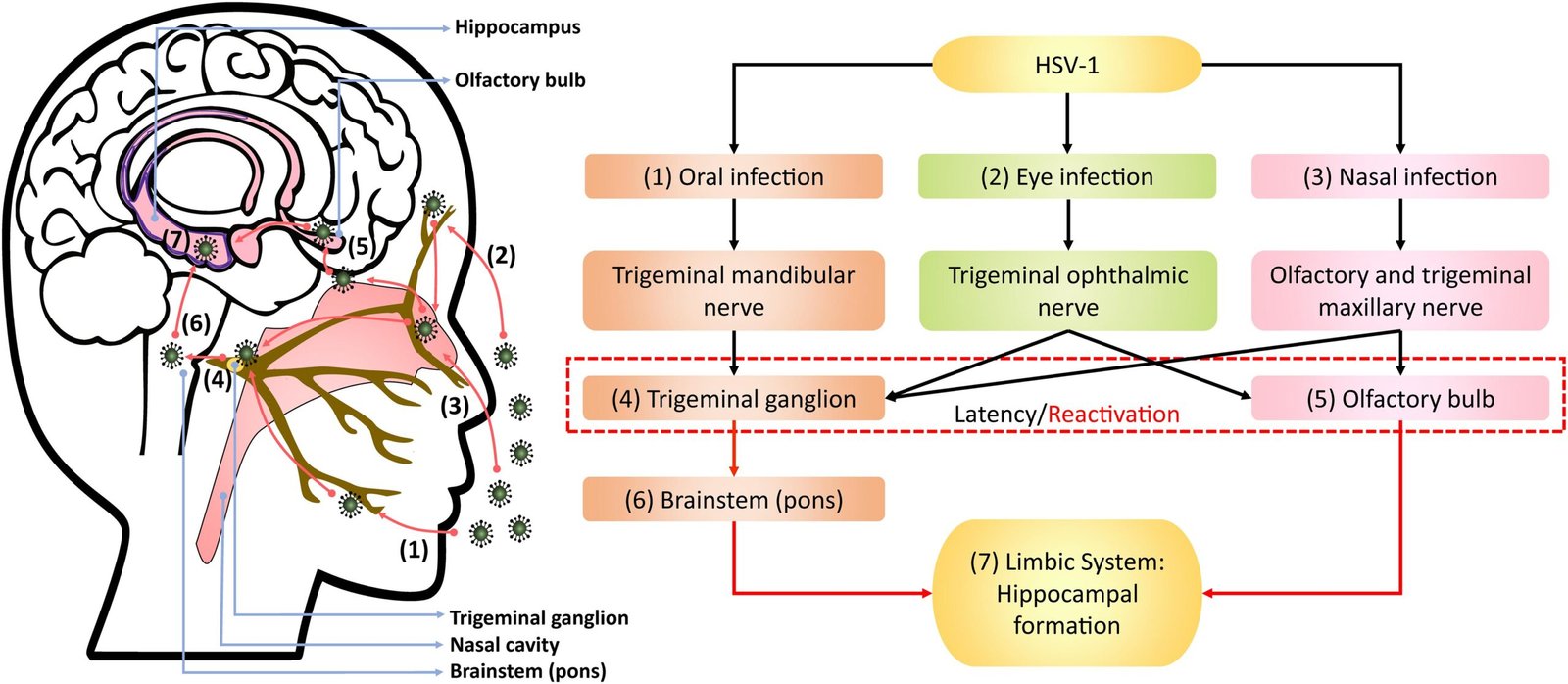
Herpes simplex viruses (HSVs) are highly host-adapted viruses that can cause a variety of diseases in human hosts. (a) herpes simplex virus type 1 (HSV-1) and (b) herpes simplex virus type 2 (HSV-2) are the two forms of HSVs (HSV-2). Both types share DNA homology, antigenic determinants, tissue tropism, and illness symptoms, but their epidemiology … Read more
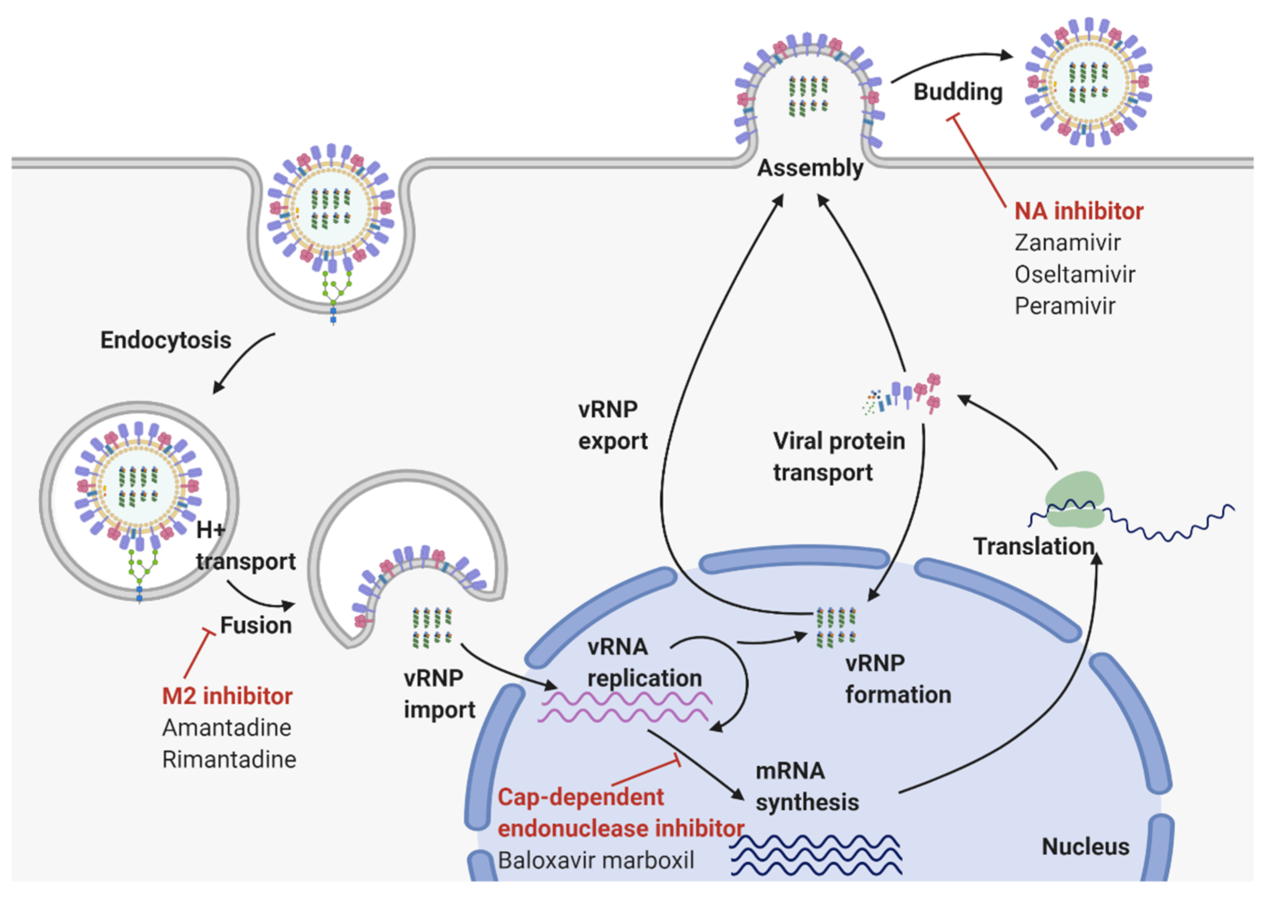
What is Influenza Virus? Classification of Influenza Virus Influenza viruses are often classified into three species: influenza A, influenza B, and influenza C. Only types A and B are relevant to human health. Despite the fact that both viruses are capable of infecting humans, genus A often causes widespread disease and epidemics. Influenza A Virus … Read more

Polio Virus Structure of Polio Virus In summary, the poliovirus is a small, simple virus that contains a naked RNA genome enclosed in a protein shell. The capsid is composed of four structural proteins that form the basic building blocks of the capsid. The virus does not have a lipid envelope and is insensitive to … Read more
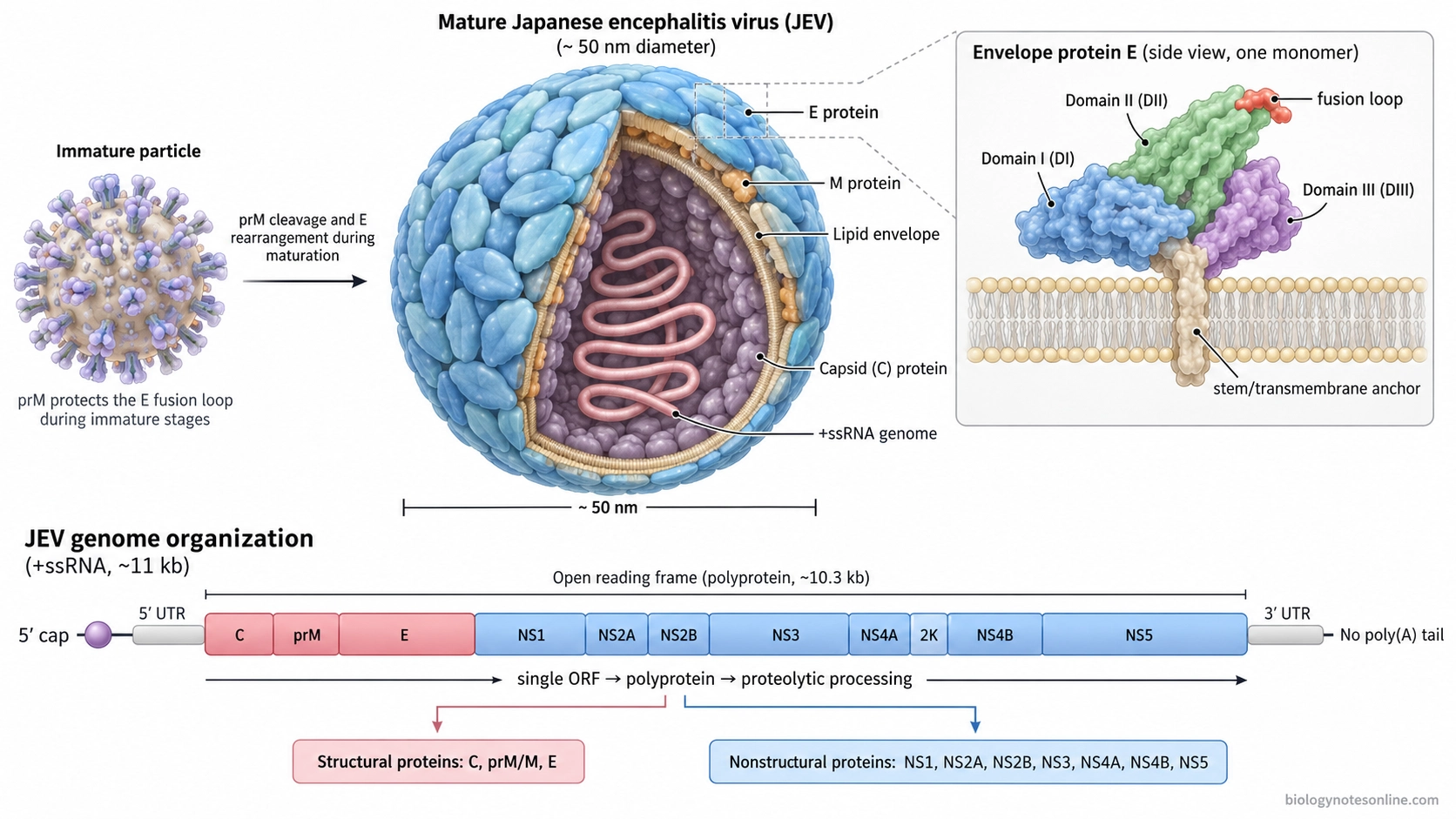
Learn what Japanese encephalitis virus (JEV) is, its structure and replication, how mosquitoes transmit it, and how JE is diagnosed, treated, and prevented.

Varicella zoster virus Varicella, also known as chickenpox, is an infectious disease caused by the varicella-zoster virus (VZV). The virus causes chickenpox (typically primary infection in non-immune hosts) and herpes zoster or shingles (after reactivation of latent infection). Chickenpox causes a rash consisting of small, itchy lesions that scab over. It begins on the chest, … Read more
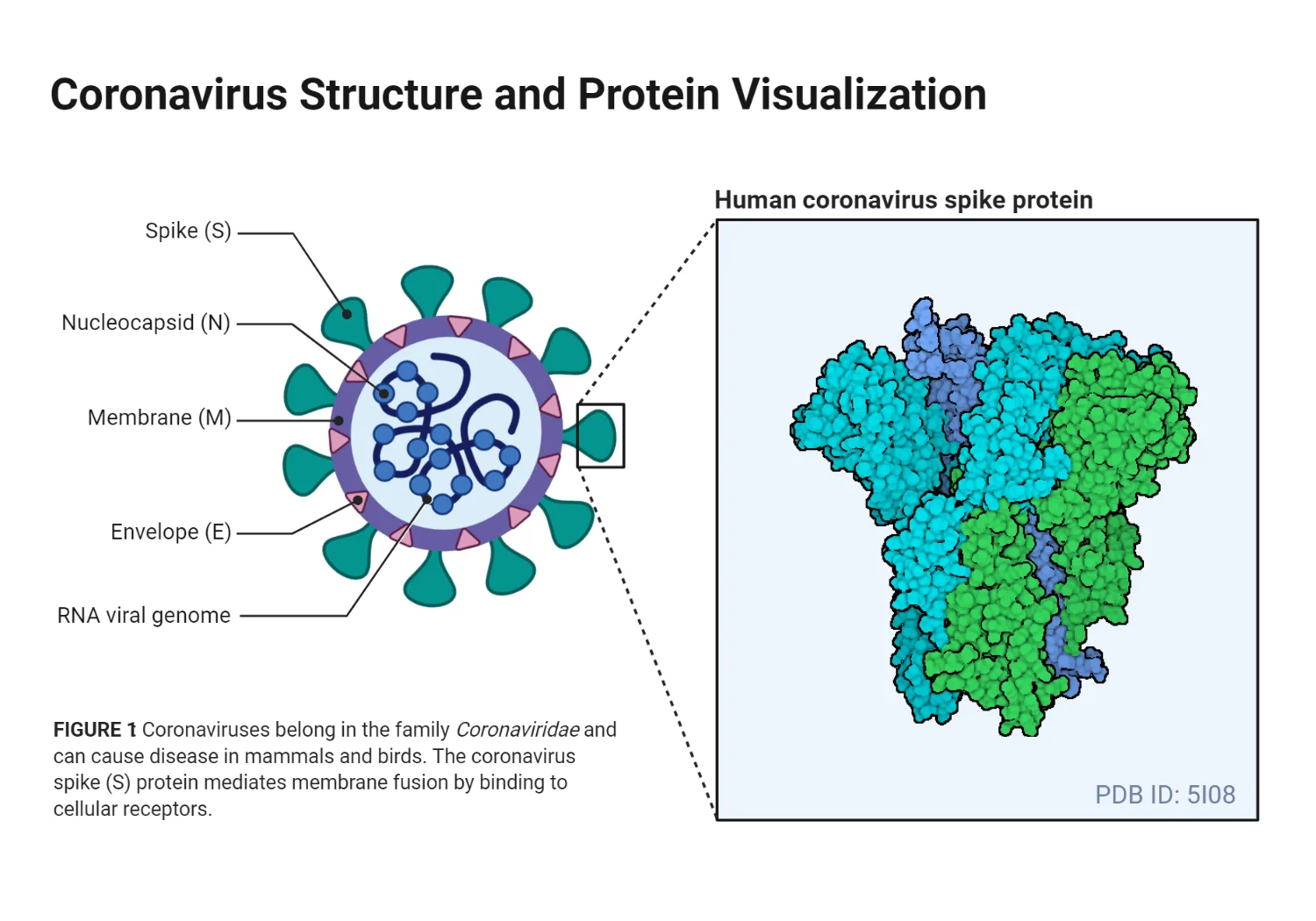
Coronavirus Characteristics of COVID-19 Structure of Coronavirus Genome of Coronavirus Epidemiology of Coronavirus The novel coronavirus SARS-CoV-2 is the cause of the 2019 coronavirus disease (COVID-19). The virus was identified for the first time in December 2019 in Wuhan, China, and has since spread worldwide, resulting in a pandemic. Here are some essential aspects of the epidemiology of COVID-19: Replication of Coronavirus … Read more

What are foodborne viruses? Foodborne viruses are those that can be contracted by eating or drinking contaminated food or water. They can withstand extremes in temperature and humidity as well as hostile conditions like low pH (acidity). Because of this, they can survive infectively in food and water for much over a month. These viruses … Read more