Sourav Pan is the founder and sole author of Biology Notes Online. He holds a Bachelor of Science (B.Sc.) degree and an M.Sc. in Microbiology from the University of Calcutta. He creates educational resources covering microbiology, immunology, biotechnology, genetics, cell biology, botany, zoology, and other life-science subjects.
His goal is to make complex biological concepts easier to understand through well-structured, student-friendly articles based on academic textbooks, peer-reviewed research, and authoritative scientific sources. In addition to writing new content, he regularly reviews and updates articles to improve their accuracy, clarity, and educational value.
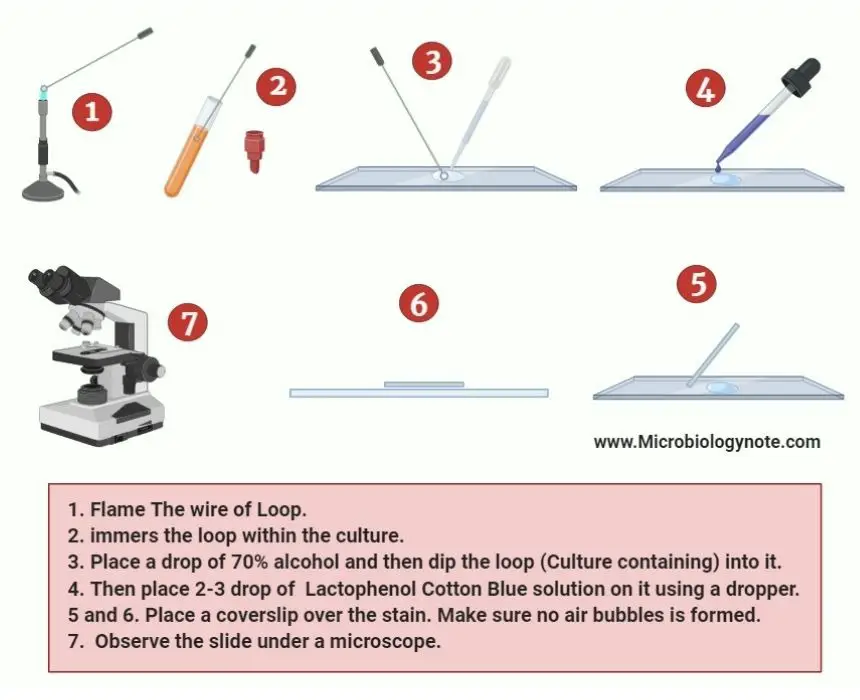
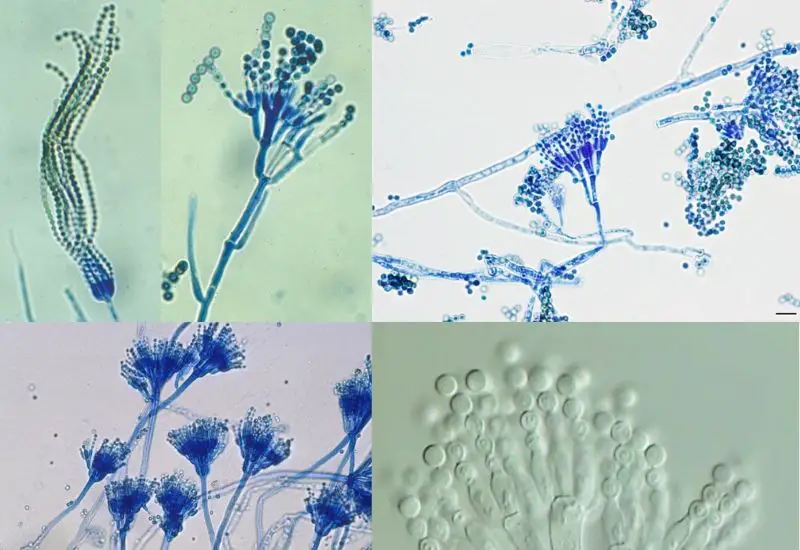
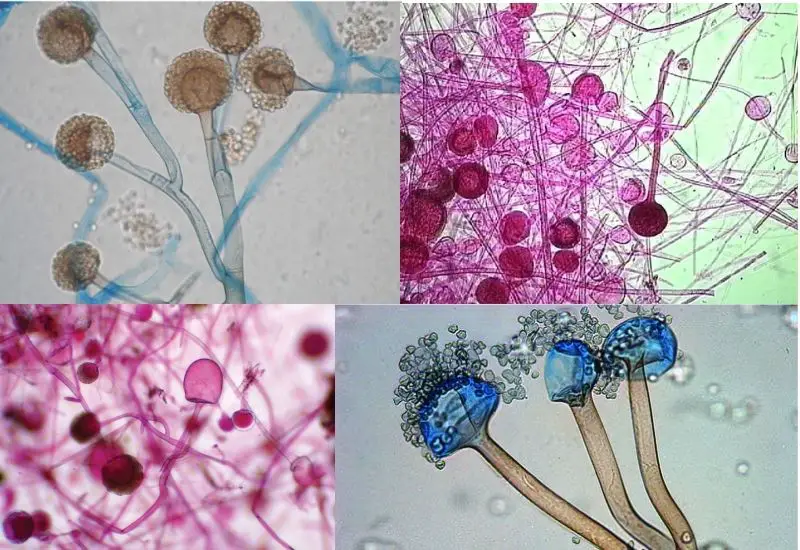
The Lactophenol Cotton Blue solution stains the chitinous cell wall of the fungal cell, which makes them different from the surrounding environments and can easily distinguishable. LCB is made of three main components such as Phenol, Lactic acid, and Cotton blue.
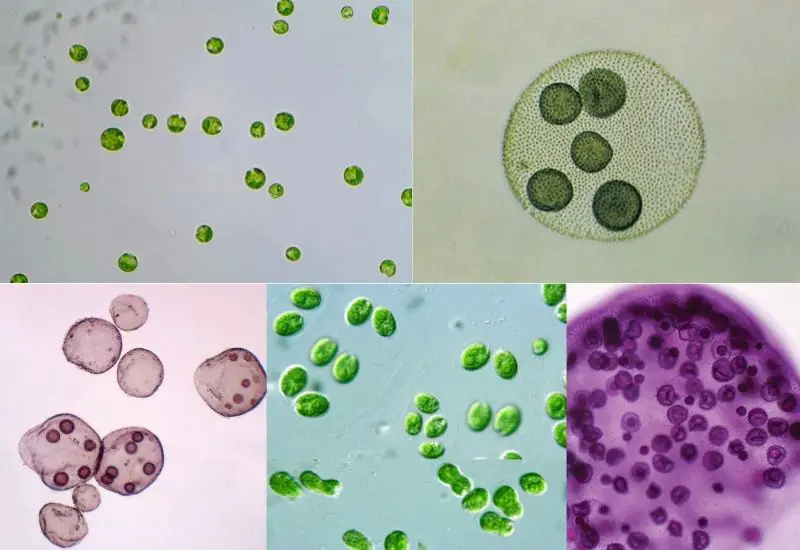
Chlamydomonas are single-celled green flagellates while Volvox is a part of colonial phytoflagellate that develops a hollow spheroid with several thousand cells enclosed in its mucilaginous wall.
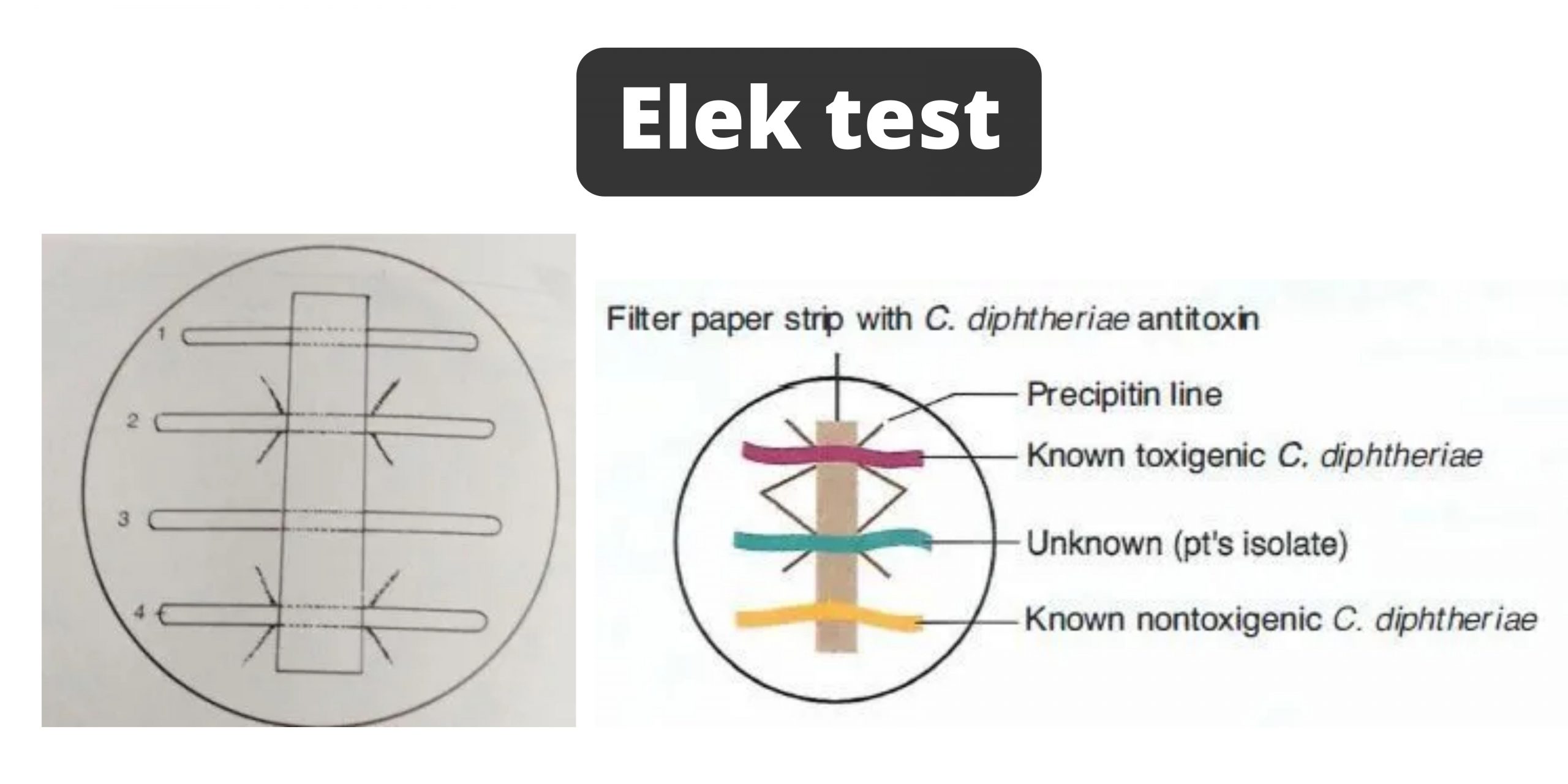
can be described as an test of immunoprecipitation (immunodiffusion) test that determines what specific strain of Corynebacterium Diphtheriae is toxic.
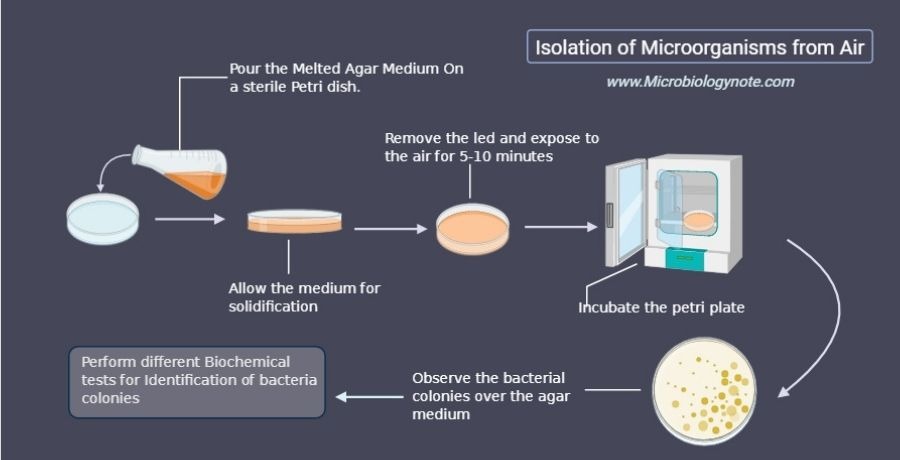
The microbial content of the outer atmosphere is changing with the season, it contains various pollen, algae, mosses, grains, spores of fungi, ferns, bacteria, and viruses.
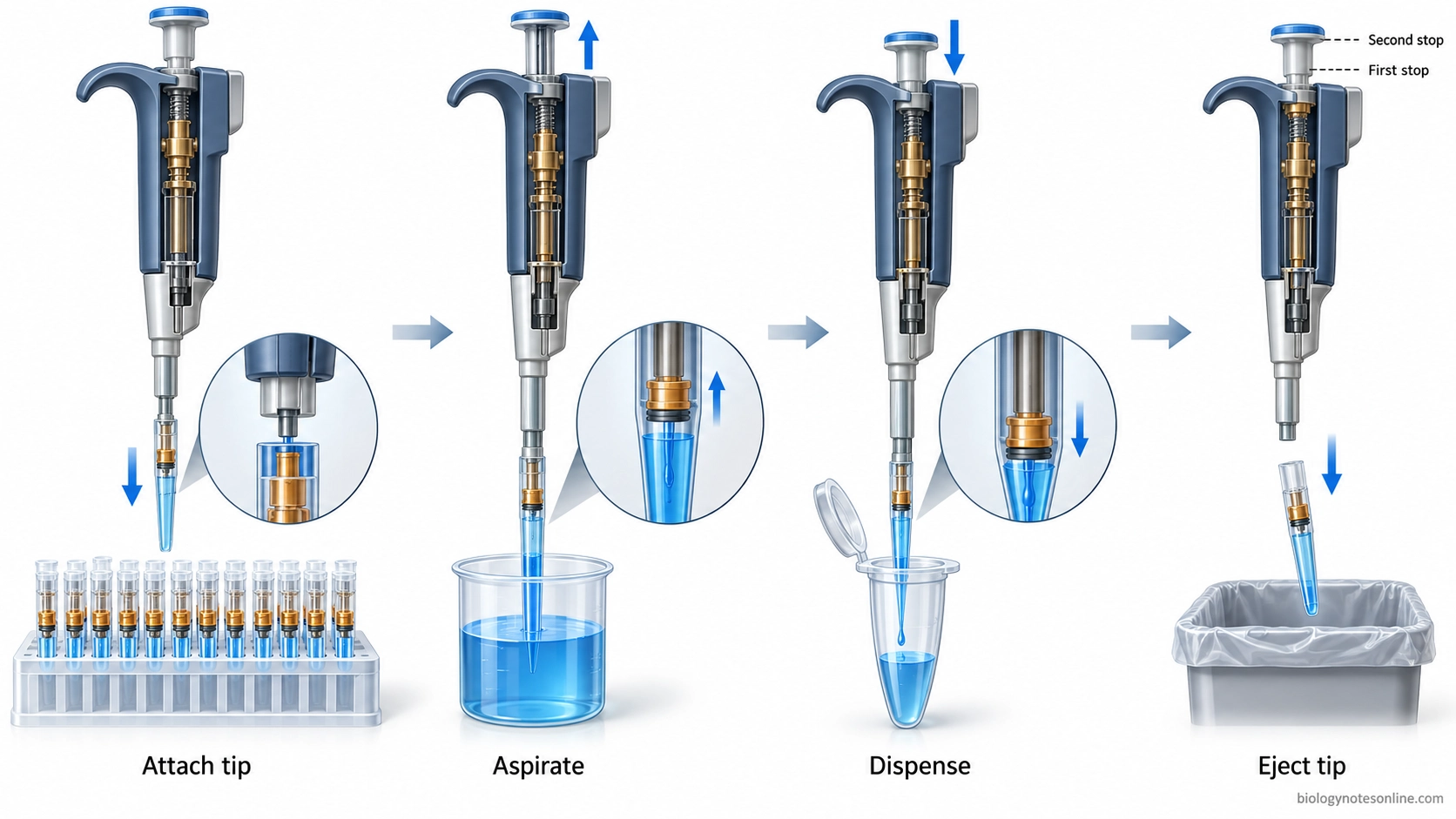
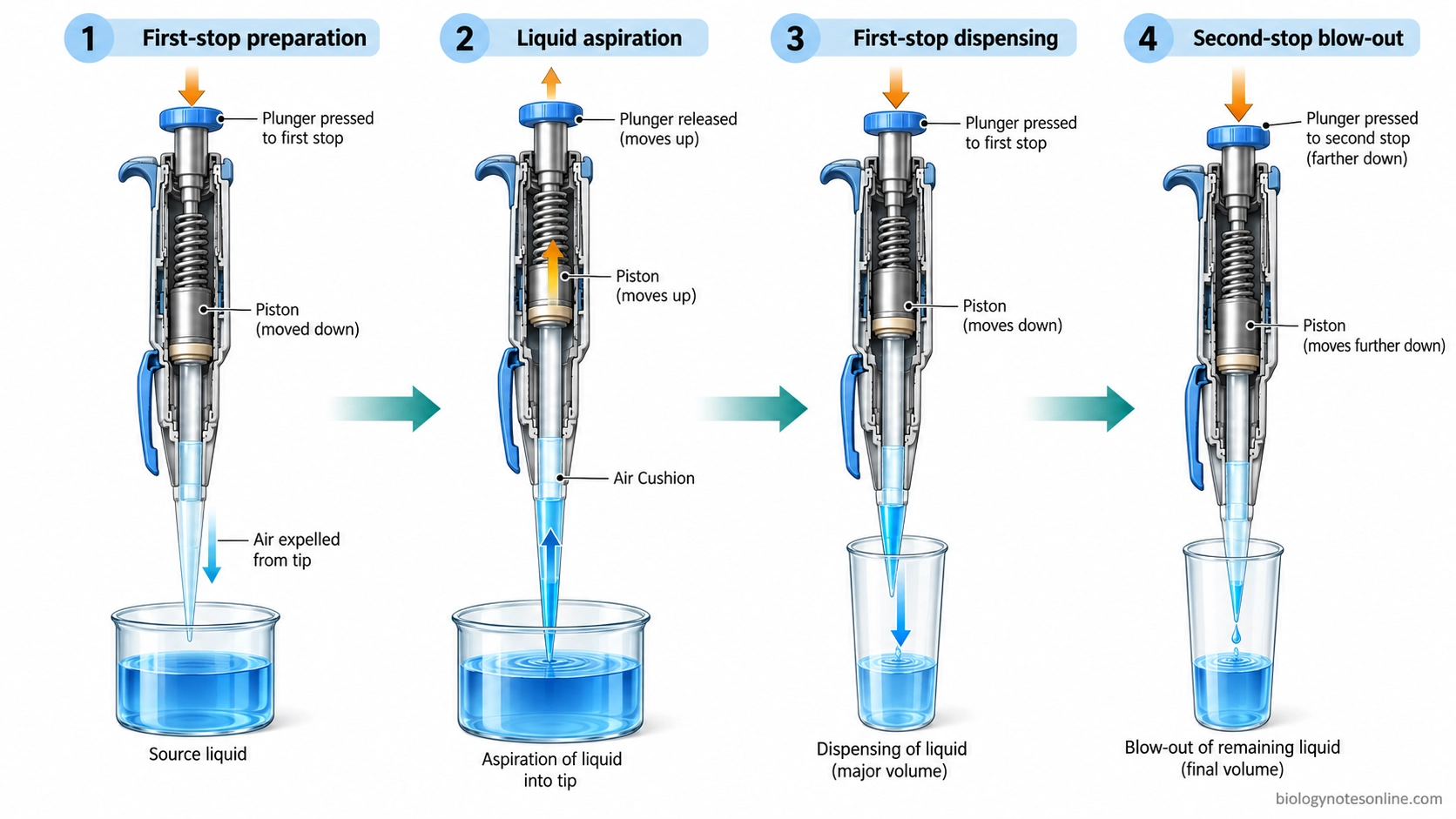
Pipetting explained: explore its purpose, principle, forward and reverse techniques, step-by-step method, accuracy tips, common errors, and lab safety.
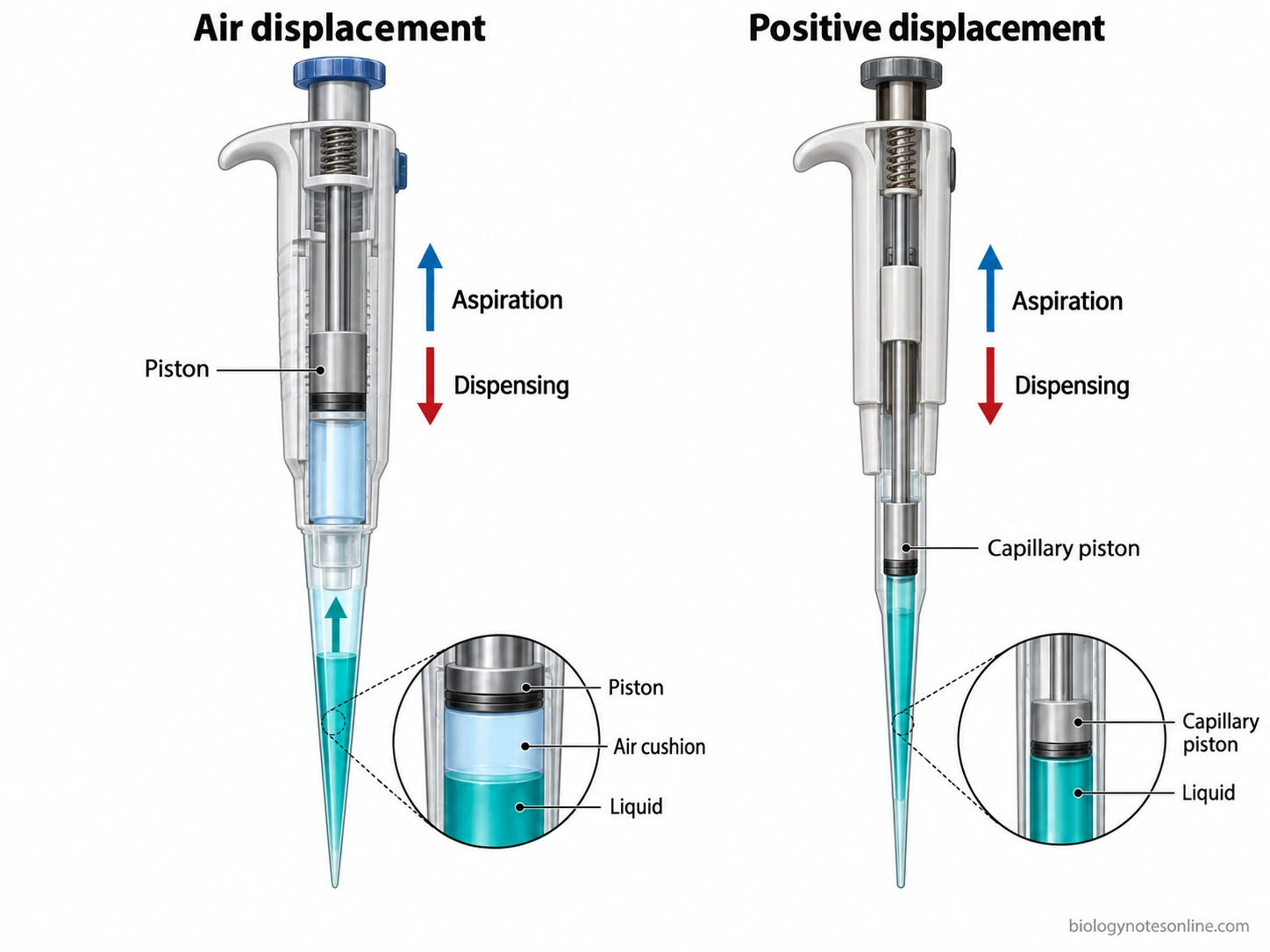
Understand the positive displacement pipette, including its parts, working principle, proper use, applications, and differences from air displacement pipettes.
Air displacement pipetting: working principle, pipette parts, correct technique, accuracy factors, laboratory uses, and comparison with positive displacement.
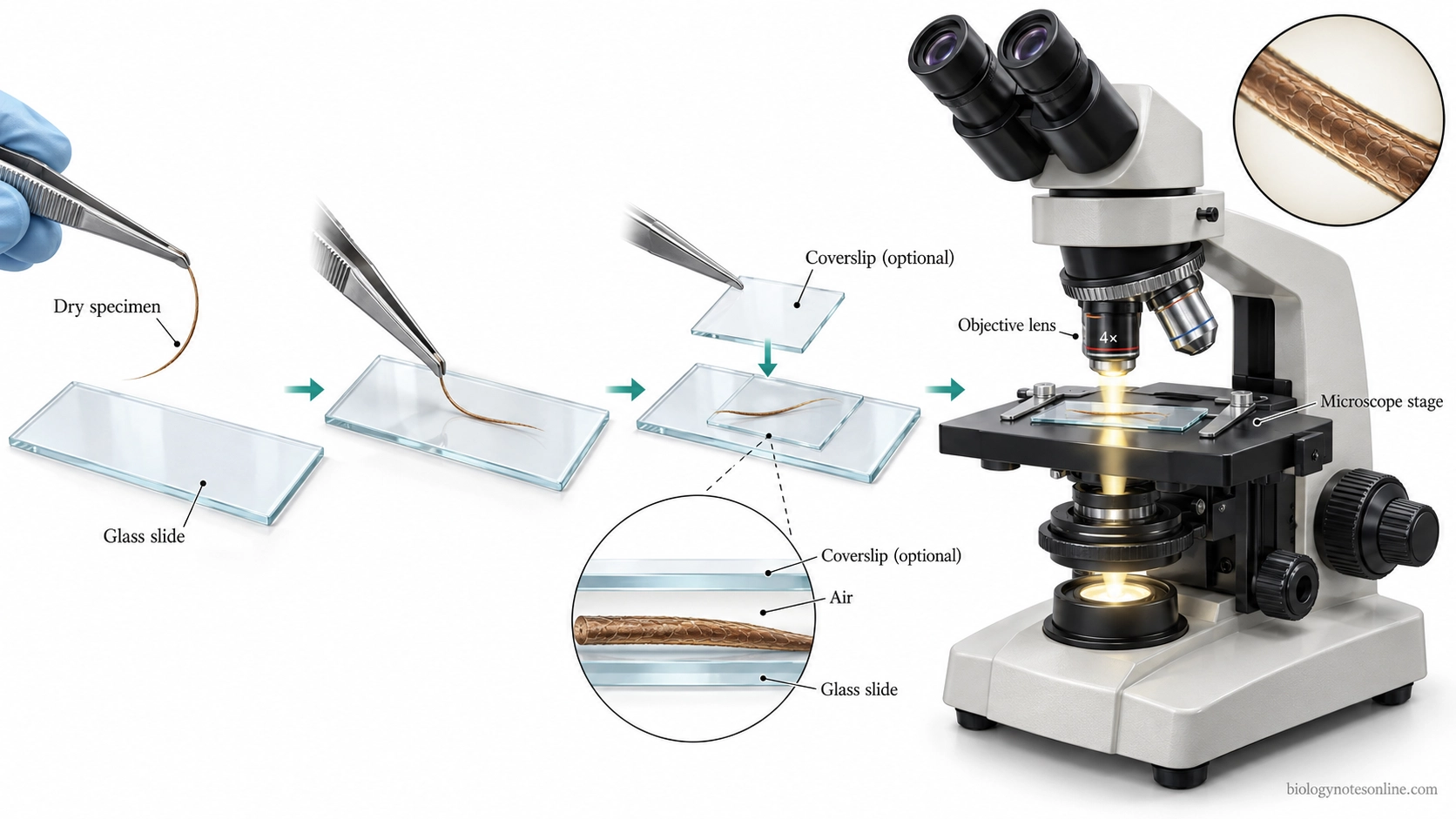
Dry mount slide preparation explained with required materials, step-by-step procedure, suitable specimens, precautions, and differences from wet mounts.