Sourav Pan is the founder and sole author of Biology Notes Online. He holds a Bachelor of Science (B.Sc.) degree and an M.Sc. in Microbiology from the University of Calcutta. He creates educational resources covering microbiology, immunology, biotechnology, genetics, cell biology, botany, zoology, and other life-science subjects.
His goal is to make complex biological concepts easier to understand through well-structured, student-friendly articles based on academic textbooks, peer-reviewed research, and authoritative scientific sources. In addition to writing new content, he regularly reviews and updates articles to improve their accuracy, clarity, and educational value.
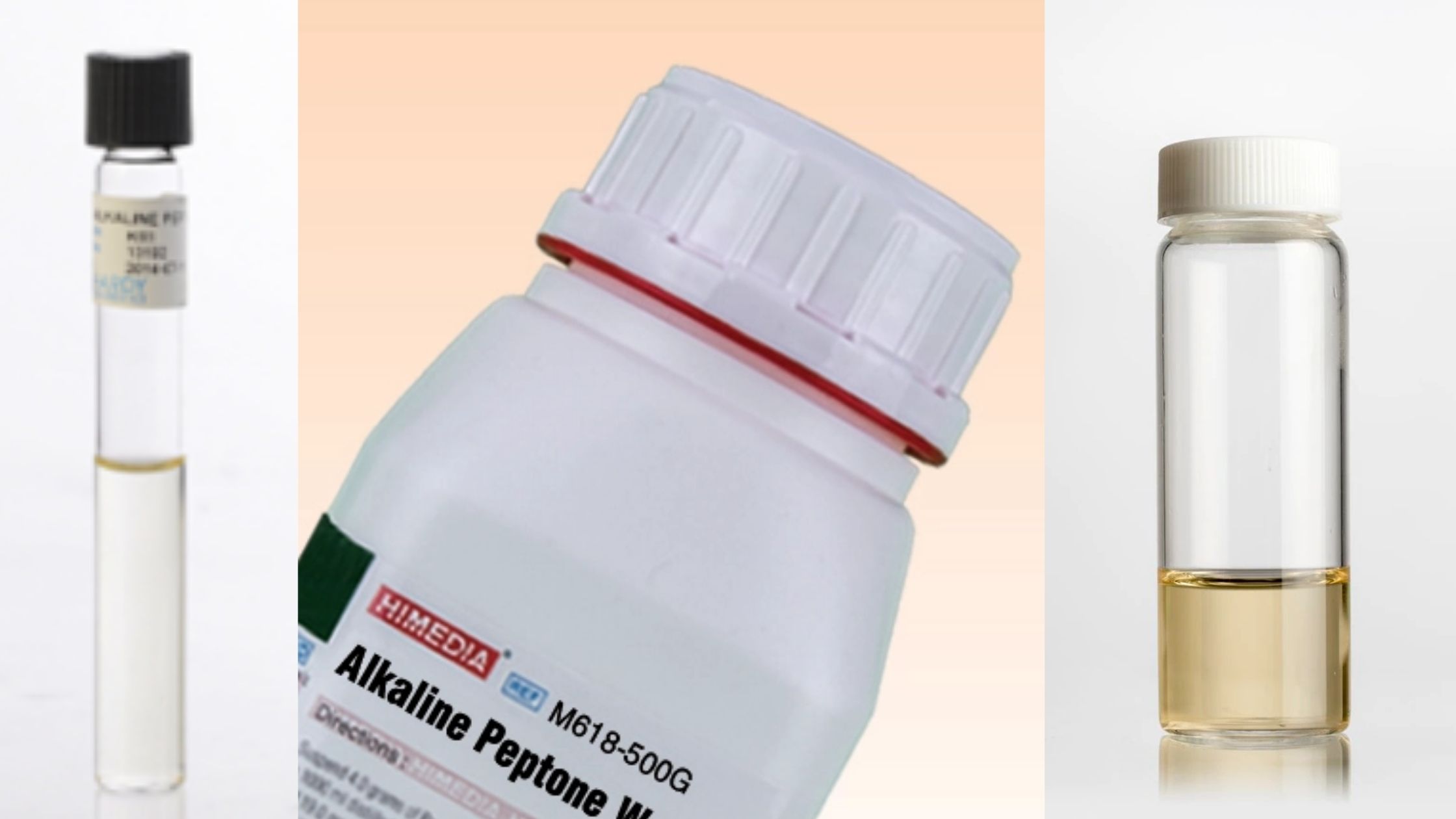
Clinical materials containing small numbers of Vibrio should be inoculated into an enrichment medium prior to plating onto a selective medium, such as TCBS Agar (M189). Alkaline Peptone Water is a suitable enrichment broth for this purpose.
Sheep blood agar The principle of sheep blood agar Haemolysins are exotoxins created by bacteria that kill Red blood cell clots. The haemolytic process can be observed on blood Agar Plates. In blood agar plates, colonies of haemolytic bacterium may be covered by a the clear, uncoloured zone, in which the Red blood cells are … Read more
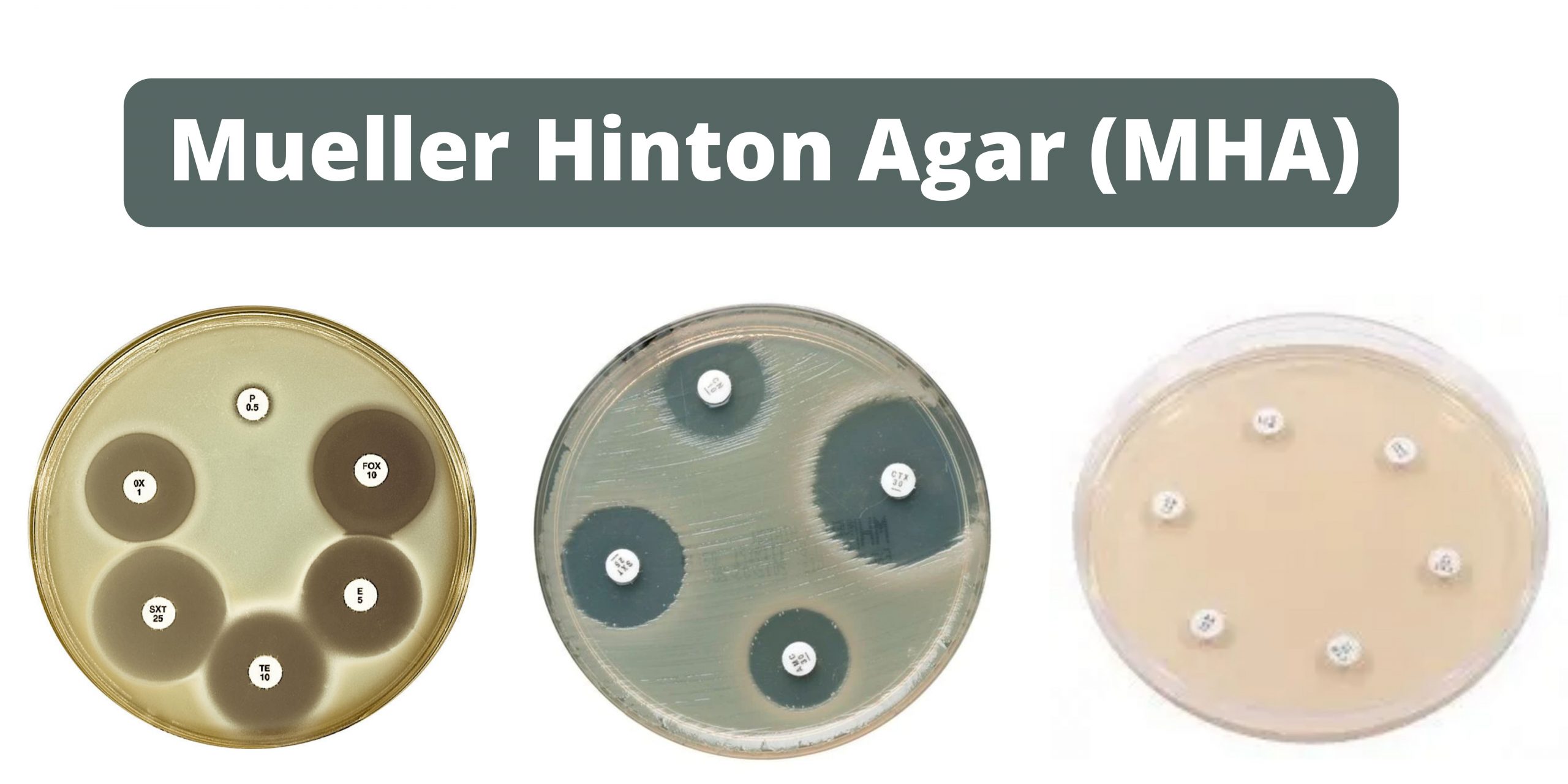
What is Mueller Hinton Agar (MHA)? Why MHA is used for antibiotic susceptibility testing (AST)? Mueller Hinton Agar (MHA) is commonly used for antibiotic susceptibility testing due to several key reasons: Mueller Hinton Agar (MHA) Principle The principle of Mueller Hinton Agar (MHA) revolves around its composition and the controlled levels of various components to … Read more
Salmonella Shigella (SS) Agar can be moderately specific and a differing medium used for the cultivation, isolation as well as differentiation Salmonella spp. and a few varieties that belong to Shigella spp.
Stokes disc diffusion method isn’t as well-standardized as Kirby-Bauer’s method and is utilized in labs especially where the exact amount of antimicrobial present in discs isn’t known because of the difficulty in getting discs and correctly storing them or when other requirements needed for the Kirby-Bauer method cannot be fulfilled.
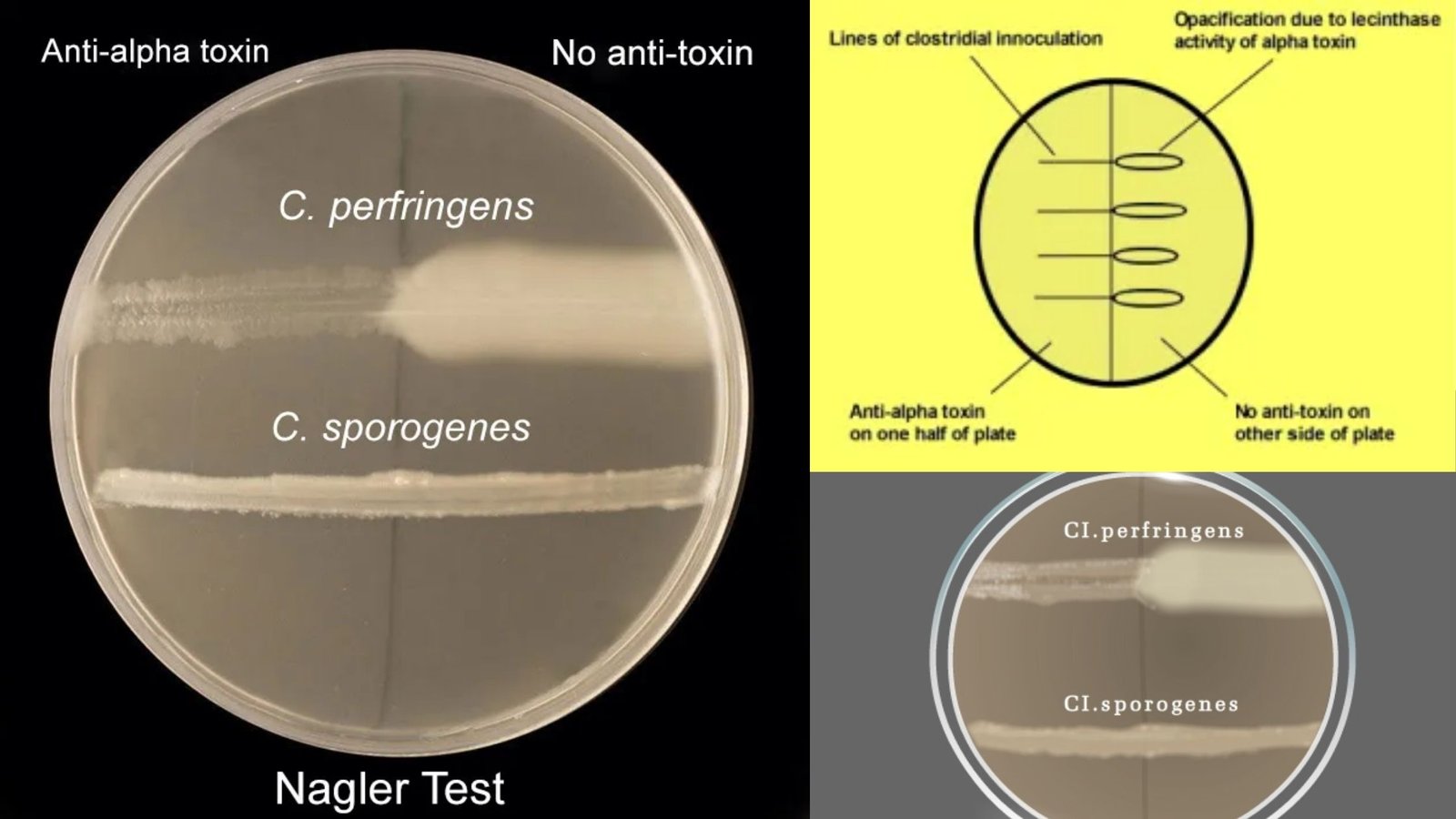
Nagler’s Reaction or Lecithinase test is a test in biochemistry used to detect organisms that produce the phospholipases (lecithinases) e.g. Clostridium perfringens. Its alpha (a) toxin from C. perfringens exhibits the phospholipase enzyme activity, which aids in the distinction between C. perfringens and the other Clostridium species that generate the enzyme lecithinase (C.baratti, C.absonum, C.bifermantans, C.sordelli, and C.novyi) through neutralization of lecithin C activity with an antitoxin.
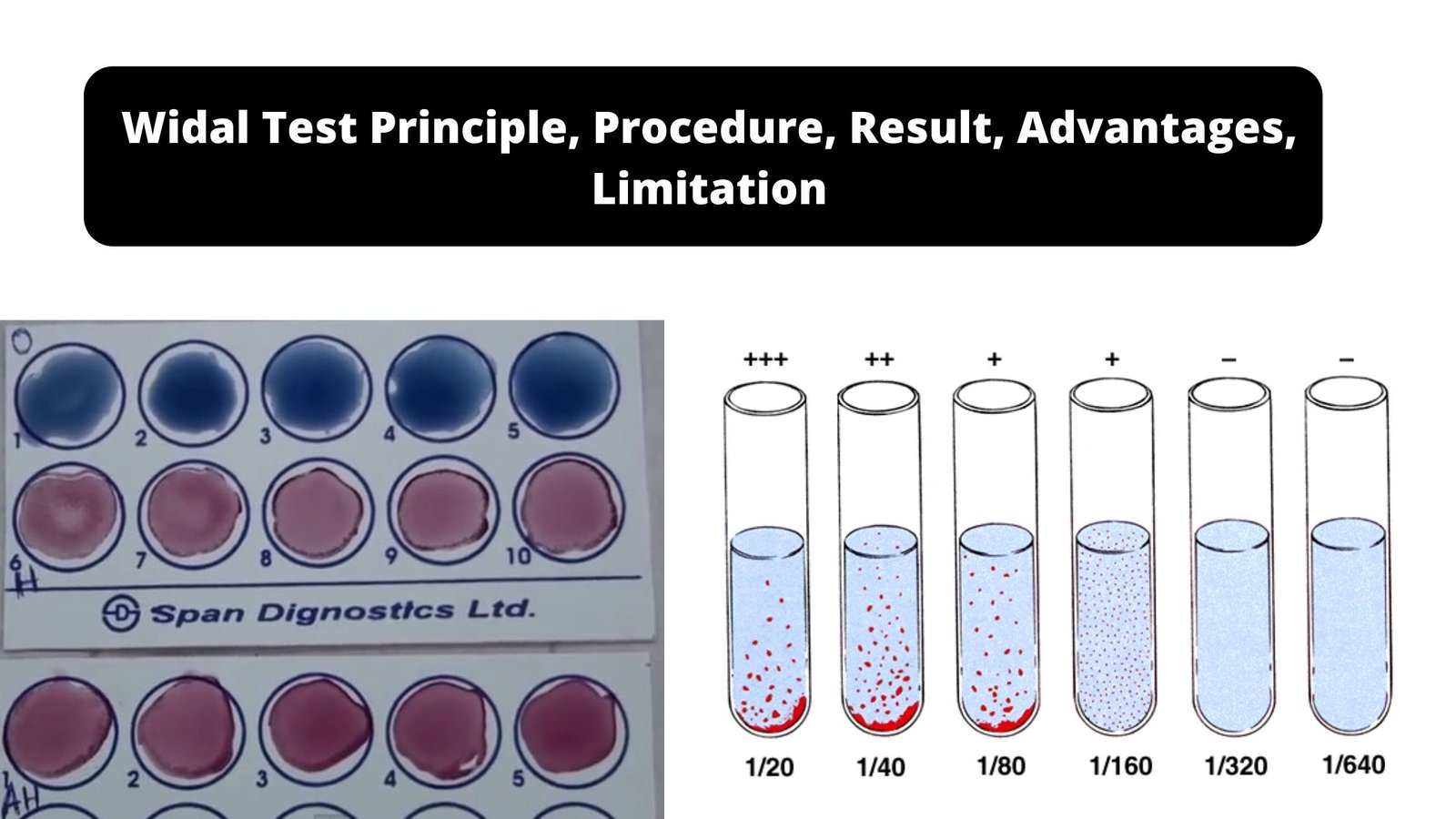
The Widal test is an agglutination test that determines any antibodies present in the patient’s serum that are generated against the causal agents of the enteric febrile illness (Salmonella Typhi, and Salmonella paratyphi B, A as well as C).
Erythrocyte Sedimentation Rate (ESR) can be described as a commonly used test used to detect non-specific signs of inflammation result of infection cancers, or certain autoimmune disorders. It is defined as the rate that Red Blood Cells (RBCs) accumulate over an hour.
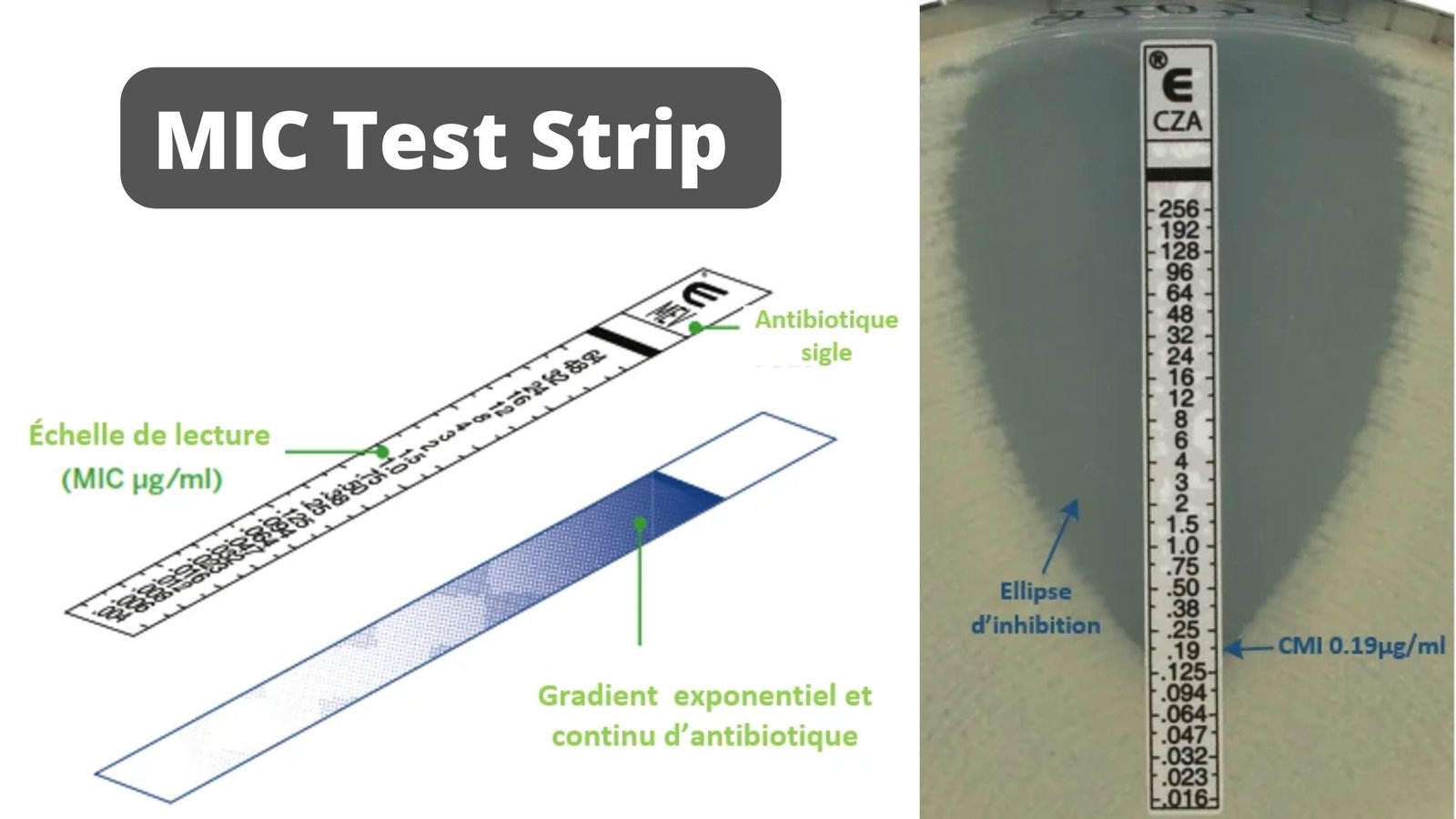
The Minimum Inhibitory Concentration (M.I.C.) of antimicrobial drugs against bacteria and the detection of resistance mechanisms can be found with the help of a MIC Test Strip, a quantitative assay.