Sourav Pan is the founder and sole author of Biology Notes Online. He holds a Bachelor of Science (B.Sc.) degree and an M.Sc. in Microbiology from the University of Calcutta. He creates educational resources covering microbiology, immunology, biotechnology, genetics, cell biology, botany, zoology, and other life-science subjects.
His goal is to make complex biological concepts easier to understand through well-structured, student-friendly articles based on academic textbooks, peer-reviewed research, and authoritative scientific sources. In addition to writing new content, he regularly reviews and updates articles to improve their accuracy, clarity, and educational value.
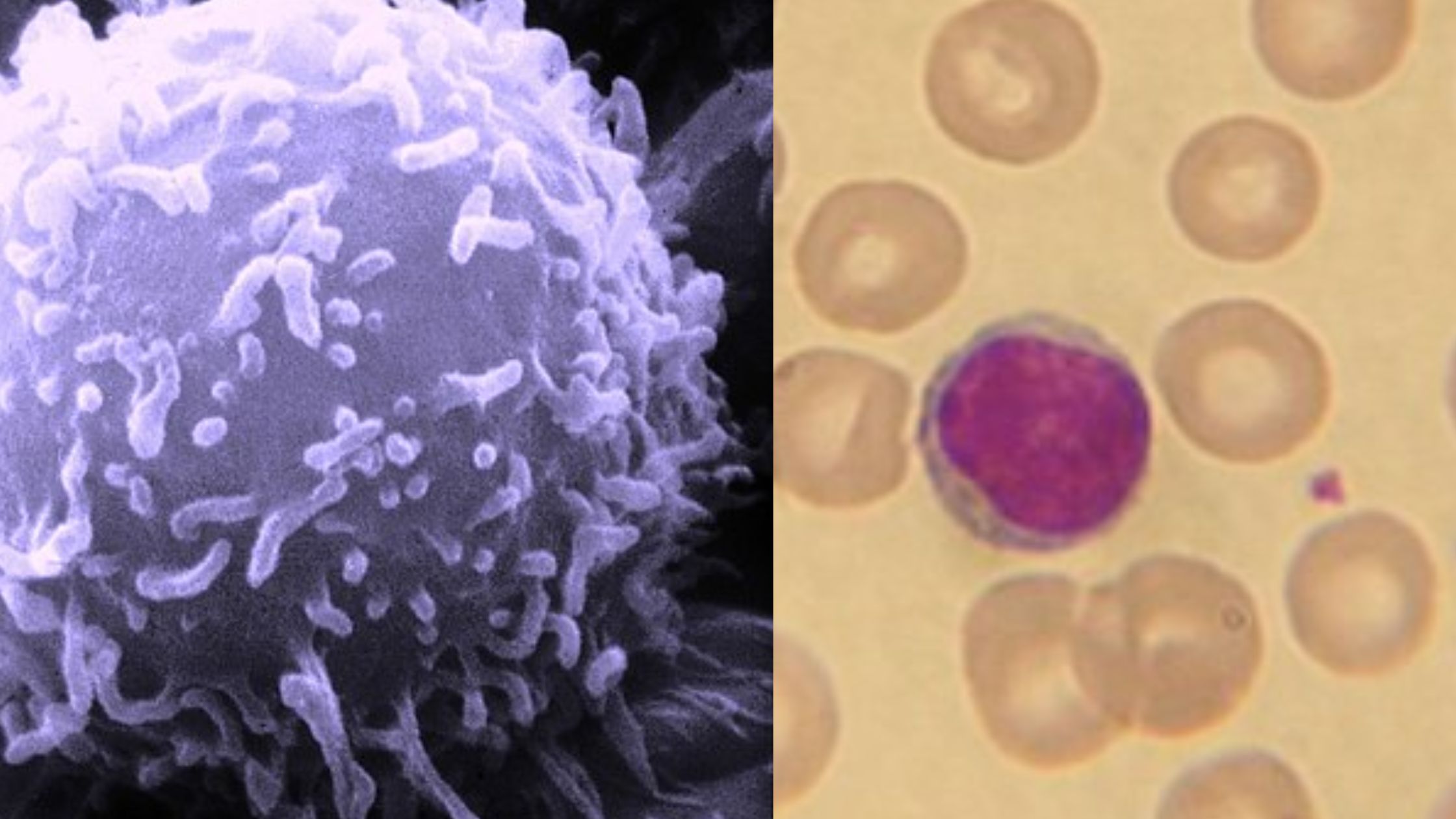
Lymphocytes are a type of white blood cells (WBCs) and comes under agranulocytes. These are one of the main cells of immune system. They protect body from foreign antigen and infection. They are present about 20-40% of total circulating white blood cells. These cells move through blood and lymphatic system. During this movement they find … Read more
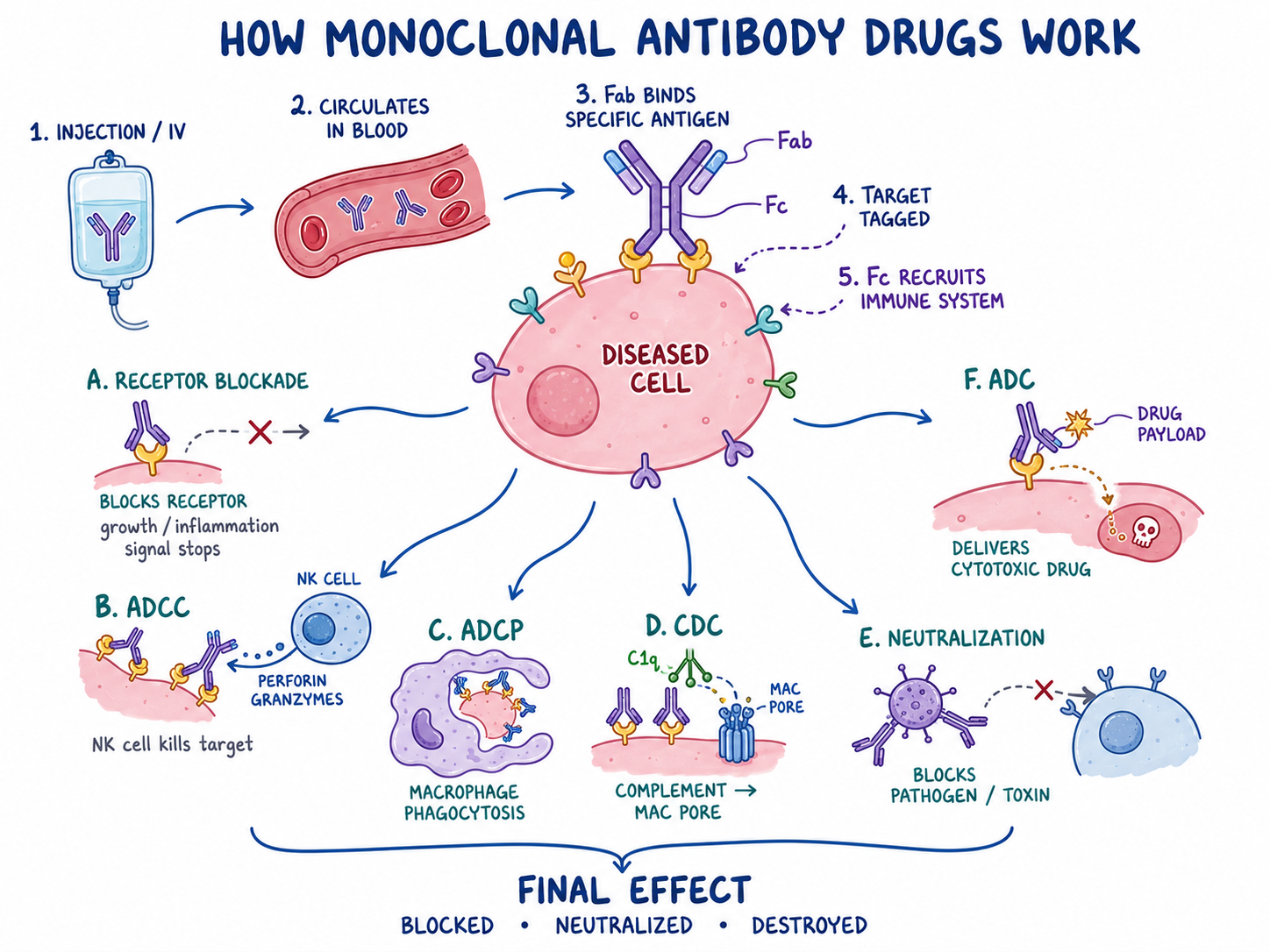
Monoclonal Antibodies (mAbs) is laboratory produced antibody proteins. It is made against one specific antigen. These antibodies are produced from a single clone of B-lymphocyte, so all the antibody molecules are same and have same binding nature. Monoclonal antibodies are homogeneous antibodies. It means they contain many identical copies of same antibody. They can recognize … Read more
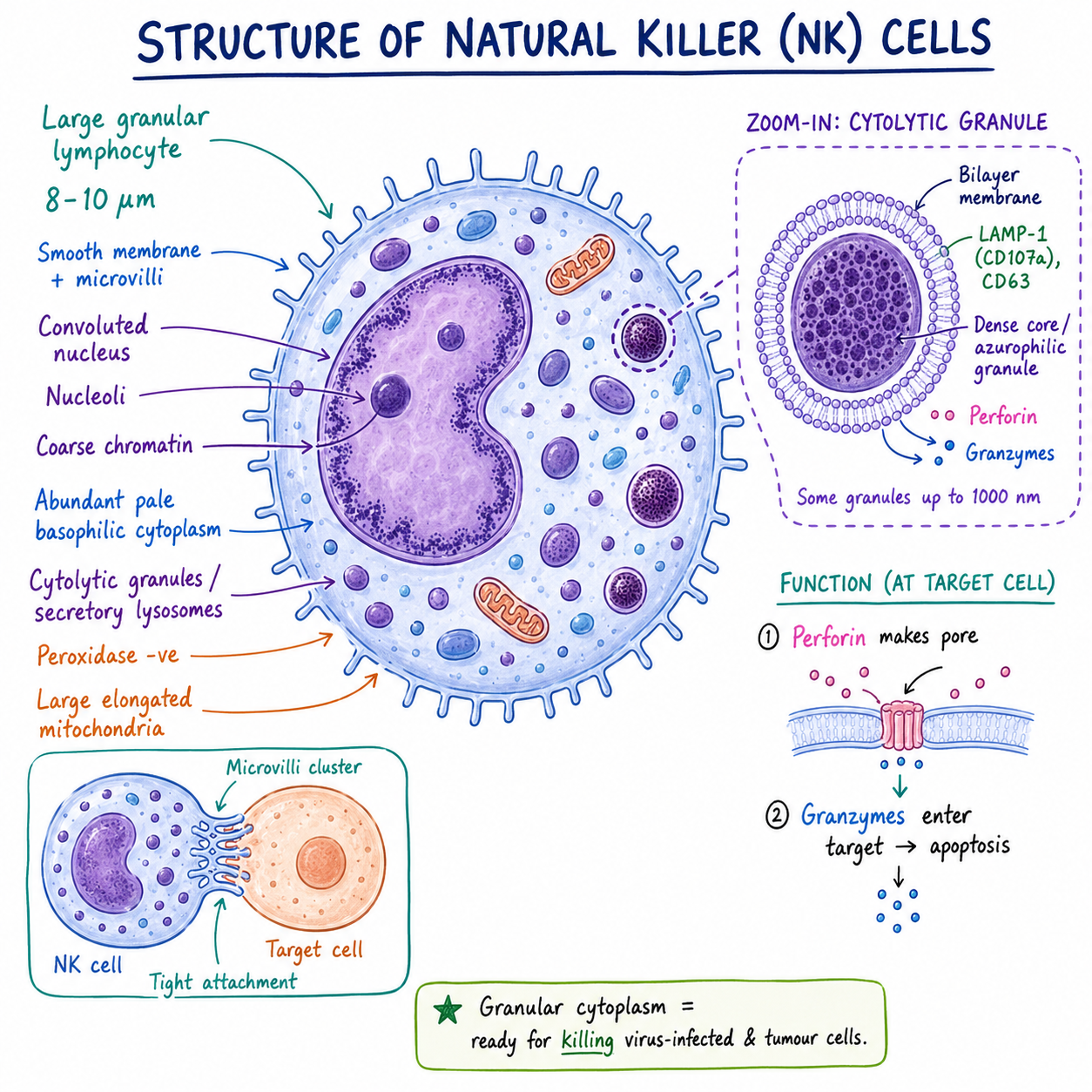
Natural killer (NK) cells are highly specialised lymphocytes of the innate immune system. They are large granular lymphocytes and arise from common lymphoid progenitor, from which T cells and B cells also develop. They are called natural killer cells because they can kill abnormal cells without previous sensitization. NK cells act as first line defence … Read more
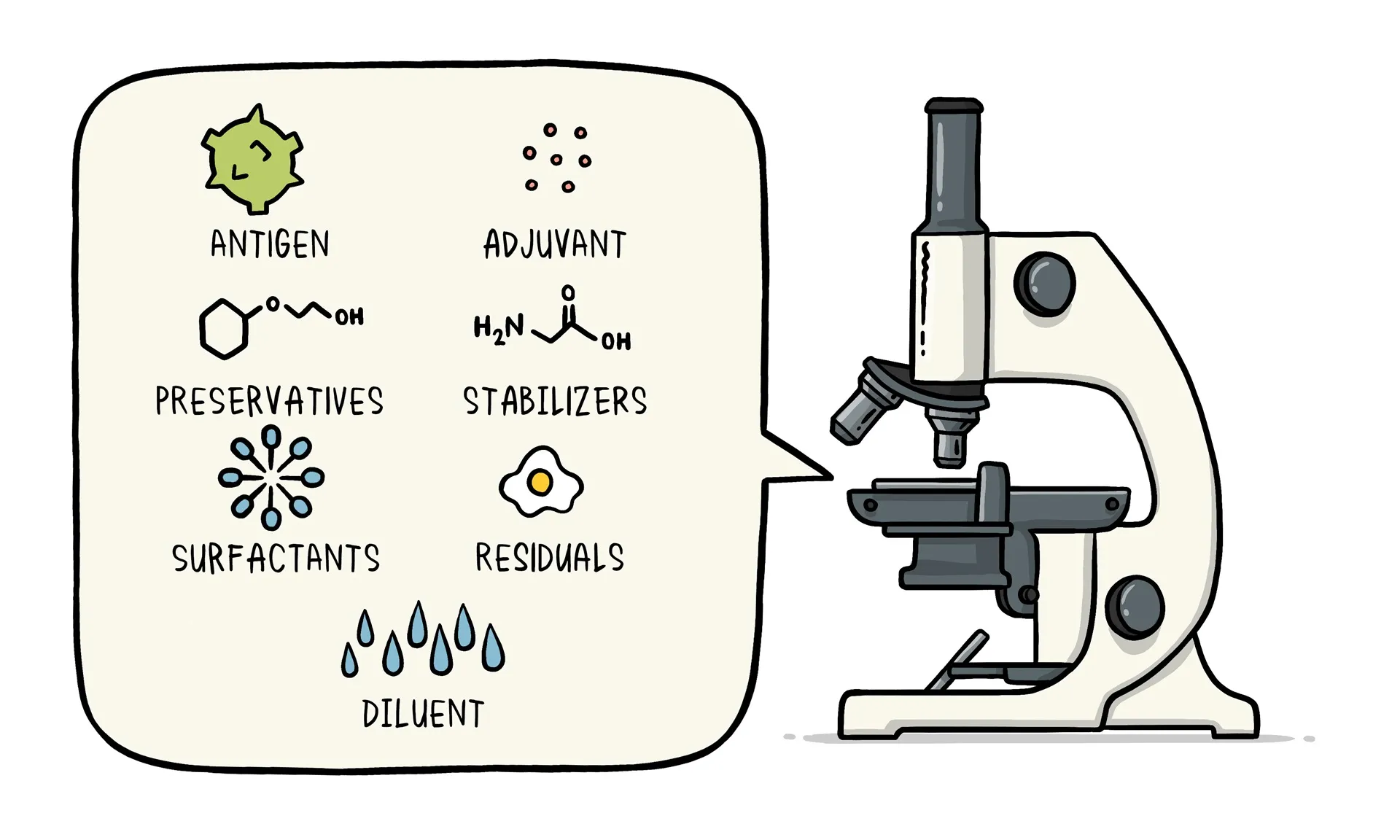
Vaccines are biological preparations used to give active immunity against a particular infectious disease. It contains an active substance called antigen. This antigen acts like disease causing organism but it does not produce severe disease. The antigen may be prepared from weakened or killed virus or bacteria. It may be specific part of the germ … Read more
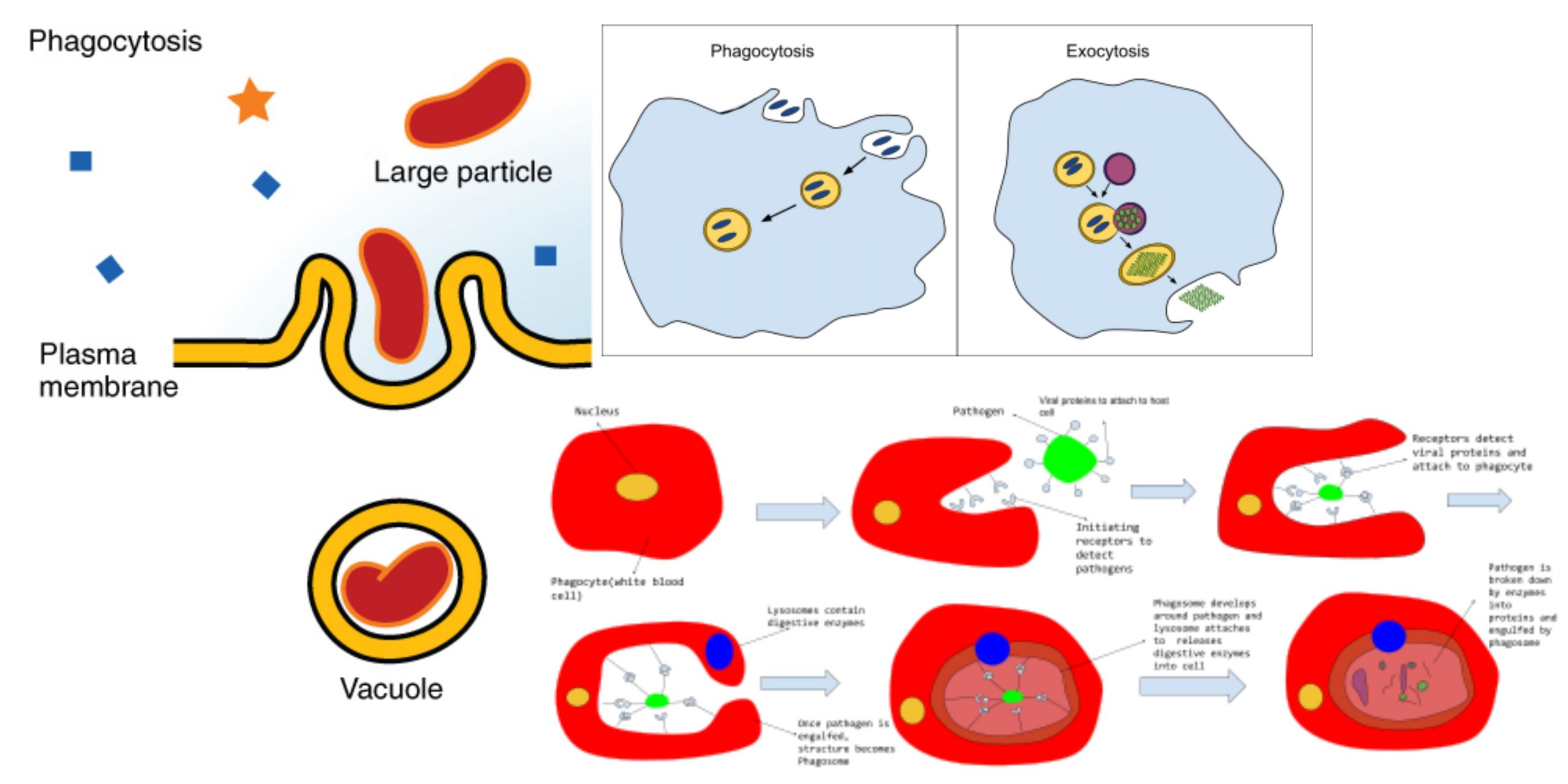
Phagocytosis refers to the process in which cells consume large particles (>0.5 micrometers) and vesicle-bound membrane vesicles known as phagosomes. These vesicles are then directed to the lysosomes where they will be subjected to enzymatic degrading. Optonization of bacteria can greatly enhance phagocytosis. Although phagocytosis may occur without the attachment of an IgG or complement fragment (C3), it can be greatly enhanced by attaching a specific IgG.
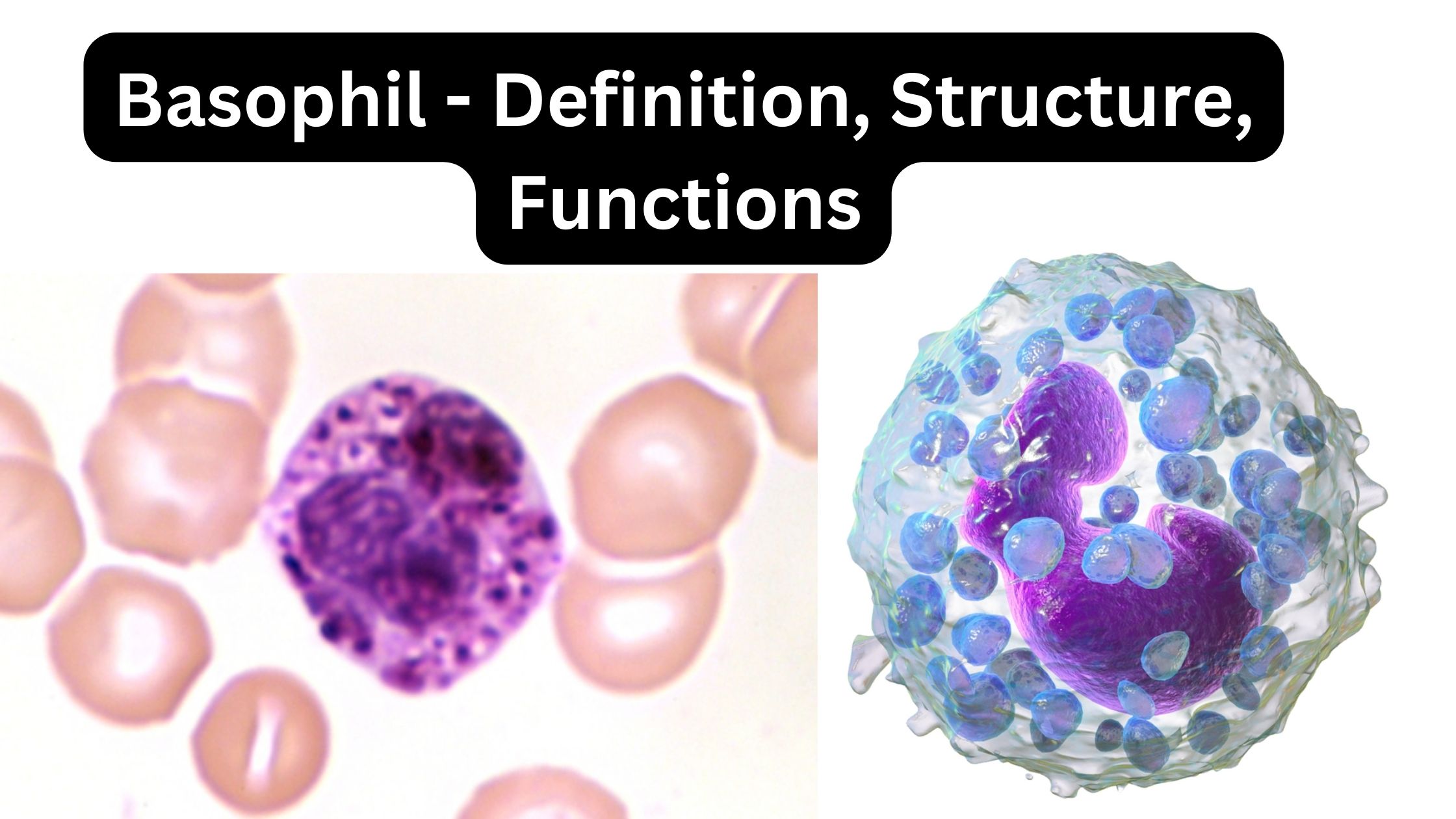
Basophil is a type of white blood cell (WBC). It is present in blood in very small amount. It is the rarest type of leukocyte and form less than 1% of total circulating white blood cells. Basophil is formed in the bone marrow. It is a granulocyte, because its cytoplasm contains granules. These granules are … Read more
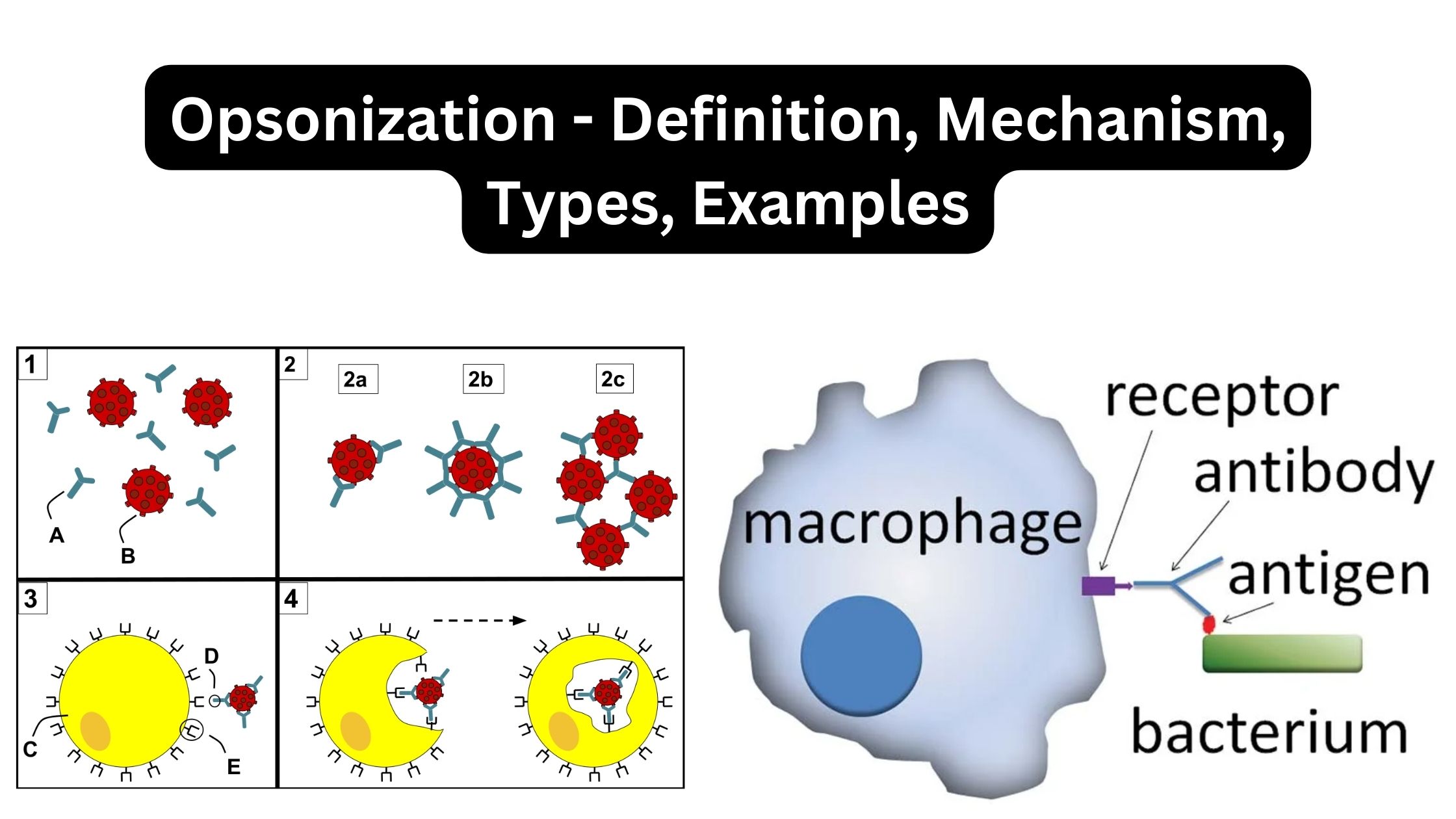
Opsonization is the immune process that coats pathogens with opsonins such as IgG and C3b to enhance phagocytosis. Learn its mechanism, receptors, types, examples, and significance.
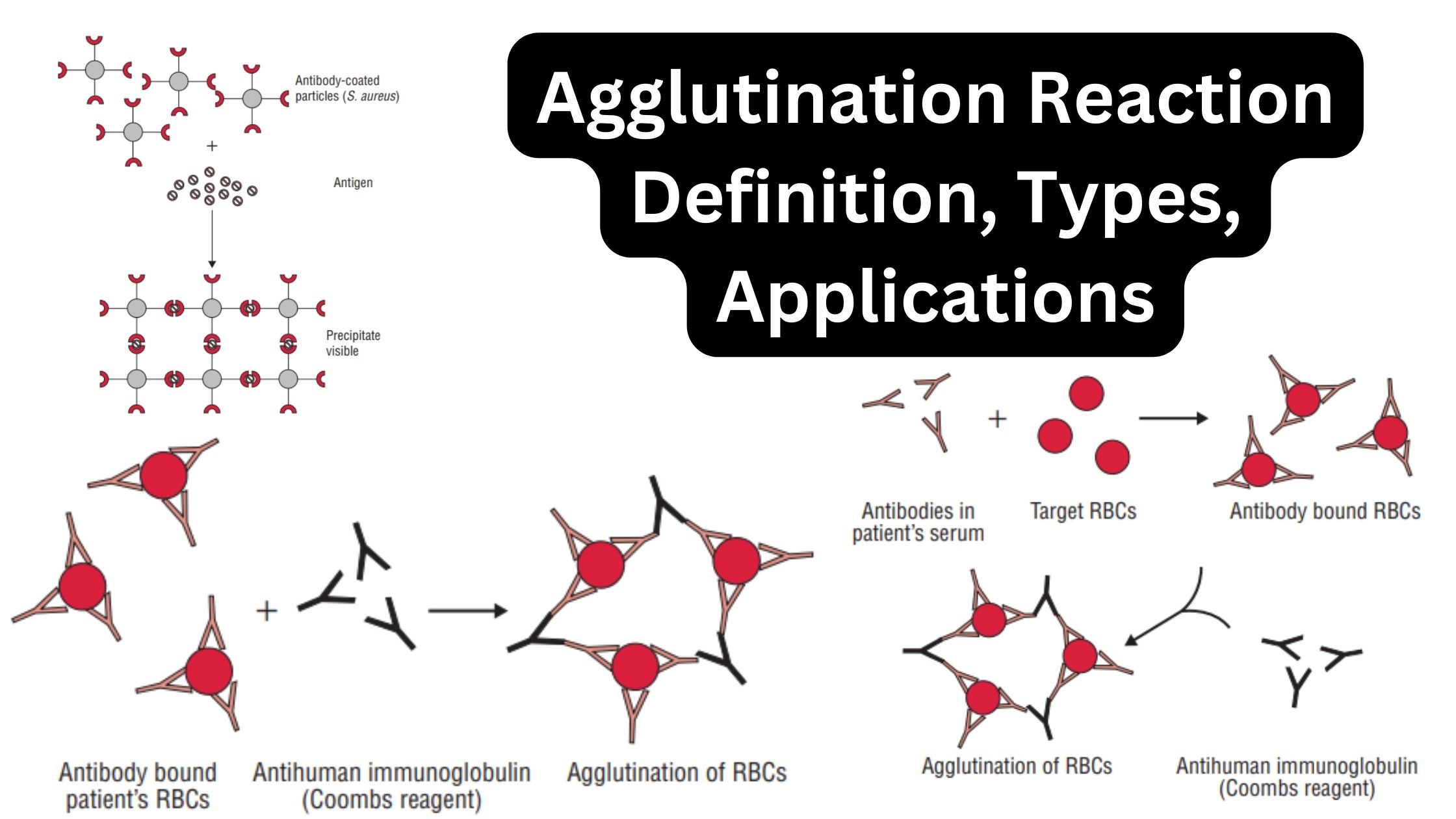
Agglutination reaction is an immunological reaction where insoluble or particulate antigen combines with its specific antibody and forms visible clumping. In this reaction, the antigen may be present on RBC, bacteria or artificial carrier like latex beads. The antibodies are known as agglutinins and the antigen present on particle surface is called agglutinogen. The antibody … Read more
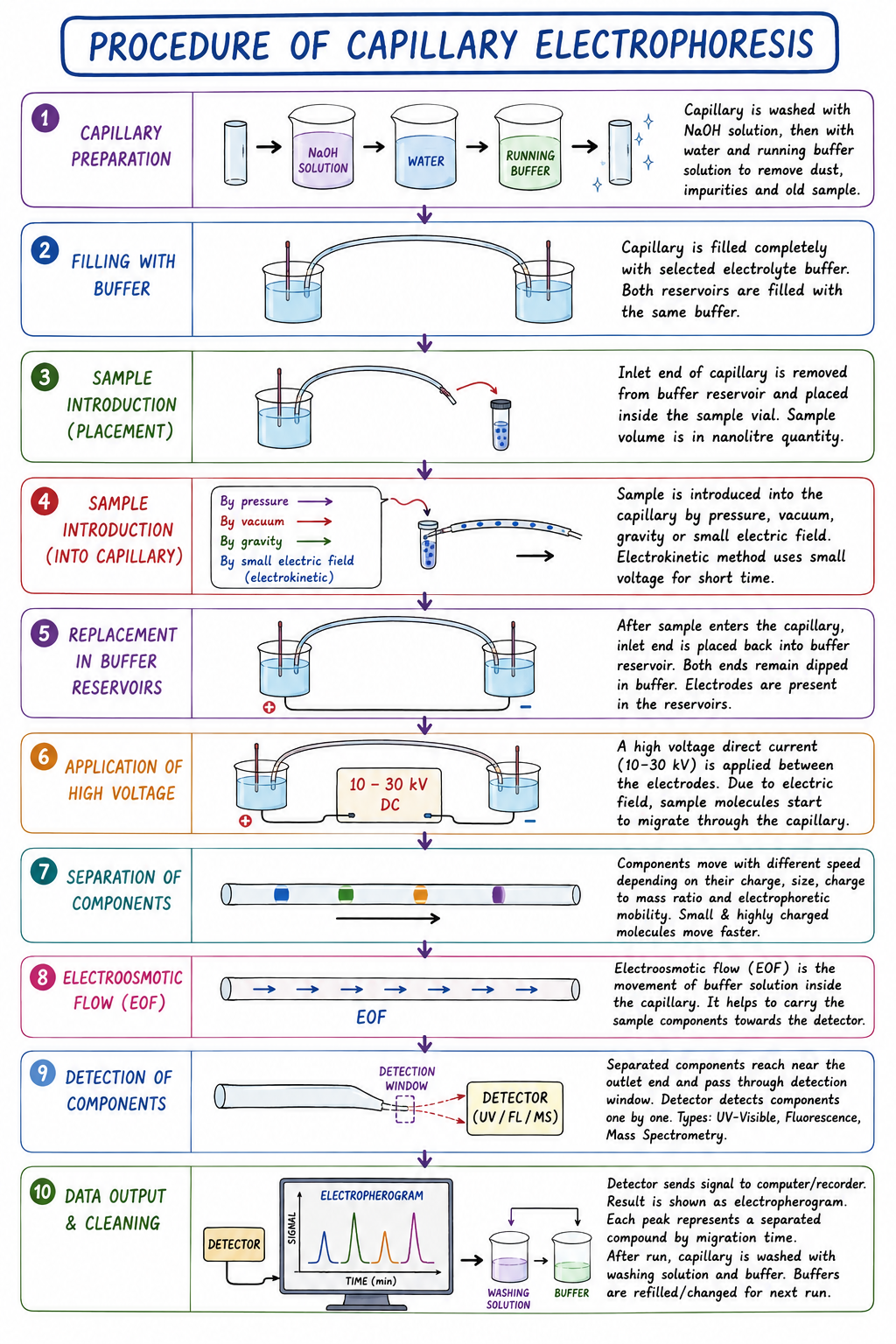
Capillary Electrophoresis (CE) is a separation technique. It is used for separation of ions and molecules present in a sample mixture. The separation is done inside a narrow tube called capillary. The capillary is filled with electrolyte buffer solution. In this method high voltage is applied at the two ends of the capillary. Due to … Read more
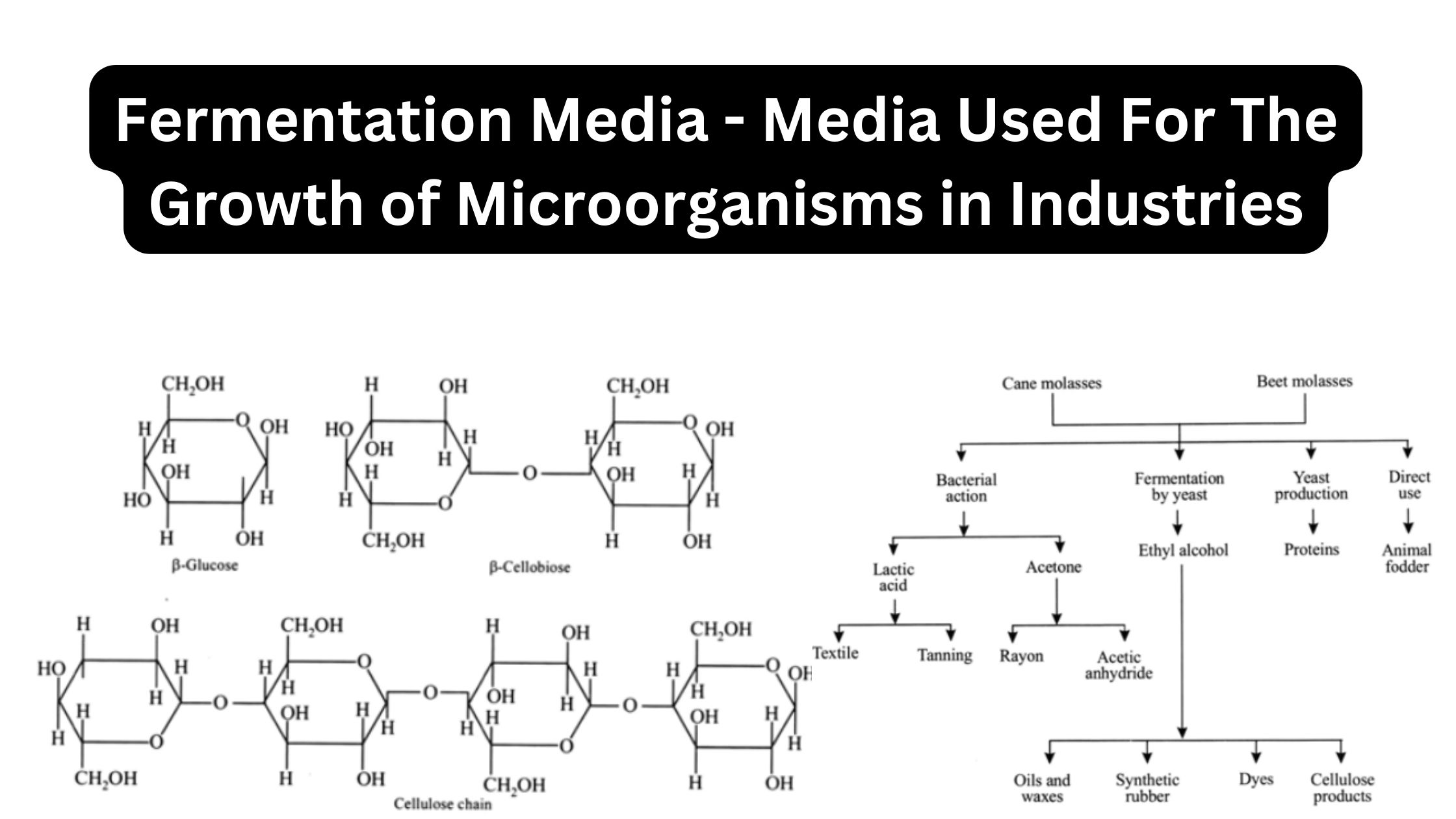
Fermentation media are nutrient preparations which are used for the growth and metabolic activity of microorganisms. It gives proper environment for bacteria, yeasts and fungi during fermentation. In this medium, microbes convert raw materials into useful products like cell biomass, antibiotics, enzymes, organic acids and pharmaceutical products. Fermentation media may be solid or liquid. In … Read more