Sourav Pan is the founder and sole author of Biology Notes Online. He holds a Bachelor of Science (B.Sc.) degree and an M.Sc. in Microbiology from the University of Calcutta. He creates educational resources covering microbiology, immunology, biotechnology, genetics, cell biology, botany, zoology, and other life-science subjects.
His goal is to make complex biological concepts easier to understand through well-structured, student-friendly articles based on academic textbooks, peer-reviewed research, and authoritative scientific sources. In addition to writing new content, he regularly reviews and updates articles to improve their accuracy, clarity, and educational value.
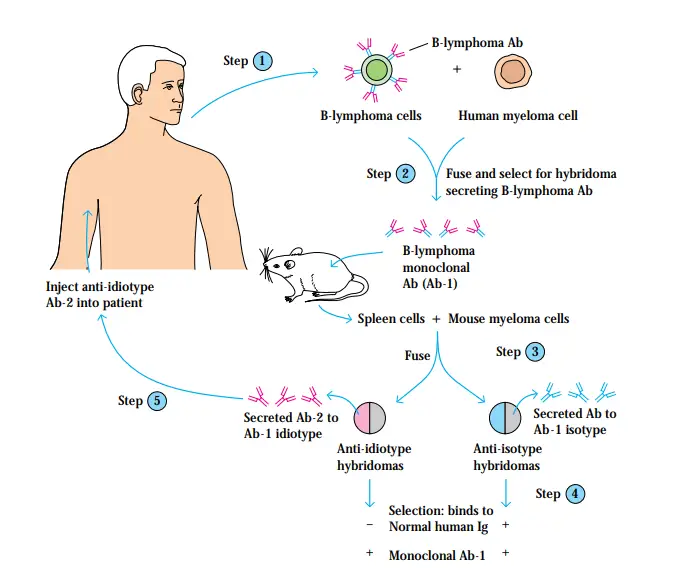
Cancer immunotherapy is a type of cancer treatment that uses the body’s own immune system to identify and destroy cancer cells. It does not directly attack the tumour like chemotherapy and radiation therapy. It stimulates or restores the natural cancer fighting capacity of immune system. In this treatment, the immune cells mainly T-cells are activated … Read more
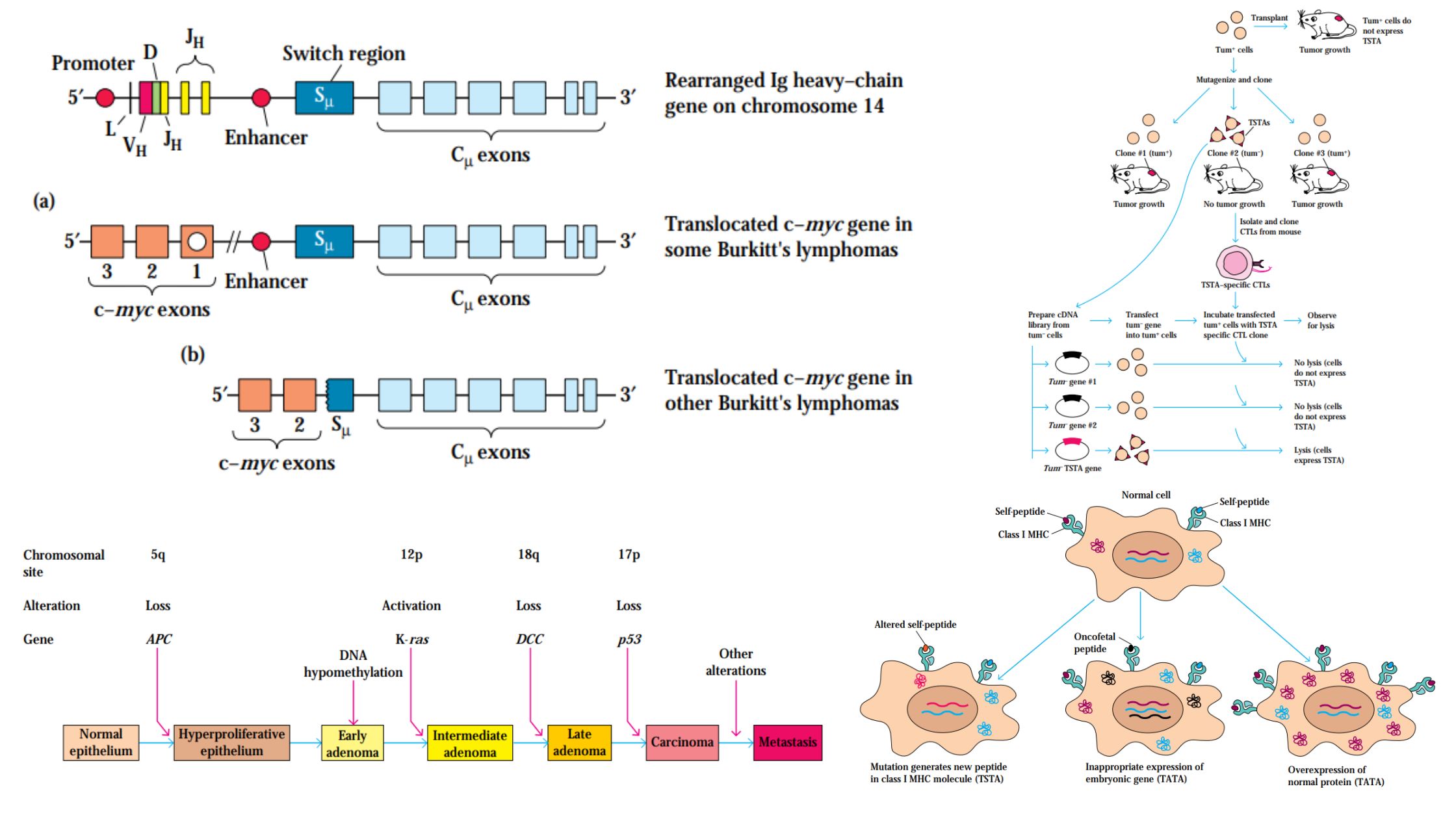
Tumor antigen is a molecule present in cancer cell. It may be present on cell surface or inside the cell. It is recognized by the immune system and helps to identify malignant cell from normal cell. These antigens are important in cancer immunotherapy. They act as target molecule. By this target, immune system can attack … Read more
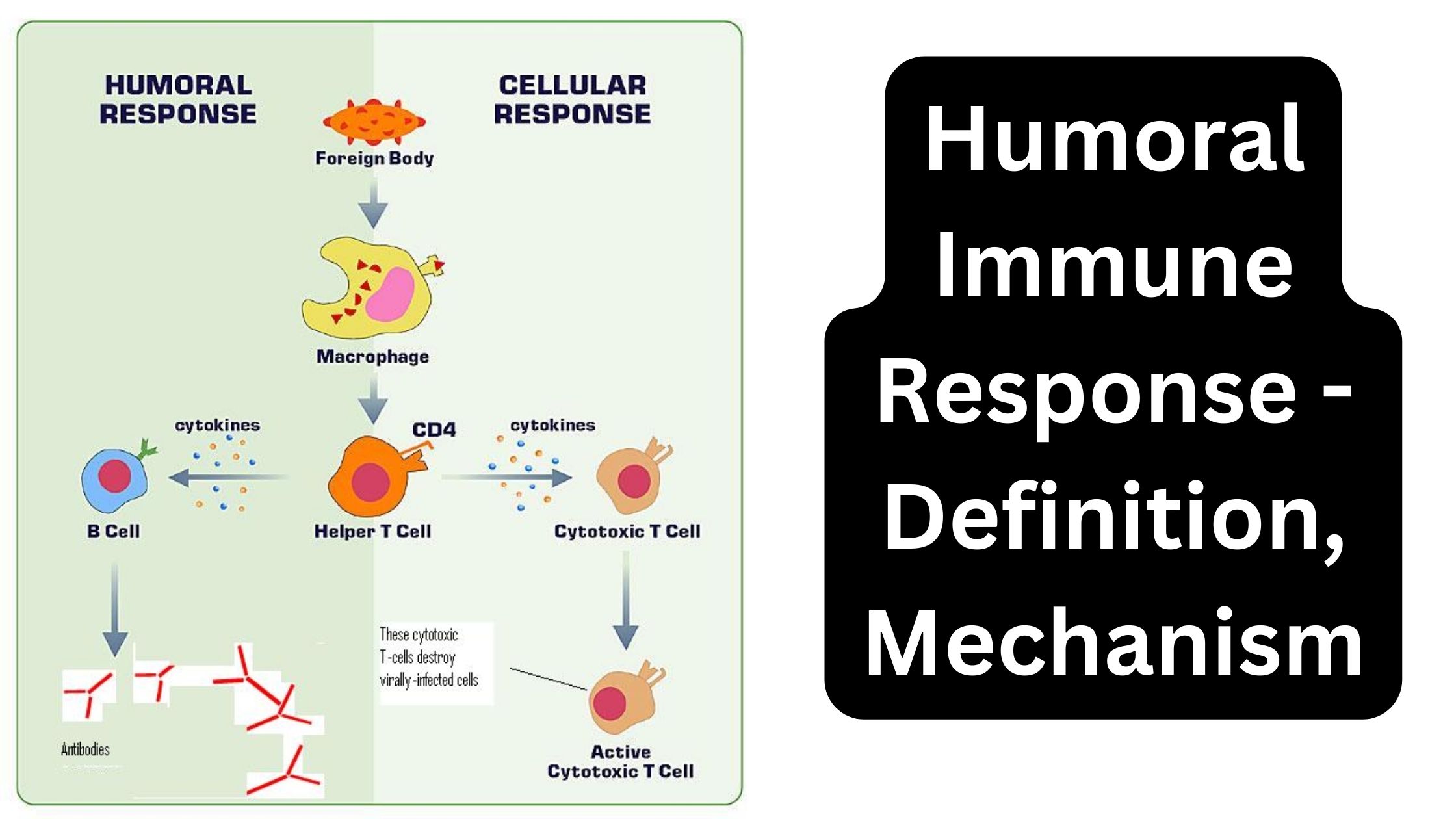
Humoral immunity is a major part of adaptive immune system. It gives specific and long-lasting defence against extracellular pathogens and their toxic products. It mainly works in blood plasma and other body fluids. It is called humoral immunity because it depends on antibodies present in the fluid part of blood and extracellular body fluids. These … Read more
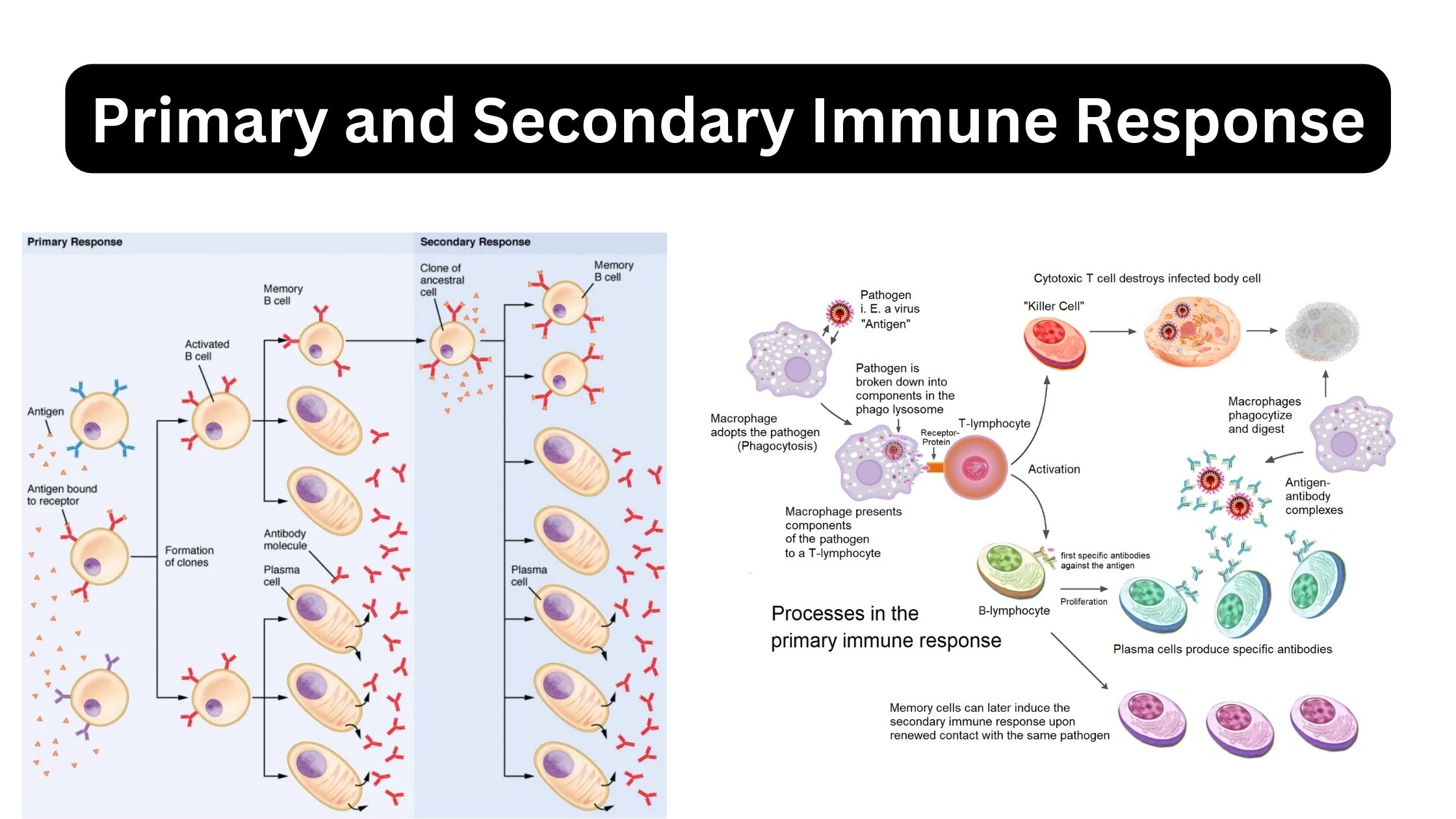
Immune response is the defense mechanism of body by which the body recognizes and removes harmful foreign particles or pathogens. It is activated when any foreign substances enter into the body by crossing the physical barriers. These foreign substances are called antigens. The antigens may be bacteria, viruses, fungi and parasites. The immune response is … Read more
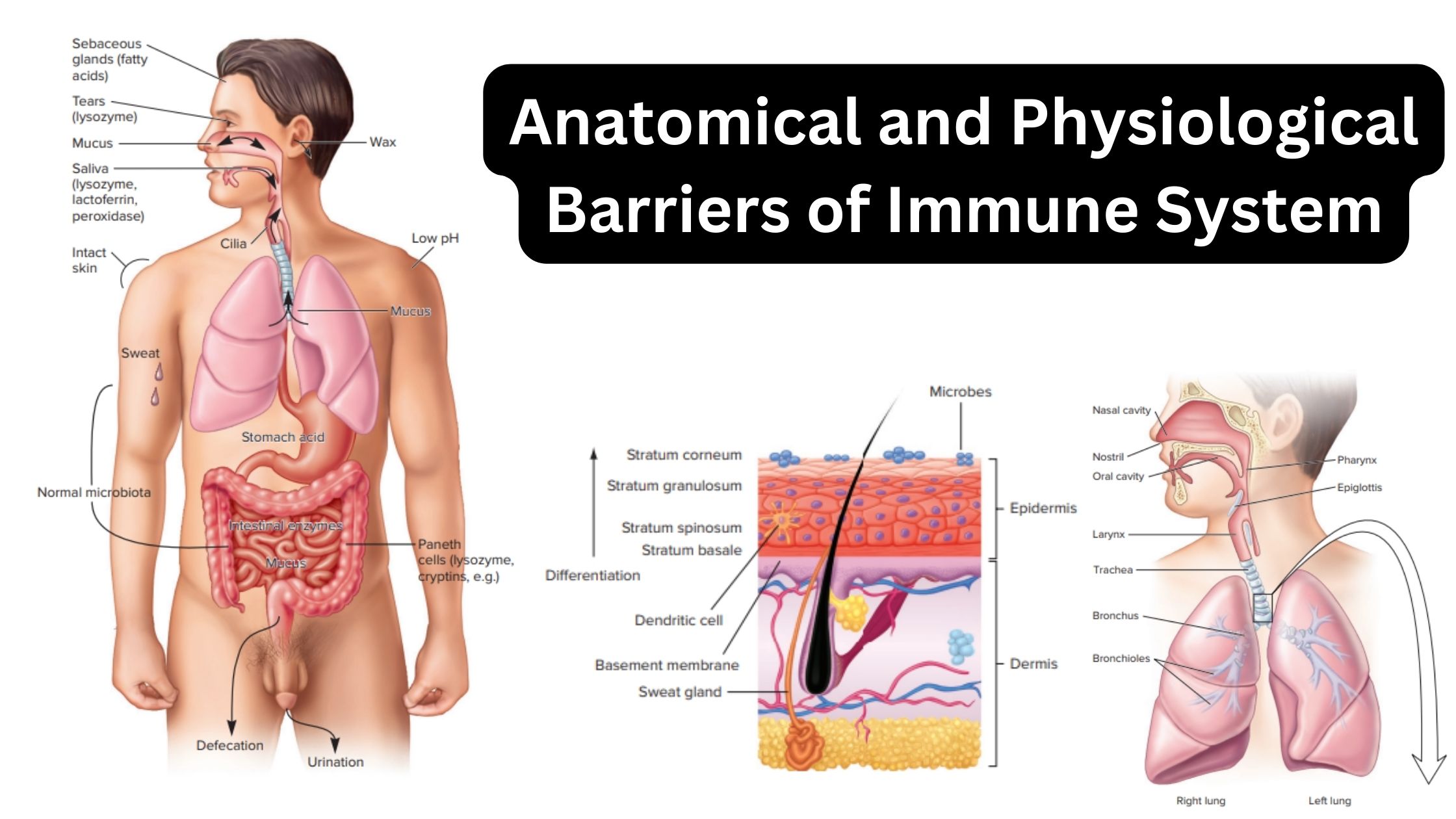
Anatomical and physiological barriers are the first defence barrier of immune system. These barriers stop the entry of pathogen in the body tissue. It is present on the outer surface and also in different opening part of body. Anatomical barriers are mainly skin, hair, mucous membrane and epithelial lining. Skin is the outer covering of … Read more
Body lines of defense are the protective system of human body. It protect the body from foreign harmful agents like virus, bacteria and fungi. These harmful agents are called pathogens. The body has three main lines of defense. These are first line of defense, second line of defense and third line of defense. They work … Read more
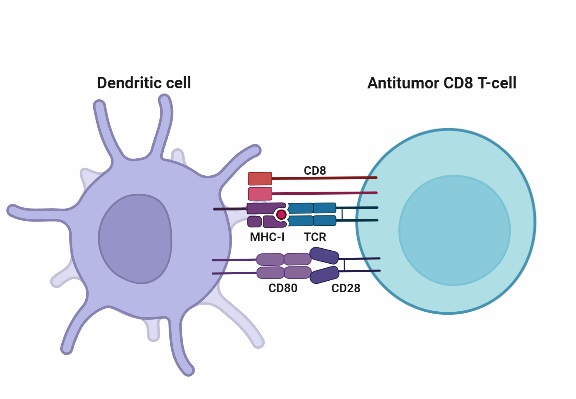
Dendritic cell is a special type of antigen presenting cell (APC). It connects innate immune system with adaptive immune system. It is a messenger cell of immunity. It has many branched projections on its surface. These projections are called dendrites. Due to these dendrites, the cell look like tree shaped or star like. Dendritic cells … Read more
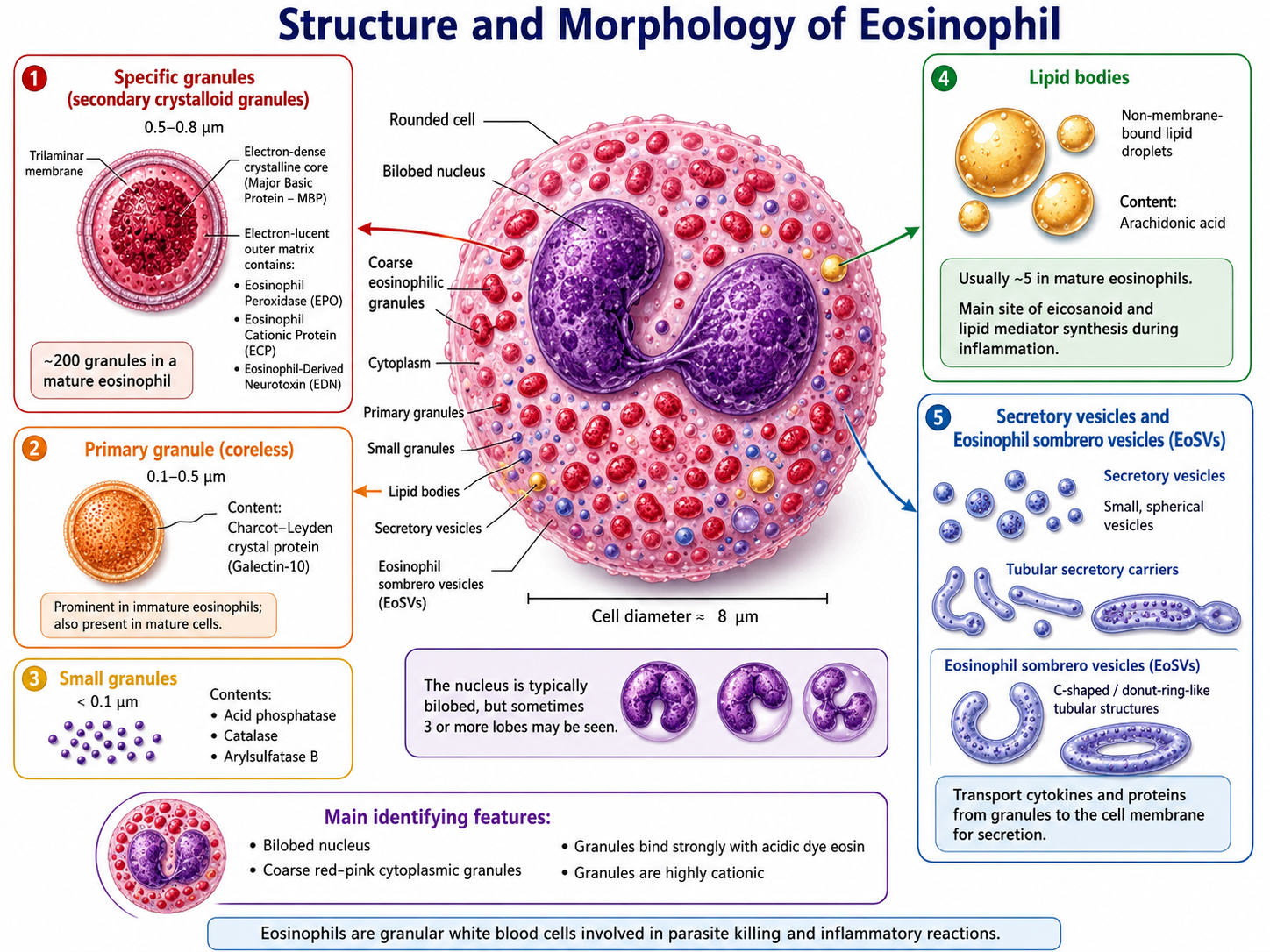
Eosinophils are granulocytic white blood cells formed in the bone marrow, then released into blood and tissues. They are identified by bilobed nuclei and eosin-staining granules containing toxic proteins and cytokines, and they participate in immune regulation, tissue repair, and development. The content also outlines eosinophil development, receptors, migration, activation, and degranulation. It emphasizes their … Read more
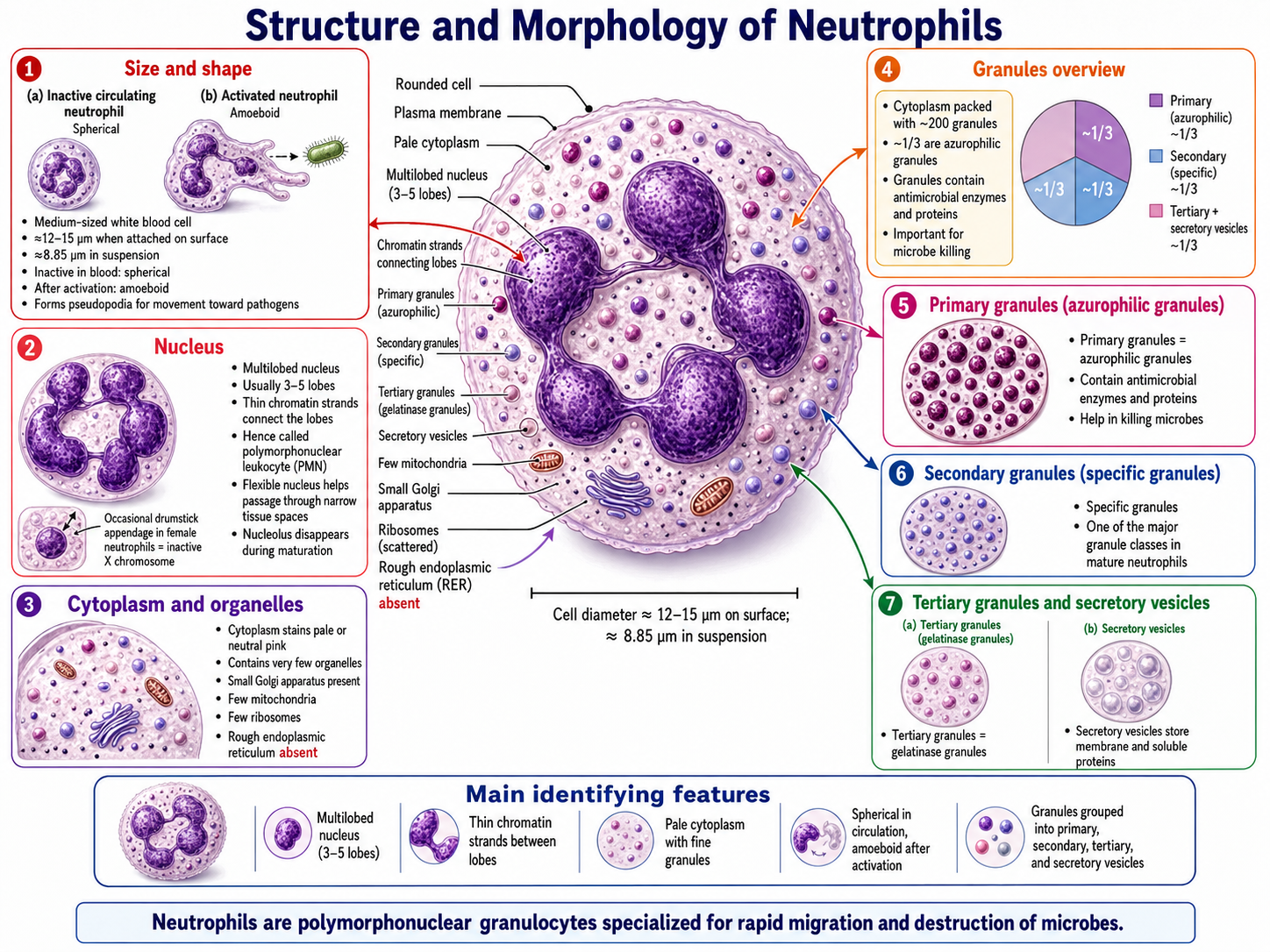
Neutrophils are the most abundant white blood cells and a key part of innate immunity. They are produced in bone marrow, circulate briefly, and rapidly move to infection or injury sites to fight bacteria and fungi through phagocytosis, degranulation, respiratory burst, and NET formation. The content also covers neutrophil development, structure, surface markers, migration, interactions … Read more
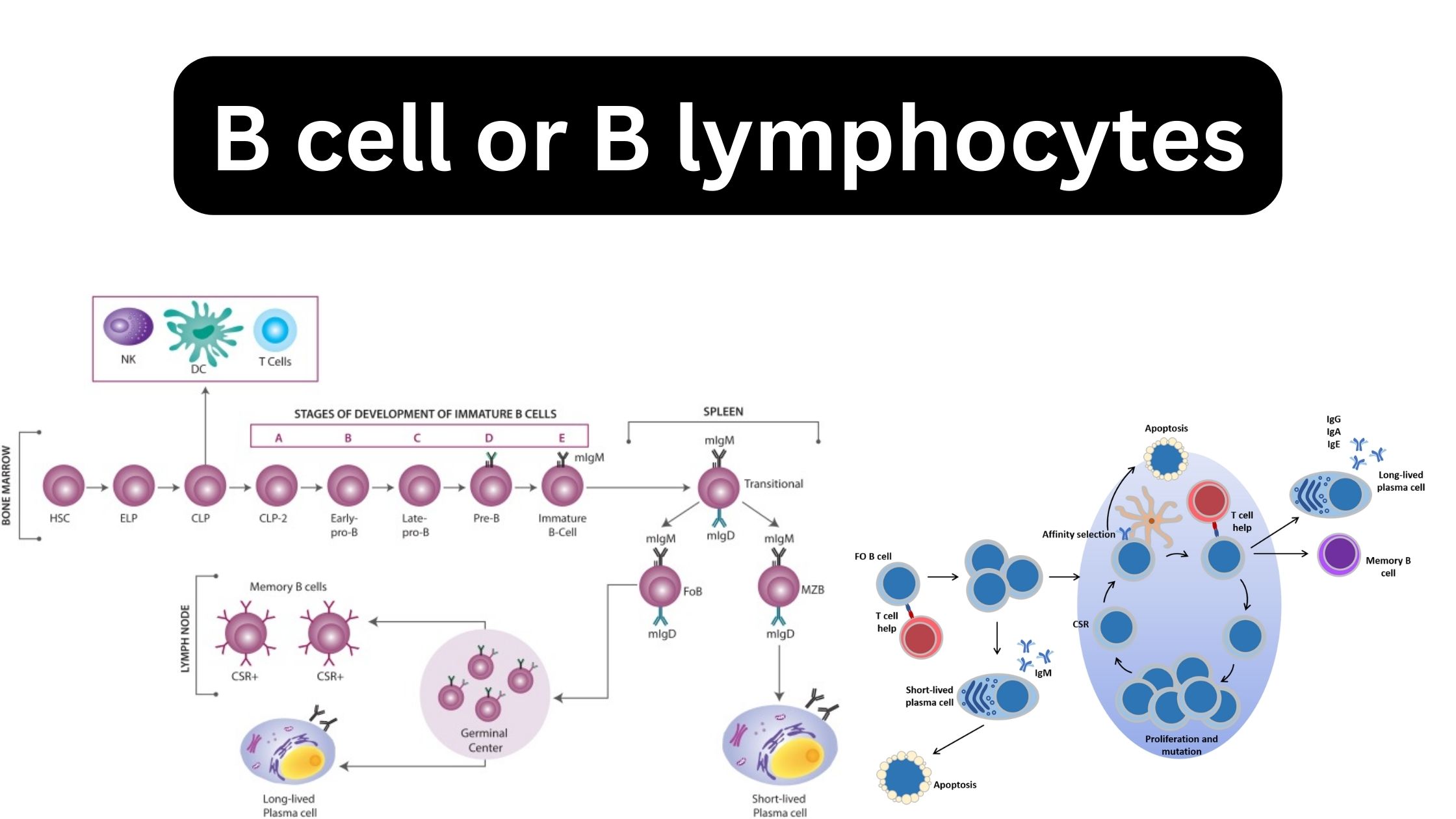
B cells or B lymphocytes are a type of lymphocyte present in blood and lymphoid organs. It is one of the important cell of adaptive immune system. These cells mainly take part in humoral immunity, where antibody is the main defensive substance. The origin of B lymphocytes is from stem cells of bone marrow. In … Read more