Sourav Pan is the founder and sole author of Biology Notes Online. He holds a Bachelor of Science (B.Sc.) degree and an M.Sc. in Microbiology from the University of Calcutta. He creates educational resources covering microbiology, immunology, biotechnology, genetics, cell biology, botany, zoology, and other life-science subjects.
His goal is to make complex biological concepts easier to understand through well-structured, student-friendly articles based on academic textbooks, peer-reviewed research, and authoritative scientific sources. In addition to writing new content, he regularly reviews and updates articles to improve their accuracy, clarity, and educational value.
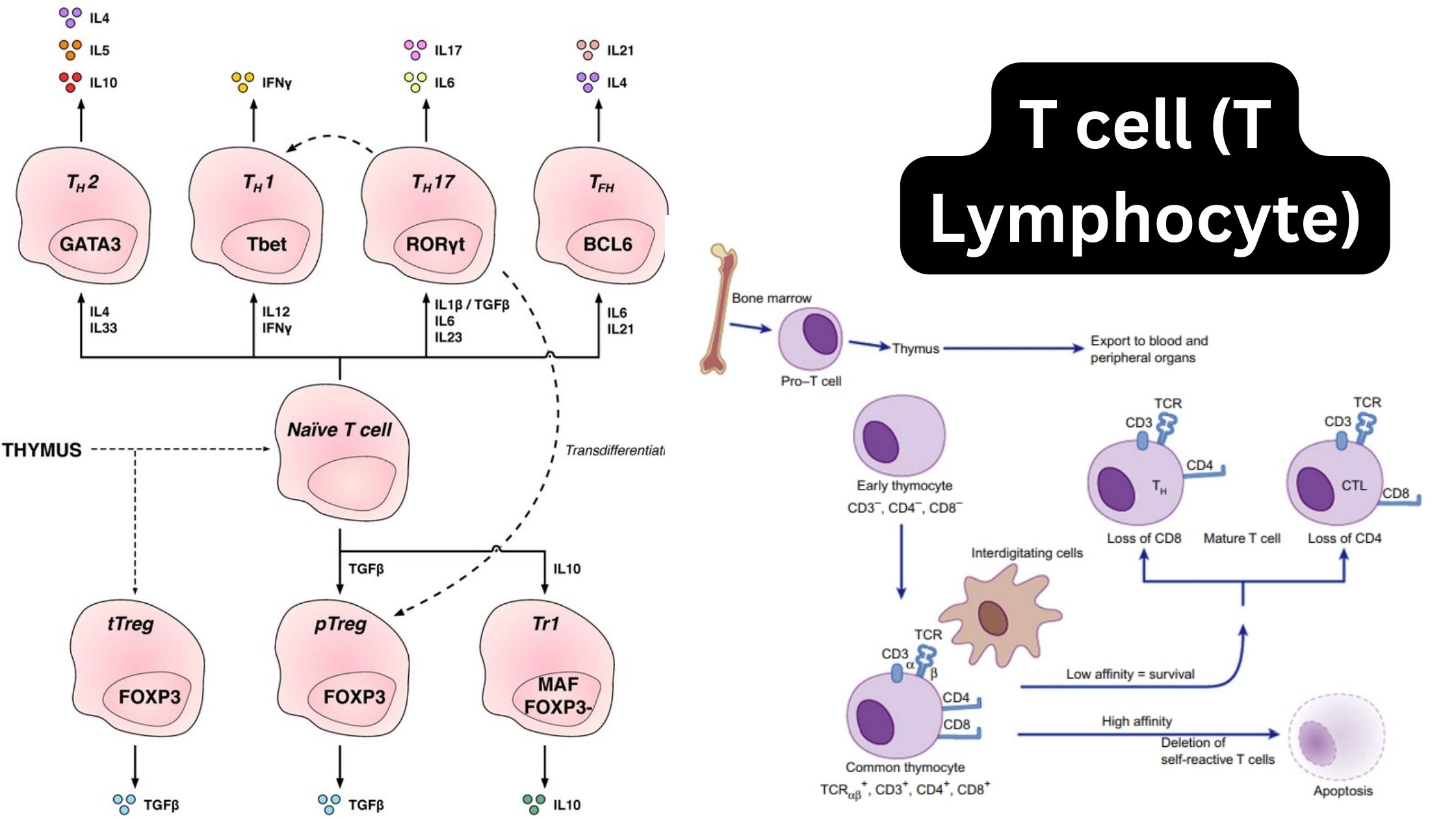
T cell or T lymphocyte is a type of white blood cell which plays an important role in the adaptive immune system. It is mainly involved in the recognition of foreign antigen and destruction of infected cells. It also helps in antibody production and regulation of immune response. T cells are produced from progenitor cells … Read more
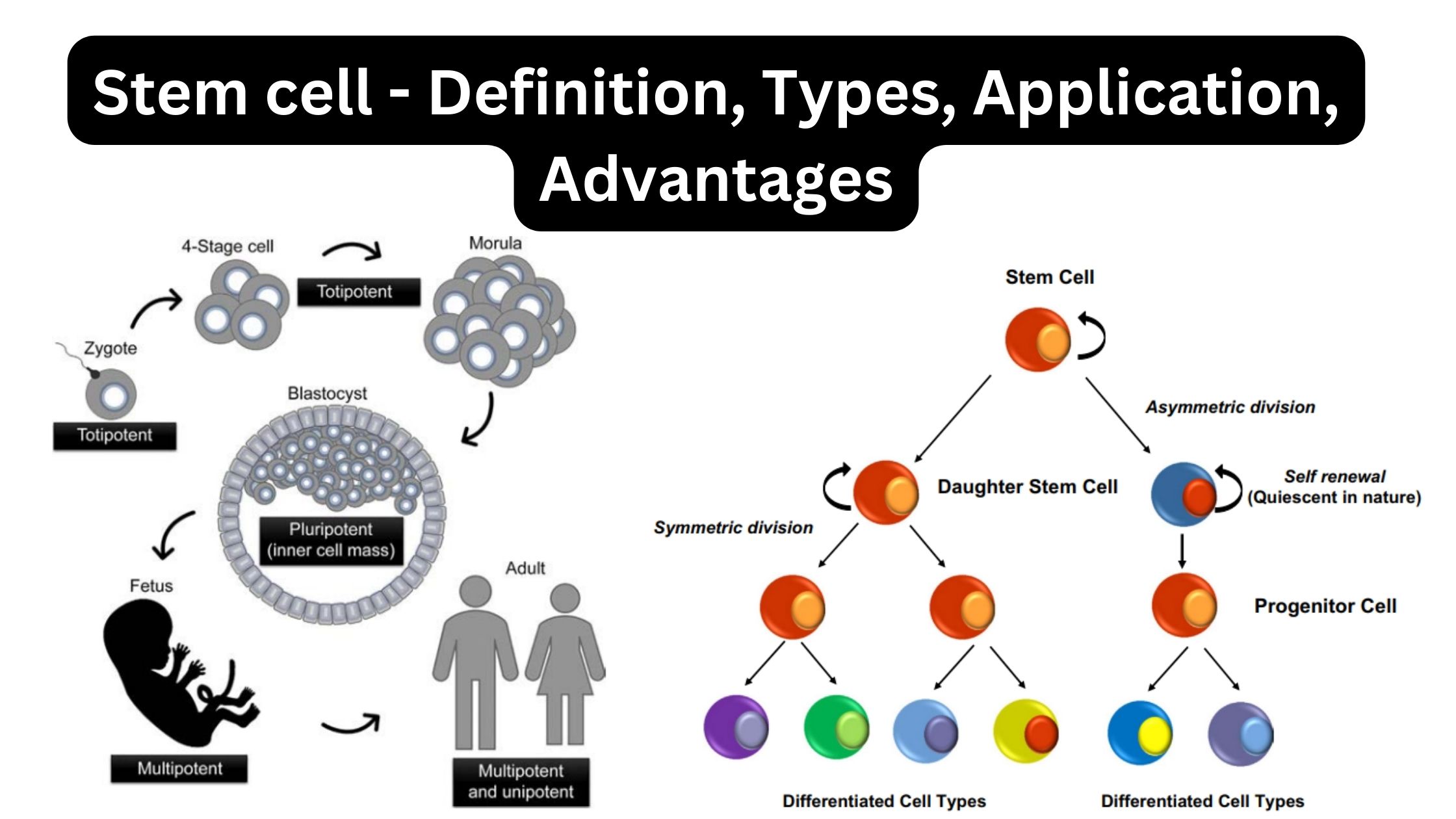
Stem cell is a undifferentiated special type of cell which can give rise to many other specialized cells of the body. It is also called body’s master cell. These cells are found in embryo and also in some adult tissues. Stem cells have two important properties. One is self renewal and another is differentiation. Self … Read more
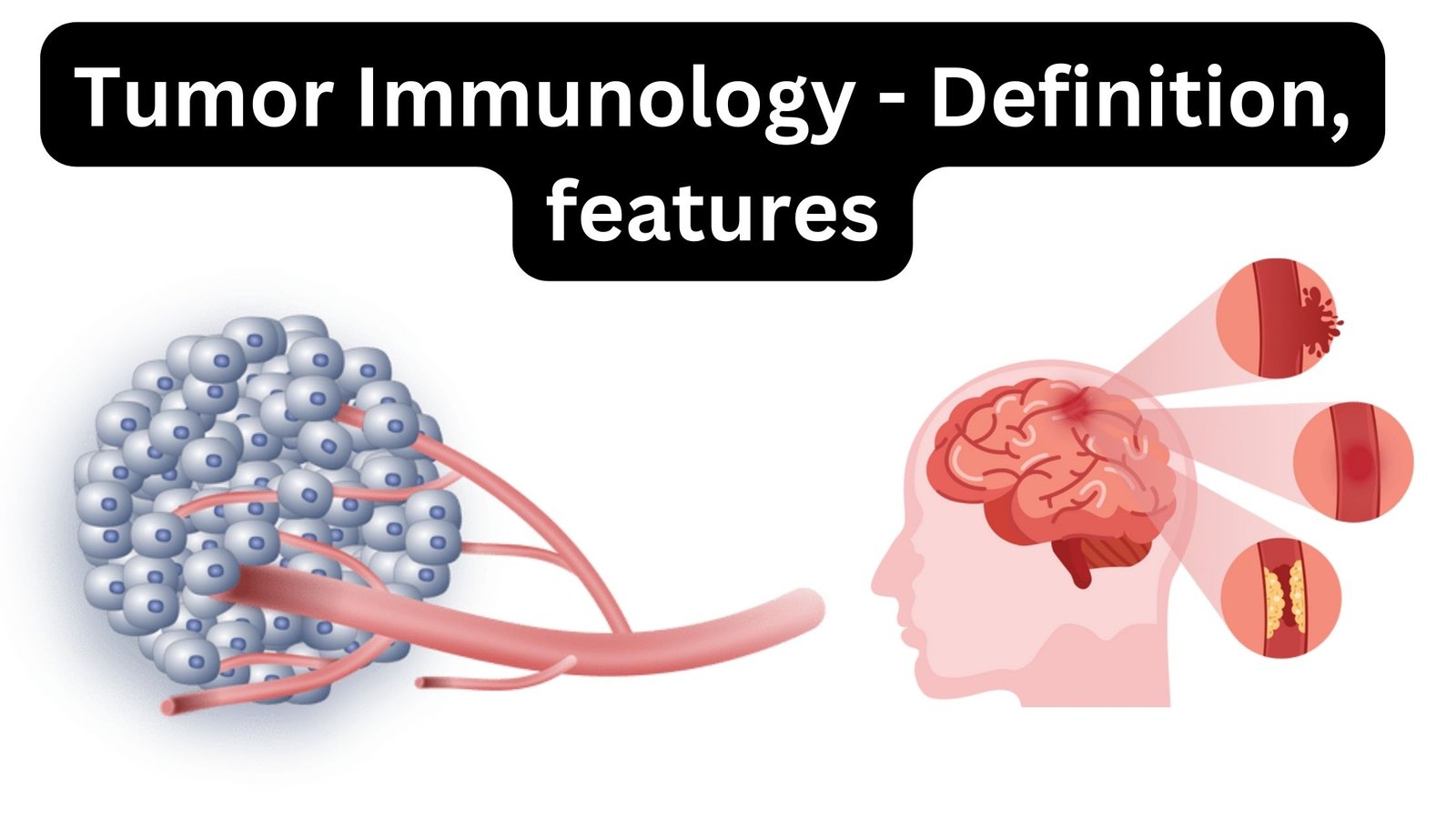
Tumor immunology is the study of interaction between immune system and tumor cells. It deals with how body recognize abnormal neoplastic cells and how these cells escape from immune response. Tumor cells are formed due to abnormal and uncontrolled growth of cells. These cells may express new antigens on their surface. These antigens are recognized … Read more
Transplantation is a medical process in which living cells, tissues or organs are transferred from one site to another site. It is done to replace damaged, failed or absent body part. Transplantation is a process in which living cell, tissue or organ is transferred from one site to another site. It is done for replacing … Read more
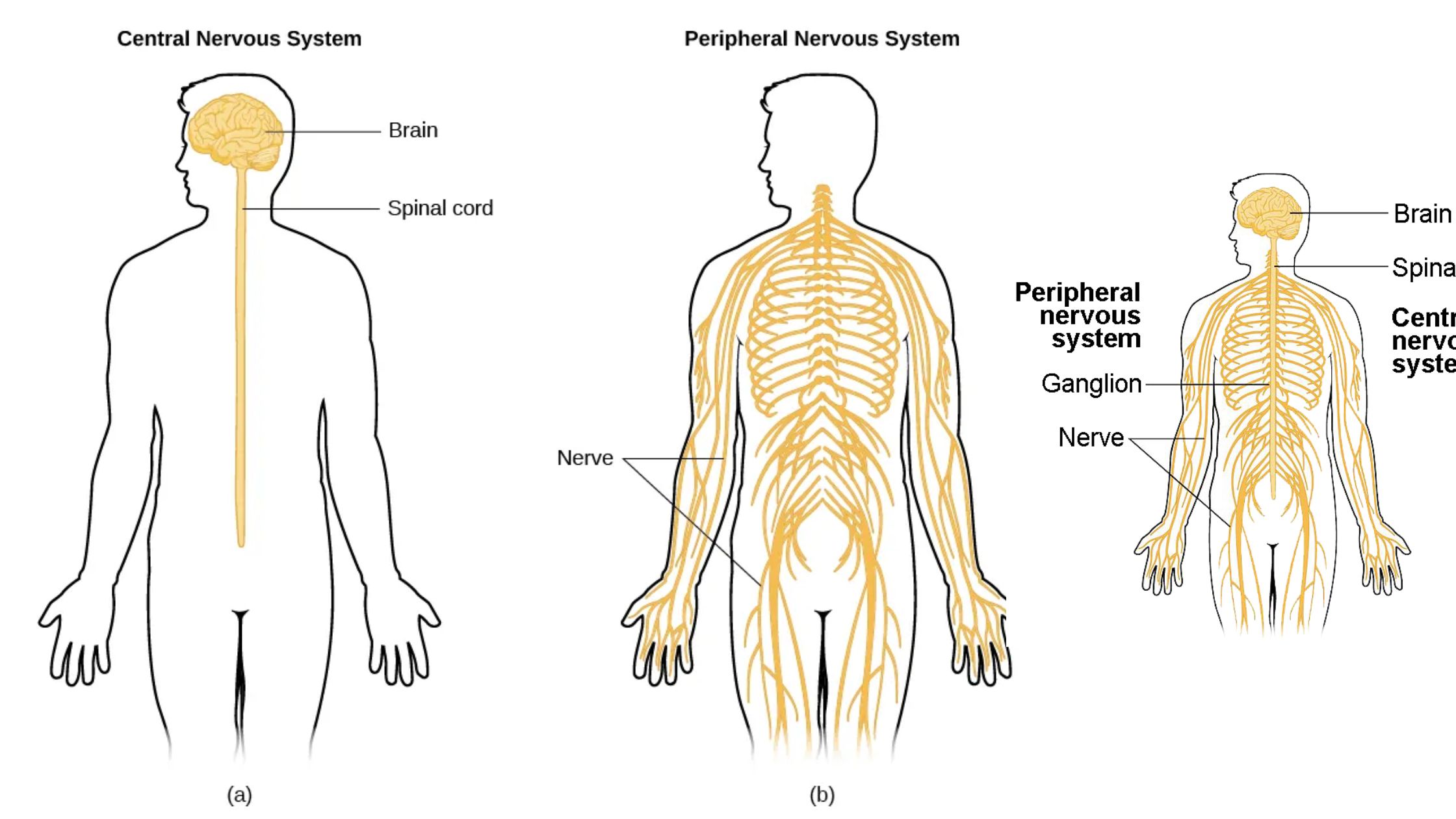
Nervous system is a complex controlling and coordinating system of the body. It receives stimulus, processes the informations and gives response through muscles and glands. Human nervous system is a highly complex biological network of the human body. It is responsible for coordinating body functions, receiving sensory informations and producing different body responses. It has … Read more
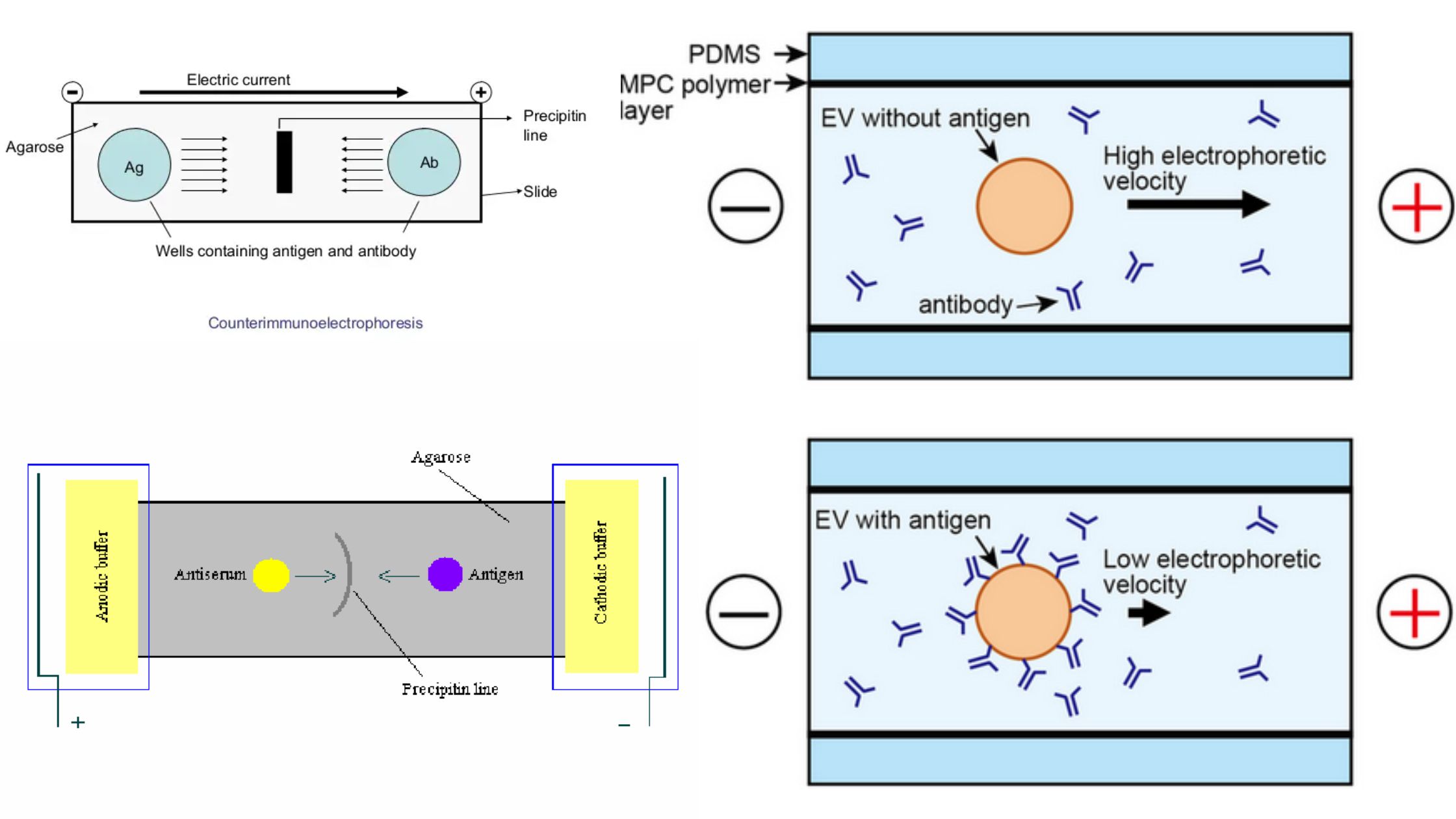
Immunoelectrophoresis is a biochemical technique which is used for the separation and identification of proteins, mainly immunoglobulins in biological samples. It is a combined method of electrophoresis and immunodiffusion. In this technique, proteins are first separated in agarose gel by applying electric current. After separation, specific antibody is added into the gel. The separated proteins … Read more
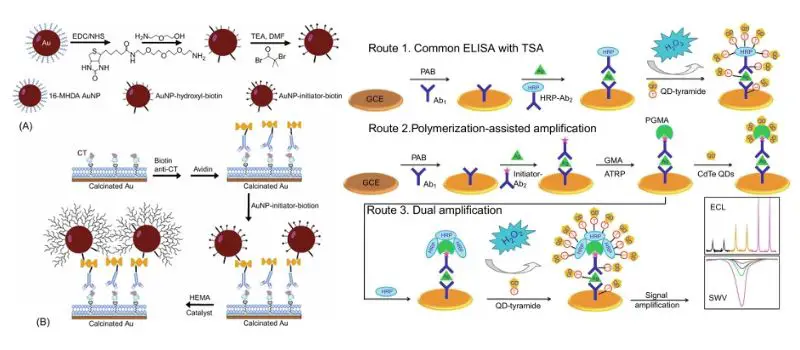
Immunological techniques are laboratory methods which are used to detect and measure different substances present in the body. It is mainly based on the specific reaction between antigen and antibody. Antigen is a substance which can produce immune response in the body. Antibody is a protein molecule produced by immune system against that specific antigen. … Read more
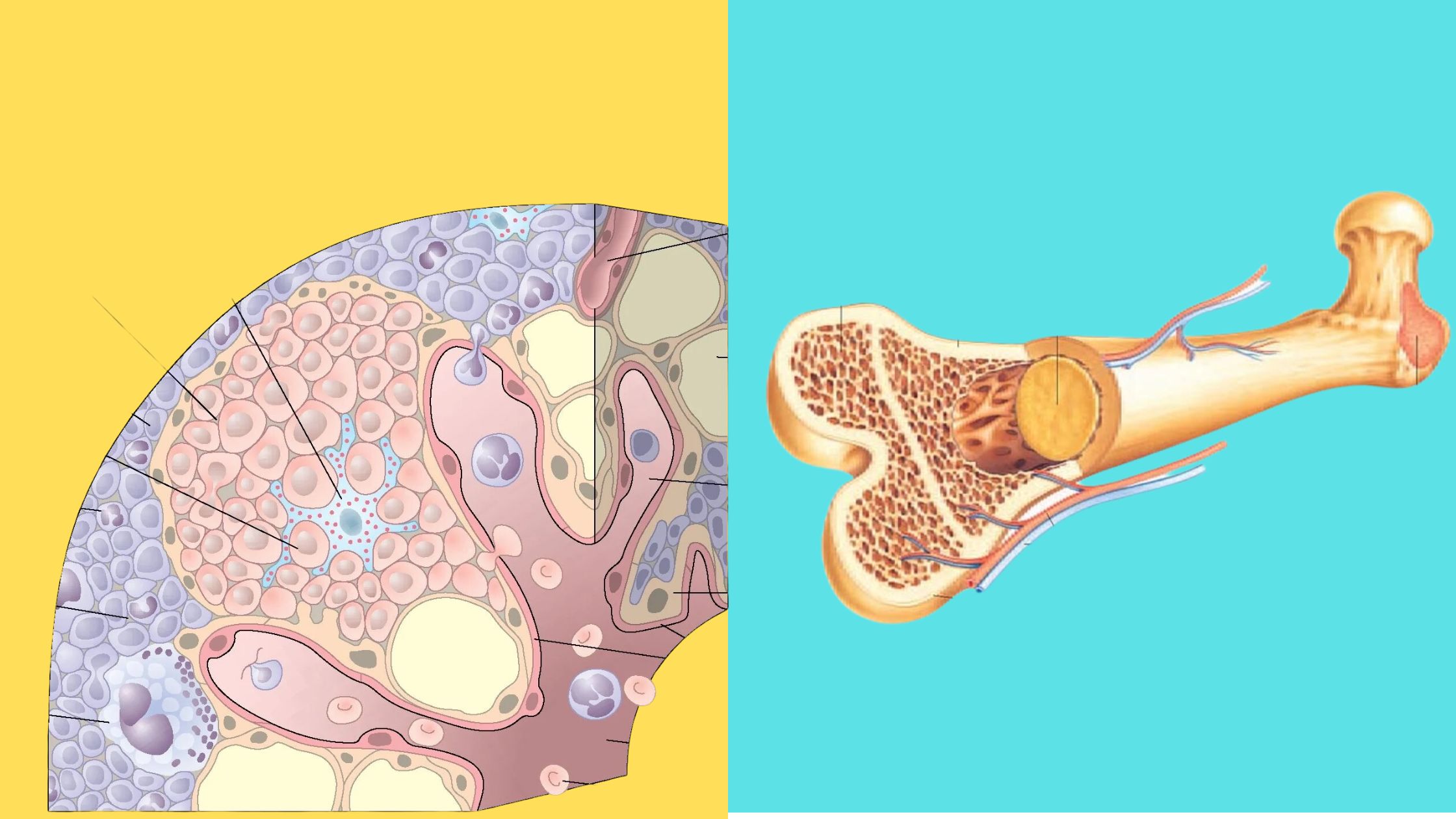
Bone marrow is a soft, spongy and gelatinous tissue present inside the hollow cavity of bones. It is mainly concerned with formation of blood cells. This process is called haematopoiesis. Bone marrow is a soft, spongy and gelatinous tissue inside the hollow spaces of some bones. It is present in hip bone, thigh bone, vertebrae, … Read more
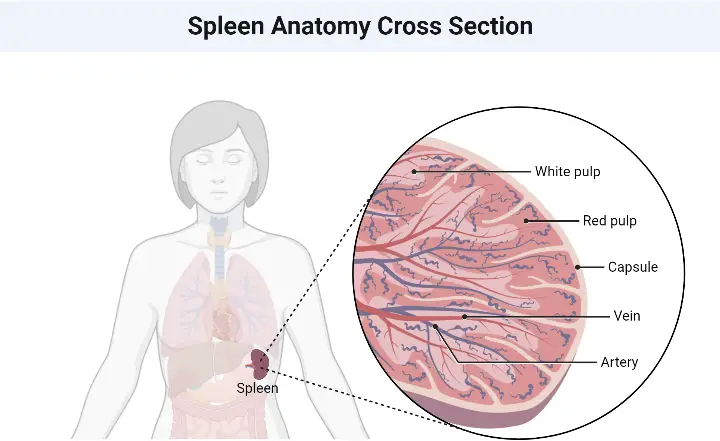
Spleen is the largest secondary lymphoid organ in human body. It is a soft, spongy and reddish purple organ. It filters the blood and not lymph. It is present in the upper left part of abdomen. This region is called left hypochondriac region. It lies behind and lateral to the stomach, below the left dome … Read more
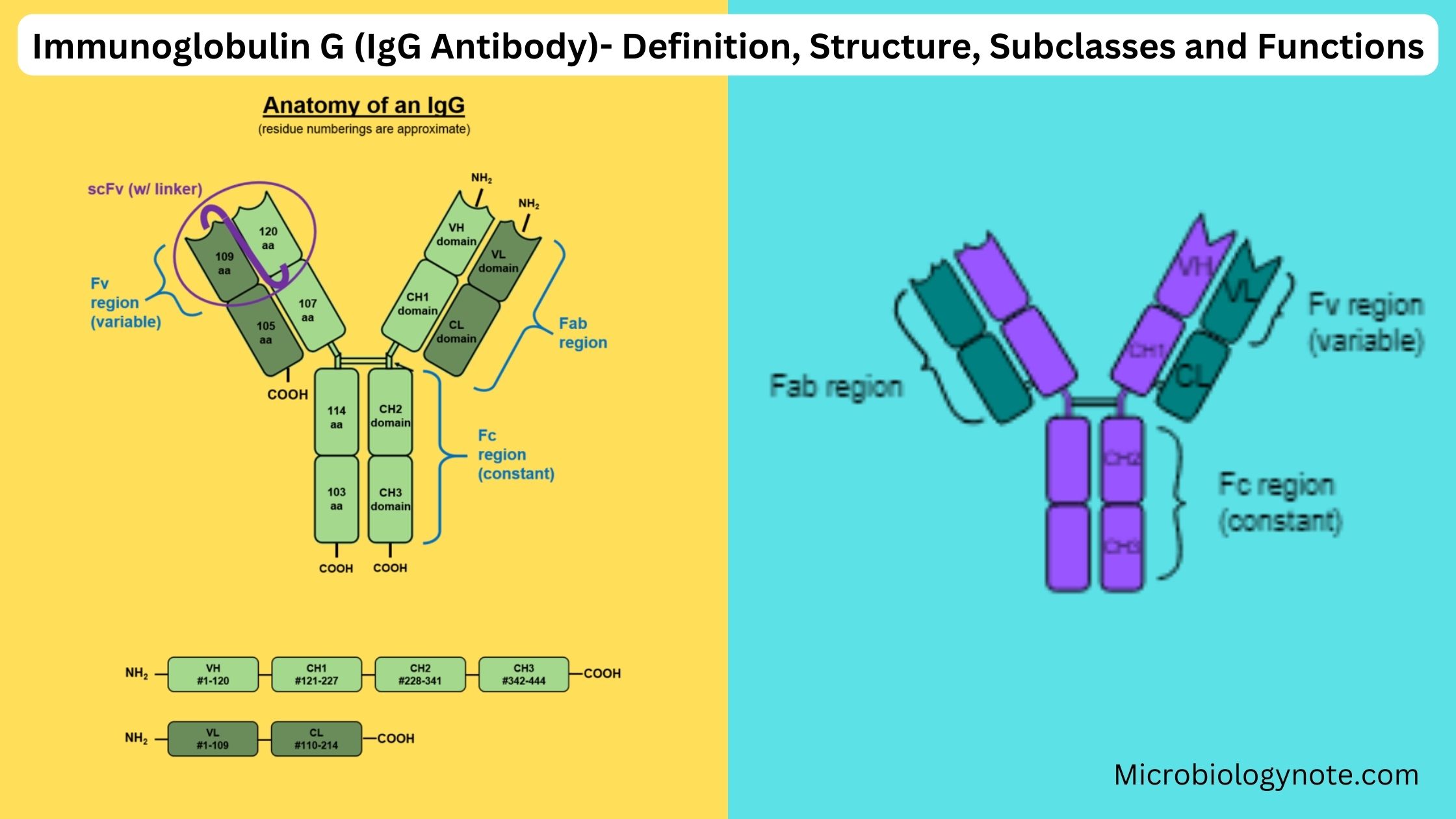
Immunoglobulin G (IgG) is the most abundant antibody present in human blood and tissue fluid. It is a Y-shaped glycoprotein produced by plasma cells. It gives long term protection by neutralizing toxins and microbes, opsonization and complement activation. Immunoglobulin G (IgG) is the most abundant antibody present in human blood. It forms about 10-20% of … Read more