

Immunological techniques are laboratory methods which are used to detect and measure different substances present in the body. It is mainly based on the specific reaction between antigen and antibody.
Antigen is a substance which can produce immune response in the body. Antibody is a protein molecule produced by immune system against that specific antigen. The binding between antigen and antibody is highly specific in nature.
These techniques are used to identify different biological substances like proteins, hormones, pathogens, and abnormal cells. Even when these substances are present in very small amount in blood, serum or other biological sample, they can be detected by immunological methods.
The main importance of immunological technique is their high sensitivity and specificity. So they are widely used in diagnosis of infectious diseases, autoimmune diseases, allergy, and cancer. It is also used for monitoring the disease condition and immune response.
Some of the important immunological techniques are ELISA (Enzyme Linked Immunosorbent Assay), Western blotting, Flow cytometry, and Immunohistochemistry. These methods may be simple rapid test or may be automated laboratory based test.
Different Types of Immunological Techniques
The following are the different types of immunological techniques–
- ELISA- Enzyme Linked Immunosorbent Assay is used to detect and measure specific antigen or antibody in a sample. In this method enzyme linked antibody is used. A measurable signal is produced, generally colour change. The main types are direct ELISA, indirect ELISA, sandwich ELISA, and competitive ELISA.
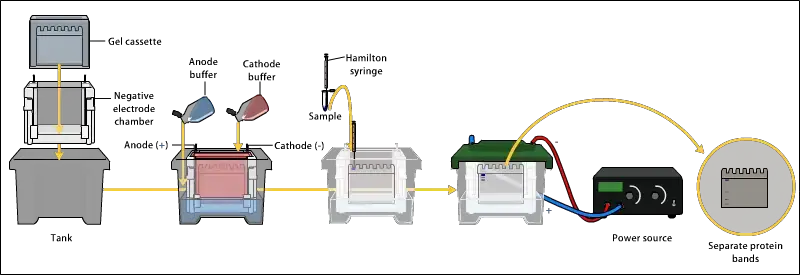
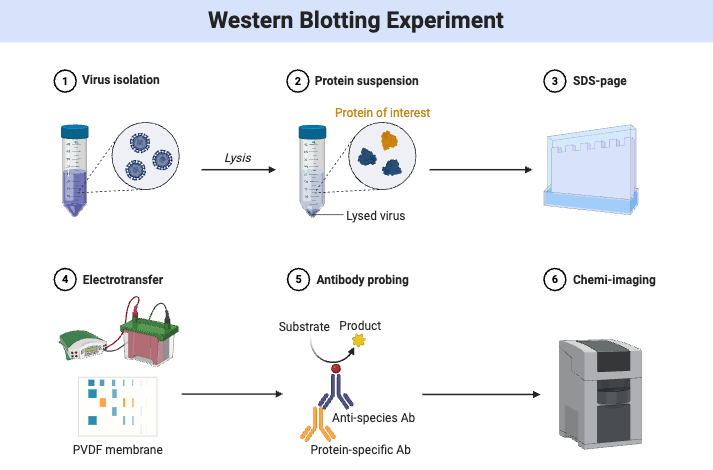
- Western blotting- Western blotting or immunoblotting is used for detection of specific protein. In this method proteins are first separated by gel electrophoresis according to their molecular weight. Then they are transferred to a membrane and identified by labelled antibodies.
- Flow cytometry- Flow cytometry is used to detect and measure physical and chemical properties of cells. In this method fluid suspension of cells is passed through laser beam. Fluorescent labelled antibodies are used for detection. FACS is a special type of flow cytometry which is used to separate specific cells from mixed cell population.
- IHC and ICC- Immunohistochemistry and Immunocytochemistry are used to detect the position of specific antigen in tissue or cell. IHC is used for preserved tissue section. ICC is used for cultured cells. Labelled antibodies are used and antigen location is visualized.
- IFA- Immunofluorescence Assay is used to detect specific antigen in cell or tissue sample. Fluorescent labelled antibodies are used in this method. The antigen-antibody reaction is then observed under fluorescence microscope.
- Immunoprecipitation- Immunoprecipitation is used to isolate specific protein from complex mixture. Antibody is attached with magnetic or agarose beads. The target protein binds with antibody and separated. Co-IP is used for protein-protein interaction and ChIP is used for protein-DNA interaction.
- ELISpot and FluoroSpot- These are highly sensitive methods used to detect individual immune cells which secrete specific proteins like cytokines. ELISpot uses enzyme linked detection method. FluoroSpot uses fluorescent detection method.
- Multiplex immunoassay- Multiplex immunoassay is used to measure many analytes in one small volume sample. It can detect many proteins, cytokines, or other molecules at the same time. Some common platforms are Luminex xMAP, Meso Scale Discovery (MSD), and Olink Proximity Extension Assay (PEA).
- Mass cytometry- Mass cytometry or CyTOF is a technique which combines flow cytometry with mass spectrometry. In this method antibodies are tagged with heavy metal isotopes. It is used to analyse many parameters on single cell, without fluorescent spectral overlap.
- Radioimmunoassay- Radioimmunoassay is used to measure antigen-antibody binding reaction. Radioactive labels are used in this method. It is a sensitive technique but radioactive material is required.
- Rapid diagnostic test- Rapid diagnostic test or lateral flow assay is a simple point of care test. It detects specific antigen or antibody by capillary action on test strip. The result is obtained within few minutes.
- Latex agglutination assay- Latex agglutination assay is based on visible clumping of latex beads. Antibody coated latex beads are used. When target antigen is present in the sample, cross-linking takes place and agglutination is seen.
- Neutralization test- Neutralization test is used to detect the ability of antibody present in patient serum to neutralize virus. The serum is mixed with specific virus and tested in cell culture. If antibody is present, the virus activity is inhibited.
- Single cell immune profiling- Single cell immune profiling is used to study immune cells at single cell level. It combines RNA sequencing with immune tracking. CITE-seq detects cell surface proteins and RNA. scTCR-seq and scBCR-seq are used to map T-cell or B-cell receptors.
- ICS- Intracellular Cytokine Staining is used to detect cytokine production inside single cells. Transport inhibitors are used to trap secreted proteins inside the cell. Then flow cytometry and labelled antibodies are used for detection.
Enzyme Linked Immunosorbent Assay (ELISA)
- ELISA is a sensitive laboratory technique. It is used to detect antigen or antibody in a biological sample. It is also called enzyme immunoassay.
- It is used for detection of proteins, peptides, hormones, and other substances. Both qualitative and quantitative estimation can be done by this method.
- It is commonly used for diagnosis of HIV, hepatitis, allergy, hormone disorder, and autoimmune disease. In autoimmune disease it detects autoantibodies like in lupus.
- ELISA is based on the reaction between antigen and antibody. This reaction is specific. Enzyme linked antibody is used for showing this reaction.
- In this test, a 96-well or 384-well microtiter plate is used. The surface of well is coated with known antigen or capture antibody.
- After coating, blocking is done. Protein solution like bovine serum albumin (BSA) is added. It fills the free empty places of the well and stops non-specific binding.
- The patient sample is added into the well. If the required antigen or antibody is present, it binds with the coated material. Then washing is done.
- Then enzyme linked antibody is added. It binds with the target molecule already attached in the well. Extra unbound antibody is removed by washing.
- After this, substrate is added. The enzyme acts on the substrate. Then colour change or fluorescent or chemiluminescent signal is formed.
- The colour intensity depends on amount of target substance. More target substance gives more signal in most of the ELISA method. The result is read by ELISA reader.
- Direct ELISA uses antigen coated plate. One enzyme linked primary antibody binds directly with the antigen. It is simple and rapid.
- Indirect ELISA uses antigen coated plate. First primary antibody binds with antigen. Then enzyme linked secondary antibody binds with primary antibody.
- Sandwich ELISA uses antibody coated plate. Target antigen is captured by this antibody. Then another enzyme linked antibody binds with antigen and forms antibody-antigen-antibody complex.
- Competitive ELISA is based on competition. Sample antigen and labelled antigen compete for same antibody binding sites. More antigen in sample gives less colour reaction.
- ELISA is highly sensitive. Very small amount of antigen or antibody can be detected. Many samples can be tested together in same plate.
- It is a quick and simple method. It needs small amount of sample. It is also less costly than many other confirmatory methods.
- ELISA has some limitations. It cannot show molecular weight or size of protein. It only shows presence and amount of target molecule.
- False positive or false negative result may occur. It may be due to cross reaction, contamination, improper washing, or technical mistake.
- The antibodies used in ELISA kit are unstable in wrong condition. So they should be kept in cold storage. Improper storage can damage the test result.
Western Blotting (Immunoblotting)
- Western blotting is a biochemical technique. It is also called immunoblotting. It is used to detect specific protein from a complex biological sample.
- In this method specific antibodies are used. The antibody binds with only target protein. So the required protein can be identified from many other proteins.
- It is used to know the presence of protein. It is also used to find relative amount of protein and molecular weight of protein. It can also help in study of post-translational modification and protein-protein interaction.
- Western blotting is used in research and clinical diagnosis. It is used as confirmatory test in some disease diagnosis. For example, it may be used after ELISA for confirmation of HIV infection.
- In this method biological sample like cells or tissues are first taken. The sample is lysed to release proteins. Then the proteins are treated with heat and sodium dodecyl sulfate (SDS).
- SDS denatures the protein and gives negative charge to them. The folded proteins become unfolded. This helps in separation of proteins mainly according to their molecular weight.
- The protein mixture is loaded into gel. Generally SDS-PAGE gel is used. Then electric current is passed through the gel.
- During electrophoresis, proteins move through the gel. Small proteins move faster and larger proteins move slowly. Thus proteins are separated according to size.
- After separation, proteins are transferred from gel to membrane. This step is called electroblotting. The membrane may be nitrocellulose or PVDF membrane.
- The transfer is done because antibody cannot easily react inside the gel. On membrane, the proteins become fixed and can be detected by antibodies.
- After transfer, blocking is done. Blocking solution is added to the membrane. It blocks the empty sites and prevents non-specific binding of antibody.
- Then primary antibody is added. This antibody binds specifically with the target protein. The membrane is washed to remove extra unbound antibody.
- After this secondary antibody is added. This secondary antibody binds with primary antibody. It is linked with enzyme or fluorescent label.
- Then substrate is added or special light is used according to detection method. A visible band is produced on the membrane. The band shows the presence of target protein.
- The position of band helps to know molecular weight of protein. The intensity of band gives idea about amount of protein. But it is mostly semi-quantitative method.
- Western blotting is highly specific. It can detect one target protein from thousands of proteins present in cell lysate. So it gives more reliable result.
- It gives clear visual band. The band pattern can be compared with marker protein. This helps in confirming size of target protein.
- It is more complex method than ELISA. Many steps are required. So it takes more time and cost is also higher.
- It is technically sensitive method. Impure sample, poor transfer, wrong antibody dilution or improper washing can give background noise. Sometimes weak band or false result may also occur.
- The visual signal may fade in some detection method. So result should be recorded properly. Proper control is also needed in this method.
Flow Cytometry
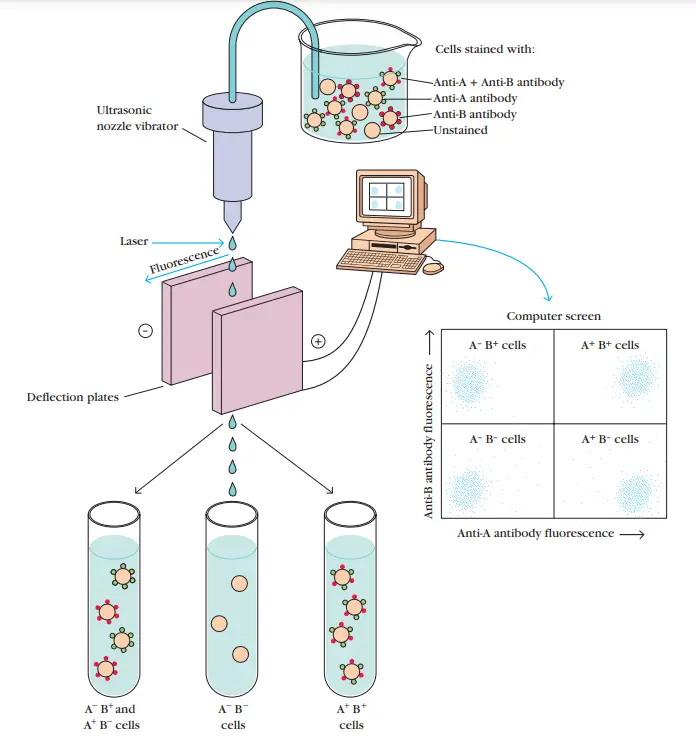
- Flow cytometry is a laser based analytical technique. It is used to detect and measure physical and chemical characters of individual cells or particles. The cells remain suspended in a fluid.
- It is mainly used in immunology and medical diagnosis. It helps to identify different types of cells in a mixed cell population. This is called immunophenotyping.
- It is used for diagnosis of immunodeficiency diseases by counting T cells and B cells. It is also used in diagnosis of blood cancers like leukemia and lymphoma.
- In this method, the biological sample is first prepared as single cell suspension. Cells should remain separate from each other. Clumped cells may affect the result.
- The cells are stained with antibodies joined with fluorescent dyes. These dyes are called fluorophores. The antibodies bind with specific cell surface or intracellular proteins.
- The prepared cell suspension is passed through the flow cytometer. The cells move in a narrow fluid stream. They pass one by one through the laser beam.
- When a cell passes through laser, light is scattered. The scattered light gives information about the cell. This is measured by detector present in the instrument.
- Forward scatter (FSC) gives idea about size of the cell. Large cell gives more forward scatter. So it is related with physical size of cell.
- Side scatter (SSC) gives idea about internal complexity of cell. Cells having more granules or internal structures show more side scatter. It is related with granularity.
- The laser also excites the fluorescent dye attached with antibody. Then fluorescent light is emitted from the cell. This emitted light shows presence of specific protein.
- More fluorescence means more amount of that target marker on the cell. In this way, different cell types can be detected by using different fluorescent antibodies.
- FACS means Fluorescence Activated Cell Sorting. It is a special type of flow cytometry. It does not only analyse cells but also separates selected cells.
- In FACS, cells are sorted according to fluorescence signal and light scatter. The cell containing droplet gets electric charge. Then it is separated into different collection tubes.
- FACS is useful when living cells are needed after sorting. These cells can be used for culture, molecular study, or other downstream experiments.
- Flow cytometry is a fast method. It can analyse thousands of cells in one second. So large number of cells can be studied in short time.
- It can study many parameters at the same time. Different fluorescent dyes are used together. So several markers can be measured on a single cell.
- It gives single cell level information. It does not give only average result of whole sample. So rare cell population can also be detected from mixed cells.
- It is a sensitive technique but proper sample preparation is important. Wrong antibody staining, dead cells, clumps, or poor instrument setting can give wrong result.
Immunohistochemistry (IHC) and Immunocytochemistry (ICC)
- Immunohistochemistry and Immunocytochemistry are immunological techniques. These are used to detect and visualize specific antigen or protein in biological sample. Specific labelled antibodies are used in both method.
- IHC is used for tissue section. The tissue may be frozen tissue or formalin-fixed paraffin embedded tissue. It shows the distribution of target protein inside preserved tissue structure.
- ICC is used for isolated cells or cultured cells. It is mainly used to see the location of protein inside the cell. It shows whether the protein is present in nucleus, cytoplasm, membrane or other cellular part.
- The main difference is the type of sample used. IHC is done on intact tissue section. ICC is done on separate cells. But both are based on antigen-antibody reaction.
- These methods are used in pathology laboratory. It helps in diagnosis of tissue abnormality, cancer, infection, and autoimmune disease. It is also used for staging and prognosis of cancer.
- These methods are also important in research work. It helps to know where a protein is present in its normal cell or tissue environment. So localization of protein can be studied.
- In this method, the sample is first prepared and fixed. Fixation preserves the proteins and cell structure. It prevents damage of tissue or cells during the test.
- In ICC, permeabilization is usually done after fixation. It makes small pores in cell membrane. So antibody can enter inside the cell and bind with intracellular antigen.
- After fixation, blocking is done. Blocking buffer is added to cover the empty binding places. It reduces non-specific binding of antibodies.
- Then primary antibody is added. The primary antibody binds specifically with the target antigen. This step is important because it gives specificity to the test.
- After washing, labelled detection antibody is added. It binds with the primary antibody. Then the antigen position becomes visible under microscope.
- In chromogenic detection, enzyme linked antibody is used. When substrate is added, enzyme reacts with substrate and forms coloured precipitate. The colour appears at the site of target protein.
- In fluorescent detection, fluorescent dye tagged antibody is used. These dyes are called fluorophores. The target protein gives fluorescence under fluorescence or confocal microscope.
- IHC and ICC preserve the tissue or cell arrangement. So it gives spatial information. It shows not only presence of protein, but also where the protein is present.
- These techniques give visual evidence. It helps to connect laboratory result with tissue structure. So it is useful in diagnosis of complex diseases like cancer.
- These methods are mainly qualitative. It can show location and expression pattern of protein. But it is not best method for exact quantity or molecular weight of protein.
- Exact amount of protein is better measured by ELISA. Molecular weight is better shown by Western blotting. So IHC and ICC are mainly used for localization study.
- Some limitations are also present. Tissue processing, fixation, staining, or washing mistake can create visual artifact. It may make result interpretation difficult.
- Wrong antibody selection or non-specific staining can give false result. So proper control is needed. Positive and negative control are generally used in this method.
Immunofluorescence Assay (IFA)
- Immunofluorescence Assay is an immunological technique. It is used to detect and visualize specific antigen or protein in cell or tissue sample.
- In this method, antibodies tagged with fluorescent dyes are used. These fluorescent dyes are called fluorophores or fluorochromes. They produce light after excitation.
- IFA is based on specific binding between antigen and antibody. The antibody binds with target antigen. Then fluorescence shows the position of antigen.
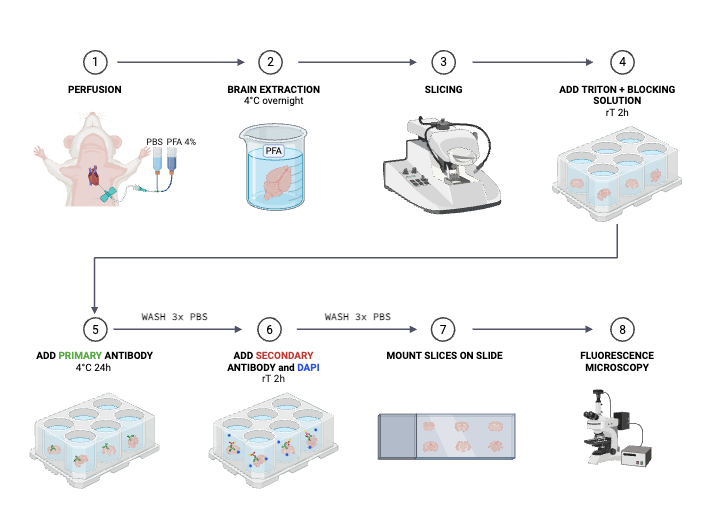
- In this method, biological sample is first prepared on slide. The sample may be intact cell or tissue section. It should be properly fixed to keep cell structure.
- The sample is treated with primary antibody. This primary antibody binds specifically with the target antigen. After this, washing is done to remove unbound antibody.
- Then fluorescent labelled secondary antibody is added. It attaches with the primary antibody. So the target antigen becomes linked with fluorescent dye.
- Common fluorescent dyes used are fluorescein isothiocyanate (FITC), rhodamine, R-phycoerythrin, and Texas red. Different dyes give different colour fluorescence.
- The slide is then observed under fluorescence microscope. Specific wavelength of light is used to excite the dye. Then the dye emits visible light at different wavelength.
- The antigen becomes visible as glowing area. The glowing area shows where the target protein or antigen is present in cell or tissue.
- IFA is used in diagnosis of infectious diseases. It can detect viral antigen inside infected cells. So viral infection can be identified.
- It is also used in autoimmune diseases. Patient sample is tested for specific autoantibodies. These autoantibodies helps in diagnosis of autoimmune conditions.
- IFA is used to study subcellular localization. It shows the exact distribution of protein inside tissue or cell. The protein may be present in nucleus, cytoplasm, membrane or other region.
- One important advantage of IFA is multiplexing. Different fluorescent dyes can be used in same sample. So many target proteins can be detected together.
- Different excitation lights and emission filters are used for different dyes. This helps to separate different colour signals. Thus more than one antigen can be seen in same slide.
- IFA gives visual result. It shows both presence and location of antigen. But proper staining and microscope setting are important.
- Non-specific staining may occur if blocking or washing is not proper. Fluorescence may also fade with time. So slide should be observed and recorded properly.
Immunoprecipitation (IP)
- Immunoprecipitation is an immunological technique. It is used to isolate and purify specific protein from a complex biological mixture. The mixture may be cell lysate or tissue lysate.
- In this method specific antibody is used. The antibody binds with the target antigen or protein. Then the antigen-antibody complex is separated from other proteins.
- IP is used to concentrate low amount protein. These proteins are sometimes present in very small quantity in cell lysate. After isolation, it can be studied by Western blotting, ELISA, or mass spectrometry.
- In this process, the biological sample is first prepared. The cells are lysed and proteins are released in solution. Proper lysis buffer is used to keep the target protein stable.
- Then primary antibody is added to the sample. It is incubated for some time. During this step antibody binds directly with the target protein.
- After antibody binding, solid beads are added. These beads may be agarose beads or magnetic beads. The beads are coated with secondary antibody or Protein A/G.
- The beads capture the antigen-antibody complex. So the target protein becomes attached with the beads. Other proteins remain free in solution.
- Then washing is done several times. Washing removes unbound cellular materials and impurities. Only target protein complex should remain attached with the beads.
- After washing, elution is done. In this step target protein is released from beads. Acidic solution or heat with detergent like SDS may be used for elution.
- The purified protein is then collected. It can be further analysed by different methods. Mostly it is detected by Western blotting.
- Co-Immunoprecipitation or Co-IP is a modified form of IP. It is used to study protein-protein interaction. Mild lysis and washing condition are used to keep weak interaction between proteins.
- In Co-IP, target protein is pulled down with antibody. The proteins attached with the target protein also come down with it. This helps to identify interacting proteins.
- Chromatin Immunoprecipitation or ChIP is another type of IP. It is used to study protein and DNA interaction. Cross-linking agent is used to preserve protein-DNA binding before isolation.
- ChIP helps to find the DNA sequence where a protein is bound. It is used for mapping protein-DNA interaction in genome.
- RNA Immunoprecipitation or RIP is used to study protein and RNA interaction. It isolates RNA molecules which are attached with specific RNA binding protein.
- The main advantage of IP is purification power. It can isolate low abundance target protein from mixed protein solution. It can also isolate intact protein complexes.
- Different beads can be used in this method. Agarose beads have high binding capacity due to porous structure. Magnetic beads are easy to handle and separation is rapid without centrifugation.
- IP needs good quality antibody. The antibody should be highly specific and high affinity. Low affinity antibody may not form stable complex with target protein.
- Target protein may be lost during washing steps. Too much washing or harsh buffer can remove the target protein. So washing condition should be properly maintained.
- The amount of antigen, antibody, and beads should be optimized. Wrong ratio can cause poor binding or weak complex formation. This is important in both monoclonal and polyclonal antibody based IP.
ELISpot and FluoroSpot Assays
- ELISpot means Enzyme Linked Immunospot assay. ELISpot and FluoroSpot are highly sensitive functional assays. These are used to detect individual immune cells which secrete specific proteins.
- These methods detect secreted proteins like cytokines, growth factors, and antibodies. It counts the cells which are actively producing these molecules. So it gives single cell level result.
- These assays are used for study of T cell and B cell immune response. It is used in vaccine research, immunotherapy study, and infectious disease monitoring. It is also used in diseases like Tuberculosis.
- In this method, 96-well microtiter plate is used. The plate has special membrane at the bottom. The membrane may be PVDF or nitrocellulose membrane.
- The membrane is coated with specific capture antibody. This antibody remains attached on the membrane. It is used to capture the secreted target protein.
- Living immune cells are added into the wells. The cells may be PBMCs or other immune cells. Then cells are stimulated to secrete the target protein.
- During incubation, activated cells release cytokines or other proteins. These proteins are captured by antibody present just below the cell. So the secreted protein does not spread much in liquid.
- After incubation, the cells are removed by washing. The captured secreted protein remains attached on the membrane. Then detection antibody is added.
- In ELISpot, enzyme linked detection antibody is used. After substrate addition, coloured spot is formed on the membrane. Each spot represents one secreting cell.
- In FluoroSpot, fluorescent labelled detection antibody is used. Different fluorescent colours can be used. So more than one secreted protein can be detected in same well.
- ELISpot is generally used to detect one target protein at a time. The spot is solid coloured. It is counted by ELISpot reader.
- FluoroSpot can detect multiple proteins from same cell. It can detect up to four different secreted proteins by using different fluorescent signals. This is called multiplexing.
- These assays are very sensitive. It can detect rare responding cells from very large cell population. Sometimes one responding cell can be detected among many lakh cells.
- ELISpot and FluoroSpot give functional single cell resolution. It does not only measure total protein in fluid like ELISA. It shows how many cells are actually secreting the protein.
- These methods are useful when low frequency immune response is present. It is important in vaccine trial, infection study, and immune monitoring.
- One limitation is that these assays do not clearly identify cell subtype. It can count secreting cells, but cannot easily show whether it is CD4+ T cell or CD8+ T cell like flow cytometry.
- These methods need live and healthy cells. Dead cells, debris, or poor cell viability can make background spots. So sample quality is important.
- High background noise may occur if washing or blocking is not proper. False spot may form on membrane. Proper control wells are needed for correct result.
Multiplex Immunoassays
- Multiplex immunoassays are advanced laboratory techniques. These are used to detect and measure many analytes at the same time. The analytes may be proteins, peptides, antibodies, or cytokines.
- In this method, one small biological sample is used. Many target molecules can be tested from same sample. So repeated single test is not needed.
- These methods are used in biomarker discovery and clinical diagnosis. It is also used to study immune response in infection. It is useful in drug and vaccine development.
- The main advantage is small sample requirement. Very low amount of sample is needed. Usually 1 to 50 microliters sample may be enough for the test.
- It saves time and cost. Many targets are analysed together in same run. So labour work becomes less and cost per analyte is also reduced.
- It gives more complete data about biological response. For example, many cytokines can be studied together. So relation between different cytokines can be compared.
- It also reduces variation between separate tests. Because many analytes are measured in same sample and same condition. This makes data more useful.
- These assays have broad dynamic range. It can detect proteins present in low amount and high amount. So repeat dilution or repeat testing becomes less.
- Luminex xMAP is a bead based multiplex immunoassay. It uses colour-coded magnetic or polystyrene microspheres. Each bead group has different fluorescent colour.
- In Luminex xMAP, each bead set is coated with specific antibody. The antibody captures one target analyte. By using laser or LED, different beads and signals are measured.
- Luminex xMAP can measure many cytokines from one well. Up to about 100 cytokines can be detected together. So it is used for cytokine profiling.
- Meso Scale Discovery or MSD is another multiplex platform. It is based on electrochemiluminescence immunoassay (ECLIA). Patterned carbon electrodes are present at the bottom of special plate.
- In MSD, detection antibodies are tagged with electrochemiluminescent label. When voltage is applied, light is produced. This light is measured for quantification of analyte.
- MSD can detect about 10 compatible analytes at the same time. It needs very small sample volume. It gives accurate result for selected analyte panel.
- Olink Proximity Extension Assay or PEA is a highly specific method. It uses paired antibodies. These antibodies are labelled with complementary DNA oligonucleotides.
- In Olink PEA, both antibodies bind with the same target protein. Then their DNA tags come close to each other. Enzyme extends the DNA tags and forms a unique DNA barcode.
- The DNA barcode is amplified and measured by qPCR or Next Generation Sequencing (NGS). By this method many proteins can be measured together.
- Olink PEA can measure very large number of proteins. It can analyse up to 5000+ proteins at the same time. So it is useful for large scale protein biomarker study.
- Multiplex immunoassays are useful but need proper validation. Cross reaction between antibodies may occur. Wrong panel selection or poor sample quality can affect the result.
- These methods are more advanced than single ELISA. But instrument, kit, and data analysis are more complex. So trained handling is required.
Mass Cytometry (CyTOF)
- Mass cytometry is an advanced analytical technique. It is also called CyTOF or Cytometry by Time-Of-Flight. It combines single cell analysis of flow cytometry with mass spectrometry.
- In this method, single cells are studied one by one. Many cell markers can be detected at the same time. So it gives deep information about cell type and cell function.
- CyTOF is mainly used for immune profiling. It is used in study of cancer, multiple sclerosis, autoimmune disorders, HIV/AIDS, and transplant monitoring.
- In ordinary flow cytometry, fluorescent dyes are used. But in CyTOF, antibodies are tagged with stable rare heavy metal isotopes. Mostly lanthanides are used for this purpose.
- The biological sample is first stained with these metal tagged antibodies. Each antibody binds with a specific cell surface or intracellular protein. So each metal label represents one marker.
- After staining, the cells are made into single cell aerosol. The labelled cells are nebulized and passed into the instrument. Cells enter one by one.
- The cells are then injected into super-heated argon plasma torch. In this step each cell is completely vaporized and ionized. It forms a cloud of free atoms.
- The ion cloud then passes through a quadrupole filter. This filter removes common low weight biological elements like carbon, nitrogen and oxygen. Heavy metal reporter ions remain for detection.
- Then Time-of-Flight mass spectrometer is used. It separates the heavy metal ions according to their mass-to-charge ratio. Each metal has its own specific mass.
- The amount of each metal ion detected shows amount of target protein present on or inside the cell. So marker expression is measured in single cell level.
- The major advantage of CyTOF is massive multiplexing. More than 40 parameters can be measured from one cell. In theory, even 100 or more markers can be studied.
- It gives more complete view of immune cell phenotype. Many cell populations and functional states can be detected from same sample. So it is useful in complex immune study.
- There is no spectral overlap problem in CyTOF. It uses atomic mass, not light emission. So compensation like fluorescent flow cytometry is not needed.
- There is almost no autofluorescence. Biological cells do not naturally contain rare heavy metals. So background noise is very low.
- CyTOF is highly sensitive and accurate. Rare cell population can be studied. Many markers can be compared together in one experiment.
- One limitation is that cells are destroyed during analysis. The cells are vaporized in plasma torch. So living cells cannot be recovered after testing.
- It cannot sort live cells for further experiment like FACS. It only gives analytical data. The cell is lost after measurement.
- The acquisition speed is slower than normal flow cytometry. It may analyse about 1000 cells per second. Conventional flow cytometry can analyse much faster.
- The technique is costly. The instrument is expensive. Heavy metal tagged antibodies and inert gas are also needed continuously.
- Proper sample preparation and panel design are important. Wrong antibody selection or poor staining can affect result. Data analysis is also complex and needs trained handling.
Radioimmunoassay (RIA)
- Radioimmunoassay is an immunological assay. It is used to measure antigen-antibody reaction. In this method radioactive label is used.
- RIA is a very sensitive technique. It can detect very small amount of substance in the sample. Mostly it is used for measuring hormones and other biological molecules.
- In this method, radioactive labelled antigen or antibody is used. The radioactive label is also called radioisotope. The emitted radiation is measured for result.
- Common radioisotope used in RIA is Iodine-125. It emits low energy gamma rays. These rays can be detected by suitable detector or X-ray film.
- In this test, patient sample is mixed with specific antibody and radioactive antigen. The sample antigen and radioactive antigen compete for same antibody binding site.
- If more antigen is present in patient sample, less radioactive antigen will bind with antibody. So radioactivity of bound complex becomes lower.
- If less antigen is present in patient sample, more radioactive antigen will bind with antibody. So radioactivity of bound complex becomes higher.
- In some indirect method, radioisotope labelled secondary antibody is used. This secondary antibody binds with primary antibody. Then radioactivity is measured.
- After binding reaction, bound and free materials are separated. The radioactivity of bound or free fraction is measured. From this, amount of antigen in sample is calculated.
- RIA is commonly used for hormone measurement. It is used to estimate insulin level in patient with diabetes. Other hormones can also be measured by this method.
- It is useful in clinical diagnosis and research work. Low concentration molecules can be detected properly. So it was widely used before non-radioactive immunoassays became common.
- The major advantage of RIA is high sensitivity. It gives accurate measurement even when the target molecule is present in very small amount.
- The main limitation is use of radioactive material. Special laboratory, proper shielding, and trained person are needed. Radioactive waste disposal is also required.
- Radioisotopes have limited shelf life. They decay with time. So storage and handling should be done carefully. Improper handling may affect the result and safety.
Latex Agglutination Assays
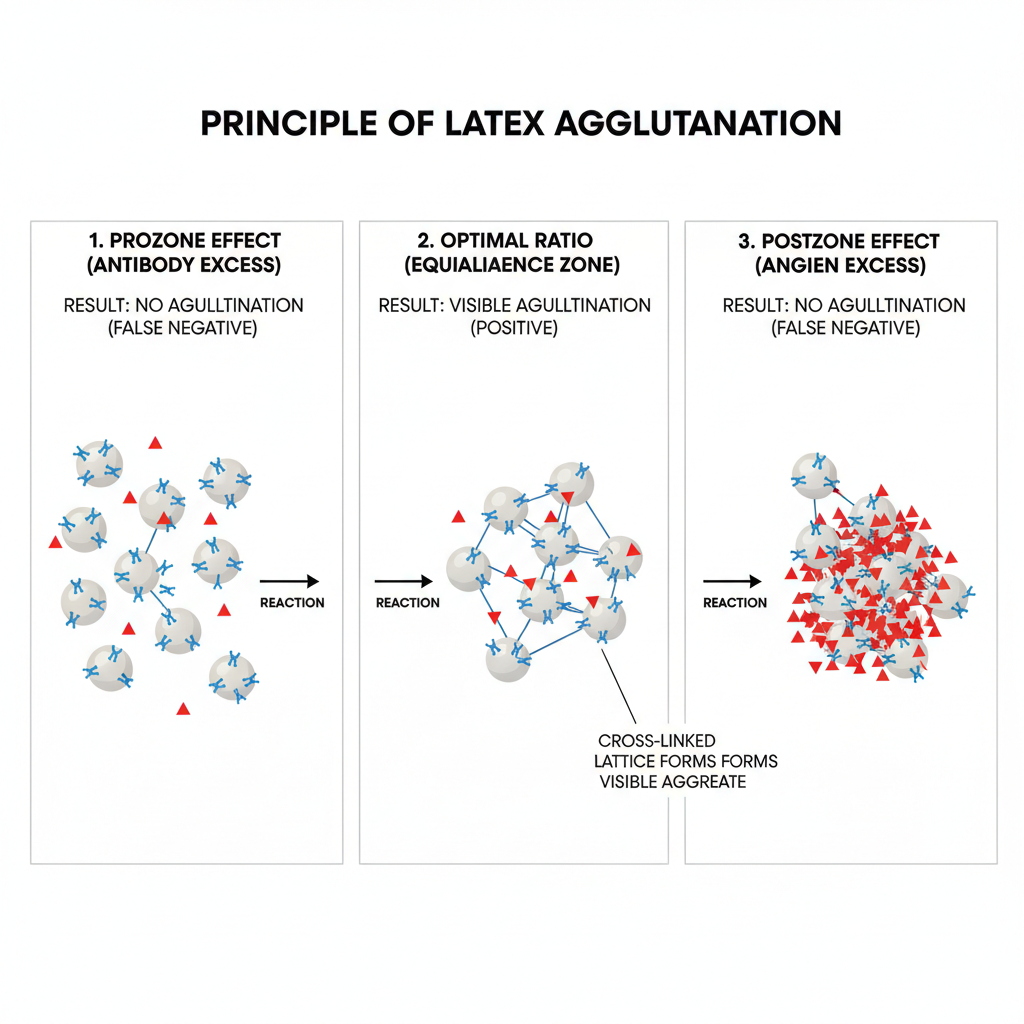
- Latex agglutination assay is a simple immunological test. It is used to detect target antigen in a biological sample. The result is seen by visible clumping.
- In this method, specific antibodies are attached on the surface of latex beads. These beads act as carrier particles. They help to show the antigen-antibody reaction clearly.
- Very small amount of sample is needed in this test. Usually 10 to 50 microliters sample is enough. The sample may be serum, urine, stool or other patient sample.
- The sample is mixed with antibody coated latex beads. If target antigen is present, it binds with antibodies present on many latex beads.
- The antigen joins two or more beads together. This is called cross-linking. Due to this cross-linking, beads form visible clumps.
- The visible clumping is called agglutination. It can be seen by naked eye. So special instrument is not needed for reading the result.
- If agglutination is present, the test is positive. It shows the target antigen is present in the sample. If no clumping is seen, the test is negative.
- Latex agglutination assay is used in clinical diagnosis. It is used for rapid detection of some viral antigens. Examples are adenovirus and rotavirus from stool sample.
- This test is very rapid. The result is generally obtained within 15 minutes. So it is useful for quick screening.
- It is simple and low cost method. It does not need complicated laboratory procedure. It can be performed easily with small sample volume.
- The main limitation is lower sensitivity. It may not detect all positive cases. Its sensitivity is lower than sandwich ELISA or molecular methods.
- The result is mainly qualitative. It gives only positive or negative result. It cannot measure exact amount of antigen present in the sample.
- False negative may occur when antigen is very low in amount. False positive may occur due to non-specific clumping or contamination. So proper control should be used.
Neutralization Tests
- Neutralization test is a classical immunological method. It is used to detect the ability of antibodies to neutralize a specific virus.
- In this test, patient serum is used. The serum may contain specific antibodies against the virus. These antibodies are tested for their neutralizing action.
- The patient serum is mixed with known virus. The mixture is kept for some time. During this time antibody can bind with virus if it is present.
- If neutralizing antibody is present, it binds with viral surface antigen. It blocks the virus from entering into host cells. So viral infection is reduced or stopped.
- After mixing, the virus-serum mixture is added into cell culture. The cell culture is observed for viral growth or cell damage. This damage is called cytopathic effect.
- If the virus is neutralized, the cells remain healthy. Less cell damage is seen. It shows that neutralizing antibody is present in serum.
- If neutralizing antibody is absent, the virus infects the cells. Cytopathic effect is seen in the cell culture. It shows no proper neutralization.
- This test is used to know immune status of a person. It can show whether the person has protective antibody against a virus or not.
- It is also used to detect active or past infection. Higher neutralizing antibody level may show previous exposure, vaccination response, or current immune response.
- Neutralization test is important in vaccine study. It helps to measure whether vaccine produced protective antibodies. So it is used in vaccine evaluation.
- The result may be expressed as neutralizing antibody titre. It means highest dilution of serum which can still neutralize the virus. More titre means stronger neutralizing activity.
- This test is specific and biologically meaningful. It does not only show antibody binding. It shows whether antibody can actually block viral infectivity.
- The limitation is that it needs live virus and cell culture. So proper biosafety laboratory is needed. It is also time taking than rapid immunological tests.
- Cell culture condition, virus dose, serum dilution, and incubation time should be properly maintained. Otherwise wrong result may occur. Controls are also required in this test.
Single-Cell Immune Profiling
- Single-cell immune profiling is an advanced high-throughput technique. It is used to study individual immune cells one by one. It gives information about genes, RNA, and surface proteins of immune cells.
- In this method, each immune cell is analysed separately. So the result is not average of whole sample. It helps to identify rare immune cells and different immune cell states.
- It is used to study immune system in more deep way. It helps to track immune cell lineage. It also helps to know how immune cells change during disease or treatment.
- Single-cell RNA sequencing or scRNA-seq is one important method. It measures mRNA transcripts present in individual cells. By this, gene expression pattern of each cell is known.
- scRNA-seq helps to identify different cell types and cell functions in a mixed tissue sample. It can show activated cell, resting cell, exhausted cell, and other cell states.
- CITE-seq means Cellular Indexing of Transcriptomes and Epitopes by Sequencing. It measures RNA expression and cell surface proteins together in same cell.
- In CITE-seq, antibodies are attached with unique DNA barcodes. These antibodies bind with surface proteins of cell. Then both RNA and DNA barcode are sequenced together.
- CITE-seq gives more detailed immune phenotype. It shows what genes are active inside the cell and what proteins are present on cell surface.
- scTCR-seq and scBCR-seq are used to study T-cell receptor and B-cell receptor. These receptors are important for antigen recognition by immune system.
- By sequencing TCR and BCR, immune diversity can be studied. It also shows clonal expansion. Clonal expansion means multiplication of same immune cell clone against specific antigen.
- In this method, tissue is first broken into single cell suspension. Cells should be separated properly. Dead cell and clumps should be removed as much as possible.
- The cell suspension is passed through microfluidic machine. Each single cell is trapped inside small water-in-oil droplet. This droplet is also called GEM.
- Each droplet contains one cell, one gel bead, and reaction reagents. The cell breaks inside the droplet. Then RNA and DNA-tagged antibody molecules are released.
- The released molecules bind with gel bead. The gel bead adds a unique cellular barcode. This barcode helps to know from which single cell the RNA or protein signal came.
- After this, barcoded fragments are amplified. Then Next Generation Sequencing (NGS) is done. Large data is then analysed by bioinformatic software.
- Single-cell immune profiling is used in cancer study. It helps to study tumor-infiltrating lymphocytes (TILs). It also helps to know how tumor escape from immune response.
- It is used in cancer immunotherapy study. It can show which immune cells respond to treatment. It can also help to monitor patient response.
- It is used in infectious disease study. It helps to map immune response against virus and bacteria. It is used in study of COVID-19, influenza, and tuberculosis.
- It is also used in autoimmune and chronic inflammatory diseases. Examples are rheumatoid arthritis, systemic lupus erythematosus (SLE), type 1 diabetes, and multiple sclerosis.
- In these diseases, it helps to detect auto-reactive immune clones. It also shows abnormal immune pathways and dysregulated cell populations.
- The main advantage is single cell level information. Rare cells, exhausted immune cells, and hidden cell subsets can be identified. These may not be detected in bulk sequencing.
- It also links different type of data from same cell. In CITE-seq, transcriptome and surface protein can be studied together. So immune cell identity becomes more clear.
- The limitation is that it needs good quality single cell suspension. Poor sample, dead cells, or doublets can affect the result. Data analysis is also complex.
- It is costly technique. Special instrument, sequencing platform, and bioinformatics support are required. So it is mainly used in advanced research and clinical study.
Intracellular Cytokine Staining (ICS)
- Intracellular Cytokine Staining is an immunological technique. It is used to detect cytokines present inside individual cells. It is done by using flow cytometry.
- ICS can detect cytokine production and cell type at the same time. So it can show whether the cytokine is produced by CD4+ T cell, CD8+ T cell, or other immune cell.
- It is used in clinical trial and research work. It helps to study immune response after infection, vaccination, or any stimulation. It shows which immune cell is responding.
- In this method, living immune cells are used. Mostly PBMCs are used. These cells are stimulated by antigen or other stimulant to produce cytokines.
- During stimulation, protein transport inhibitors are added. Common inhibitors are brefeldin A and monensin. These stop secretion of cytokines from the cell.
- Due to this inhibition, cytokines remain trapped inside the cell. Mainly it is trapped in endoplasmic reticulum and Golgi apparatus. So intracellular cytokine can be detected.
- After stimulation, surface staining is done. Fluorescent labelled antibodies are added against cell surface markers. These markers identify the cell type or subtype.
- A viability dye is also added. It helps to detect dead cells. Dead cells can be removed during data analysis.
- After surface staining, fixation is done. In this step, cells are killed and preserved. The cell structure and proteins are kept stable.
- Then permeabilization is done. Small pores are made in the cell membrane. So antibodies can enter inside the cell.
- After this, intracellular staining is done. Fluorescent labelled antibodies against specific cytokines are added. These antibodies enter into cell and bind with trapped cytokines.
- Then the sample is run through flow cytometer. Laser excites the fluorophores. The emitted fluorescence is measured from each single cell.
- The result shows both cell identity and cytokine production. For example, it can show IFN-γ producing CD8+ T cells or IL-2 producing CD4+ T cells.
- The main advantage of ICS is deep phenotyping. It does not only count secreting cells like ELISpot. It also shows which cell type is producing the cytokine.
- ICS can detect many cytokines in same cell. This is called polyfunctionality. One cell may produce IFN-γ, TNF-α, IL-2, or other cytokines together.
- It is highly multiplex method. Many fluorescent colours can be used in same flow cytometry panel. Conventional panels may use 16 colours and spectral cytometry can use more than 30 colours.
- Background noise is low in this method. Dead cells and debris can be gated out by using viability dye. So the result becomes more reliable.
- One limitation is moderate sensitivity. It can detect about one responding cell in 10,000 to 100,000 cells. It is less sensitive than ELISpot for very rare responding cells.
- The method is technically difficult. Stimulation, staining, compensation, gating, and data analysis must be properly done. Wrong panel design may affect the result.
- The cells are destroyed in this method. Because fixation kills the cells. So living cells cannot be recovered for further culture or downstream experiment.
References
- (PDF) NGS and Immunogenetics: Sequencing the HLA Genes – ResearchGate. (n.d.). [URL]
- Sandberg, T. (2024, January 24). A comparison of ELISpot and FluoroSpot with flow cytometry methods. Mabtech. [URL]
- A versatile flow-based assay for immunocyte-mediated cytotoxicity. (n.d.). PMC – NIH. [URL]
- National Library of Medicine. (2025, March 19). ANA (Antinuclear Antibody) Test. MedlinePlus. [URL]
- Gudadhe, S. B., Zodape, P. P., Lokhande, V. K., Bijwar, R. S., & Barde, L. N. (2025). Advanced method of immunological disease diagnosis. World Journal of Pharmaceutical Research, 14(4), 59-77. [PDF]
- Kroemer, T. (n.d.). An introduction to primary antibodies and secondary antibodies. GoldBio. [URL]
- An introduction to immunology and immunopathology. (n.d.). PMC – NIH. [URL]
- Analytical report on immunological techniques: Principles, methodologies, and clinical applications. (n.d.). [Markdown]
- Hamnett, R. (2024, September 30). Antibody applications and validation. Antibodies.com. [URL]
- Antibody methods & techniques. (n.d.). Abcam. [URL]
- Antinuclear antibodies in autoimmune and allergic diseases. (n.d.). PMC – NIH. [URL]
- National Library of Medicine. (2024, June 3). CCP Antibody Test. MedlinePlus. [URL]
- Tjoonk, N. (2023, January 3). CITE-seq: Single-cell RNA sequencing plus surface protein analysis. Single Cell Discoveries. [URL]
- Chromium-51 release assay. (n.d.). Revvity. [URL]
- Frank, S. A. (2002). Classifications by antigenicity and phylogeny. In Immunology and Evolution of Infectious Disease. Princeton University Press. [URL]
- CyTOF. (2014). Stanford University. [URL]
- CyTOF. (2026, April 16). In Wikipedia. [URL]
- CyTOF single-cell proteomics. (n.d.). Standard BioTools. [URL]
- CyTOF® for the masses. (n.d.). PMC – NIH. [URL]
- Gatta, F. (2024, January 11). ELISA vs Western blot: When to use each immunoassay technique. Thermo Fisher Scientific. [URL]
- ELISPOT assays. (n.d.). ImmunoSpot. [URL]
- ELISPOT protocol. (2025, July 3). Abcam. [URL]
- Vandamme, C., & Montamat-Sicotte, D. (2024, November 19). ELISpot vs. ICS: Optimizing immune monitoring in clinical trials with the right functional assay. CellCarta. [URL]
- Elispot assays: State-of-the-art tools for functional analysis of cellular immunology [White paper]. (n.d.). Sigma-Aldrich/Merck Millipore. [PDF]
- D’Amico, D. (2025, September 11). Guide to multiplex immunoassays: Multiplex ELISA and more. Thermo Fisher Scientific. [URL]
- Lázár-Molnár, E. (2026, April). HLA testing. ARUP Consult. [URL]
- White, J. (2025, October 10). Immunologic diagnostic techniques | Importance, uses & benefits. Study.com. [URL]
- Immunological detection and characterization. (n.d.). PMC – NIH. [URL]
- Immunology. (n.d.). Creative Diagnostics. [URL]
- Immunology. (2026, May 5). In Wikipedia. [URL]
- Introduction to immunology and immune disorders. (n.d.). PMC – NIH. [URL]
- LDH assay kit guide: Principles and applications. (n.d.). Abcam. [URL]
- Mass cytometry (CyTOF). (n.d.). R&D Systems. [URL]
- Measuring cytotoxicity by bioluminescence imaging outperforms the standard chromium-51 release assay. (n.d.). PMC – NIH. [URL]
- Molecular typing education. (n.d.). Thermo Fisher Scientific. [URL]
- Multiplex assay kits. (n.d.). Meso Scale Discovery. [URL]
- Multiplex cytokine assays compared: Luminex, MSD, and ELISA. (n.d.). Eve Technologies. [URL]
- Multiplex analysis of inflammatory proteins: A comparative study across multiple platforms [White paper]. (2022, October 11). Olink Proteomics. [PDF]
- Rapid flow cytometry-based assay for the evaluation of γδ T cell-mediated cytotoxicity. (n.d.). PMC – NIH. [URL]
- Lawver, J. (2024, October 9). Reading autoimmune blood tests: A simple guide to understanding lab results. Guava Health. [URL]
- He, J., Shen, J., Luo, W., Han, Z., Xie, F., Pang, T., Liao, L., Guo, Z., Li, J., Li, Y., & Chen, H. (2022). Research progress on application of single-cell TCR/BCR sequencing technology to the tumor immune microenvironment, autoimmune diseases, and infectious diseases. Frontiers in Immunology, 13, 969808. [URL]
- Single cell and immunoanalysis core. (n.d.). The Human Skin Disease Resource Center. [URL]
- Tests for autoimmune diseases. (n.d.). Quest Diagnostics. [URL]
- Huang, Y. V., Waliany, S., Lee, D., Galdos, F. X., Witteles, R. M., Neal, J. W., Fan, A. C., Maecker, H. T., Nguyen, P. K., Wu, S. M., & Zhu, H. (2022). The role of single-cell profiling and deep immunophenotyping in understanding immune therapy cardiotoxicity. JACC: CardioOncology, 4(5), 629–634. [URL]
- The principle and method of immunoprecipitation (IP). (n.d.). MBL Life Science. [URL]
- What is PEA? (n.d.). Olink. [URL]
- What is immunology? (n.d.). British Society for Immunology. [URL]
- consHLA: A next generation sequencing consensus-based HLA typing workflow. (n.d.). PMC – NIH. [URL]
- scRNA immune sequencing. (n.d.). UTHealth Houston. [URL]