

Stem cell is a undifferentiated special type of cell which can give rise to many other specialized cells of the body. It is also called body’s master cell. These cells are found in embryo and also in some adult tissues.
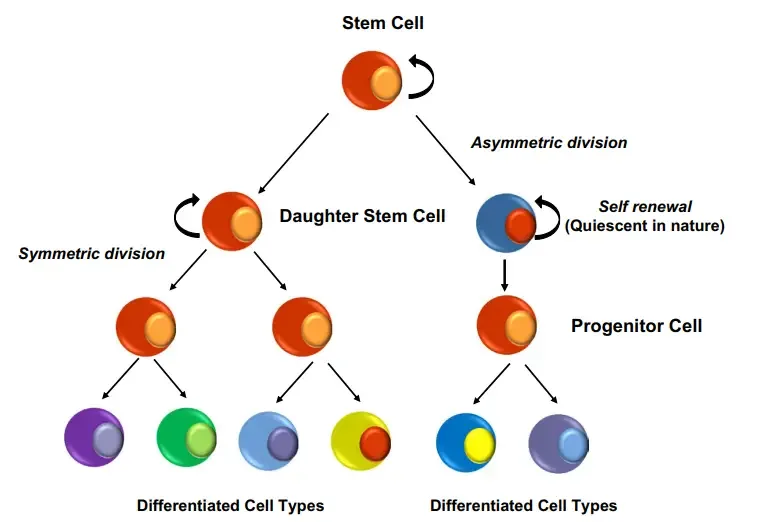
Stem cells have two important properties. One is self renewal and another is differentiation. Self renewal means the stem cell can divide again and again and produce same type of stem cells. Differentiation means the stem cell can change into other functional cells like blood cells, nerve cells, muscle cells and other body cells.
These cells act as internal repair system of the body. During injury or damage, stem cells help to form new cells and replace the damaged tissue. They also maintain normal healthy tissue by producing fresh cells when required.
According to their ability, stem cells are of different types. Embryonic stem cells are highly active and can form many types of body cells. Adult stem cells are more limited and usually form the cells of particular tissue where they are present.
Properties of Stem Cells
The following are the important properties of stem cells–
- Self-renewal– Self-renewal is the ability of stem cells to divide and form same type of unspecialized stem cells. It can divide many times under suitable condition.
- Differentiation– Differentiation is the ability of stem cells to change into specialized functional cells like blood cells, nerve cells, heart muscle cells and other cells.
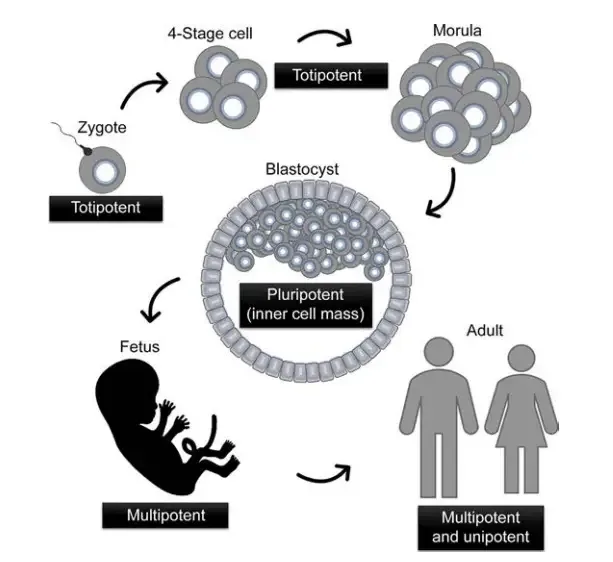
- Potency– Potency means the capacity of stem cell to form different types of cells. Totipotent cells can form whole organism. Pluripotent cells can form cells of three germ layers. Unipotent cells can form only one mature cell type.
- Regeneration– Stem cells help in repair of damaged tissue. They replace the cells which are lost due to injury or normal wear and tear.
- Homing– Homing is the ability of stem cells to move toward injury site. Damaged cells release chemical signals and stem cells migrate to that damaged area.
- Paracrine signalling– Stem cells release growth factors, cytokines and small vesicles like exosomes. These substances act on nearby cells and help in natural healing process.
- Immunomodulation– Some stem cells like mesenchymal stem cells and hematopoietic stem cells regulate immune response. They reduce excessive inflammation and help in tissue healing.
Types of Stem Cells
The types of stem cells are generally divided on the basis of their origin and potency.
A. Types of Stem Cells by Origin
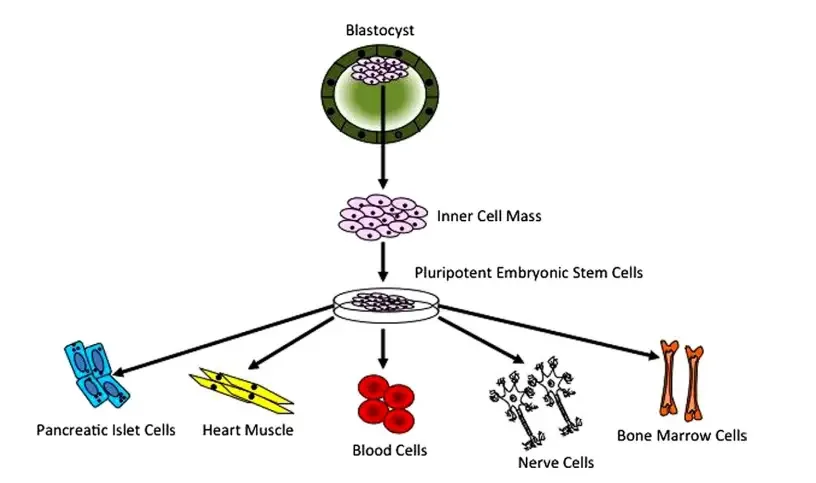
- Embryonic stem cells– These stem cells are obtained from the inner cell mass of early embryo called blastocyst. It is about 3 to 5 days old embryo. These cells are highly active and can form almost all types of cells of human body.
- Adult stem cells– Adult stem cells are also called somatic stem cells. These are found in small number in adult tissues like bone marrow, fat tissue and epidermis. They help in local repair and replacement of damaged cells, but their capacity is more limited than embryonic stem cells.
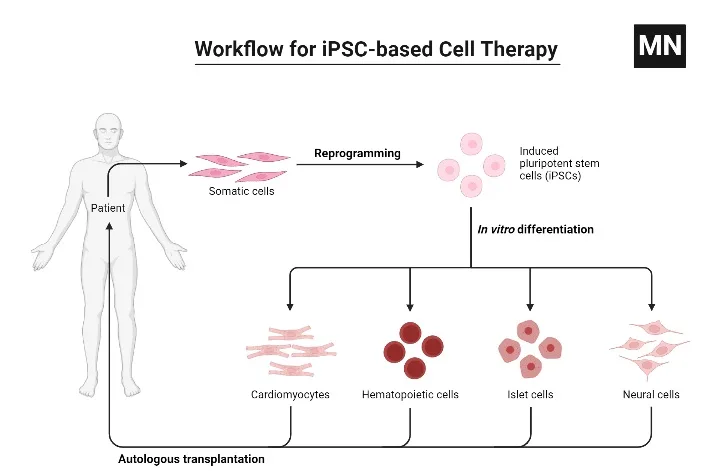
- Induced pluripotent stem cells– Induced pluripotent stem cells (iPSCs) are prepared from normal adult body cells like skin cells. These cells are genetically reprogrammed to behave like embryonic stem cells. It is useful for making patient specific stem cell line without using embryo.
- Perinatal stem cells– Perinatal stem cells are obtained from amniotic fluid, umbilical cord blood, placenta and related membranes. These cells show characters between embryonic and adult stem cells.
B. Types of Stem Cells by Potency
- Totipotent stem cells– Totipotent stem cells have highest power of differentiation. They can form complete organism and also extra embryonic structures like placenta. Zygote is an example of totipotent stem cell.
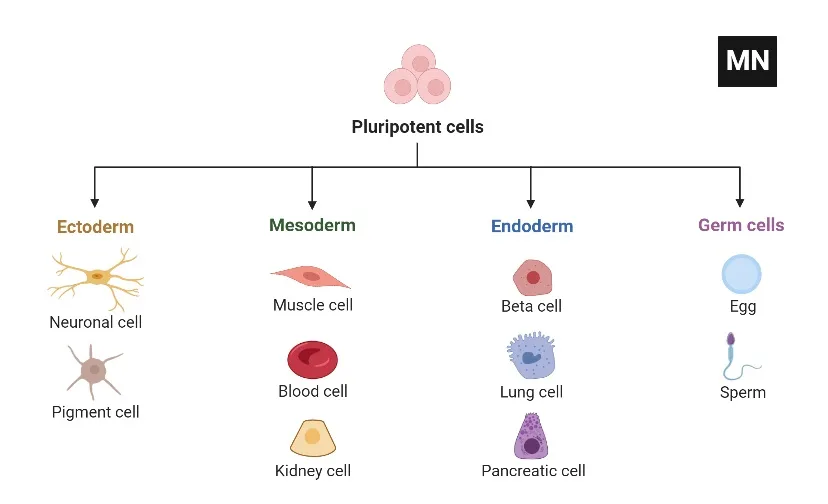
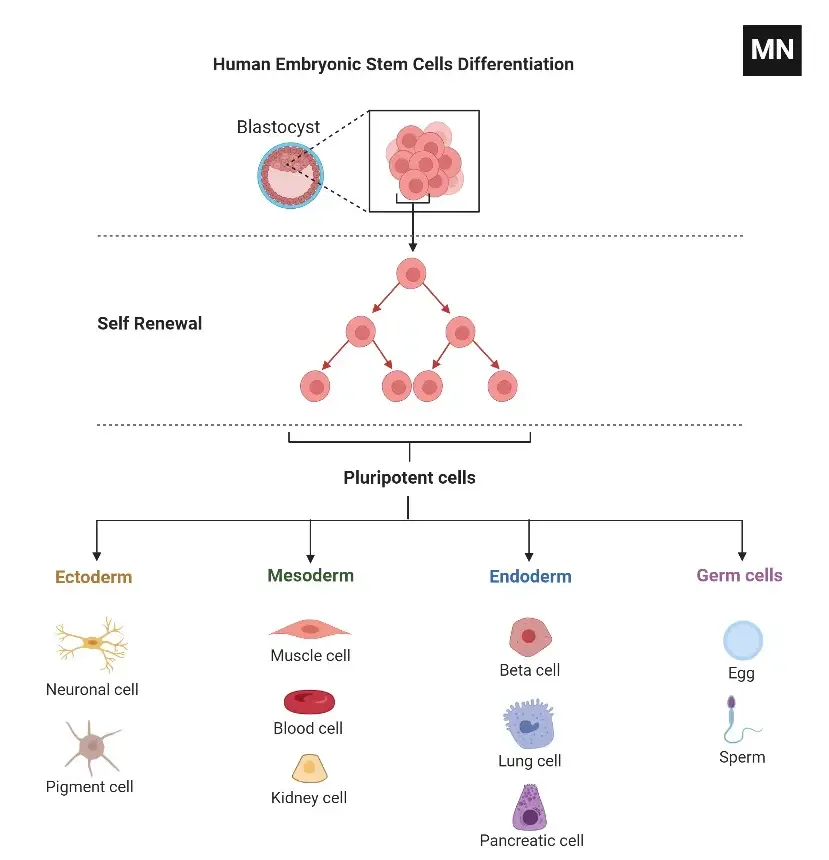
- Pluripotent stem cells– Pluripotent stem cells can form all cell types of three germ layers, that is ectoderm, mesoderm and endoderm. But they cannot form extra embryonic structures. Embryonic stem cells and iPSCs are pluripotent.
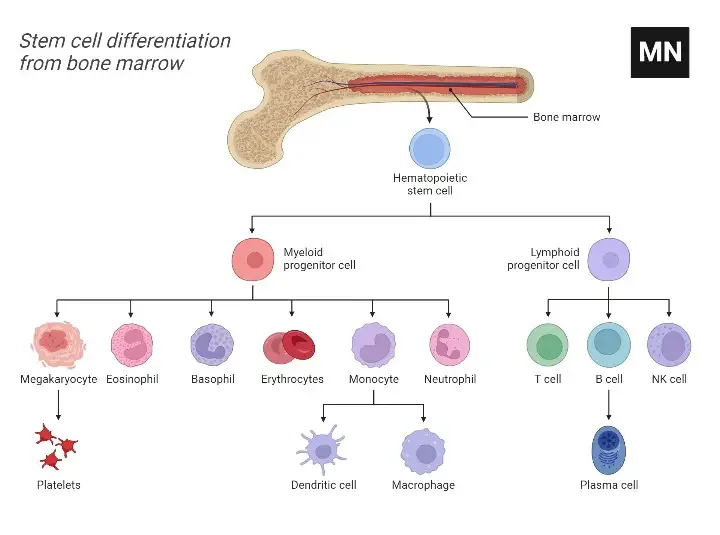
- Multipotent stem cells– Multipotent stem cells can form different cells of a particular tissue or organ. Hematopoietic stem cells form blood cells. Mesenchymal stem cells form bone, cartilage, fat and related cells.
- Oligopotent stem cells– Oligopotent stem cells can form only few closely related cell types. Myeloid progenitor cells are example of this type.
- Unipotent stem cells– Unipotent stem cells can form only one mature cell type. But they can self renew. Epidermal stem cells form keratinocytes in the skin.
Origin and Development Process of Stem Cells
The origin and development process of stem cells are as follows-
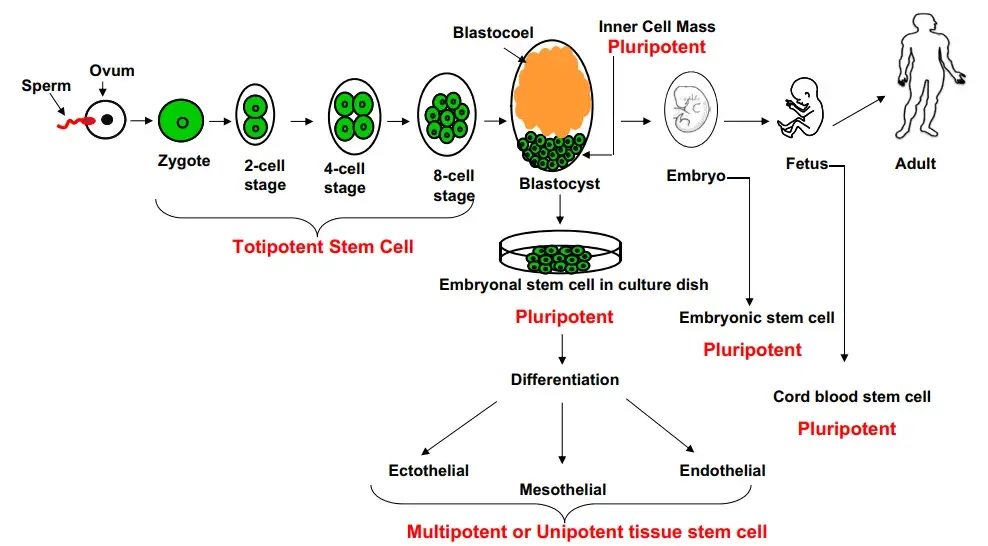
- The origin of all stem cells starts after fertilization of egg by sperm. The fertilized egg is called zygote. It is the first cell of new organism.
- The zygote and early dividing cells called blastomeres are totipotent. These cells can form complete organism and also extra embryonic structures like placenta. This is the highest potential stage of stem cell.
- After few days, embryo forms a hollow structure called blastocyst. It is formed before implantation in uterus. In this stage, stem cells are present in the inner cell mass.
- The cells of inner cell mass are called embryonic stem cells. These cells are pluripotent. They can form all body cells from three germ layers, that is ectoderm, mesoderm and endoderm. But they cannot form placenta.
- During fetal growth, different stem cells are present in developing tissues. These cells help in formation of organs and body tissues. Their ability become gradually restricted as development proceeds.
- Perinatal stem cells are found in birth associated tissues. These are present in amniotic fluid, placenta, umbilical cord blood and Wharton’s jelly. These cells show intermediate nature between embryonic and adult stem cells.
- In adult body, stem cells are present in small number in mature tissues. They are found in bone marrow, adipose tissue, skin and other tissues. These are called adult stem cells or somatic stem cells.
- Adult stem cells are mostly multipotent, oligopotent or unipotent. They remain dormant or less active in tissues. When injury or normal cell loss occurs, they divide and replace damaged or lost cells.
- Stem cells can also be produced in laboratory from mature body cells. Adult cells like skin fibroblasts are reprogrammed by using transcription factors like Oct4, Sox2, Klf4 and c-Myc.
- After reprogramming, adult cells become embryonic like cells. These cells are called induced pluripotent stem cells (iPSCs). They behave like pluripotent stem cells and can form many types of body cells.
Mechanism of Stem Cell Self-Renewal
The mechanism of stem cell self-renewal are as follows-
- Stem cell has self-renewing capacity. In this process stem cell divides. After division, same stem cell type is formed again.
- This process is mainly controlled by master transcription factors. The important factors are Oct-3/4, Sox2 and Nanog.
- Oct-3/4, Sox2 and Nanog keeps the stem cell in undifferentiated condition. These factors do not allow the cell to become special type of cell.
- The differentiation genes are kept inactive by these factors. So the stem cell character is maintained for long time.
- Telomerase is also found highly active in stem cells. It is an enzyme which maintains telomere at the end of chromosome.
- In normal body cells, telomere becomes short after many division. Due to this, the cell becomes old and stops division.
- But in stem cells, telomerase again builds the telomere region. So the cell can divide again and again without early ageing.
- Epigenetic modification is another mechanism. It includes DNA methylation and histone acetylation.
- By this changes, stemness genes remain turned on. The tissue forming genes remain turned off. So the cell remains like stem cell.
- Internal signalling pathway also take part in self-renewal. Mainly GSK3/Wnt pathway and MEK/ERK pathway are involved.
- These pathways regulate the cell from inside. When the signals are proper, the stem cell keeps its pluripotency.
- In culture condition, small molecules like GSK3 inhibitors are used. It helps to keep the stem cells in self-renewing stage.
Mechanism of Stem Cell Differentiation
The mechanism of stem cell differentiation are as follows-
- Stem cell differentiation is the process in which stem cell changes into special type of cell. In this process undifferentiated cell become functional cell.
- At first, the stem cell receives some internal and external signals. These signals decide the cell will remain stem cell or become differentiated cell.
- Epigenetic modification takes place during differentiation. It includes DNA methylation and histone modification.
- By this changes, the pluripotency genes are slowly silenced. The genes needed for particular tissue are activated.
- DNA methylation forms a fixed pattern in the cell. This pattern helps the cell to remember its selected lineage. This is referred to as differentiation memory.
- Intracellular signalling pathways also take part in this process. Mainly GSK3/Wnt pathway and MEK/ERK pathway are involved.
- These pathways carry biochemical signal inside the cell. When the signal changes, stem cell comes out from self-renewing stage.
- After this, the cell starts to move toward a definite mature cell type. It may form nerve cell, blood cell, muscle cell or other tissue cell.
- The surrounding environment of stem cell is also important. This environment is called stem cell niche.
- Stem cell niche contains extracellular matrix, nearby cells and soluble factors like growth factors.
- These external factors give proper signal to the stem cell. Then the stem cell starts normal differentiation according to tissue need.
- Lineage specific transcription factors are activated during this process. These factors work as master regulator for particular cell type.
- For example, MyoD is a transcription factor for muscle lineage. When MyoD is activated, the cell is directed toward muscle cell formation.
Factors Regulating Stem Cell Activity
The following are the important factors regulating stem cell activity–
- Stem cell niche– Stem cells are present in special local environment called stem cell niche. It contains extracellular matrix, nearby cells and local tissue condition. This niche decides whether stem cell will remain dormant, divide or differentiate.
- Physical condition– Oxygen level, hypoxia, pH and nutrient availability also affect stem cell activity. Low oxygen condition can keep some stem cells in active or less differentiated state. Proper nutrients are required for division and survival.
- Epigenetic changes– Epigenetic modification regulates the activity of stem cells. It includes DNA methylation and histone acetylation. These changes control which gene will remain active and which gene will be silent.
- Gene memory– The epigenetic marks work like cellular memory. It may keep stemness genes active. It may also silence these genes and allow the cell to become mature specialized cell.
- Telomerase activity– Telomerase enzyme is highly active in stem cells. It maintains telomere at the end of chromosome. Due to this stem cells can divide for long time without early ageing.
- Biochemical signals– Injured tissue releases some chemical signals. These signals guide stem cells toward damaged area. This movement is called homing.
- Chemokines– Stromal Cell-Derived Factor-1 alpha (SDF-1α) is one important chemokine. It binds with receptor present on stem cell. Then stem cells migrate to the site of injury.
- Growth factors– Growth factors control growth and differentiation of stem cells. Insulin-Like Growth Factor-1 (IGF-1) helps in bone and cartilage formation. Vascular Endothelial Growth Factor (VEGF) helps in formation of new blood vessels.
- Cytokines– Local immune condition also regulate stem cell activity. IL-6 and TNF-α are pro-inflammatory cytokines. They may increase cell proliferation and survival during tissue injury.
- Anti-inflammatory factors– Stem cells can release anti-inflammatory molecules like TGF-β and IL-10. These molecules reduce inflammation and make the tissue environment suitable for healing.
- Signalling pathways– Internal signalling pathways control the final fate of stem cell. Important pathways are GSK3/Wnt pathway and MEK/ERK pathway. These pathways regulate self-renewal, differentiation and reprogramming.
- Small molecules– Some natural and synthetic small molecules can activate or inhibit signalling pathways. In laboratory condition, these molecules are used to control stem cell growth, stress response and specific differentiation.
Stem Cell Culture and Isolation Techniques
The step by step process of stem cell culture and isolation are as follows-
- The first step is collection of source material. The cells are collected from patient or donor. The source may be blood, bone marrow, skin biopsy, hair follicle, urine or other tissue.
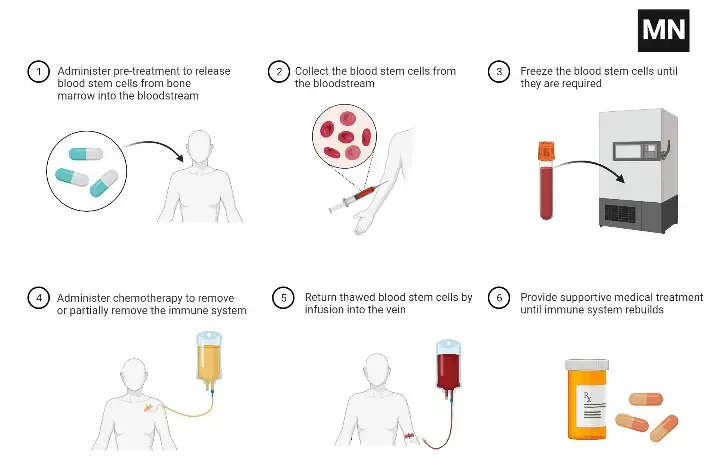
- In case of hematopoietic stem cells, the cells are collected from blood or bone marrow. Blood stem cells may be collected by apheresis method after mobilization of stem cells into blood.
- In case of induced pluripotent stem cells (iPSCs), adult body cells are first collected. These may be skin fibroblasts, keratinocytes, peripheral blood cells or urine derived cells.
- After collection, the sample is processed under sterile condition. Unwanted tissue pieces, blood clots and debris are removed. The required cells are separated from the sample.
- The isolated cells are then placed in suitable culture medium. This medium contains nutrients, salts, serum or serum free supplement and growth factors. It helps the cells to survive and multiply.
- The cells are kept in culture plate or flask. The culture vessel is placed inside CO₂ incubator. Proper temperature, humidity and carbon dioxide level are maintained.
- If iPSCs are to be prepared, then mature somatic cells are reprogrammed. For this, some reprogramming factors are introduced into the cells.
- The important reprogramming factors are Oct4, Sox2, Klf4 and c-Myc. These factors change the mature cell into embryonic like pluripotent stem cell.
- These factors may be introduced by viral vectors, plasmids, synthetic mRNA or recombinant proteins. After this step, the cells are kept in culture for further growth.
- The cells are sometimes grown on feeder layer. The feeder cells are mitotically inactive cells. They give support and growth signals to stem cells.
- After one to four weeks, some cells start to form colonies. These colonies show stem cell like morphology. The colonies are observed under microscope.
- The proper colonies are selected from the culture. They are picked and transferred into fresh culture medium. This step helps to increase pure stem cell population.
- Stem cells may be cultured in 2D monolayer culture or in 3D spheroid culture. In 2D culture, cells grow as flat layer. In 3D culture, cells grow as cell aggregates or embryoid bodies.
- After colony formation, primary identification is done. The cells are identified by their shape, growth pattern, survival in special medium and presence of surface markers.
- For more purification, Fluorescence Activated Cell Sorting (FACS) is used. In this method, cells are made into single cell suspension and stained with fluorescent antibodies.
- The stained cells pass through flow cytometer. Laser detects the fluorescence. Desired stem cells are separated on the basis of specific surface markers.
- Magnetic Activated Cell Sorting (MACS) is another isolation method. In this method, antibodies attached with magnetic beads are mixed with the cells.
- The target stem cells bind with magnetic beads. Then the mixture is passed through magnetic field. The labelled stem cells are trapped and unwanted cells are removed.
- After sorting, purified stem cells are again cultured in fresh medium. The cells are checked for viability, contamination and proper stem cell characters.
- Finally, the cultured stem cells are expanded and stored or used for further work. They may be used for research, differentiation study, disease modelling or cell therapy related study.
Stem Cell Therapy
Stem cell therapy is a medical treatment in which stem cells or their derived cells are used to repair diseased, damaged or injured tissue. It is also called regenerative medicine. It helps to restore normal function of the tissue.
In this therapy, stem cells may be grown in laboratory. Then they are changed into required cell type like blood cells, nerve cells or heart muscle cells. These cells are transplanted into patient body to replace damaged cells.
Sometimes transplanted stem cells do not directly form new tissue. They release many soluble factors and small vesicles. These factors act on surrounding cells and stimulate natural healing process.
The most common and established stem cell therapy is bone marrow transplant. It is also called hematopoietic stem cell transplant. It is used to treat leukemia, lymphoma, multiple myeloma and other blood related diseases.
In modern treatment, stem cells are also used with gene editing technique. Patient blood stem cells are taken out, corrected by tools like CRISPR/Cas9 and then infused again into body. It is used for genetic diseases like sickle cell disease.
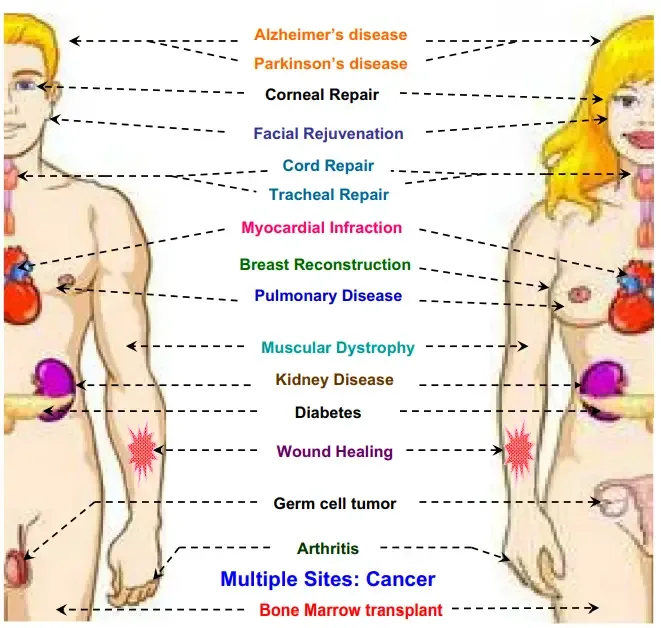
Stem cell therapy is also studied for many difficult diseases. These include heart failure, Type 1 diabetes, Parkinson’s disease, osteoarthritis and spinal cord injury.
Role of Stem Cells in Tissue Repair and Regeneration
The following are the role of stem cells in tissue repair and regeneration-
- Stem cells are used in repair of damaged tissue. They divide and give rise to new cells. These new cells replace injured or dead cells.
- Stem cells can change into required cell type. It may form bone cells, nerve cells, heart muscle cells and other tissue cells.
- In injured tissue, many cells are lost. Stem cells fill this loss by producing fresh cells. So the tissue slowly become functional again.
- Stem cells also release some useful substances. These are growth factors, cytokines and exosomes.
- These substances act on the surrounding cells. They make the local tissue condition suitable for healing. This is called paracrine signalling.
- When tissue is damaged, injured cells produce chemical signals. Stromal Cell-Derived Factor-1 alpha (SDF-1α) is one such signal.
- Stem cells detect these signals by their receptors. Then they move towards the injury site. This movement is called homing.
- Stem cells reduce too much inflammation in damaged tissue. They control immune reaction. So more tissue damage is prevented.
- Stem cells also affect macrophages. They change M1 macrophage into M2 macrophage. M2 macrophage helps in tissue healing.
- Stem cells help in formation of new blood vessels. This process is called angiogenesis.
- For angiogenesis, stem cells release Vascular Endothelial Growth Factor (VEGF). New blood vessels bring oxygen and nutrients to the damaged area.
- Adult stem cells are already present in many tissues. They remain less active until required. During injury, they become active and repair the tissue.
- Stem cells also help in formation of extracellular matrix. Insulin-Like Growth Factor-1 (IGF-1) helps in this process.
- Extracellular matrix gives support to new cells. It is important for regeneration of bone, cartilage and other connective tissues.
Applications of Stem Cells
The following are the important applications of stem cells–
- Tissue repair– Stem cells are used to repair and replace damaged tissue. They help in regeneration of tissue and organs. Mesenchymal stem cells are used for cartilage repair in knee osteoarthritis and also in chronic disc disease.
- Blood disorders– Hematopoietic stem cells are used in treatment of blood diseases. It is used in leukemia, lymphoma and multiple myeloma. This is one of the established use of stem cells.
- Immune disorders– Stem cells are also used in some immune related diseases. They help to control excessive immune reaction. In severe Graft-versus-Host Disease (GvHD), some stem cells are used to suppress immune response.
- Gene therapy– Stem cells can be collected from patient and corrected in laboratory. After correction, these cells are again transplanted into the patient. CRISPR/Cas9 edited stem cells are used in sickle cell disease and beta-thalassemia.
- Neurological diseases– Stem cells are studied for treatment of brain and nerve diseases. They may form new neurons and supporting cells. It is useful in study of Parkinson’s disease, Alzheimer’s disease, ALS and spinal cord injury.
- Diabetes treatment– Stem cells are used to form insulin producing pancreatic cells. These cells may replace damaged islet cells in Type 1 diabetes. It helps in control of blood glucose level.
- Eye disease– Pluripotent stem cells are used to produce retinal cells. These cells are transplanted to repair damaged retina. It is useful in age-related macular degeneration and other retinal disease.
- Disease modelling– Patient cells can be changed into induced pluripotent stem cells (iPSCs). These cells are grown in laboratory to make disease model. This is called disease-in-a-dish method.
- Drug testing– Stem cells are used to prepare small tissue like structures called organoids. These are used for testing new drugs. It helps to check drug action, safety and toxicity before clinical trial.
- Toxicity study– Stem cell derived heart, liver or nerve cells are used to test harmful effect of drugs. It helps to know whether drug can damage human tissue or not.
- Organ formation– Stem cells are used in experimental organ formation. They can form small organ like structures such as liver buds. These structures show some basic function of organ.
- Blood production– Stem cells are used for production of red blood cells in laboratory. It may help in blood transfusion shortage. Universal type O blood cells can be produced by this method.
Limitations of Stem Cells
The following are the important limitations of stem cells–
- Tumour formation and cancer risk– Pluripotent stem cells like embryonic stem cells (ESCs) and induced pluripotent stem cells (iPSCs) may form tumour such as teratoma if undifferentiated cells remain in the transplant, and long term culture with high telomerase activity may also cause genetic instability and malignant change.
- Ethical problem– Embryonic stem cells are obtained from early human embryo, and for this embryo is destroyed or manipulated, so it creates moral and ethical objection.
- Immune rejection and immune evasion– Donor stem cells may be recognized as foreign cells by recipient body and rejected by immune system, but some stem cells like mesenchymal stem cells (MSCs) may also suppress anti-tumour immune response and allow cancer cells to escape detection.
- Adult stem cell limitation– Adult stem cells have narrow differentiation capacity than embryonic stem cells and they usually form only tissue related cell types, also they may carry DNA damage due to ageing, environmental toxins and repeated cell division.
- Reprogramming problem– Formation of iPSCs from adult cells is slow and less efficient, and some cells may remain incompletely reprogrammed which can show abnormal behaviour or poor differentiation.
- Insertional mutagenesis– When viral vectors like retrovirus are used for gene transfer, foreign DNA may insert randomly into host genome and it may disturb normal gene function or activate oncogenes.
- Epigenetic memory– Reprogrammed stem cells may retain memory of their original tissue or previous condition, and this can interfere with proper differentiation into required new cell type.
- Unpredictable effect– After transplantation, stem cells may grow irregularly or differentiate into unwanted cell types, and because they are living therapy, they cannot be simply removed from body like a normal drug.
- Culture and production difficulty– Stem cell culture needs strict sterile condition, proper medium, growth factors, temperature and gas level, and clinical grade stem cells are difficult to produce in large amount with same quality and purity.
- High cost and less accessibility– Stem cell therapy is costly because it needs special laboratory, trained persons, quality testing and safety monitoring, so it is mostly available in major medical centres and not easily accessible for poor or distant area patients.
Advantages of Stem Cells
The following are the important advantages of stem cells–
- Tissue regeneration– Stem cells can repair damaged tissue by forming new cells in place of injured or dead cells, so it is useful in regeneration and restoration of normal tissue function.
- Curative potential– Stem cells may treat the actual cause of some diseases by replacing or restoring damaged cell population, not only reducing the symptoms.
- Self-renewal– Pluripotent stem cells can divide for long time and maintain same stem cell population, so they act as a continuous source of new cells.
- Versatility– Pluripotent stem cells can form many types of body cells like nerve cells, heart muscle cells, blood cells and other tissue cells.
- Organ transplant alternative– Stem cells can be used to produce required replacement cells in laboratory, so it may reduce the need of donor organs in future.
- Personalized medicine– Induced pluripotent stem cells (iPSCs) can be made from patient’s own adult body cells and patient matched tissue can be prepared, so the chance of immune rejection become less.
- Ethical advantage– iPSCs are made from adult somatic cells like skin cells, so it avoids the ethical problem related with use of human embryo.
- Immunomodulation– Mesenchymal stem cells (MSCs) and hematopoietic stem cells (HSCs) can control excessive immune reaction, reduce inflammation and make the tissue condition suitable for healing.
- Perinatal cell advantage– Perinatal stem cells from Wharton’s jelly, umbilical cord blood and related tissues have good regenerative capacity and their quality is less affected by ageing.
- Disease modelling– Patient cells can be converted into iPSCs and grown in laboratory to make disease model, which is called disease-in-a-dish model.
- Drug screening– Stem cell derived cells are used to test new drugs on human like cells, so drug effect, safety and toxicity can be studied before human trial.
- Gene editing use– Stem cells can be corrected by gene editing tools like CRISPR/Cas9 and then transplanted back into patient, which is useful in genetic diseases like sickle cell disease.
- Cell free therapy– Stem cells release growth factors and exosomes which can be used for repair without using whole living cells, so tumour risk and storage problem become less.
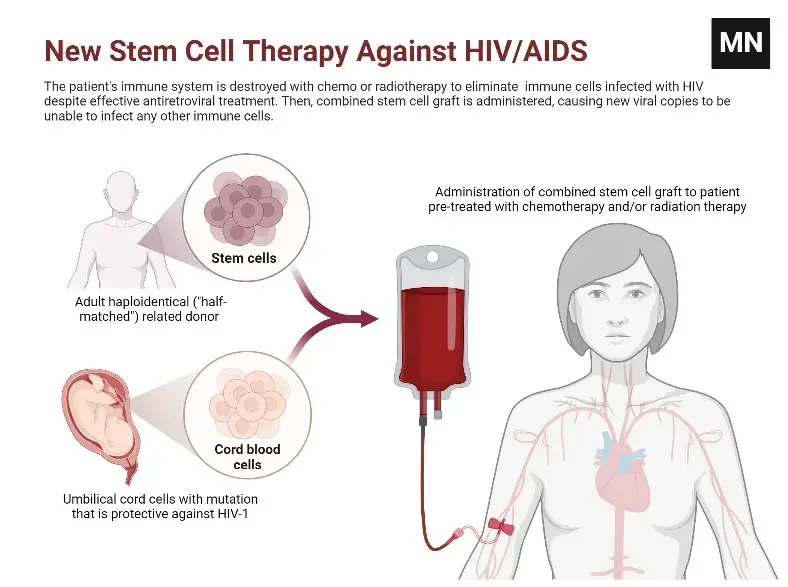
New Stem Cell Therapy Against HIV/AIDS
Autologous Haematopoietic Stem Cell Transplant
References
- Advancements in Human Embryonic Stem Cell Research: Clinical Applications and Ethical Issues – PMC. (n.d.).
- BioInformant. (n.d.). Database of Publicly Announced U.S. FDA RMAT Designations, 2026 – BioInformant.
- Biology of stem cells: an overview – PMC – NIH. (n.d.).
- Boston Children’s Hospital. (n.d.). CASGEVY™ Gene Therapy for Sickle Cell Disease and Beta Thalassemia – Boston Children’s Hospital.
- Canada’s Drug Agency. (2026). 2026 Watch List: Regenerative Medicine. Canadian Journal of Health Technologies.
- CASGEVY. (n.d.). How Does CASGEVY® Work? | CASGEVY® (exagamglogene autotemcel) MOA.
- Cellcolabs Clinical. (2026, May 15). Approved stem cell drugs and therapies.
- Clinical Advances, Safety Profiling, and Regulatory Landscapes in Stem Cell Therapeutics and Regenerative Medicine. (n.d.).
- Columbia University Irving Medical Center. (2023, December 8). First CRISPR Therapy Approved for Sickle Cell.
- CRISPR Therapeutics. (2026). Therapies.
- Epigenetic Memory in Stem Cells and its Impact on Therapeutic Out – Longdom Publishing. (n.d.).
- Evaluating teratoma formation risk of pluripotent stem cell-derived cell therapy products: a consensus recommendation from the Health and Environmental Sciences Institute’s International Cell Therapy Committee – ResearchGate. (n.d.).
- FirstWord Pharma. (n.d.). MEDIPOST Announces the Exclusive Commercialization License Agreement with Teikoku Seiyaku for Knee Osteoarthritis Treatment CARTISTEM in Japan.
- Induced Pluripotency: A Powerful Tool for In Vitro Modeling – PMC – NIH. (n.d.).
- Induced pluripotent stem cell technology: a decade of progress – PMC – NIH. (n.d.).
- Introduction to Stem Cell Therapy – PMC – NIH. (n.d.).
- Kim, J. (2026, June 5). MEDIPOST cuts US Cartistem trial size after FDA backs single-study approval strategy. Korea Biomedical Review (KBR).
- Mayo Clinic Staff. (2026, January 20). Stem cells: What they are and what they do. Mayo Clinic.
- Molecular mechanisms of induced pluripotency – PMC – NIH. (n.d.).
- Perinatal sources of mesenchymal stem cells: Wharton’s jelly. (n.d.).
- Sewell, A. (n.d.). Umbilical Cord Derived Therapies: Wharton’s Jelly and Cord Blood. [Video]. YouTube.
- Shamsul, B. S., Chua, K. H., & Tan, B. C. (2024, September 3). Ensuring Safety in Stem Cell Therapies: A Review of Tumorigenic Risks and Mitigation Strategies. Preprints.org.
- Source Healthcare. (n.d.). CARTISTEM® – A Phase III Clinical Trial.
- Stem Cell Therapy: a Look at Current Research, Regulations, and Remaining Hurdles. (n.d.).
- Stem Cells in Regenerative Medicine – PMC. (n.d.).
- Stem cells: past, present, and future – PMC. (n.d.).
- Ten years of progress and promise of induced pluripotent stem cells: historical origins, characteristics, mechanisms, limitations, and potential applications – PMC. (n.d.).
- The Pathophysiology of Wharton’s Jelly and Its Impact on Fetal and Neonatal Outcomes: A Comprehensive Literature Review – PMC. (n.d.).
- U.S. Food and Drug Administration. (2023, December 8). FDA Approves First Gene Therapies to Treat Patients with Sickle Cell Disease.
- U.S. Food and Drug Administration. (2026, April 23). Approved Cellular and Gene Therapy Products.
- Umbilical cord-derived Wharton’s jelly for regenerative medicine. (n.d.).
- Wang, Z. (2023). Assessing Tumorigenicity in Stem Cell-Derived Therapeutic Products: A Critical Step in Safeguarding Regenerative Medicine. Bioengineering, 10(7), 857.
- Watanabe et al. (2025, April 19). Evaluating teratoma formation risk of pluripotent stem cell-derived cell therapy products: a consensus recommendation from the Health and Environmental Sciences Institute’s International Cell Therapy Committee. Cytotherapy.
- Wikipedia. (2026, May 22). Induced pluripotent stem cell.