Human Nervous System: Diagram, Parts, Functions and How It Works

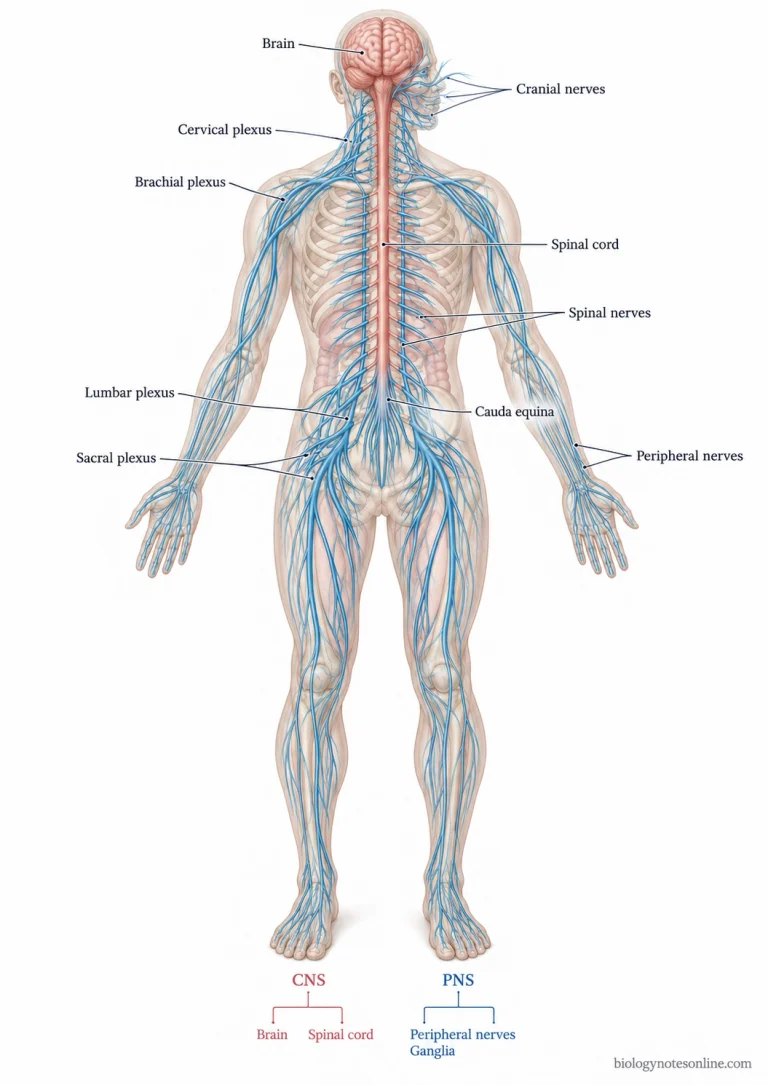
Understand the human nervous system with a labeled diagram, its central and peripheral parts, major functions, neurons, nerve signaling, and reflex actions.

Understand the human nervous system with a labeled diagram, its central and peripheral parts, major functions, neurons, nerve signaling, and reflex actions.
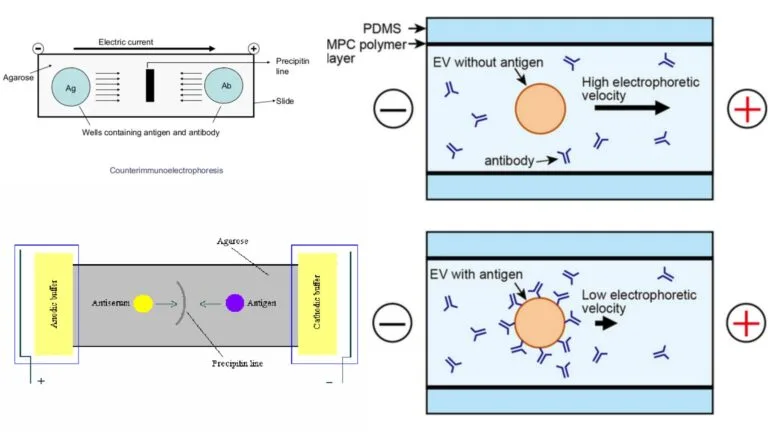
Immunoelectrophoresis is a biochemical technique which is used for the separation and identification of proteins, mainly immunoglobulins in biological samples. It is a combined method of electrophoresis and immunodiffusion. In this technique, proteins are first separated in agarose gel by applying electric current. After separation, specific antibody is added into the gel. The separated proteins
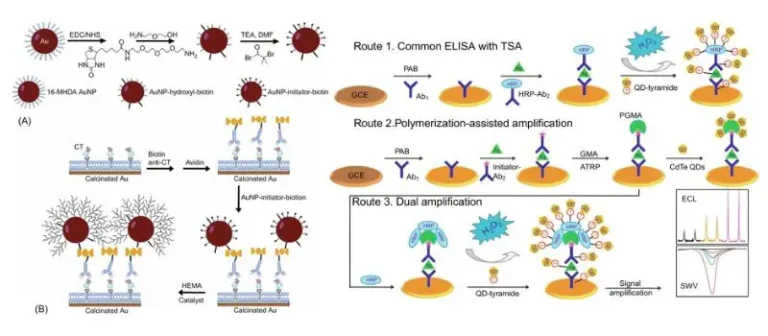
Immunological techniques are laboratory methods which are used to detect and measure different substances present in the body. It is mainly based on the specific reaction between antigen and antibody. Antigen is a substance which can produce immune response in the body. Antibody is a protein molecule produced by immune system against that specific antigen.
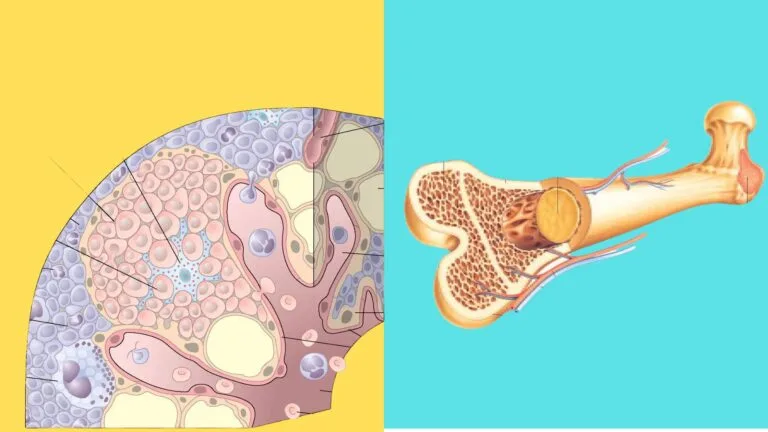
Bone marrow is a soft, spongy and gelatinous tissue present inside the hollow cavity of bones. It is mainly concerned with formation of blood cells. This process is called haematopoiesis. Bone marrow is a soft, spongy and gelatinous tissue inside the hollow spaces of some bones. It is present in hip bone, thigh bone, vertebrae,
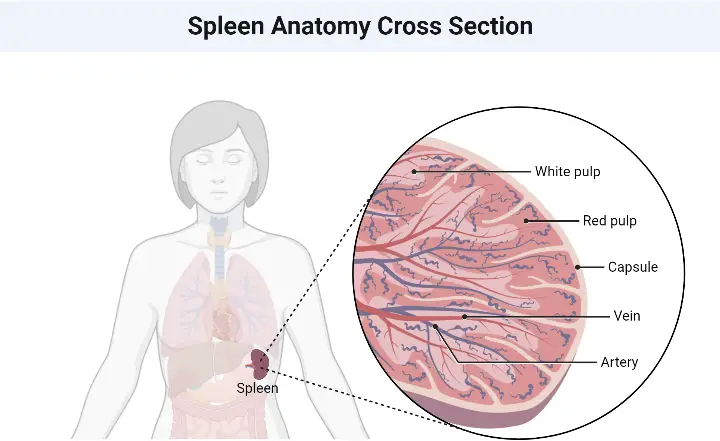
Spleen is the largest secondary lymphoid organ in human body. It is a soft, spongy and reddish purple organ. It filters the blood and not lymph. It is present in the upper left part of abdomen. This region is called left hypochondriac region. It lies behind and lateral to the stomach, below the left dome
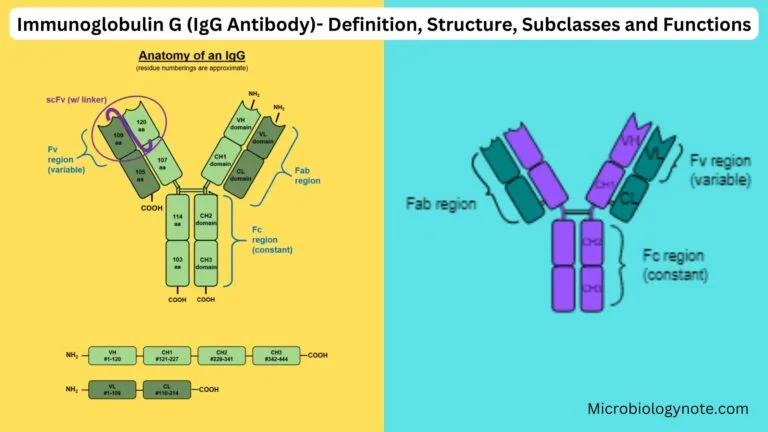
Immunoglobulin G (IgG) is the most abundant antibody present in human blood and tissue fluid. It is a Y-shaped glycoprotein produced by plasma cells. It gives long term protection by neutralizing toxins and microbes, opsonization and complement activation. Immunoglobulin G (IgG) is the most abundant antibody present in human blood. It forms about 10-20% of
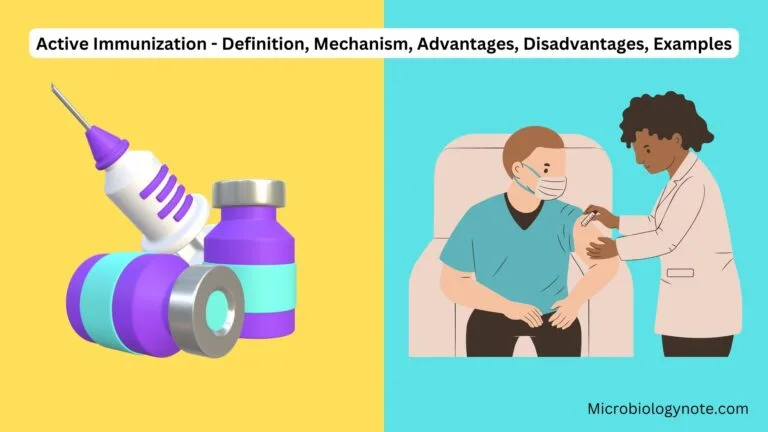
Active immunization is the process by which body own immune system is stimulated by giving antigen or vaccine. It produce antibodies and memory cells. The immunity is slow but long lasting. Active immunization is the process by which a harmless antigen is introduced into the body to produce immune response. It is commonly done by
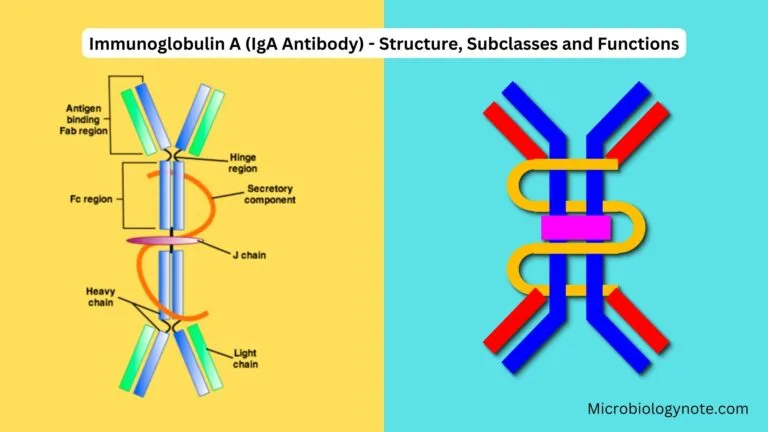
Immunoglobulin A (IgA) is a type of antibody which is produced by plasma cells. It is mainly present in external secretion of body. It gives first protection in mucosal surface. It is found in saliva, tears, breast milk, respiratory tract secretion, gastrointestinal tract secretion and genitourinary tract secretion. So IgA is the major antibody of
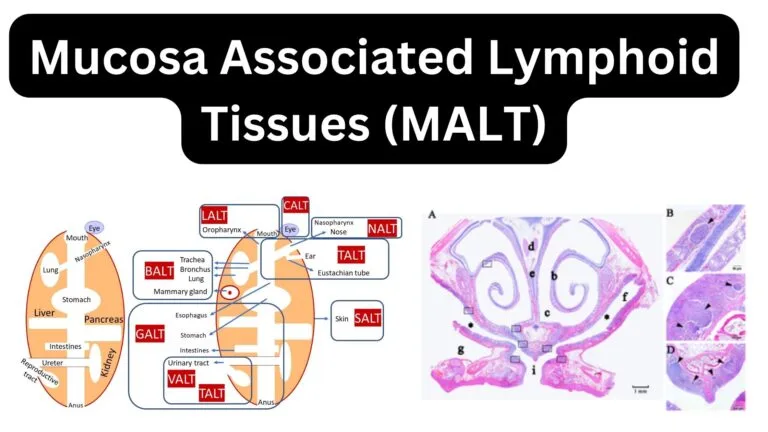
Mucosa Associated Lymphoid Tissue (MALT) is a lymphoid tissue present in mucosal and submucosal lining of body. It protects mucosal surfaces from harmful antigen and microbes entering through digestive, respiratory and other tracts. Mucosa Associated Lymphoid Tissue (MALT) is a specialized lymphoid tissue present in the mucosal and submucosal lining of body. It is not
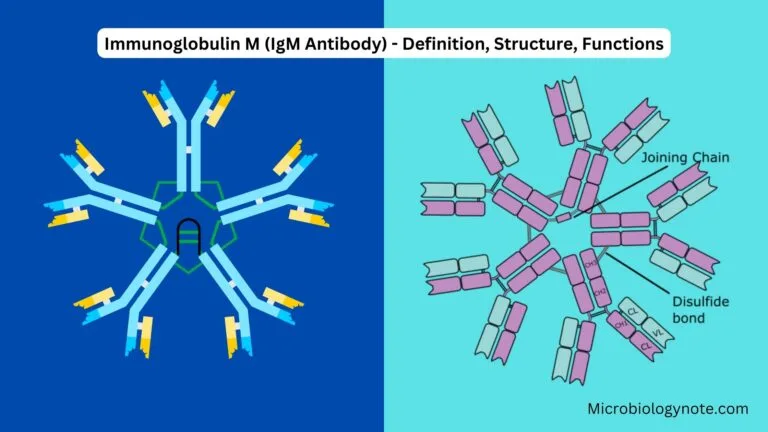
Immunoglobulin M (IgM Antibody) is a type of antibody that is produced by plasma cells during early immune response. It is the first antibody formed when any foreign antigen enters into the body. It acts as an important first line defence of the immune system. IgM is considered as the most ancient immunoglobulin of adaptive