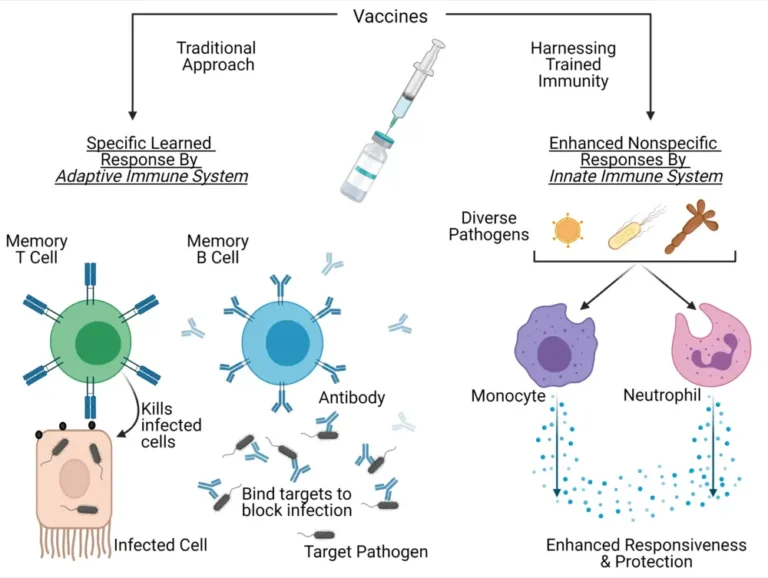
Non-specific immune response is the inborn defence mechanism of body. It gives immediate and general protection against different pathogens. It does not need previous exposure and does not form immunological memory. Non-specific immune response is the immediate and natural defence system of the body. It is also called innate immunity. It is present from birth
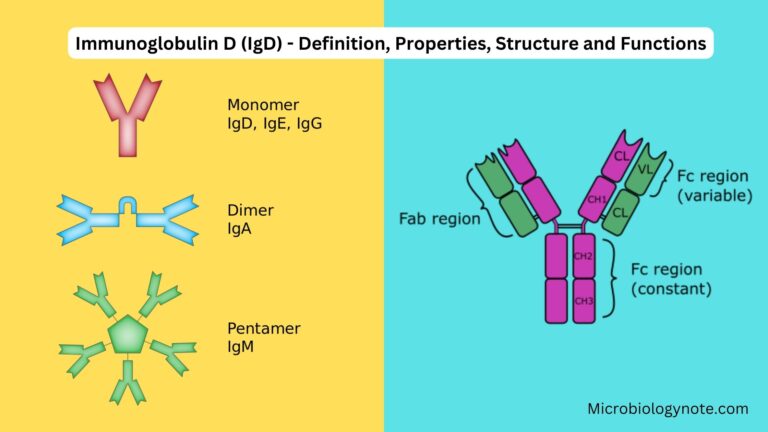
Immunoglobulin D (IgD) is a type of antibody present in the immune system. It is also called IgD and it is one of the five major classes of immunoglobulins. It was discovered in 1965 and it is present in very low amount in the blood. IgD forms about 0.25% to 1% of the total serum
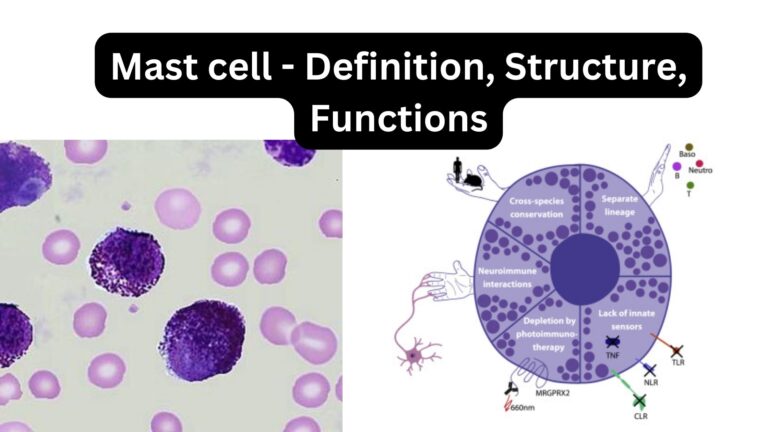
Mast cells are granulated immune cells present in connective tissues and body barrier sites. They release histamine, heparin and other mediators during inflammation, allergy and host defense. Mast cell is a specialized type of white blood cell which takes part in immune response. It is formed from bone marrow and later moves into tissues where
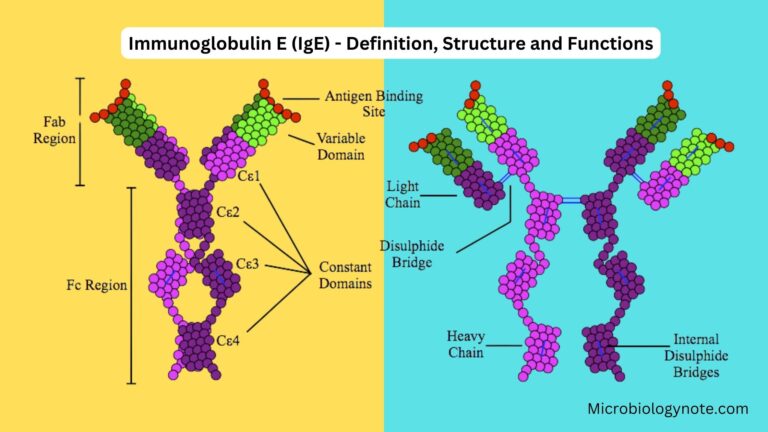
Immunoglobulin E (IgE) is a class of antibody found only in mammals. It is present in very small amount in blood but it is highly active. It mainly takes part in allergic reactions and defence against parasitic infections. Immunoglobulin E (IgE) is a type of antibody that is present only in mammals. It plays an
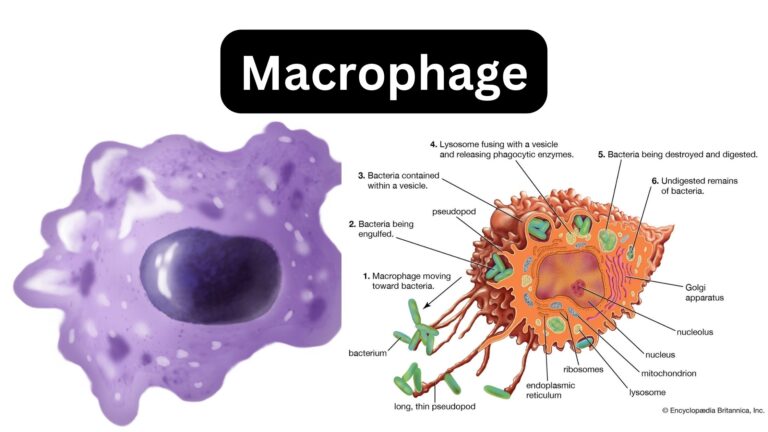
Macrophage is a specialized cell of innate immune system. It is present in all vertebrates and acts as the first line of defence against the invading microorganisms. It is derived from hematopoietic stem cells in bone marrow and also from early embryonic cell population. These cells are present in almost all tissues of the body.
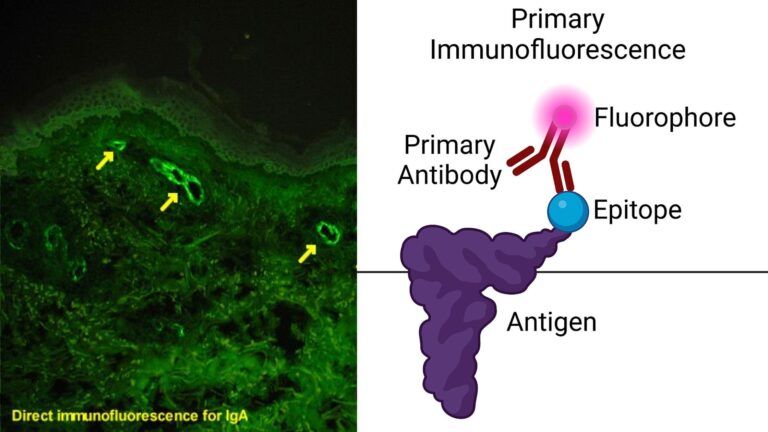
Immunofluorescence assay (IF) is a fluorescence based immunological technique used for detection and localization of specific antigen or protein in cells and tissues by using fluorescent labelled antibody. Immunofluorescence assay (IF) is a technique used for detection of specific antigen or protein in the cells and tissues. It is a microscopic method. In this method
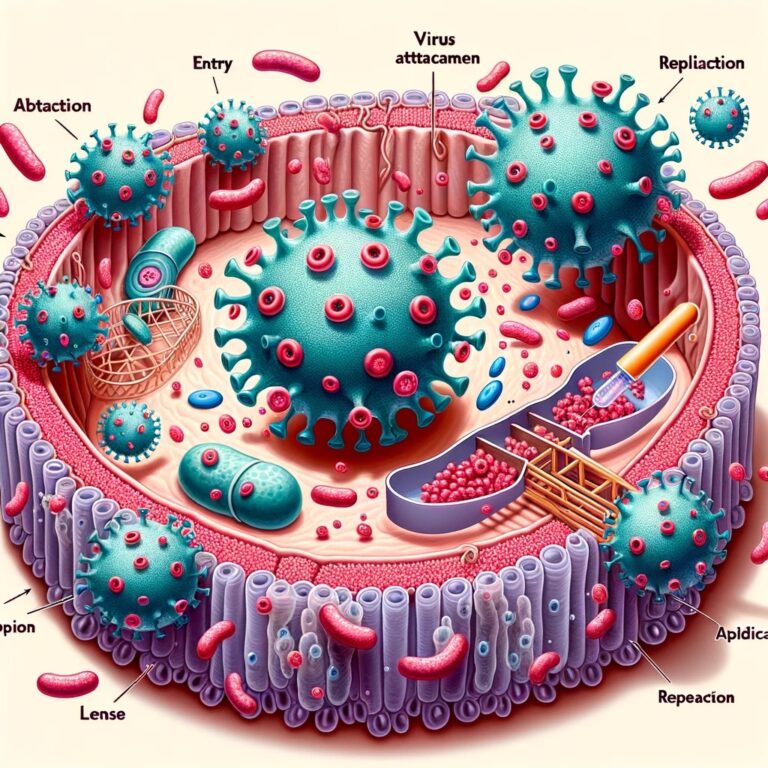
Antiviral drugs are the drugs used for the treatment and prevention of viral infections. They are not similar to antibiotics. Antibiotics kill or destroy bacteria but antiviral drugs generally do not kill the viruses. They mainly inhibit the multiplication of virus. These drugs are mostly virustatic in nature. It means they suppress the virus and
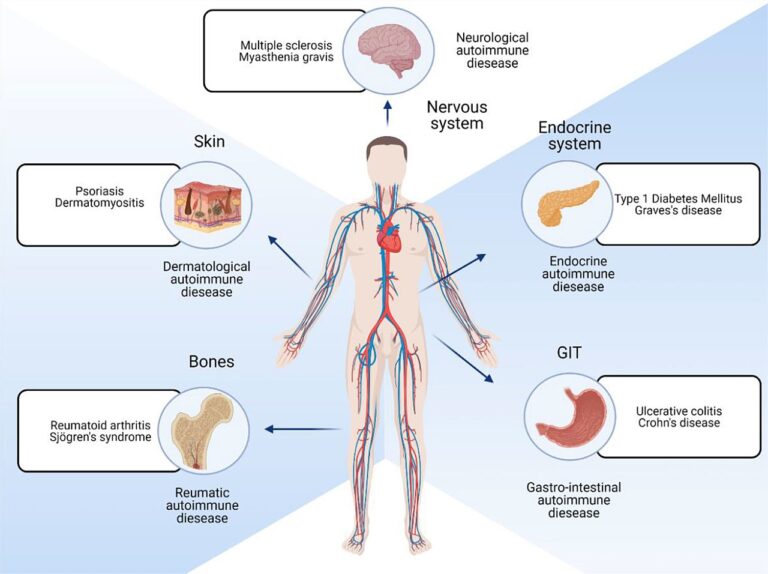
Autoimmune disease is a condition in which the body’s immune system attacks its own healthy cells and tissues. Normally the immune system protects the body from harmful infection and foreign substances. It also maintain immune tolerance, which helps to stop the immune reaction against self body cells. In autoimmune disease, this self-tolerance is broken. The
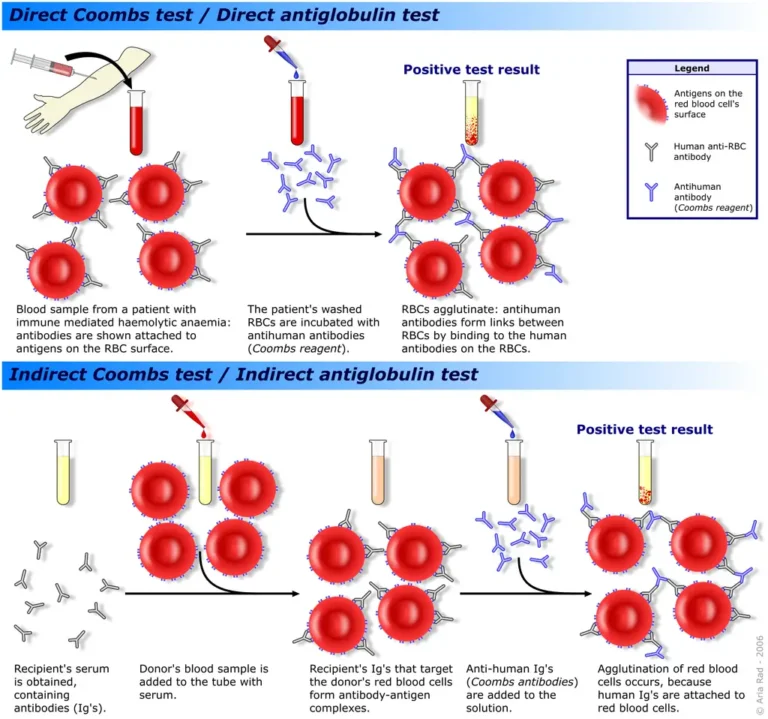
Coomb’s test is a serological blood test which is used to detect antibodies or complement proteins attached with red blood cells (RBCs) or present freely in serum. It is also called antiglobulin test.Coomb’s test is a serological blood test which is used to detect antibodies or complement proteins present on the surface of red blood
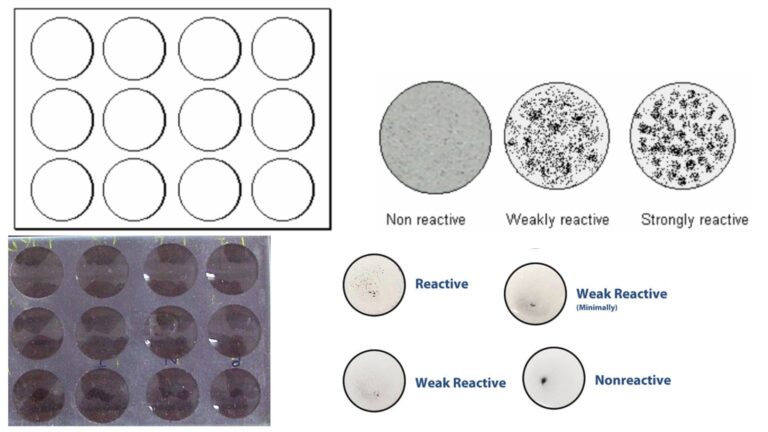
Venereal Disease Research Laboratory (VDRL) test is a rapid and simple test used for screening of syphilis. It is caused by Treponema pallidum. This test is non-treponemal test because it does not detect the organism directly. It detects reagin antibodies which are produced in the body against lipoidal material. These antibodies are mainly IgG and