Sourav Pan is the founder and sole author of Biology Notes Online. He holds a Bachelor of Science (B.Sc.) degree and an M.Sc. in Microbiology from the University of Calcutta. He creates educational resources covering microbiology, immunology, biotechnology, genetics, cell biology, botany, zoology, and other life-science subjects.
His goal is to make complex biological concepts easier to understand through well-structured, student-friendly articles based on academic textbooks, peer-reviewed research, and authoritative scientific sources. In addition to writing new content, he regularly reviews and updates articles to improve their accuracy, clarity, and educational value.
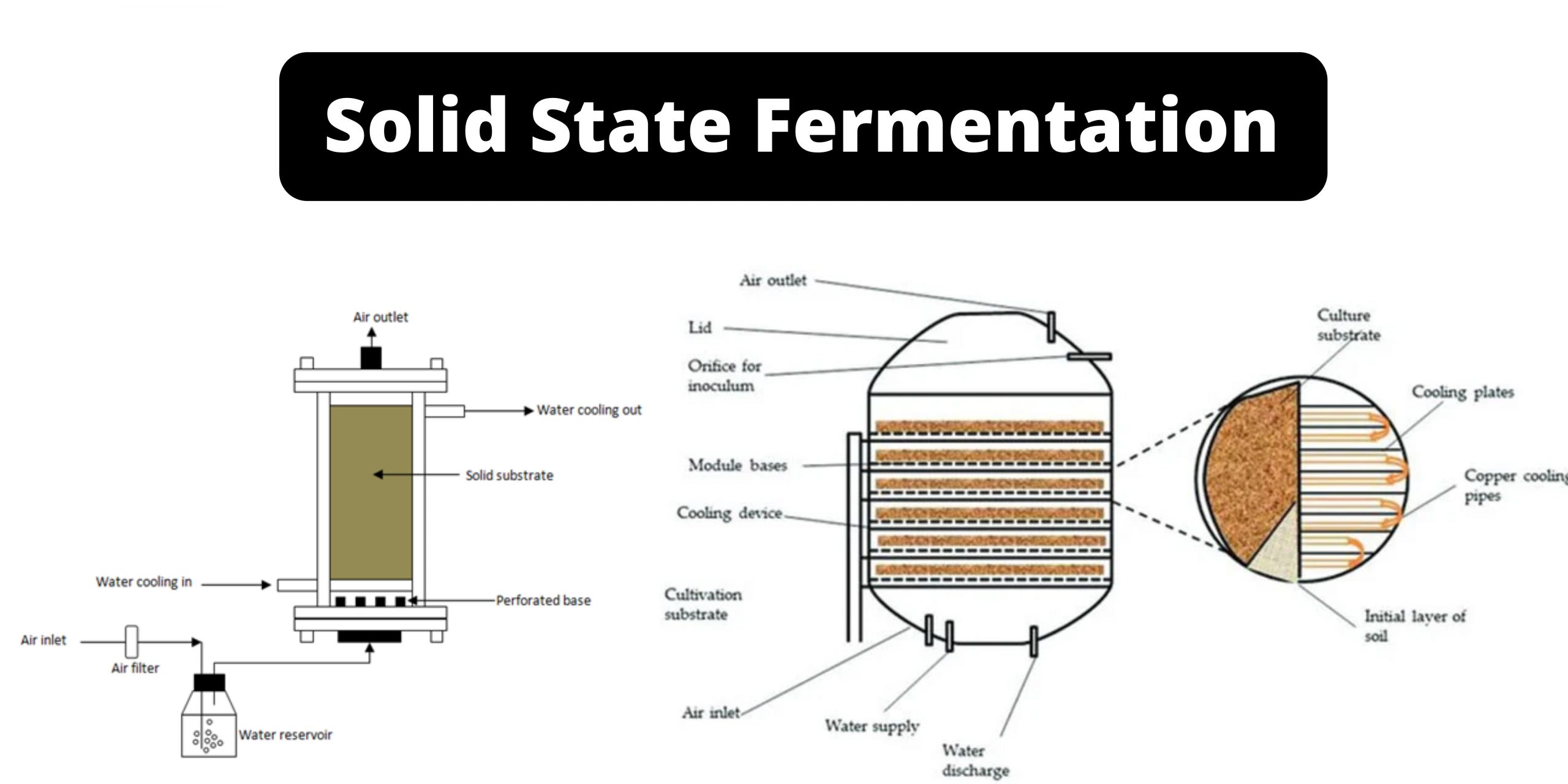
Solid State Fermentation (SSF) is a bioprocess in which microorganisms are grown on moist solid substrate. It is done in absence or near absence of free flowing water. The solid substrate acts as physical support for microbes. It also works as nutrient source. It gives carbon, nitrogen and essential minerals for growth of microorganisms. In … Read more
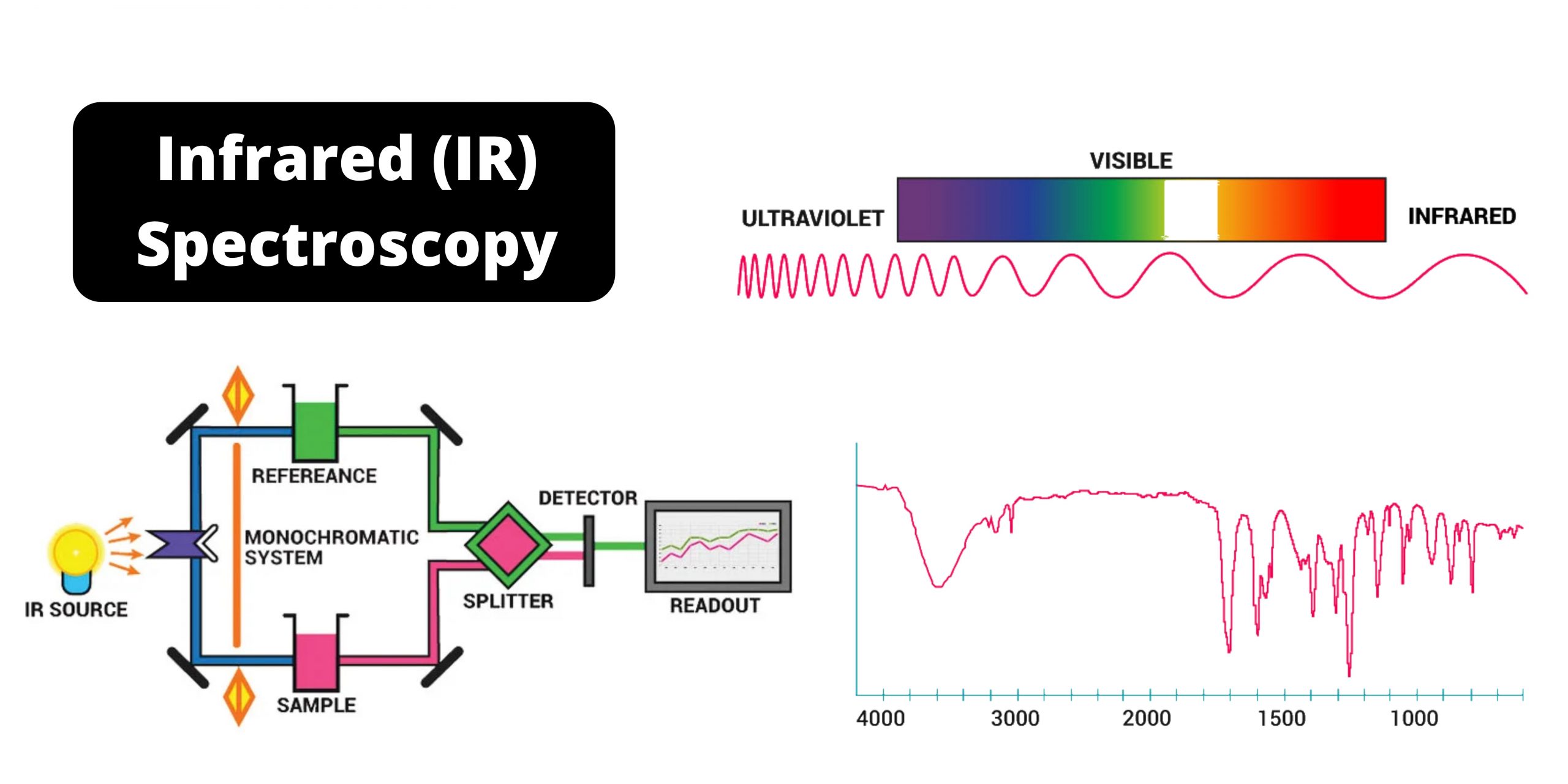
Infrared (IR) Spectroscopy is an analytical technique used to study and identify chemical substances by using infrared light. In this technique, the chemical bonds present in a molecule absorb infrared radiation. The bonds are not rigid, they behave like spring and show stretching and bending vibrations. When the absorbed frequency matches with the natural vibration … Read more
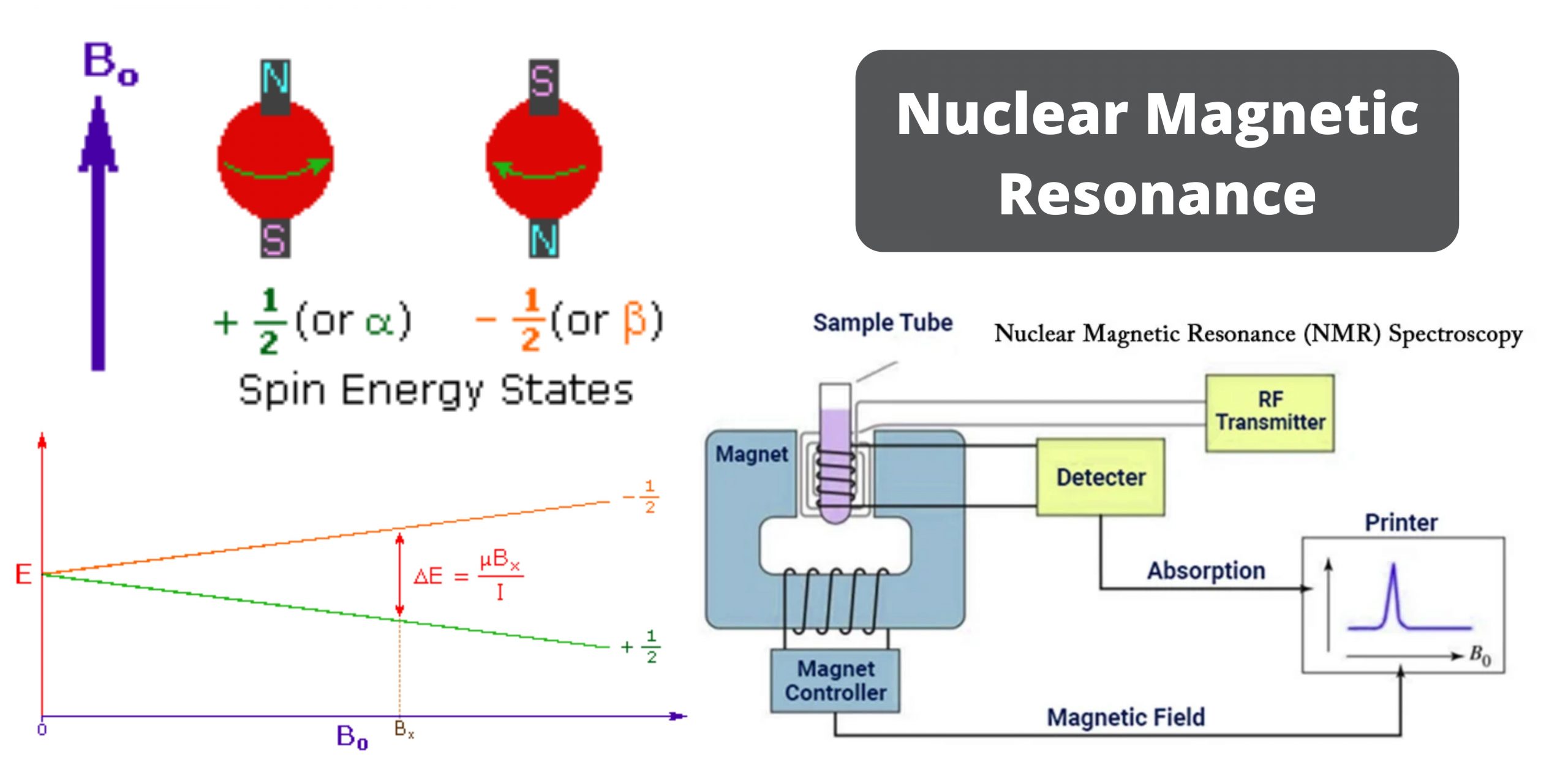
Nuclear Magnetic Resonance (NMR) spectroscopy is a non-destructive analytical method used for knowing the structure and composition of molecules. It is mainly used for organic compounds, biological molecules and chemical samples. It is based on magnetic nature of some atomic nuclei. Mostly hydrogen (¹H) and carbon (¹³C) nuclei are studied in this method. When sample … Read more
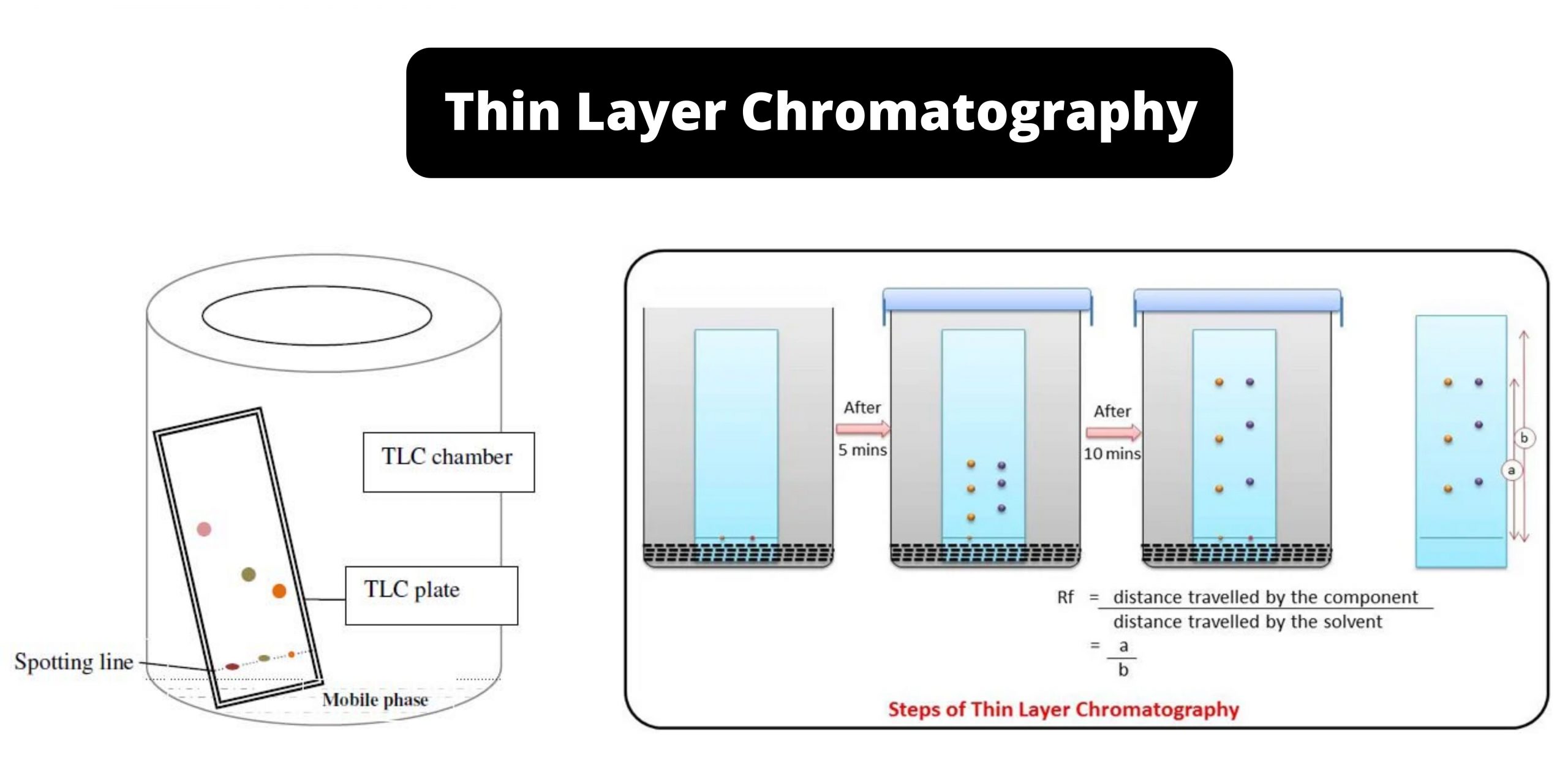
Thin Layer Chromatography (TLC) is an analytical technique used for separation and identification of components present in non-volatile mixtures. It is carried out on a TLC plate, which is made up of glass, plastic or aluminium sheet coated with thin layer of adsorbent material. The adsorbent material is generally silica gel or alumina, which acts … Read more
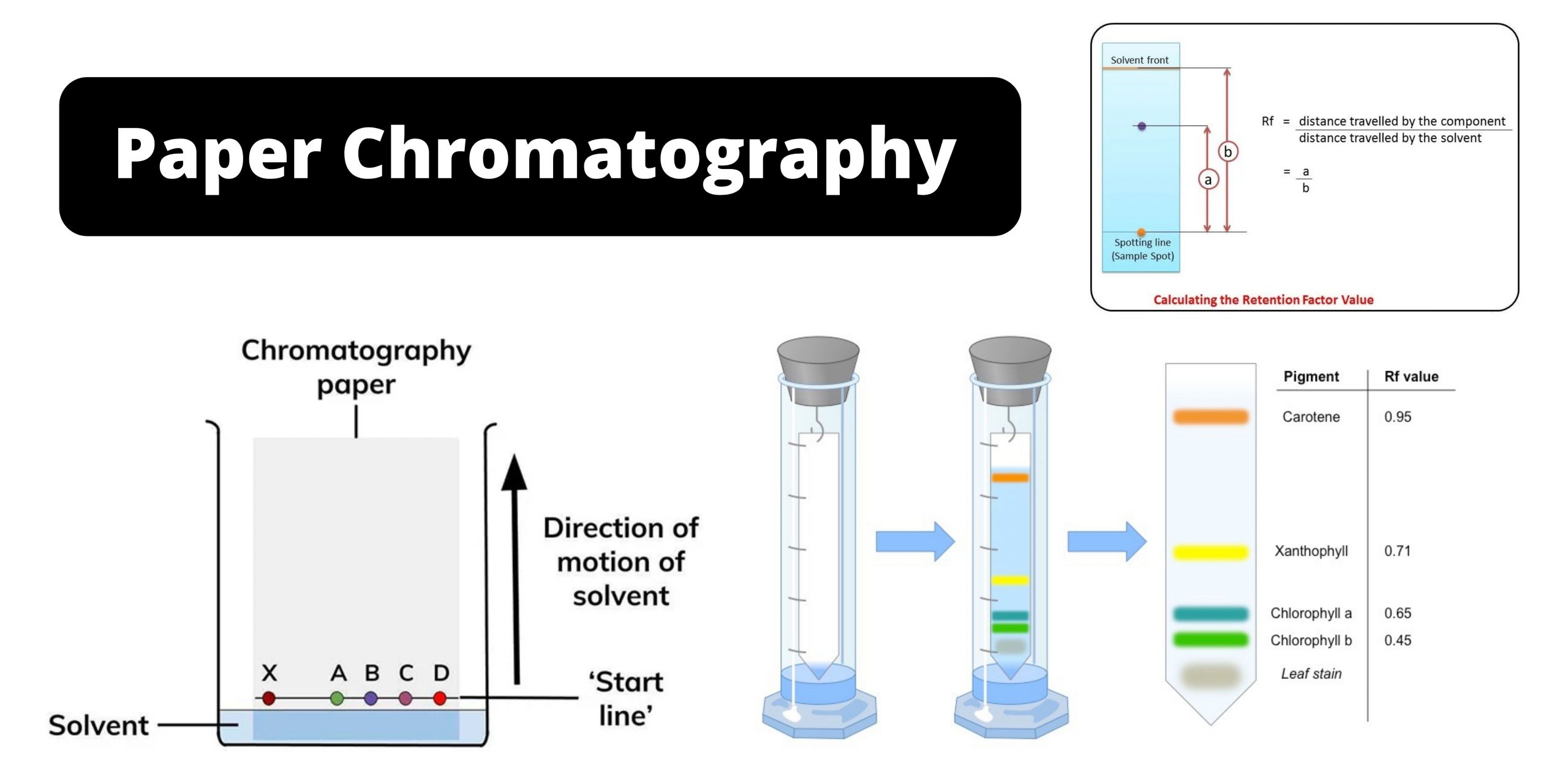
Paper Chromatography is a simple analytical technique used to separate and identify the components present in a chemical mixture. It is based on the principle of partition, where the substances are distributed between stationary phase and mobile phase. In this method, the stationary phase is usually a cellulose filter paper containing moisture within its fibers, … Read more
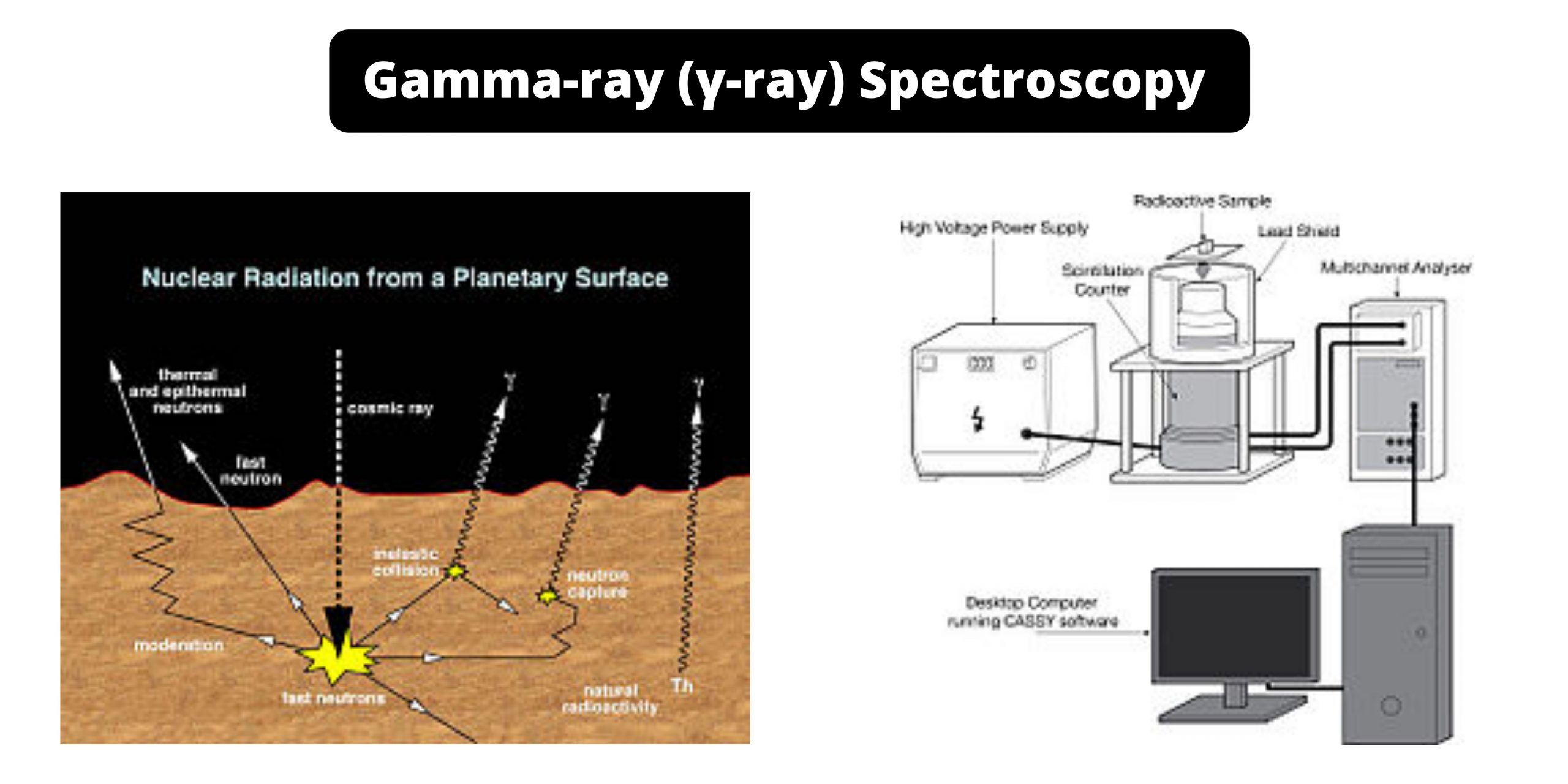
Gamma-ray Spectroscopy is a non-destructive analytical technique used for qualitative and quantitative study of gamma-ray energy spectra. It is used to study gamma rays emitted from radioactive source. The unstable atomic nuclei emit gamma-ray photons at specific energy level. This occurs when the nuclei pass into more stable ground state. These gamma-ray emissions are different … Read more
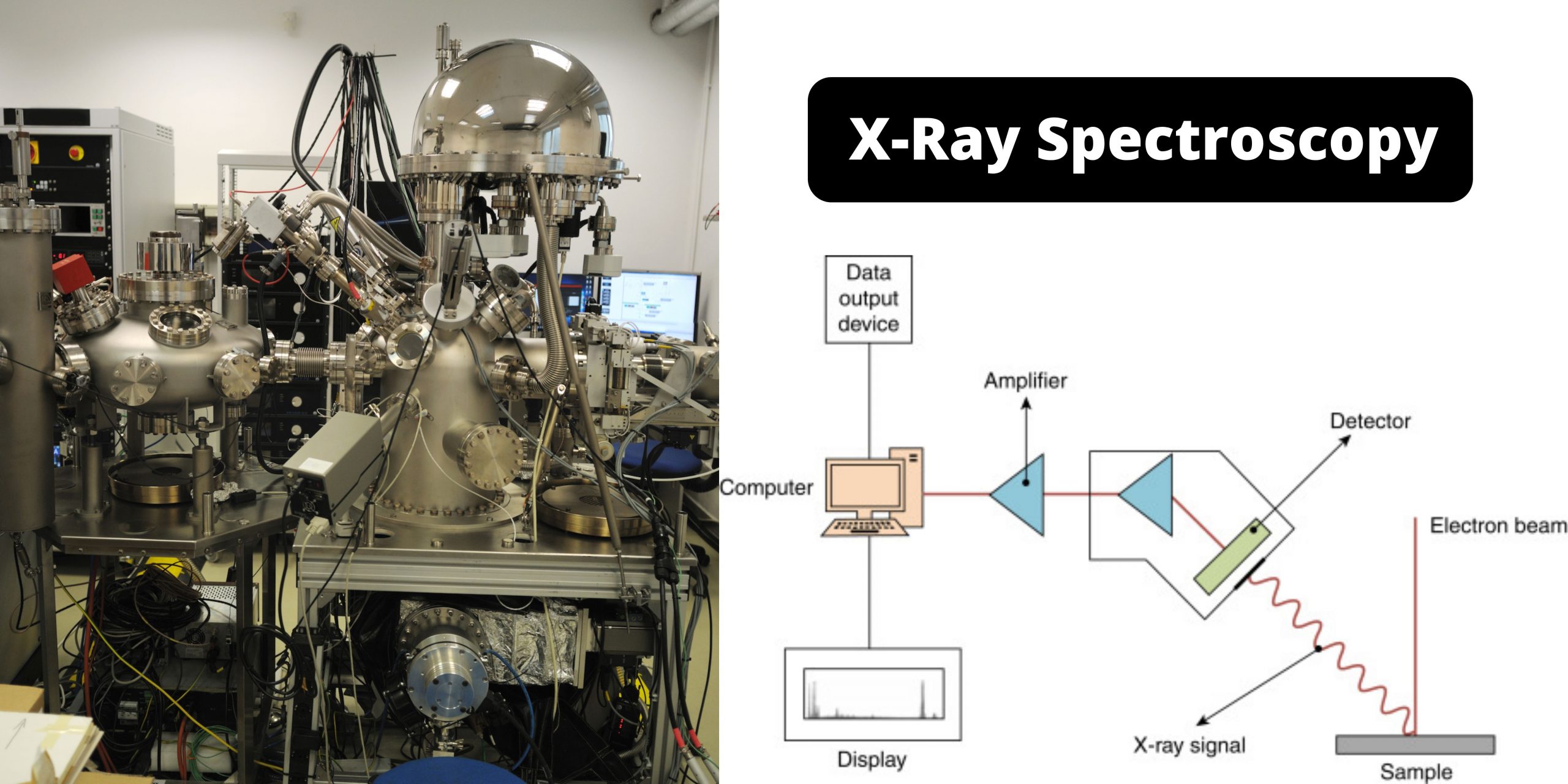
X-Ray Spectroscopy is a technique used for study of interaction between X-rays and matter. It is mainly used for determination of elemental composition and chemical state of a sample. It also gives information about physical properties of materials. It is based on emission and absorption of X-rays by atoms. When a material is excited by … Read more
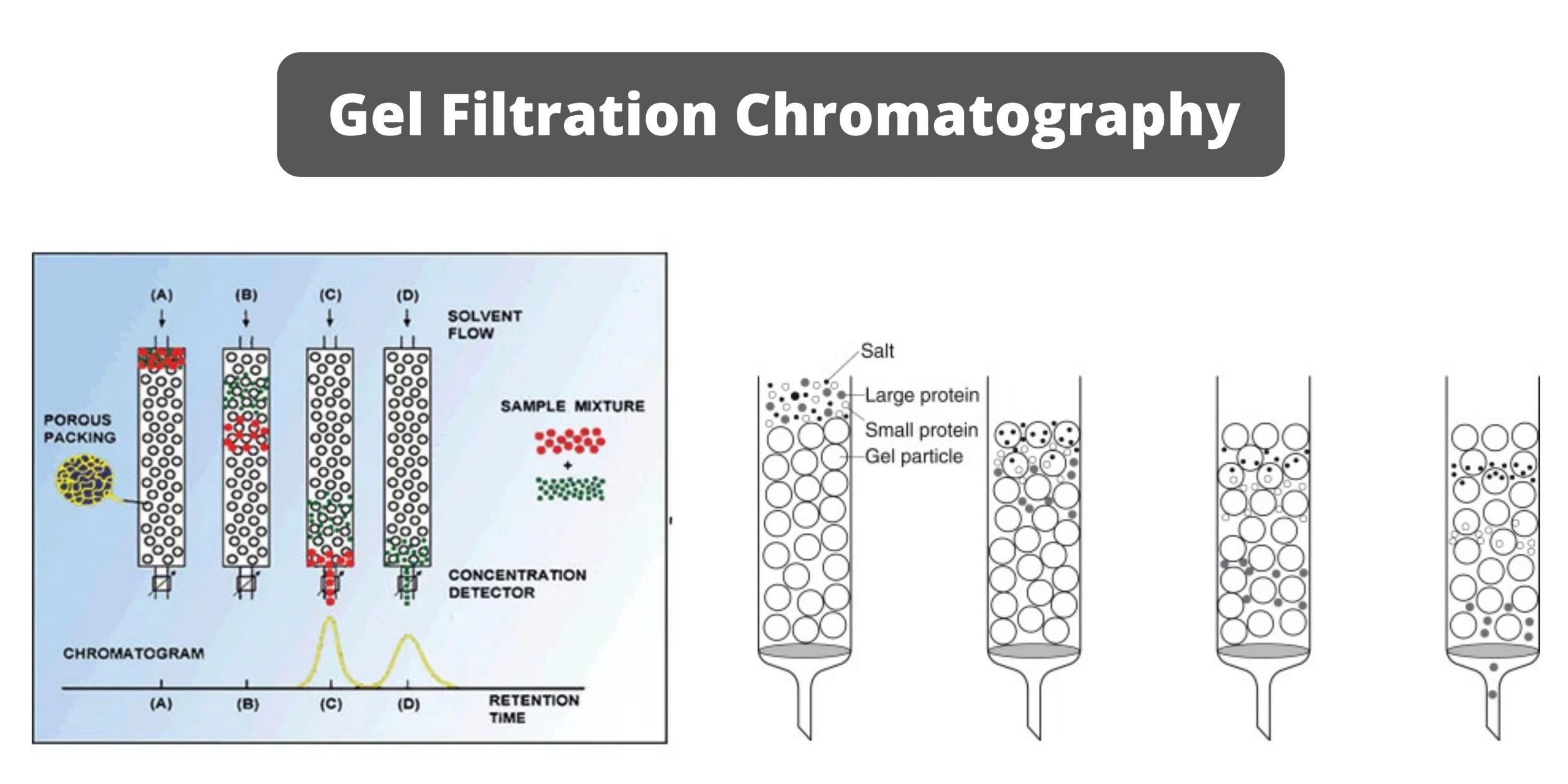
Gel Filtration Chromatography (GFC) is a chromatographic technique used for separation of molecules on the basis of their size and shape. It is also called size exclusion chromatography when water based buffer is used for the separation. It is mainly used for separation of biological molecules like proteins, nucleic acids and polysaccharides. In this technique, … Read more
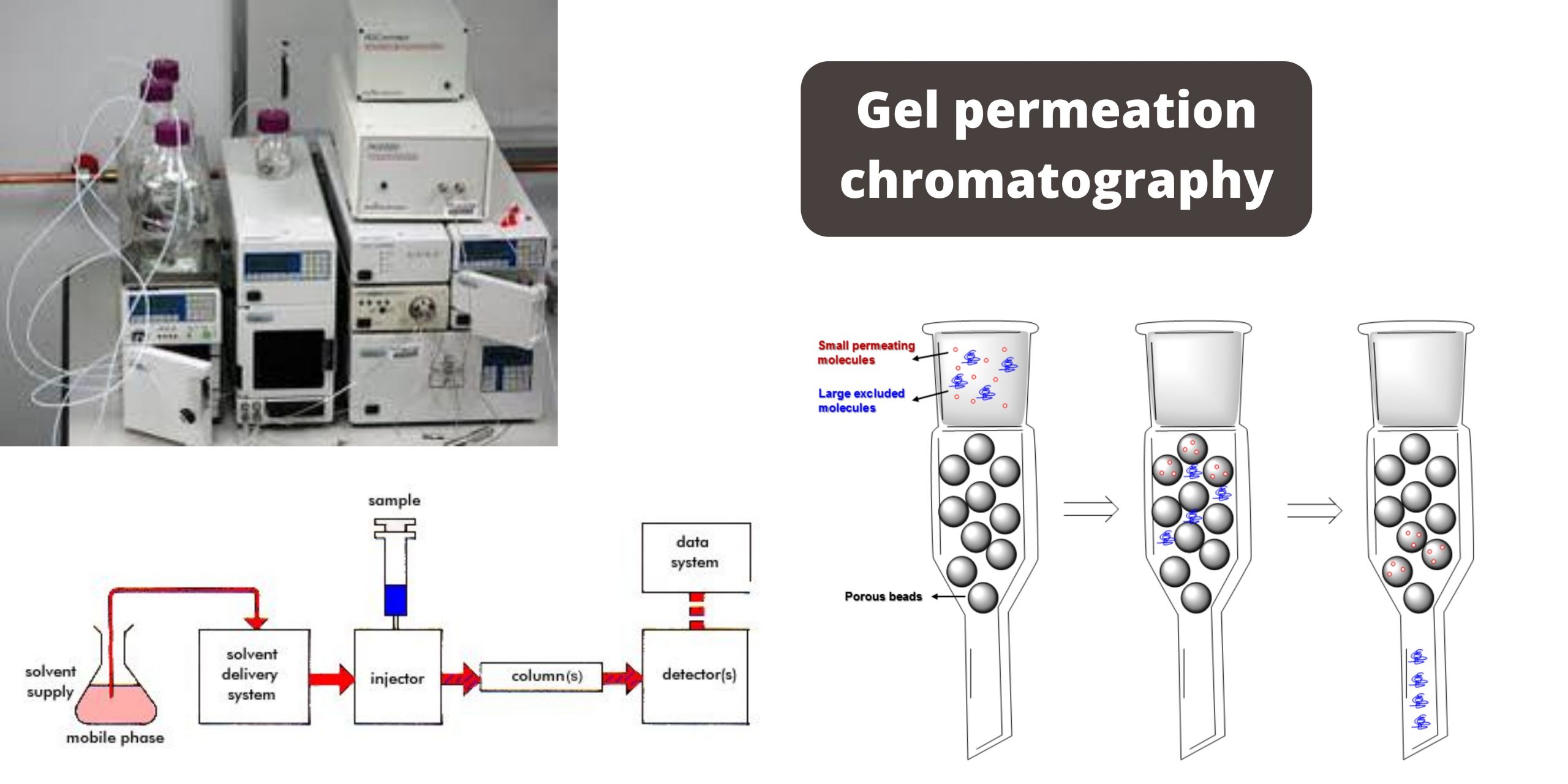
Gel Permeation Chromatography (GPC) is a chromatographic technique used to separate polymers and other large molecules according to their size in solution. It is also known as Size Exclusion Chromatography (SEC). In this technique, the polymer sample is dissolved in a suitable solvent and then passed through a column which contains porous gel beads. These … Read more
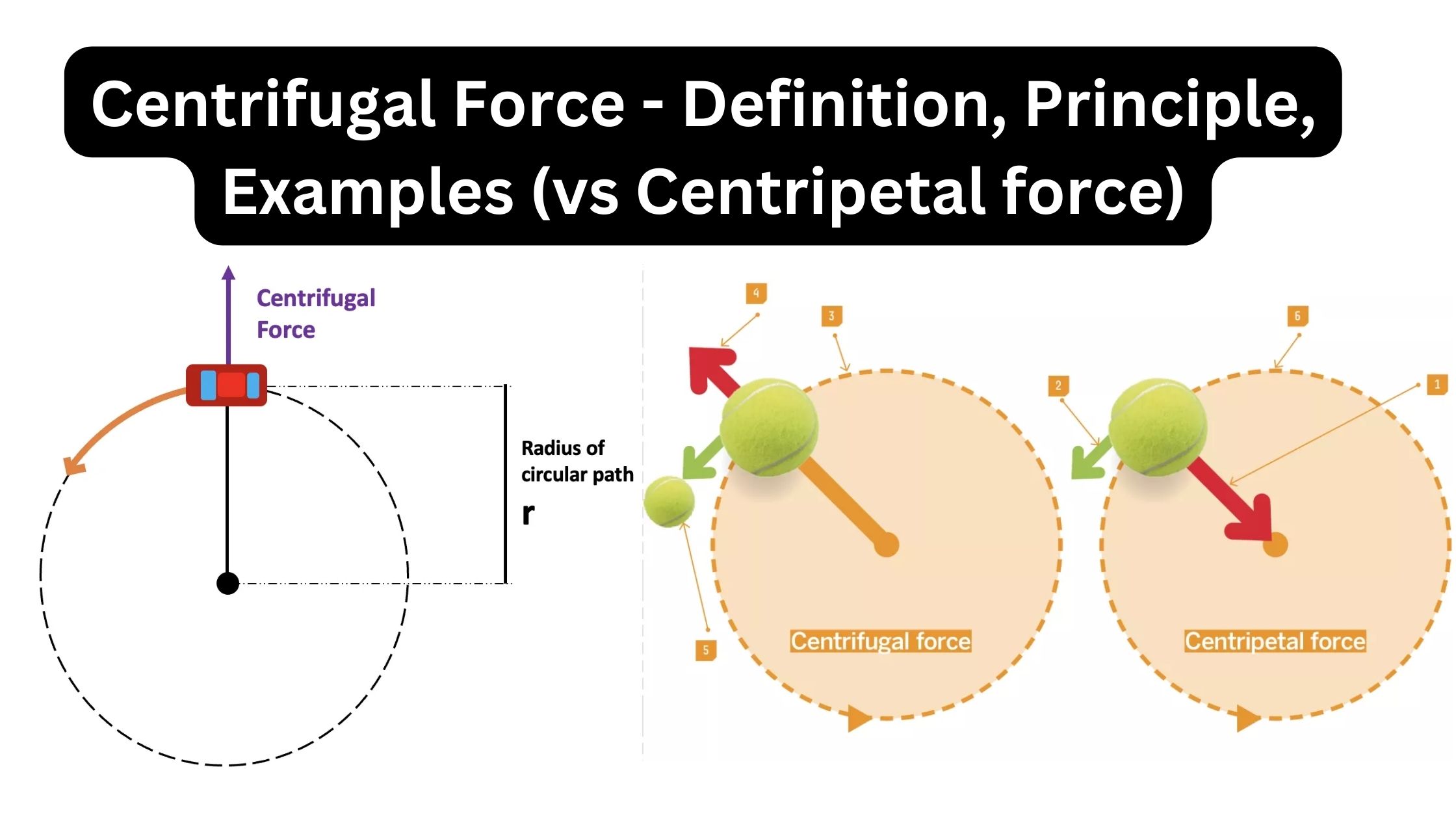
Centrifugal force is an apparent force that seems to act outward from the centre of rotation when a body moves in a circular path. It is also called a pseudo force or fictitious force because it is not produced by any real physical interaction. It is observed only in a rotating or non-inertial frame of … Read more