Sourav Pan is the founder and sole author of Biology Notes Online. He holds a Bachelor of Science (B.Sc.) degree and an M.Sc. in Microbiology from the University of Calcutta. He creates educational resources covering microbiology, immunology, biotechnology, genetics, cell biology, botany, zoology, and other life-science subjects.
His goal is to make complex biological concepts easier to understand through well-structured, student-friendly articles based on academic textbooks, peer-reviewed research, and authoritative scientific sources. In addition to writing new content, he regularly reviews and updates articles to improve their accuracy, clarity, and educational value.
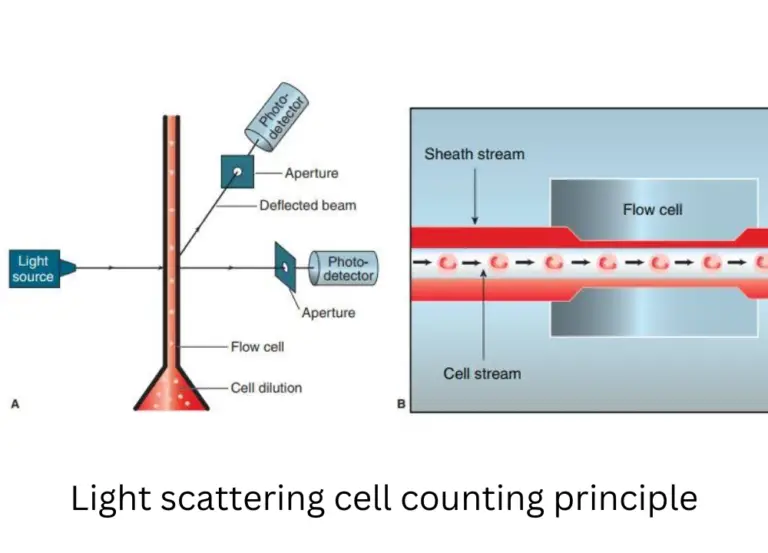
Automated Cell Counter is an analytical laboratory instrument that is used to count the number and concentration of cells in a given sample. It is used to measure cell viability also, with minimum human interaction. It replaces manual counting by using physical and optical sensors. So it gives more accurate and reproducible result. Automated cell … Read more
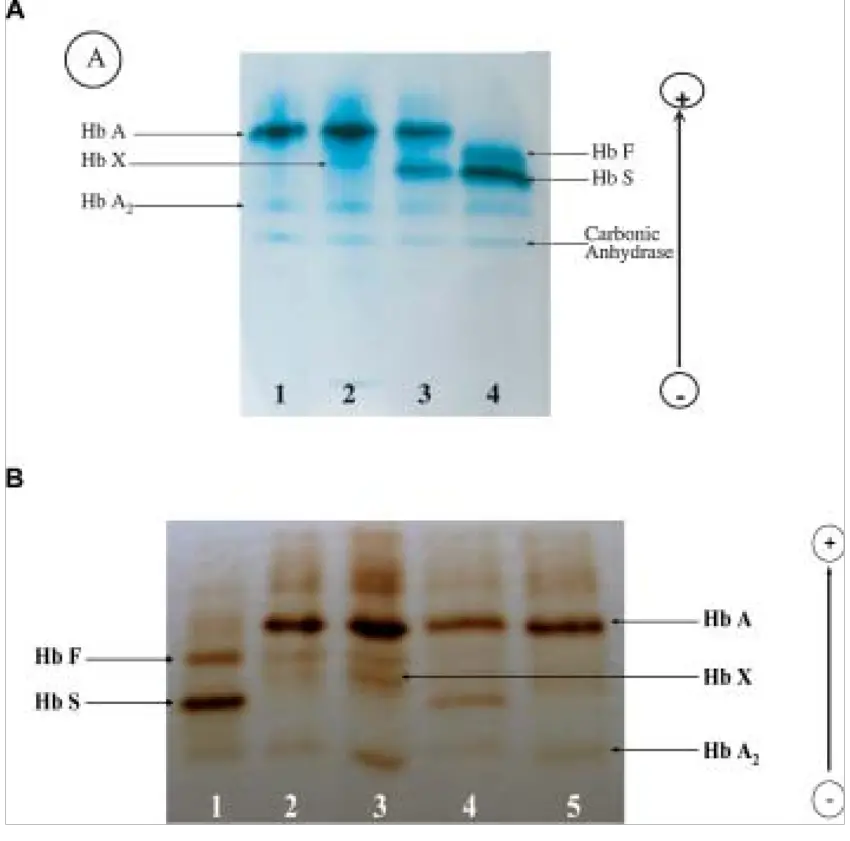
Cellulose Acetate Electrophoresis is a type of zone electrophoresis technique used to separate charged biological molecules like proteins, nucleic acids and dyes in a liquid sample. It is carried out on a porous membrane made up of cellulose acetate. This membrane is first soaked in buffer solution and then electric current is passed through it. … Read more
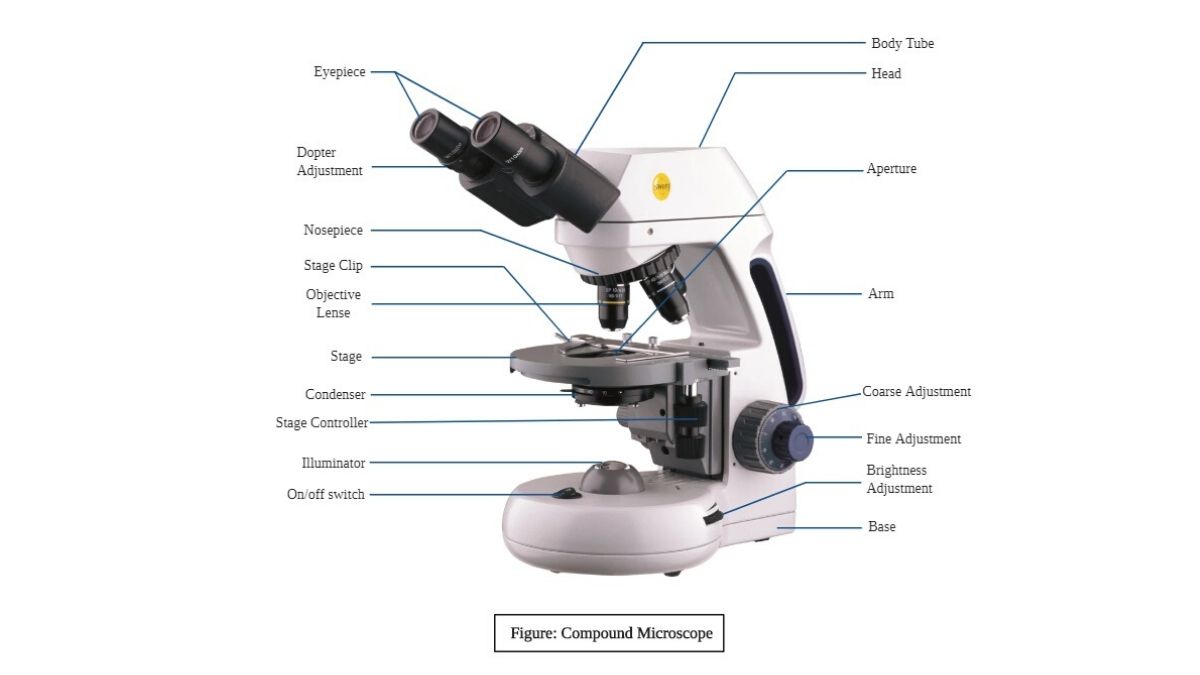
Compound Microscope is an optical instrument in which two lenses are used to magnify the small specimen. It is also called light microscope. The two lenses are objective lens and eyepiece lens. The objective lens is near the specimen and eyepiece lens is near the eye. The specimen is placed on glass slide. Light is … Read more
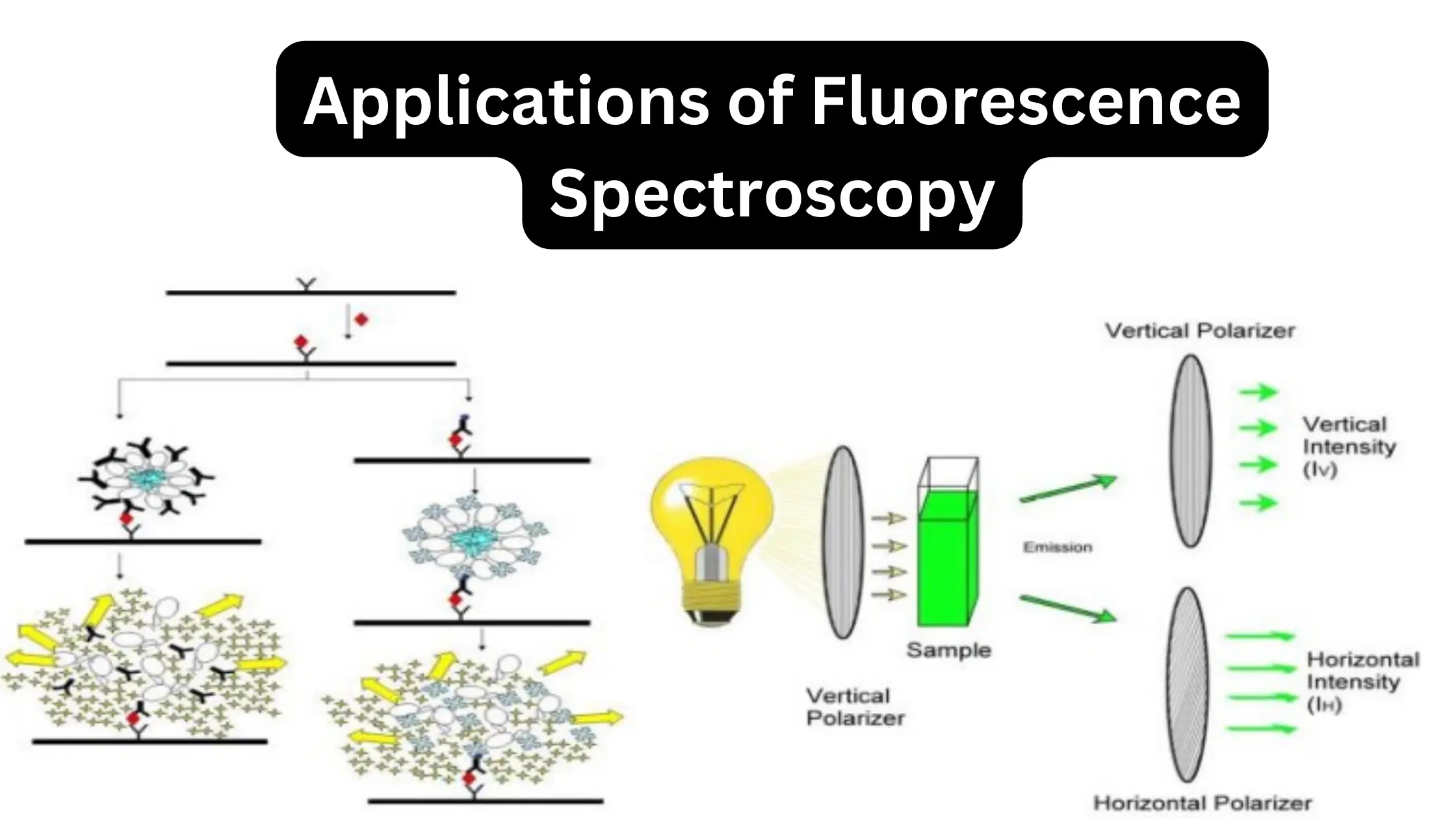
Fluorescence Spectroscopy is an analytical technique used to study the fluorescence emitted by a sample after excitation by light. It is also known as fluorimetry or spectrofluorometry. In this method, UV or visible light of definite wavelength is allowed to fall on the sample. The electrons of molecules absorb this energy and go to excited … Read more
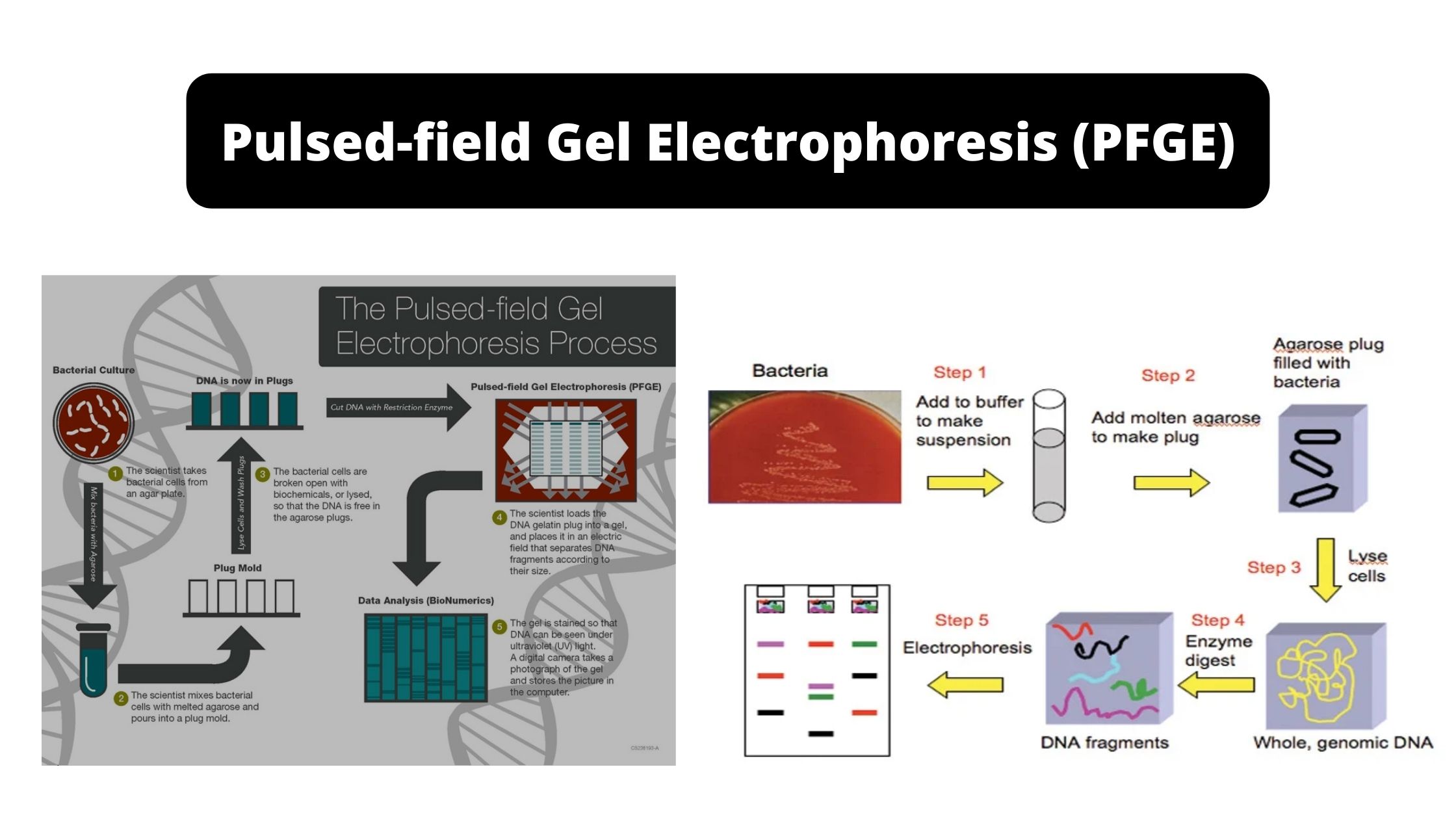
Pulsed-field Gel Electrophoresis (PFGE) is a molecular biology technique used for separation of very large DNA molecules in an agarose gel. It is used as a DNA fingerprinting method for large chromosomal DNA fragments. Normal agarose gel electrophoresis can separate only smaller DNA fragments, but PFGE can separate DNA fragments up to about 10 megabase … Read more
Laboratory Water Bath is a temperature controlled laboratory instrument that is used to heat and incubate samples at constant temperature for long time. It consists of a container or reservoir filled with heated water. The water acts as a heat medium and gives uniform heating to the sample. It is mainly used when direct flame … Read more
Laboratory Incubator is a laboratory instrument which is used to grow and maintain microbial culture and cell culture. It is an insulated chamber. It maintain fixed temperature and other suitable condition for growth. Humidity and gases like carbon dioxide (CO₂) and oxygen (O₂) are also controlled in it. It gives contamination free environment to the … Read more
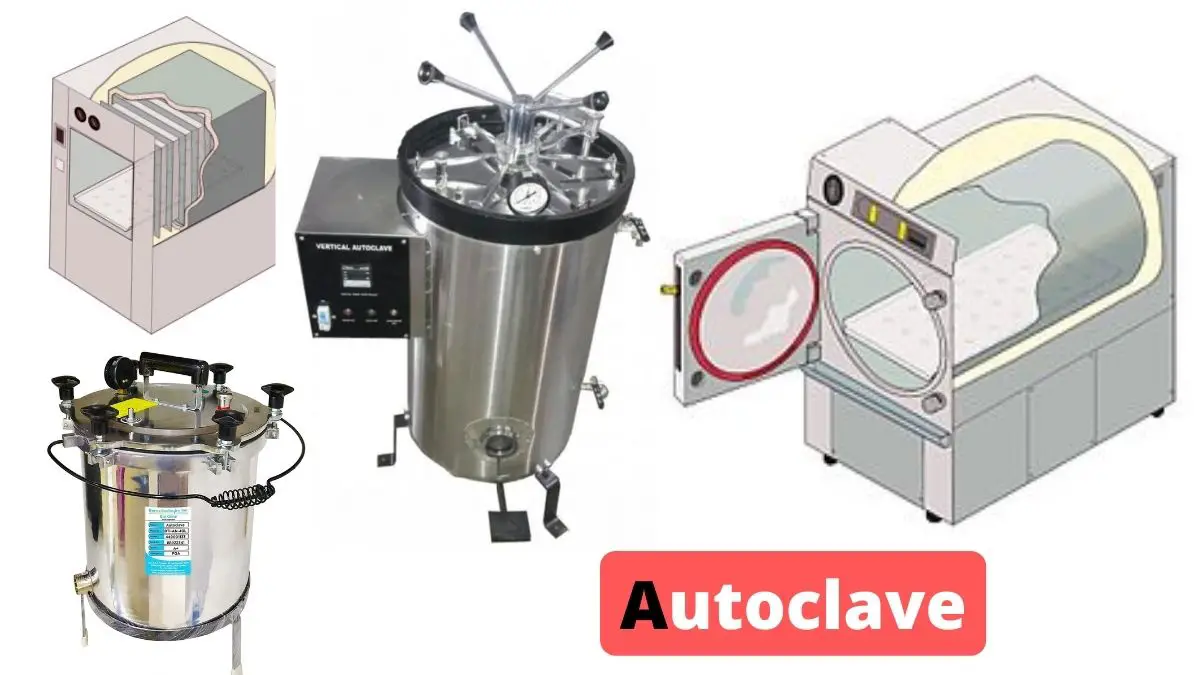
Autoclave is a sterilizing instrument that is used to sterilize culture media, glasswares, surgical instruments and other materials by steam under pressure. It is a strong metallic chamber with a tight lid. The materials are kept inside the chamber. Then steam is passed into the chamber after removing air. Autoclave works at 121°C temperature and … Read more
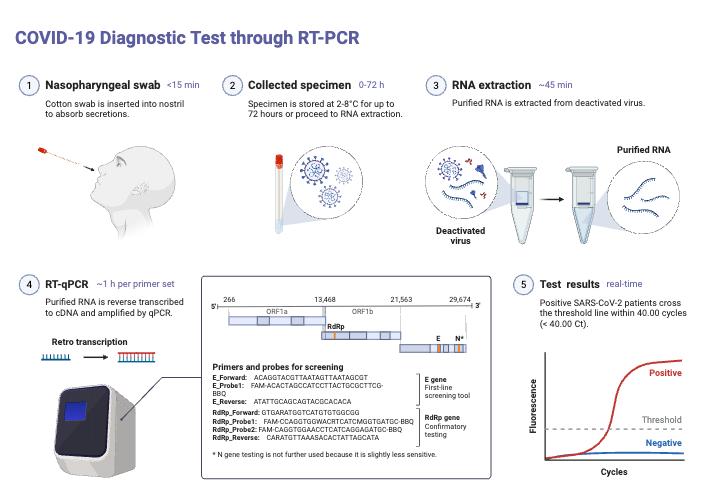
Reverse Transcription PCR (RT-PCR) is a molecular technique used to detect and amplify RNA. It is used because normal PCR cannot directly amplify RNA. In this technique, RNA is first converted into complementary DNA (cDNA). This conversion is done by the enzyme reverse transcriptase. The formed cDNA is more stable than RNA and it works … Read more
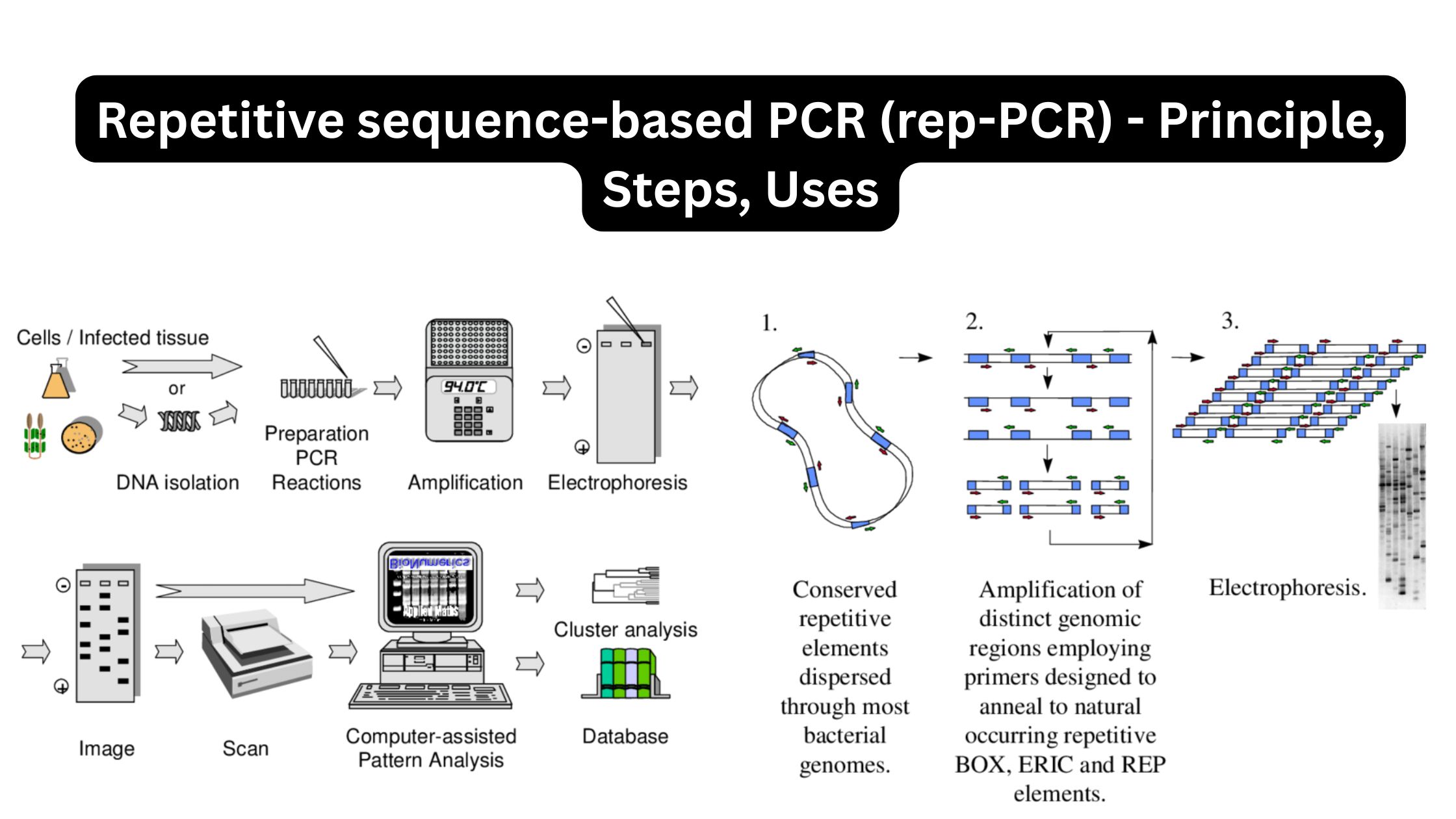
Repetitive sequence-based PCR (rep-PCR) is a molecular technique used to produce genetic fingerprint of bacteria and fungi. It is used for identification and classification of microorganisms at species, subspecies or strain level. It is based on the presence of repetitive DNA sequences in microbial genome. These sequences are non-coding and occur in many copies. In … Read more