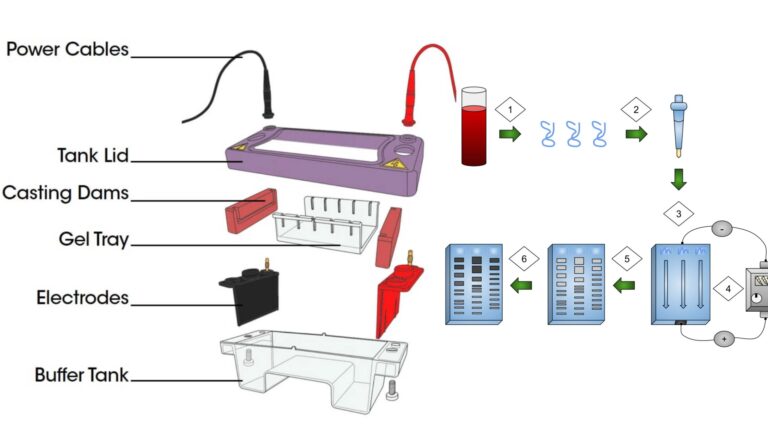
Gel electrophoresis system is a laboratory setup used for separation of charged biological molecules. It is used for DNA, RNA and proteins. It contains a gel box, gel matrix, running buffer and power supply. The gel matrix may be agarose or polyacrylamide. The buffer conducts electric current and keeps the molecules moving properly. When electric
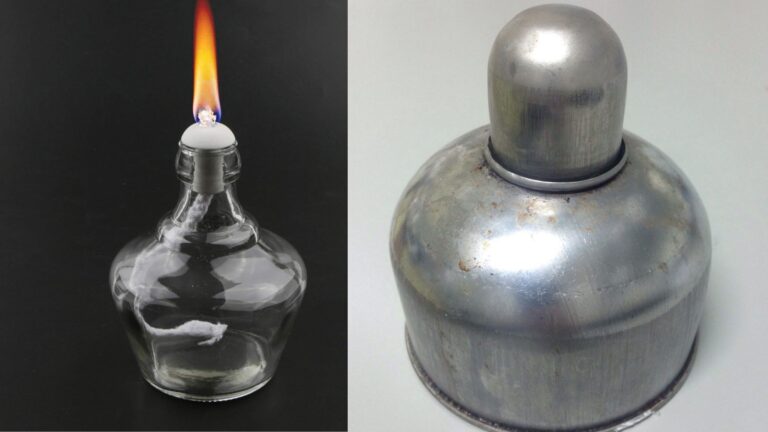
Alcohol burner is a small laboratory heating instrument used for gentle heating and sterilization. It is also called spirit lamp. It is made up of glass, brass, aluminium or stainless steel. It has a fuel reservoir and a cap with cotton wick. Some burners may also have wickless copper tube. The fuel used in alcohol
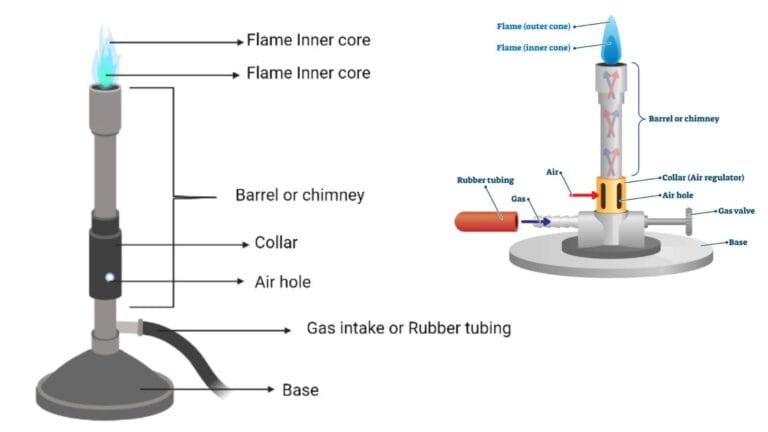
Bunsen burner is a laboratory instrument used for heating, sterilization and burning of substances. It gives an open flame. The flame can be controlled by changing the air supply. It uses gas like natural gas, propane or butane. The gas enters into the burner tube and mixes with air. Then the mixture burns at the
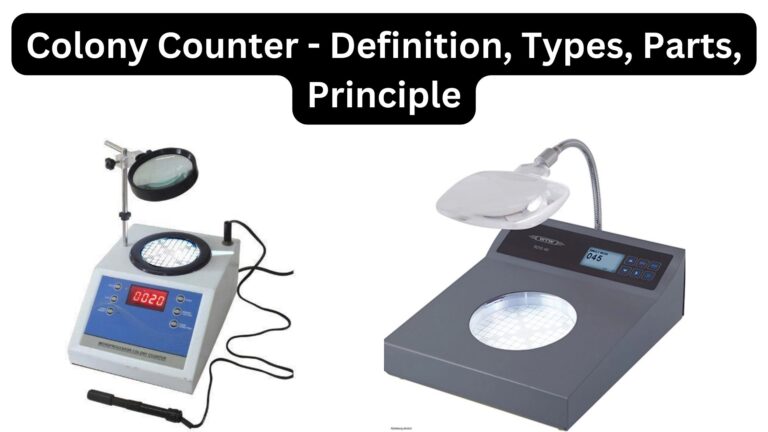
Colony counter is an instrument used in microbiology laboratory for counting microbial colonies grown on agar plate. It is used for bacteria, yeast, fungi and other microorganisms. It counts the number of Colony Forming Units (CFU) present on the plate. Each colony is considered as formed from one viable microbial cell or group of cells.
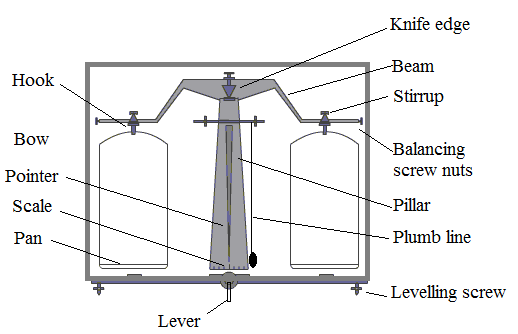
Two pan analytical balance is a classical weighing instrument used for measuring mass of an object. It is also called equal arm analytical balance because both arms of the beam are equal in length. It works on the principle of first class lever. The beam is supported at the centre on a sharp knife-edge. This
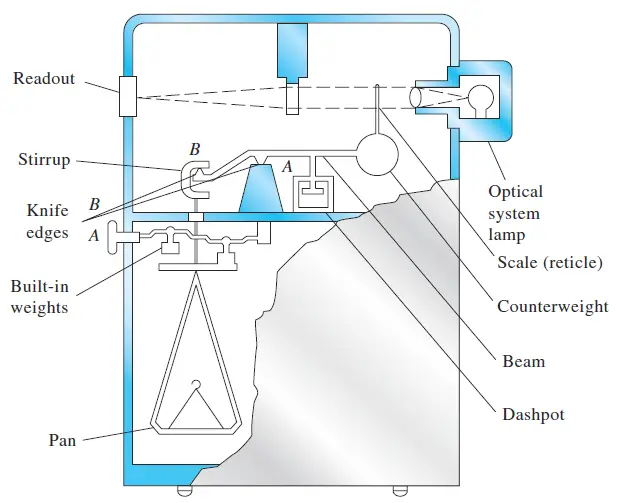
Single pan mechanical balance is a precise weighing instrument used for measuring mass of a sample. It is also called unequal arm mechanical balance because the two arms of the beam are not equal in length. It works on the law of moments or lever principle. The balance has a horizontal beam which rests on
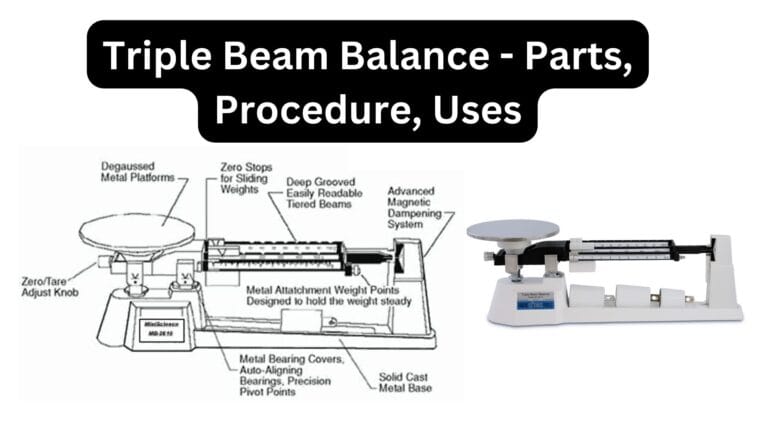
Triple beam balance is a mechanical instrument used for measuring the mass of an object. It does not need electricity. So it can be used in ordinary laboratory and classroom. It measures mass, not weight. So the reading is not changed by local gravity like weight. The mass is measured by balancing the object with
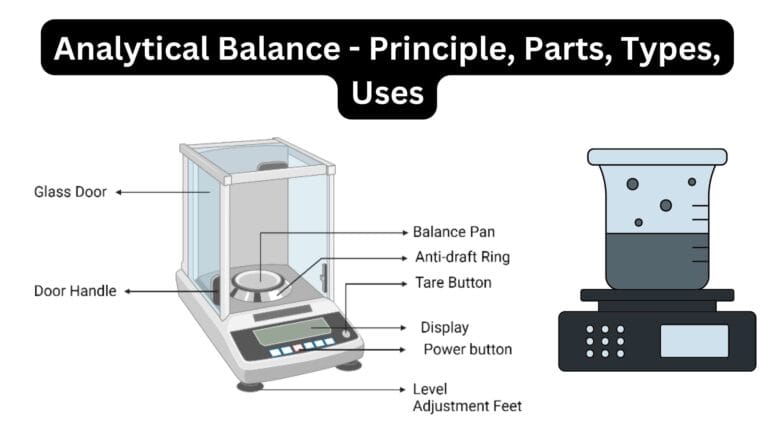
Analytical balance is a sensitive laboratory instrument used for measuring very small mass with high accuracy. It is commonly used in chemistry, biology, pharmaceutical and research laboratory. It can measure mass up to 0.1 mg or 0.01 mg level. So it is used when accurate weighing of sample is needed. Small change in air, dust
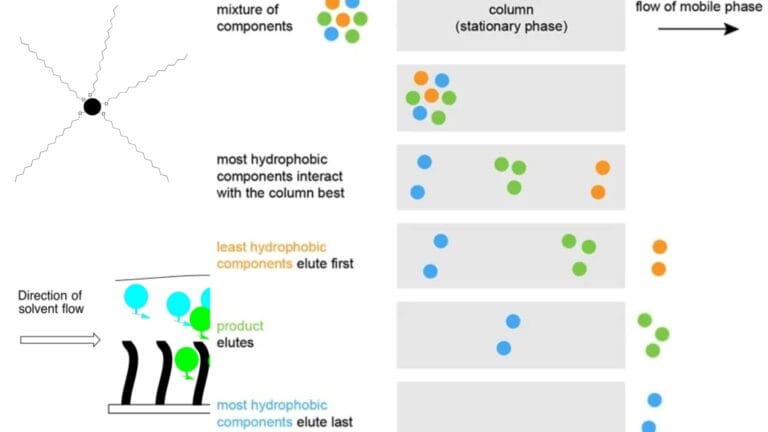
Reversed-Phase Chromatography (RPC) is a type of liquid chromatography used for separation and analysis of compounds. It separates molecules mainly according to their hydrophobic nature. In this method the stationary phase is non-polar. The stationary phase is usually silica gel attached with hydrophobic alkyl chains. Common phases are C18 and C8. The mobile phase is
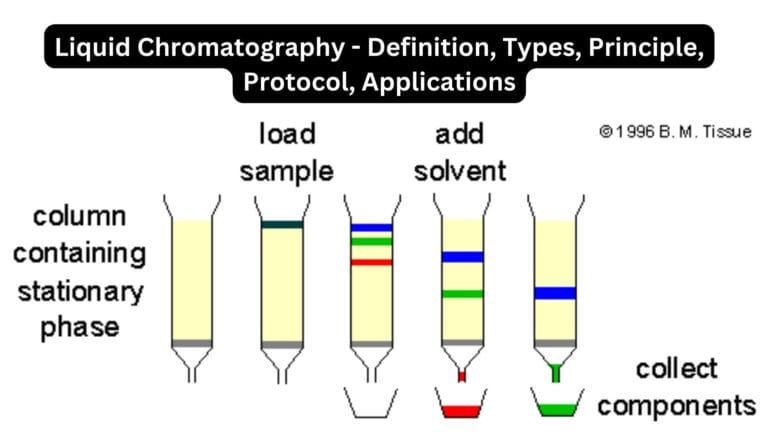
Liquid Chromatography is a separation technique used to separate, identify and measure the components of a liquid mixture. It is used in analytical chemistry for the analysis of complex samples. In this technique, the sample is passed through a column with the help of a liquid solvent. The liquid solvent is called mobile phase. The