Bead Mill Homogenizer (Bead Homogenizer) is a laboratory device that is used to rapidly break and mix biological or industrial samples into a uniform mixture. It works by placing the sample in a closed tube with small grinding beads. These beads may be made up of glass, ceramic, or stainless steel. During the process, the
Beaker is a cylindrical laboratory container with flat bottom and small spout at the top. It is one of the common glassware used in laboratory for mixing, heating, stirring and keeping liquids for short time. The spout is used to pour the liquid easily and in controlled way. It is usually made up of borosilicate
Blood Collection Tubes are evacuated, sterile and single-use medical devices that are used to collect human blood samples for laboratory testing. These tubes are used by trained healthcare professionals during blood collection. It helps to collect, contain, preserve and transport the blood sample safely. The tubes are generally made up of glass or shatter-resistant plastic
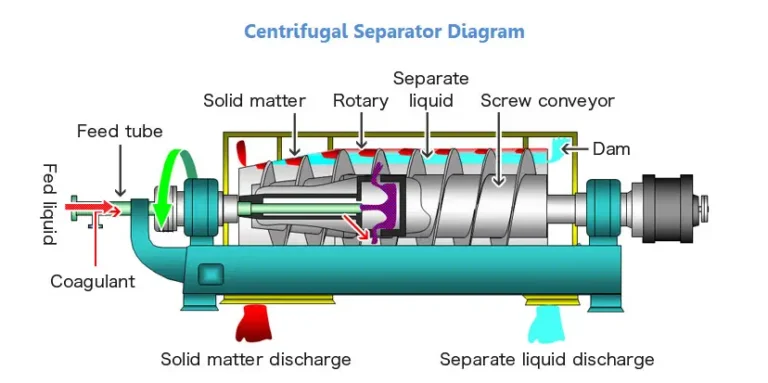
Centrifugal Separators are mechanical devices that are used to separate the components of a mixture on the basis of their different densities. It is generally operated by an electric motor and rotates a bowl or chamber at very high speed. During this rotation, a strong centrifugal force is produced which acts like artificial gravity. The
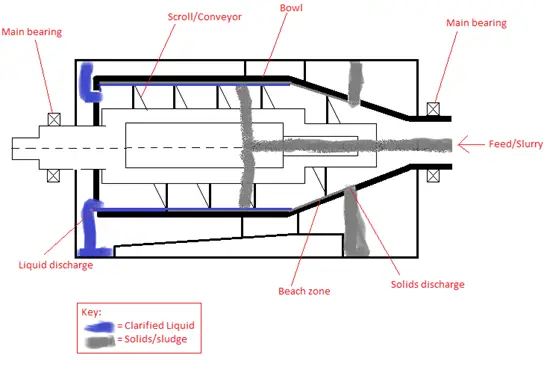
Decanter centrifuge is an industrial machine which is used to separate solid materials from liquids present in a slurry. It is also known as horizontal bowl centrifuge, solid bowl centrifuge, or scroll centrifuge. It works by spinning at very high speed. In this process, a strong centrifugal force is produced which increases the natural gravitational
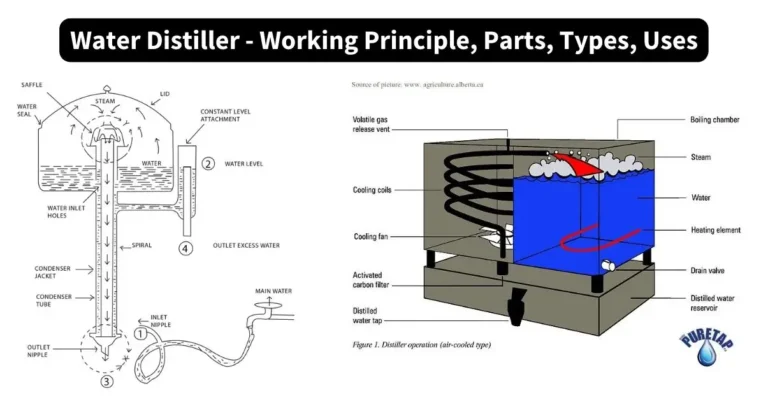
Water Distiller is a device which is used for purification of water by distillation process. It gives clean water by heating the water and then cooling the steam. It is based on evaporation and condensation of water. In water distiller, the raw water is taken in a boiling chamber. The water is heated until it
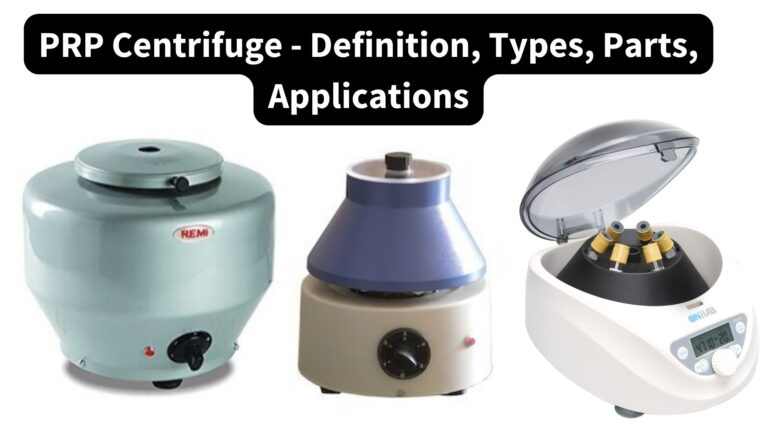
PRP Centrifuge is a specialized medical and laboratory device that is used to extract and concentrate Platelet-Rich Plasma (PRP) from the patient’s own blood. It works by spinning the blood sample at high speed. During this process, centrifugal force separates the blood components according to their specific density. The heavier red blood cells (RBCs) sink
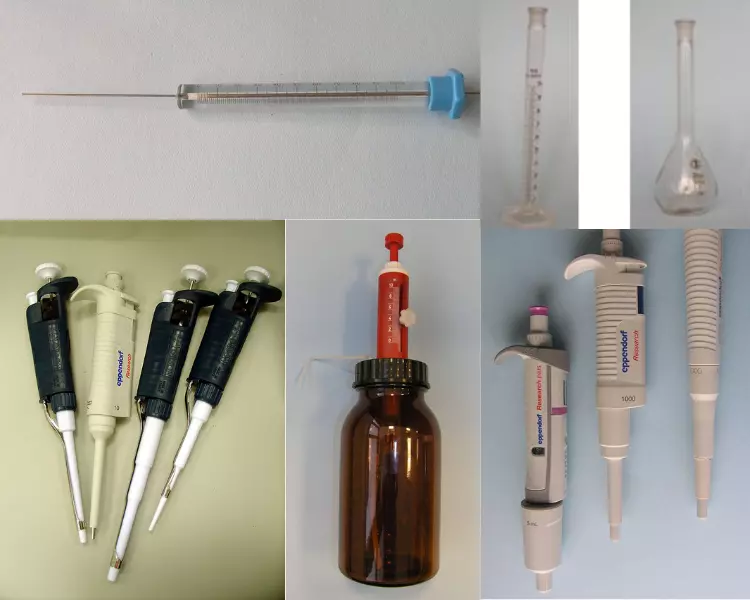
For the creation of solutions and manipulation of liquids, numerous vessels and apparatuses are employed in the laboratory. They differ in their intended application and precision. Volumes must always be measured at a constant temperature because changes in temperature result in volume changes owing to thermal expansion. At 10 °C, water has a substantially smaller
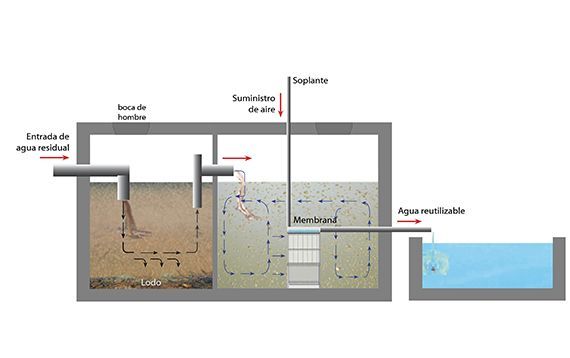
Membrane Bioreactor (MBR) is a wastewater treatment system. In this system, biological treatment and membrane filtration are present together. Microorganisms remain suspended in the aeration tank or bioreactor. These microorganisms break down the organic pollutants of wastewater. In MBR, clarifier is not used for separation of treated water and sludge. The separation is done by
Dounce Homogenizer is a specialized laboratory instrument used for gentle mechanical disruption of eukaryotic cells and soft tissues. It is also known as a tissue grinder. It was invented by Alexander Dounce in 1954. It consists of a cylindrical glass mortar or tube made up of borosilicate glass and two glass pestles. The two pestles