Plasmids: Structure, Types, Functions and Applications

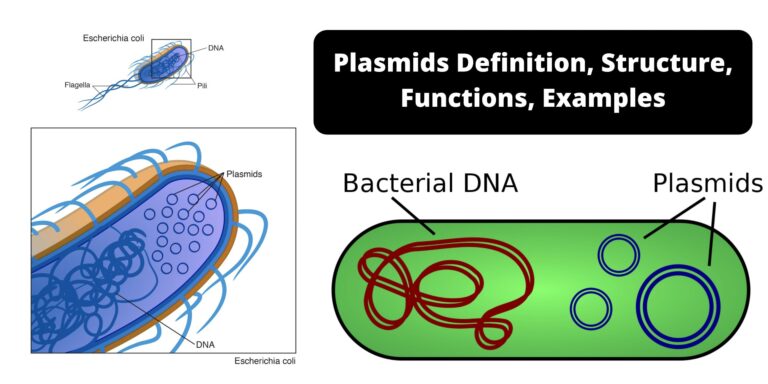
Learn what plasmids are, how they are structured and replicated, their major types and functions, and how plasmids are used in genetics and biotechnology.

Learn what plasmids are, how they are structured and replicated, their major types and functions, and how plasmids are used in genetics and biotechnology.

Learn the major plasma membrane models, from Overton and Gorter-Grendel to the Davson-Danielli, Robertson and Singer-Nicolson fluid mosaic models, with diagrams and comparison.
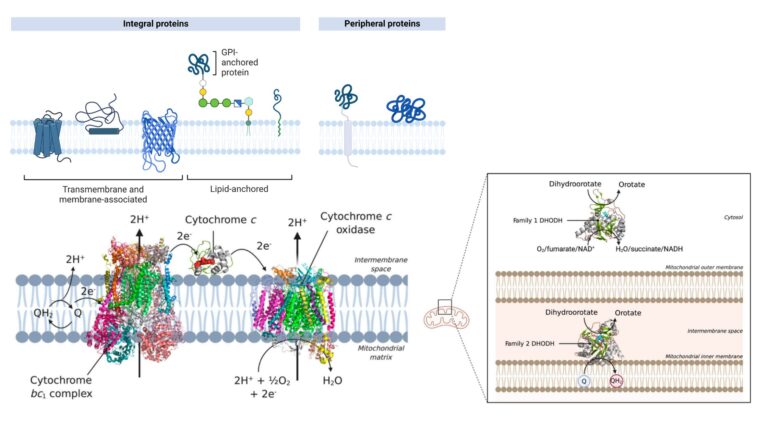
Learn what peripheral proteins are, how they attach to cell membranes, their major functions and examples, and how they differ from integral proteins.

Learn what a channel protein is, how its selective pore enables membrane transport, major channel types, their functions, and how channels differ from carriers.

Learn how the cytoskeleton is built from actin filaments, intermediate filaments, and microtubules and how it controls cell shape, transport, movement, and division.
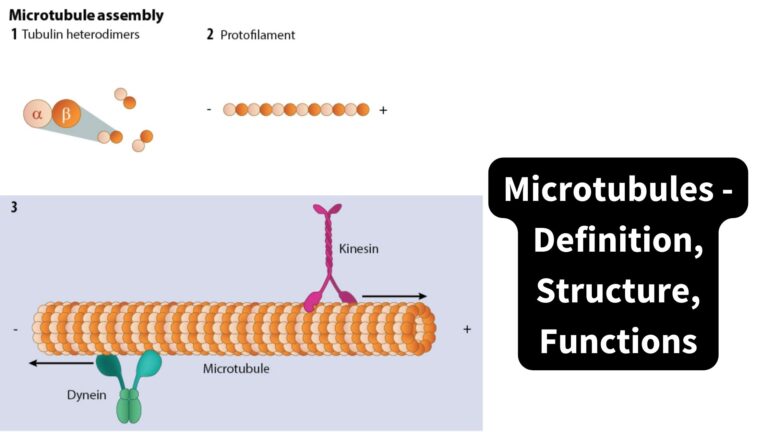
Learn what microtubules are, how α- and β-tubulin form their structure, why they grow and shrink, and how they support transport, mitosis, cilia, and cell organization.
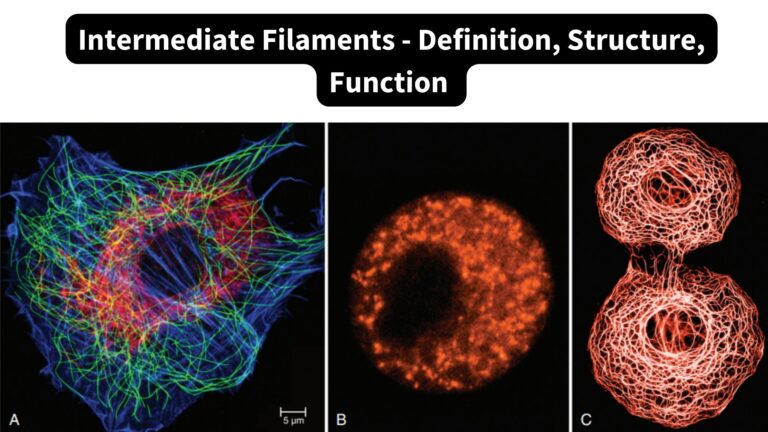
Learn how intermediate filaments are built, why they are non-polar, where keratins, vimentin, neurofilaments and lamins occur, and how they support cell and tissue strength.
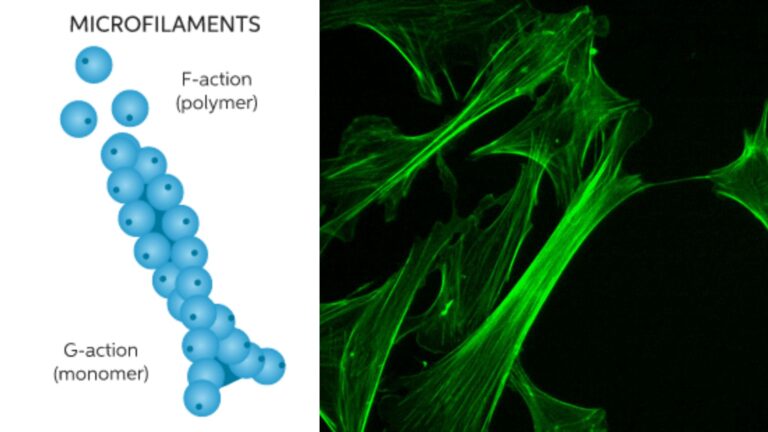
Microfilaments are thin actin filaments of the cytoskeleton. Explore their structure, polarity, dynamics, functions, locations and differences from other cytoskeletal filaments.

Learn what mitochondria are, how their membranes and cristae support ATP production, and how mtDNA, dynamics and other functions contribute to cell biology.

Microbodies are small, single-membrane organelles found in eukaryotic cells that compartmentalize specialized metabolic reactions. The term is most closely associated with peroxisomes and specialized peroxisomal forms such as glyoxysomes, glycosomes, and Woronin bodies. Depending on the organism and cell type, these organelles participate in fatty-acid metabolism, hydrogen peroxide handling, photorespiration, the glyoxylate pathway, compartmentalized glycolysis,