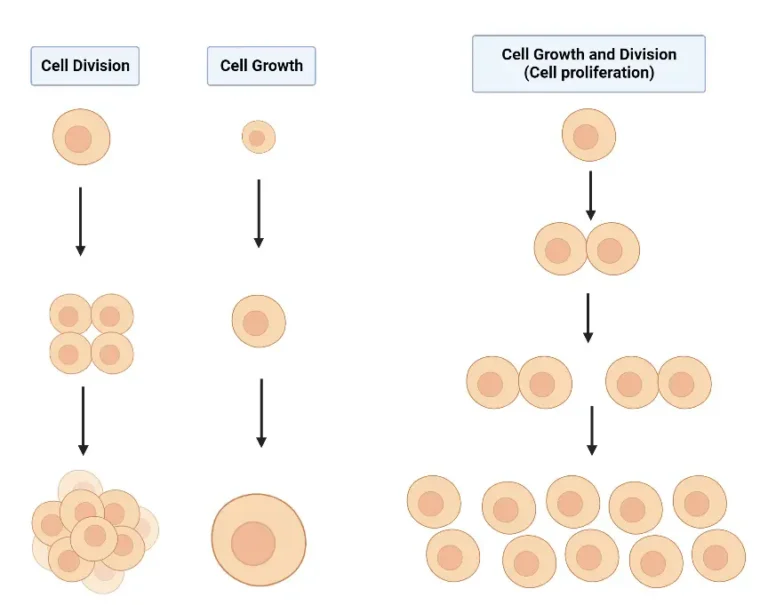
Learn what cell proliferation is, how the cell cycle and growth signals regulate it, how it differs from cell growth, and why it matters in development, tissue repair, and cancer.
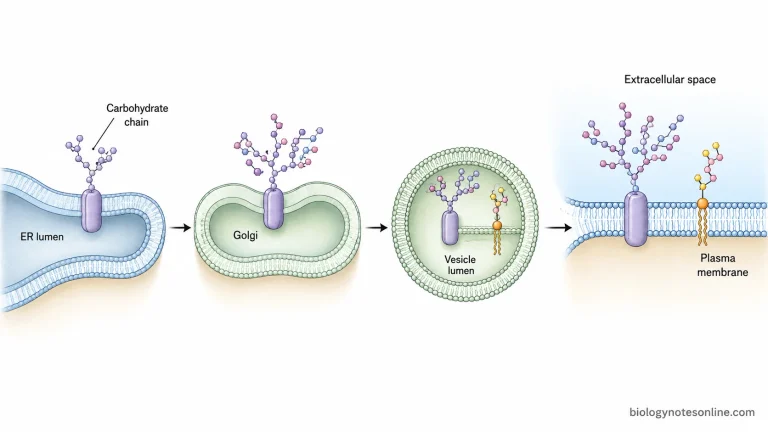
Learn what the cell coat or glycocalyx is, its structure and composition, how it forms on the plasma membrane, and its major functions in protection, recognition and cell interactions.
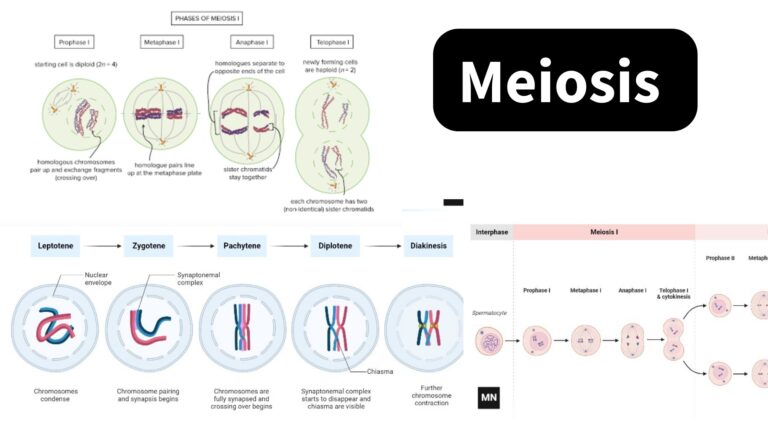
Learn what meiosis is, how meiosis I and II reduce chromosome number, how crossing over creates genetic variation, and how meiosis differs from mitosis.
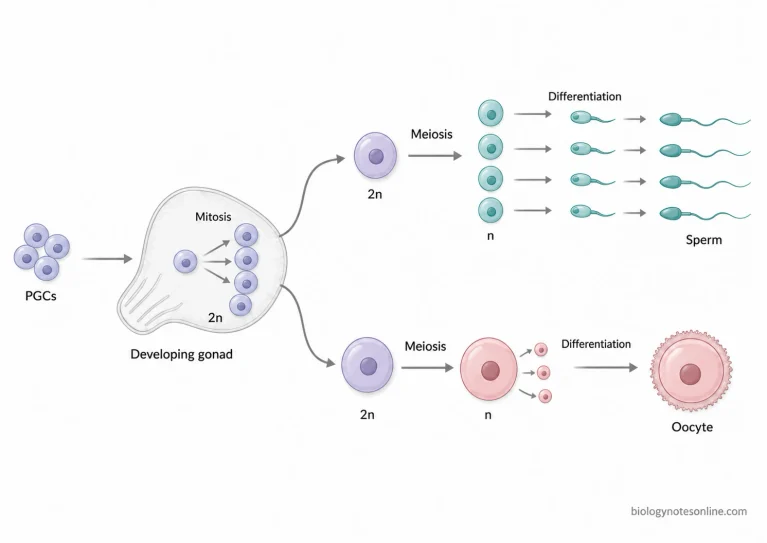
Learn what gametogenesis is, how germ cells form haploid gametes, and the stages, regulation, and key differences between spermatogenesis and oogenesis.
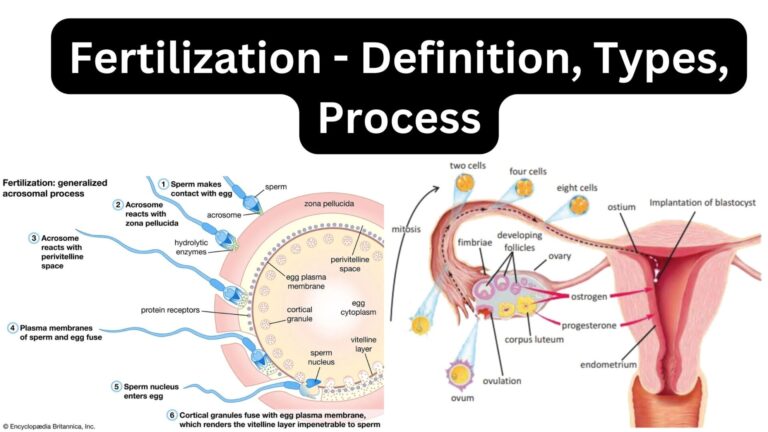
Learn what fertilization is, its major types, how sperm and egg unite, how polyspermy is controlled, and how fertilization differs in animals, humans, and flowering plants.
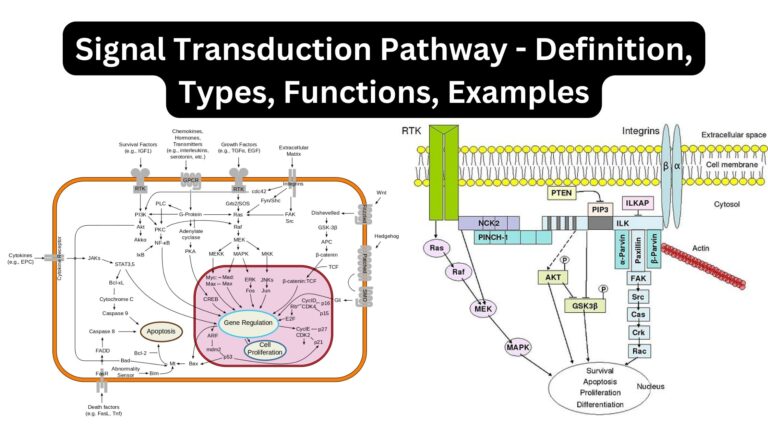
Learn how signal transduction pathways convert cellular signals into responses through receptors, signaling cascades, phosphorylation, second messengers, amplification, and major pathway examples.
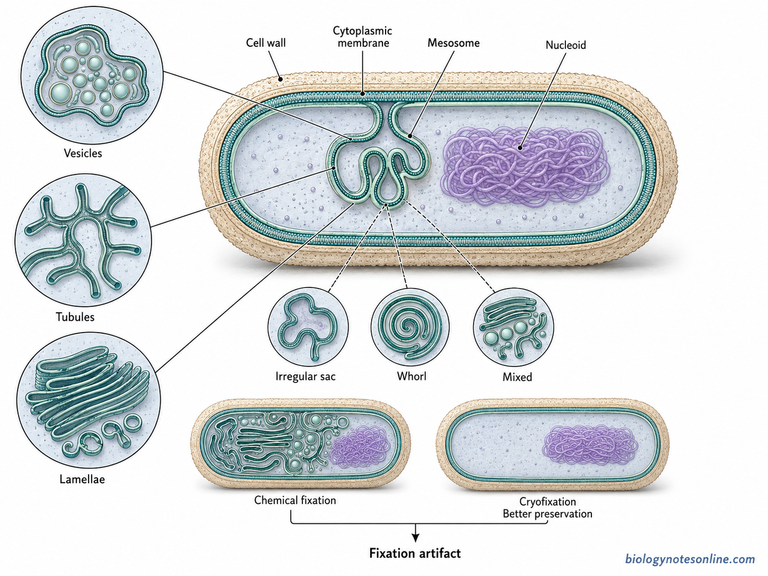
Learn about mesosomes in bacteria, including their definition, structure, types, proposed functions, NCERT description, and why modern science considers them fixation artifacts.