Blood Cells – Types, Structure, Functions, Formation, and Counts

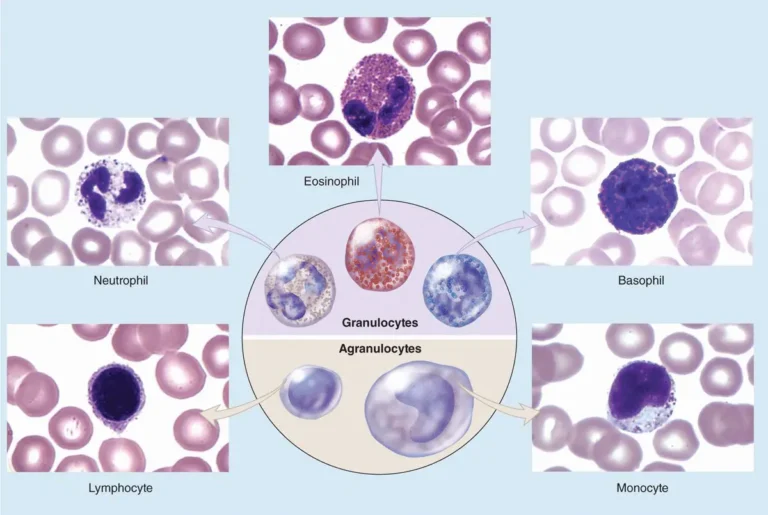
Learn about blood cells, including red blood cells, white blood cells, and platelets, their structure, functions, formation, lifespan, and blood-count basics.

Learn about blood cells, including red blood cells, white blood cells, and platelets, their structure, functions, formation, lifespan, and blood-count basics.
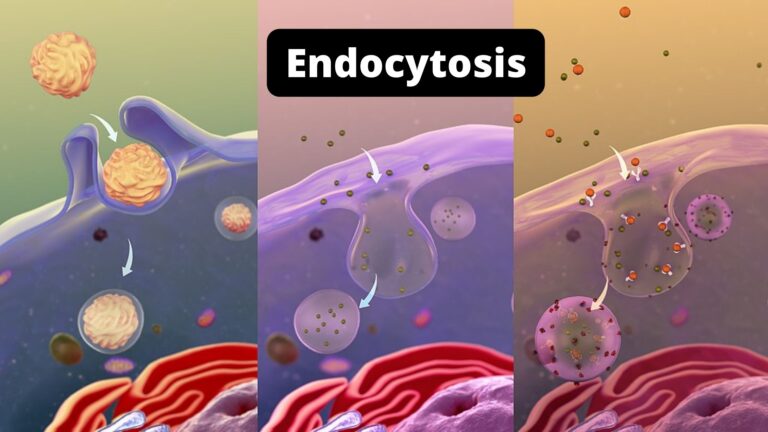
Learn what endocytosis is, how cells form endocytic vesicles, its major types and pathways, key functions, examples, and differences from exocytosis.
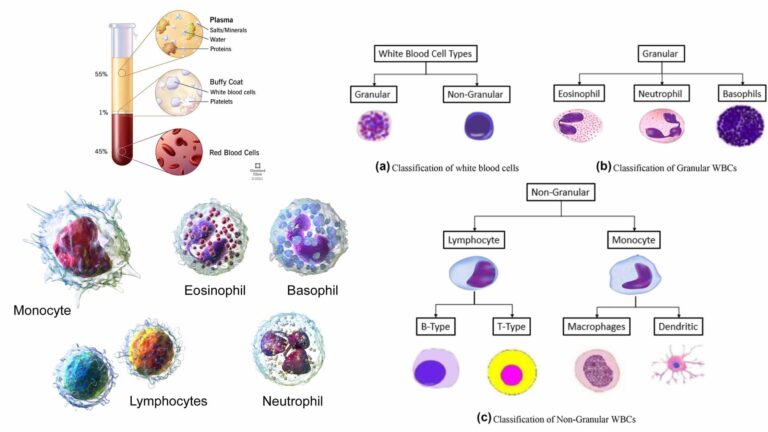
Learn what white blood cells (leukocytes) are, how the five major types differ, where they develop, how they protect the body, and what WBC counts mean.
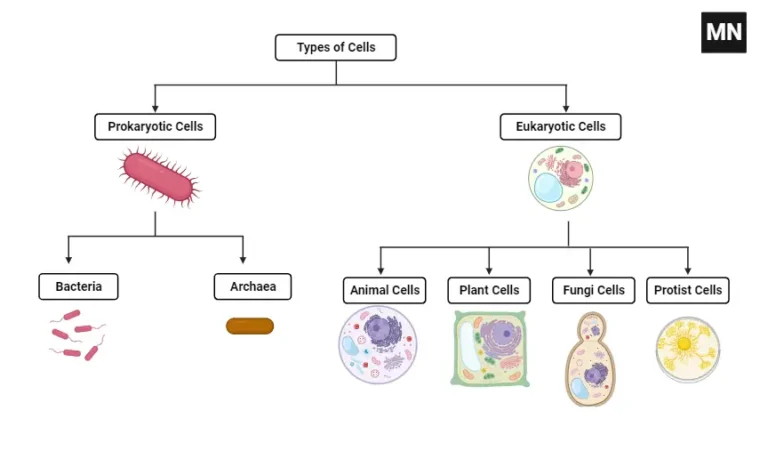
Biologists classify cellular life into two broad cell types: prokaryotic cells and eukaryotic cells. Prokaryotic cells lack a membrane-bound nucleus, whereas eukaryotic cells contain a nucleus and extensive membrane-bound compartments. Bacteria and archaea are prokaryotic, while animals, plants, fungi, and diverse microbial eukaryotes have eukaryotic cells. What Are the Two Basic Types of Cells? Biologists
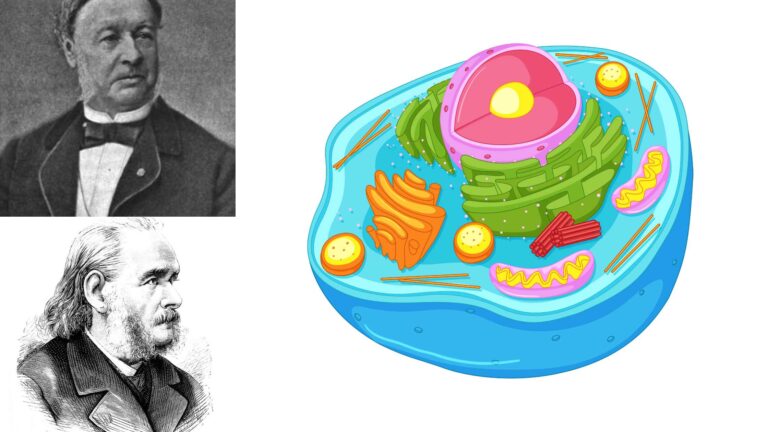
Learn what cell theory means, its three fundamental principles, the scientists who developed it, modern extensions, examples, and important limits involving viruses and the origin of cells.
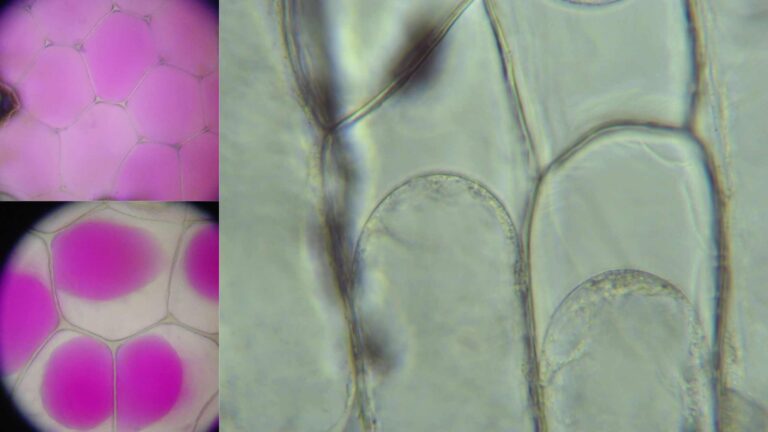
Plasmolysis is a process in which the protoplast of a plant cell shrinks away from the cell wall because of loss of water from the cell. It occurs when a living plant cell is placed in a hypertonic solution having lower water potential than that of the cell. During this process, water moves out from
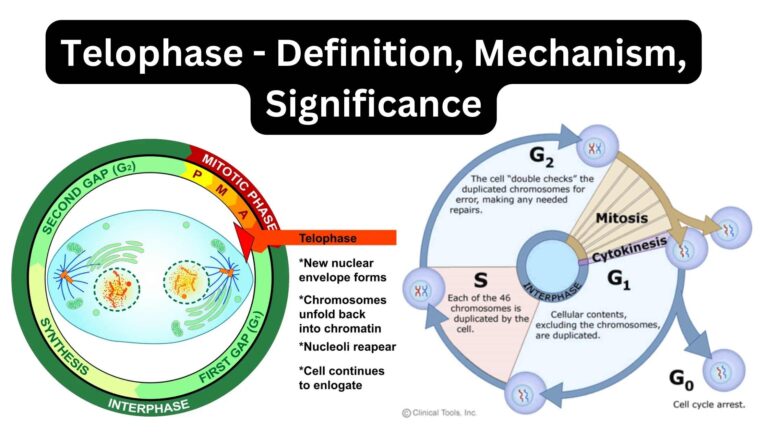
Learn what happens during telophase, including chromosome decondensation, nuclear-envelope reformation, spindle changes, cytokinesis, and telophase I and II.
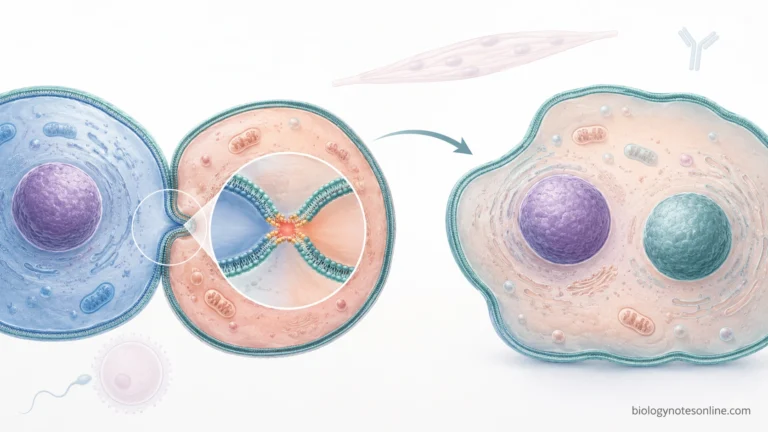
Learn what cell fusion is, how cells merge, its major types and outcomes, natural examples, laboratory methods, applications, and biological significance.
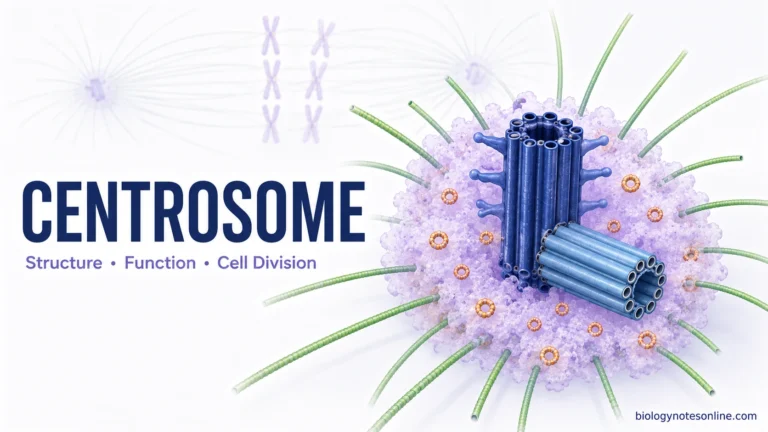
Learn what a centrosome is, how centrioles and pericentriolar material organize microtubules, and its roles in mitosis, cell organization, and ciliogenesis.
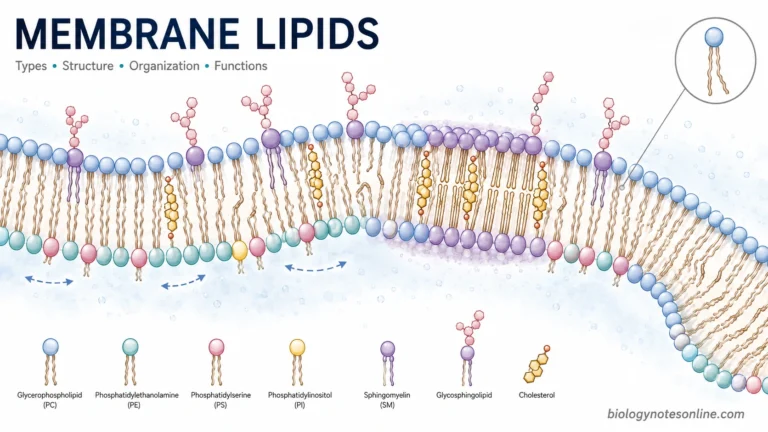
Membrane lipids form the structural basis of biological membranes. Learn their types, bilayer organization, fluidity, asymmetry, signaling roles, and synthesis.