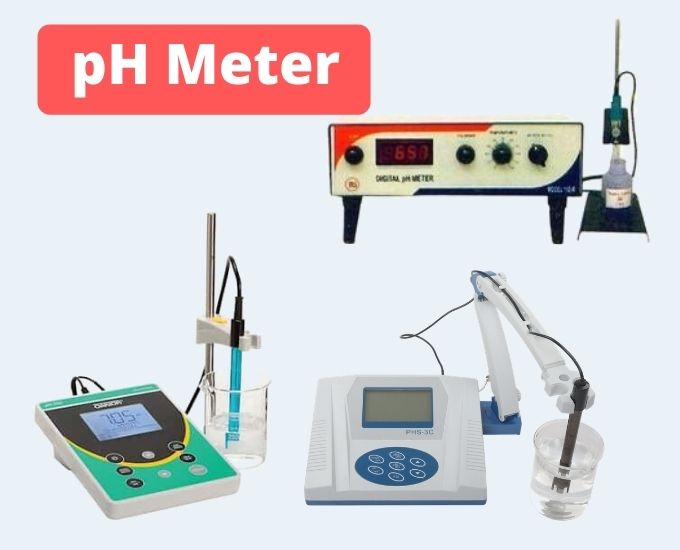
pH meter is an instrument used to measure pH of a solution. It measures the hydrogen ion activity in water based solution. It is used to know whether solution is acidic or alkaline. It works on potentiometry principle. It measures the difference in electrical potential between a measuring electrode and a reference electrode. The measuring
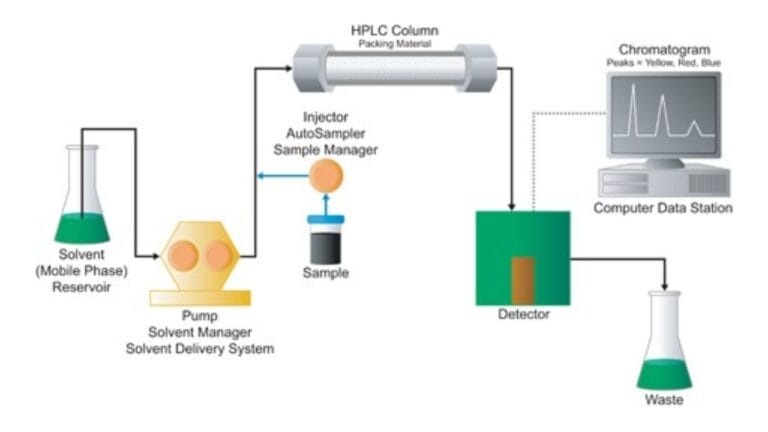
HPLC (High-performance liquid chromatography) is a liquid chromatography technique used to separate, identify and quantify different components present in a liquid mixture. It is also called high-pressure liquid chromatography. It is used when accurate separation is needed in a mixture. In this technique, a liquid solvent is used as mobile phase and the column is
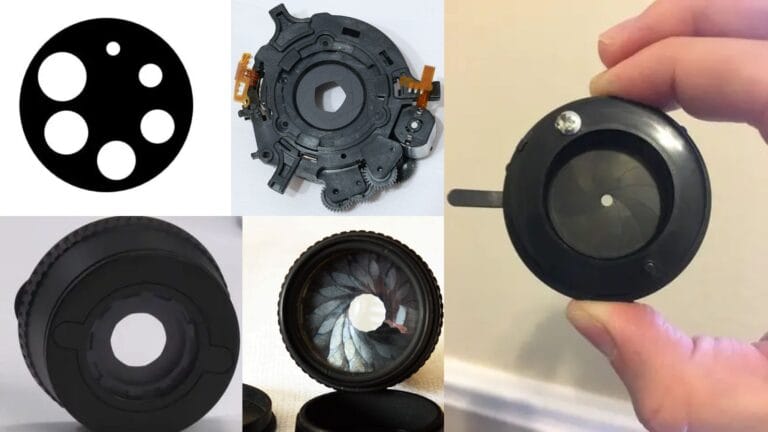
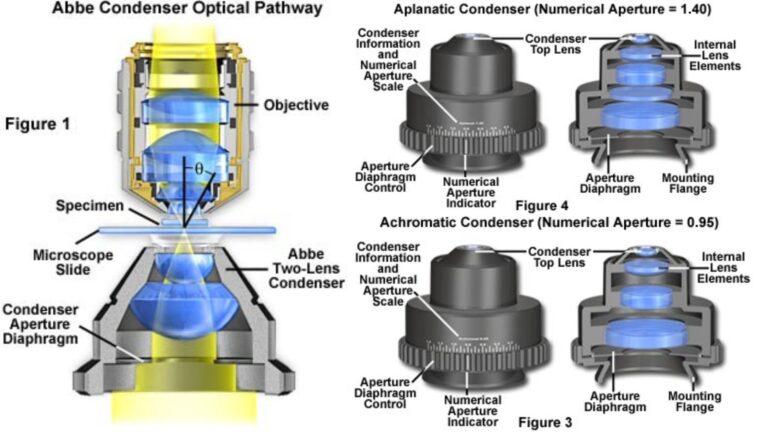
Diaphragm of a microscope is a thin opaque disc like part having a circular opening (aperture) which can be adjusted. It is fitted in the light path of microscope, mostly below the stage and near the condenser. It controls the passage of light that will go to the specimen. The main work of diaphragm is
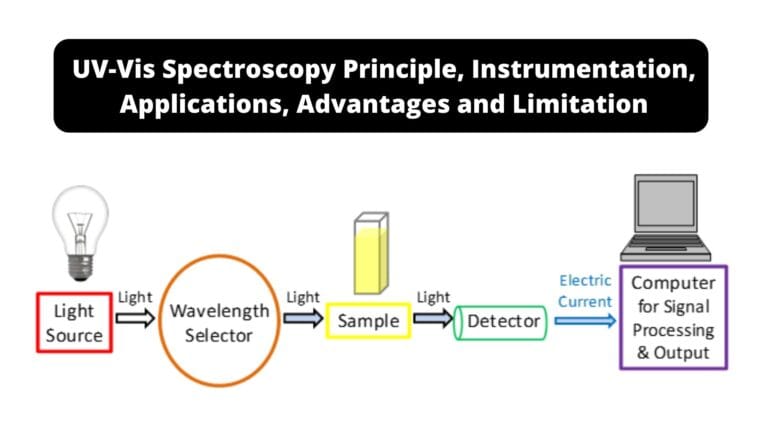
UV-Vis spectroscopy (Ultraviolet-visible spectroscopy) is an analytical technique used to measure the amount of ultraviolet and visible light absorbed or transmitted by a chemical sample. It measures light in UV and visible region. The reading is taken as absorbance or transmittance. This technique relies on interaction between electromagnetic radiation and matter. When molecules are exposed
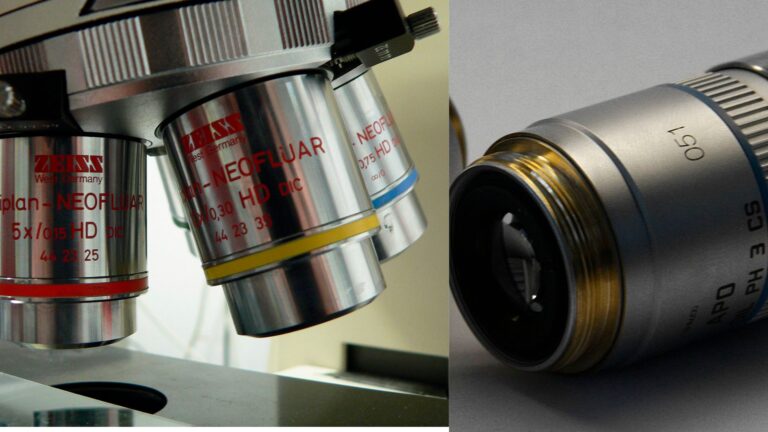
Objective lens is the most important lens of an optical microscope, which is kept closest to the specimen. It is the first lens that collects the light coming from the specimen (emitted or reflected). It bends the light rays and forms a real, magnified image at an intermediate image plane. This primary image is then
Microscope condenser is an optical lens system placed below the stage of the microscope between the light source and the specimen. It is used to collect the divergent light rays and concentrate them as a cone of light on the specimen. It helps in giving uniform illumination so that the light can pass through the
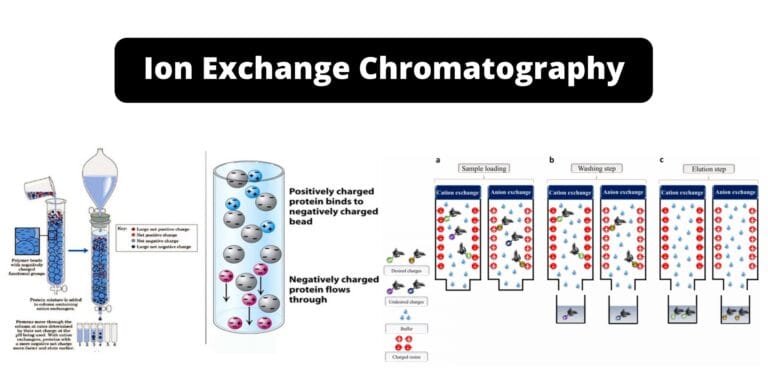
Ion Exchange Chromatography (IEC) is a chromatographic separation technique used to separate and purify molecules based on their net surface charge. It works mainly for charged biomolecules like proteins, peptides, amino acids and nucleic acids. In this method, separation depends on electrostatic attraction between the sample and the charged stationary phase. Ion exchange chromatography is
Ever wondered about the little scientific marvels you hold in your hand during chemistry or biology labs? We’re shining a spotlight on one such unsung hero of the scientific world – disposable glass pasteur pipettes. These handy tools, so often taken for granted, have a fascinating history and a crucial role in your experimental success. Let’s dive in and
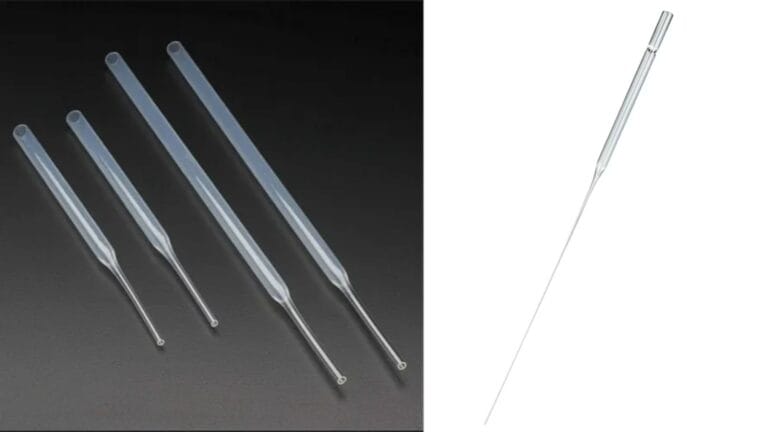
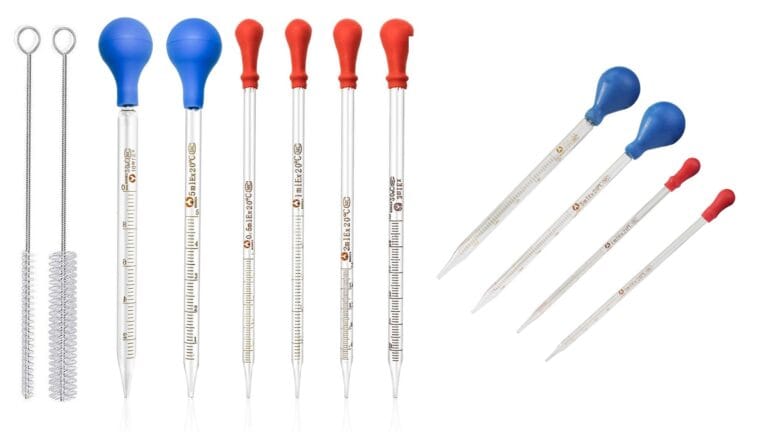
Glass dropper pipette is a small glass device used to transfer liquid in drop by drop form. It is also called as eye dropper or Pasteur pipette. It is mainly used when a small quantity of liquid is to be taken and dispensed in controlled drops. It is generally made of three parts. A rubber
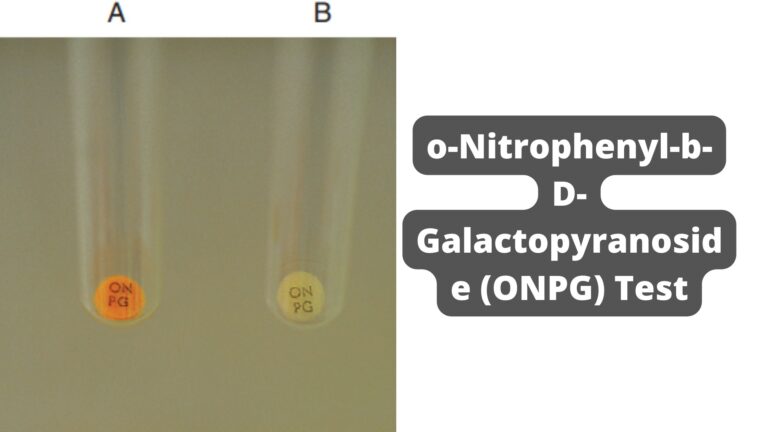
ONPG test is a rapid biochemical test used in microbiology to detect the presence of β-galactosidase enzyme in bacteria. It is used to identify organisms which can produce β-galactosidase but may not ferment lactose in routine lactose tests. Normally lactose fermentation needs two enzymes. One is lactose permease which transports lactose inside the cell. Another