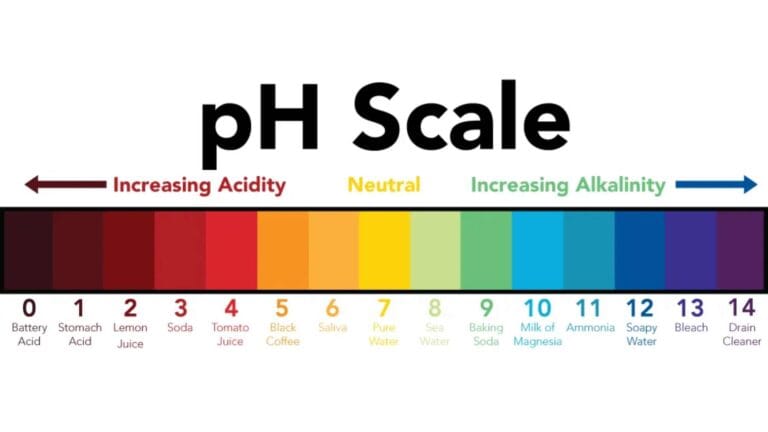
pH meter is an instrument used to measure the acidity or alkalinity of a solution. It gives the value of pH directly. It is mainly used for aqueous solution. It works like a sensitive voltmeter. It measures the voltage difference produced between two electrodes. One is pH glass electrode and another is reference electrode. The
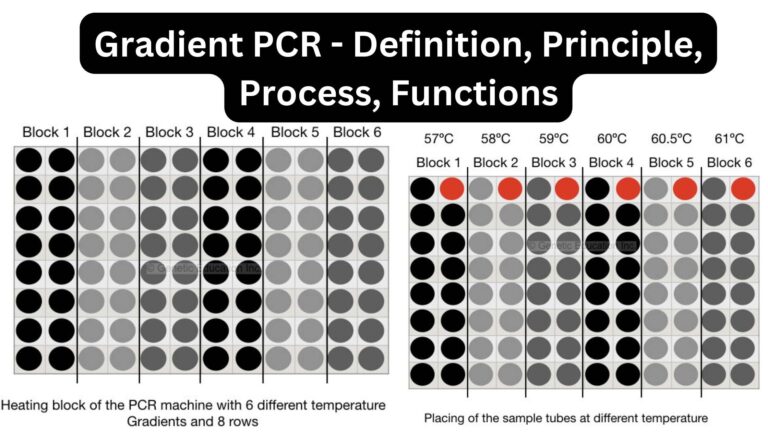
Gradient PCR is a modified type of Polymerase Chain Reaction used to find the best temperature for a PCR reaction. It is mainly used for finding the proper primer annealing temperature. In normal PCR, all the tubes get the same temperature. But in gradient PCR, different temperatures are made in different rows or columns of
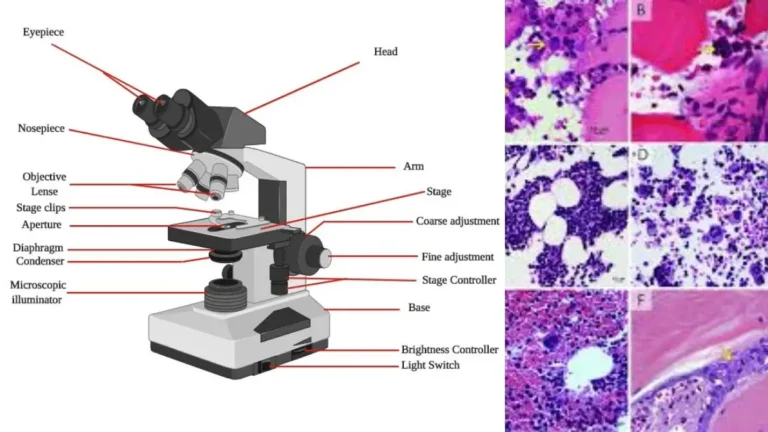
Bright Field Microscope is a simple optical microscope that uses visible white light to observe the specimen. It is also known as compound light microscope. It is the most commonly used microscope in biology, medicine and laboratory works. In this microscope, light is passed from below the specimen. The light travels through the specimen and
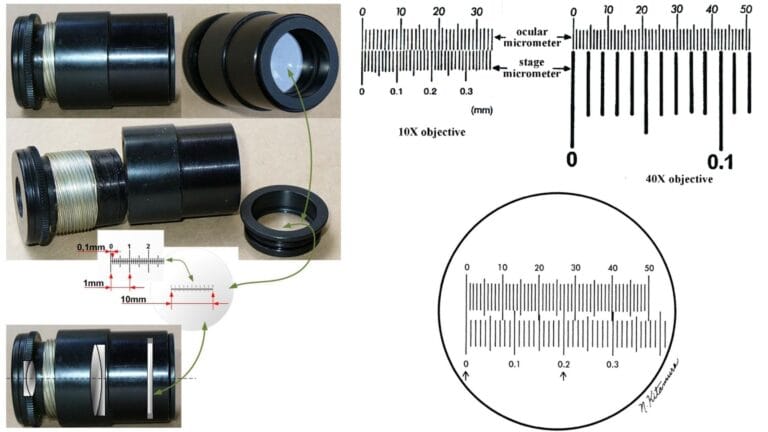
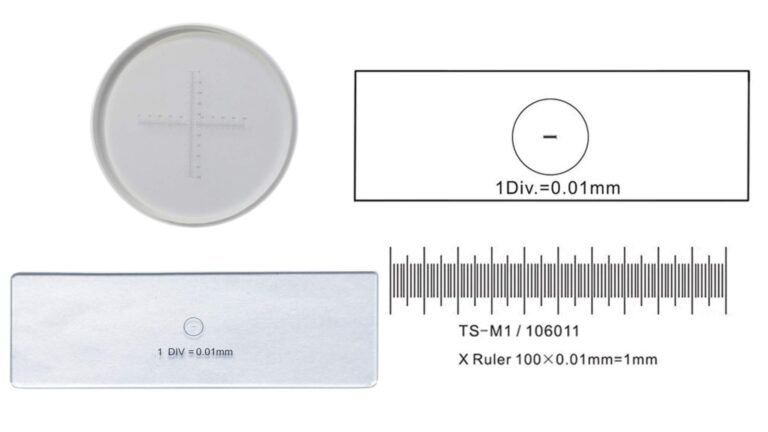
Ocular Micrometer is a precision measuring instrument used in microscope for measuring microscopic objects. It is also known as eyepiece micrometer or reticle. It is used to measure the length, width and diameter of very small objects which are seen under microscope. It is a small circular glass disc which is placed inside the eyepiece
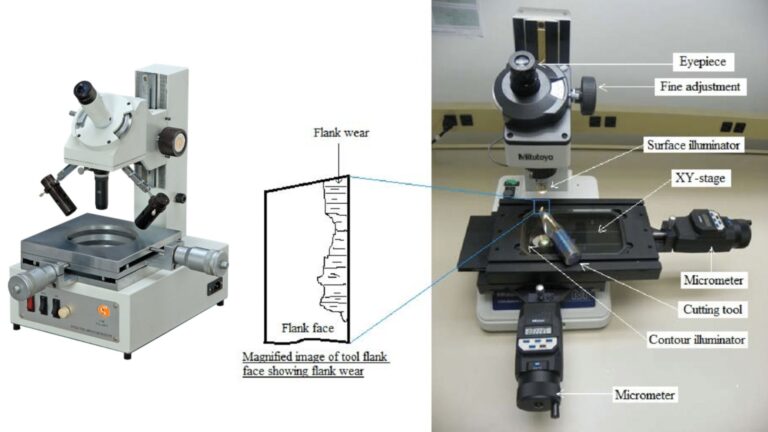
Toolmakers Microscope is a precision optical instrument that is used to measure and inspect the small mechanical components. It is also known as measuring microscope. It is mainly used to observe the shape, size, angle and position of small parts without touching the surface. It consists of an optical head, rigid vertical column, heavy base
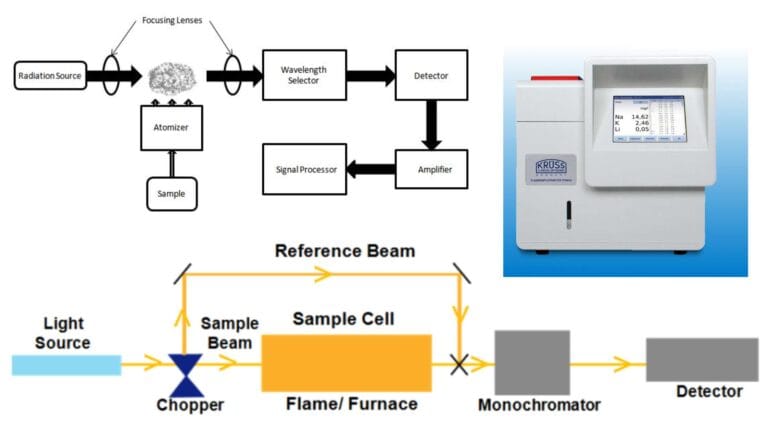
Atomic Absorption Spectrophotometer (AAS) is an analytical instrument used for finding the concentration of metals and metalloids in a sample. It is a sensitive method. It is mostly used when very small amount of element is present in the sample. The instrument works on the absorption of light by free atoms. The atoms must be
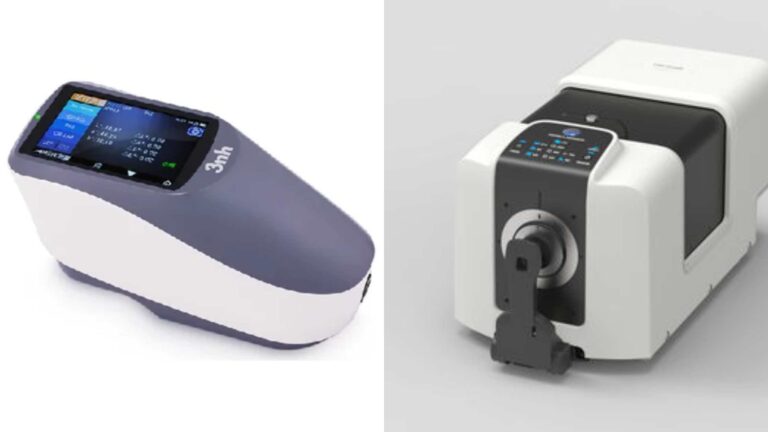
Color Spectrophotometer is a precise analytical instrument that is used to measure and define the colour of a material. It measures colour by studying the interaction of light with the sample. It gives the colour in numerical form and reduces the error of human eye observation. It works by passing or reflecting a beam of
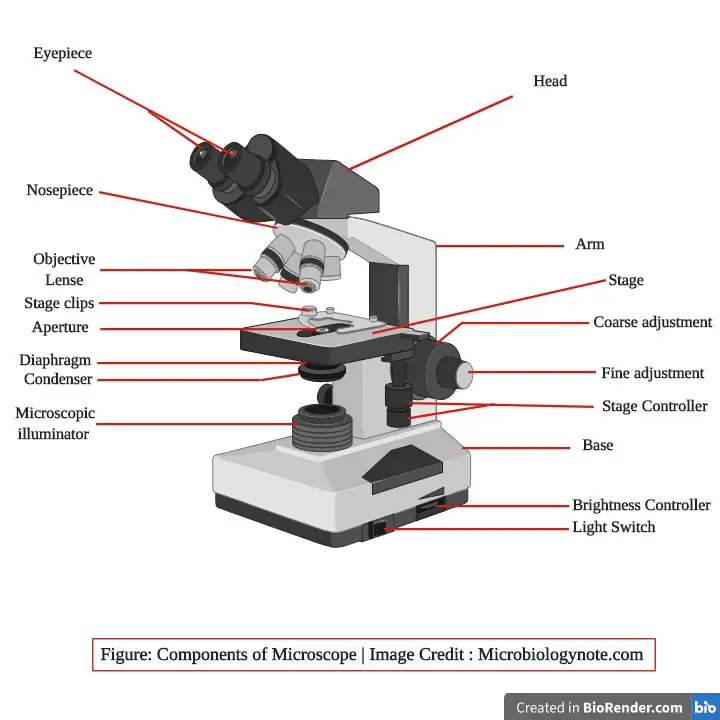
Microscope is a scientific instrument which is used to see very small objects that cannot be seen by naked eye. It produces enlarged image of minute objects and their fine details. It is used for observing cells, bacteria, tissues and other microscopic structures. The word microscope is formed from two words. Micro means small and
Stage micrometer is a special microscope slide which is used for measuring very small objects under the microscope. It is generally like a normal glass slide in size, about 1 by 3 inches, but it has a fine scale marked on its surface. This scale has known true length. It is used as a standard
Stage micrometer is a special type of microscopic glass slide which is used for calibration and measurement of microscopic objects. It acts like a small ruler on the microscope stage. It has a fine scale marked or engraved on its surface. The scale of stage micrometer has a known measurement. Generally, the total scale is