Flagella Staining – Principle, Reagents, Procedure and Results

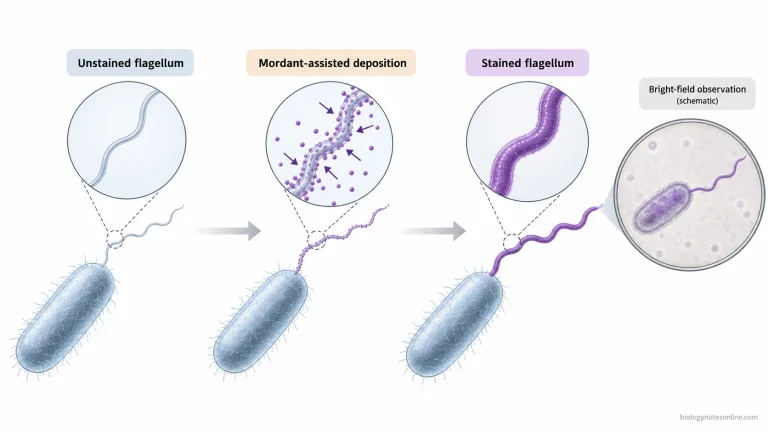
Flagella staining in microbiology – principle, reagents, Ryu and Leifson methods, step-by-step procedures, result interpretation, and limitations.

Flagella staining in microbiology – principle, reagents, Ryu and Leifson methods, step-by-step procedures, result interpretation, and limitations.

A blood smear is a simple diagnostic preparation where a drop of peripheral blood is spread on a clean slide, and it is dried for staining. It is the process used for observing blood cells and also for detecting parasites after staining methods like Giemsa. It is an important technique because it helps in demonstrating

Hanging drop technique allows for the analysis of living microorganisms. This involves fixing the Microbial suspension into a drop of liquid over the slide of glass.
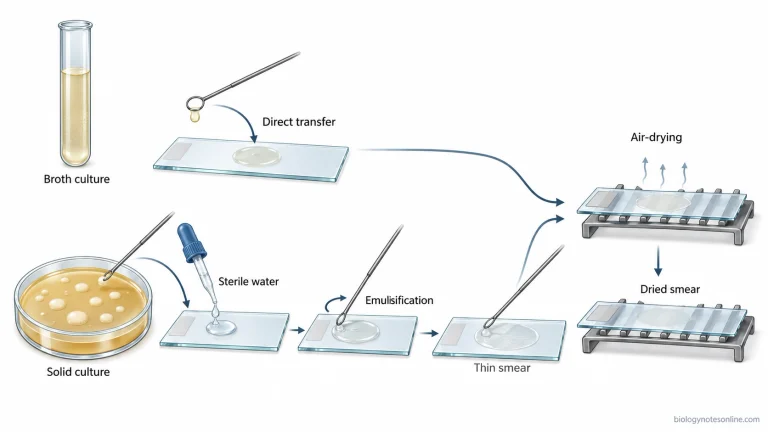
Bacterial smear preparation explained with its principle, materials, procedure from broth and agar cultures, fixation methods, and precautions.
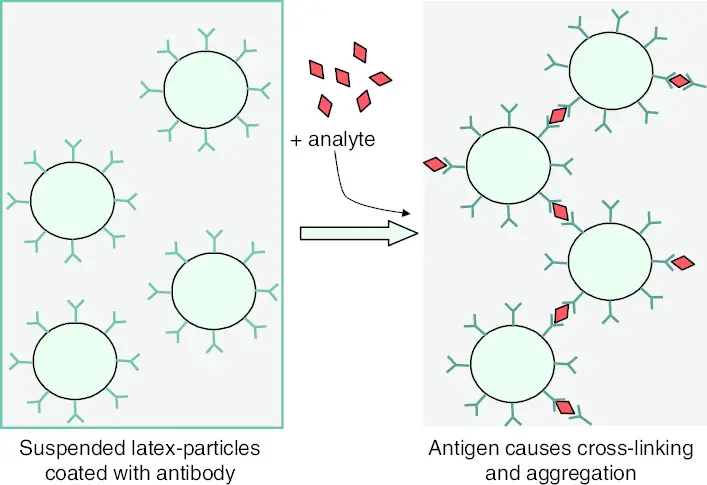
Latex agglutination test is a simple serological test where antigen and antibody reaction is made visible on the surface of latex particles. It is the process in which latex beads are coated either with antigen or with antibody and when a sample containing the corresponding component is added, the beads is clumped together forming visible

In Mounting technique, the specimen to be observed is held on a microscopic slide by using a coverslip.

Preparation of cotton plug in microbiology, including materials, temporary and permanent methods, proper fitting, sterilization, and precautions.
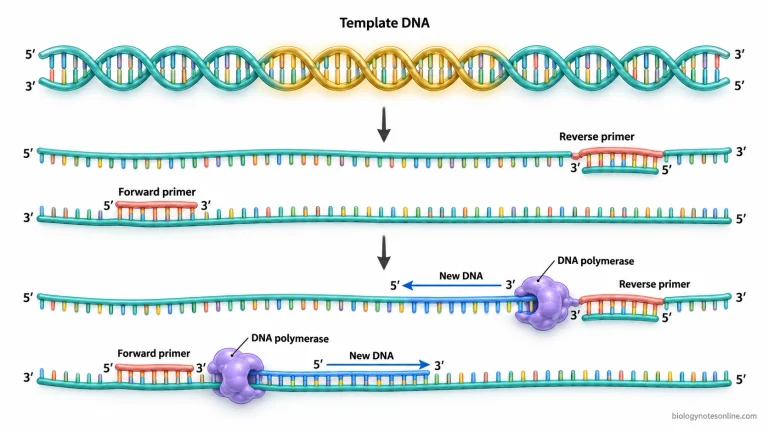
Polymerase Chain Reaction (PCR) explained with its principle, components, three cycling steps, major types, applications, advantages and limitations.
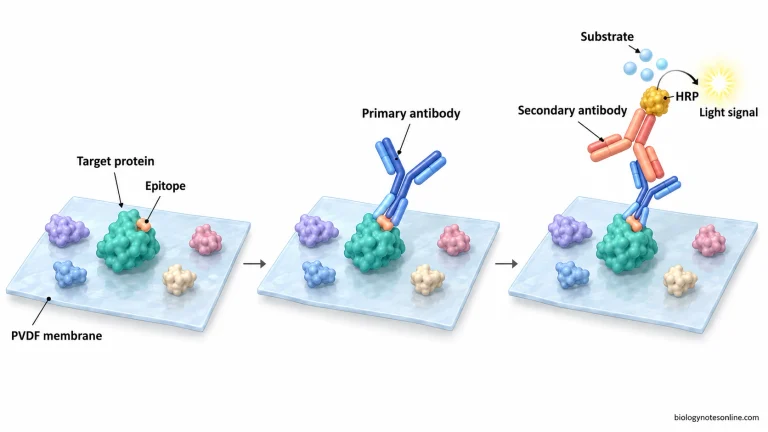
Western blotting explained: principle, materials, step-by-step procedure, protein band interpretation, controls, applications, and common limitations.
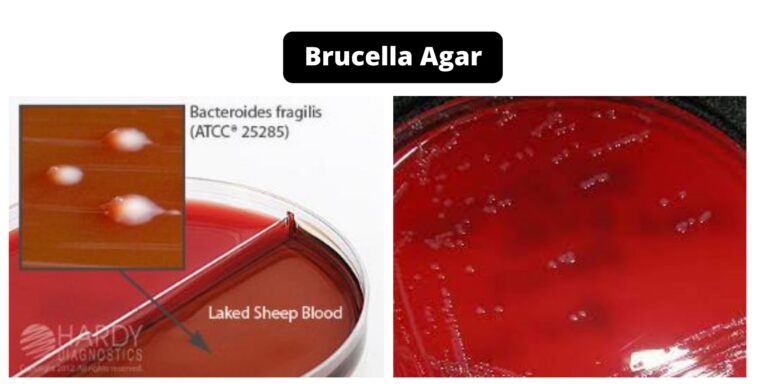
Brucella is an intracellular parasite which causes epizootic abortions for animals, and septicemic febrile disease or localized infections of tissues, bones or organ systems of humans. Brucella species are very meticulous and require a rich nutrient environment to develop. Additionally, Brucella species are highly infectious, and therefore extreme caution should be exercised when handling.