Cell Growth: Definition, Process, Regulation and Factors


Cell growth is the increase in cellular mass and size through biosynthesis. Learn its process, regulation, growth factors, cell-cycle role, size control and limits.

Cell growth is the increase in cellular mass and size through biosynthesis. Learn its process, regulation, growth factors, cell-cycle role, size control and limits.
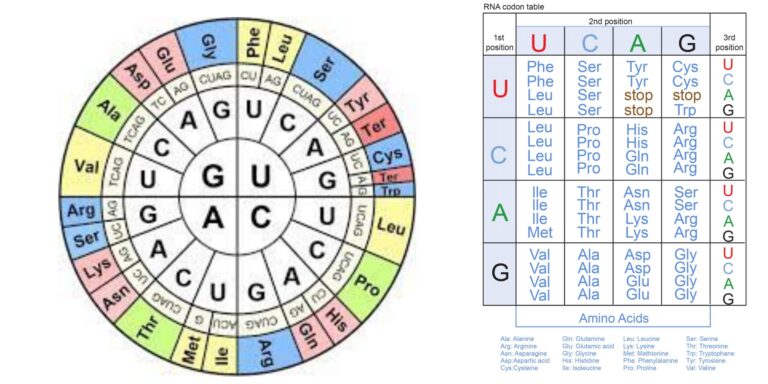
Genetic code is the set of rules by which the nucleotide sequence present in messenger RNA (mRNA) determines the amino acid sequence during protein synthesis. It is read in groups of three nucleotides, known as codons. Each codon specifies an amino acid or gives a signal for termination of translation. There are 64 codons in

Learn what the nucleolus is, its structure, components and functions, and how it produces ribosomal subunits through rRNA synthesis and ribosome biogenesis.
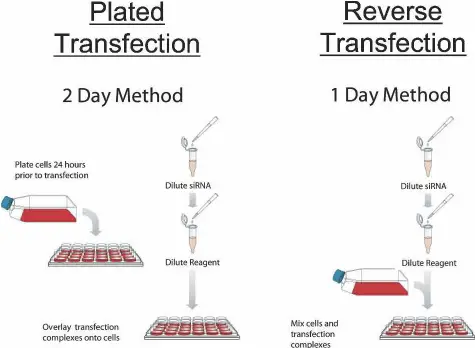
Learn what reverse transfection is, its principle, steps and protocol, and how it differs from forward transfection. Includes siRNA, DNA, applications, advantages and limitations.

Apoptosis is a regulated cell death process by which unwanted, aged or damaged cells are removed from the body. It is commonly referred to as programmed cell death. This process is important during normal development and maintenance of tissues. During this process, several changes occur in the cell. The cell shrinks. Chromatin becomes condensed and
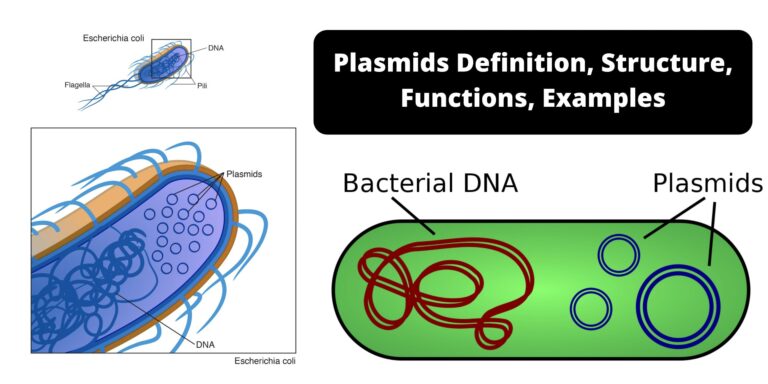
Learn what plasmids are, how they are structured and replicated, their major types and functions, and how plasmids are used in genetics and biotechnology.

Learn the major plasma membrane models, from Overton and Gorter-Grendel to the Davson-Danielli, Robertson and Singer-Nicolson fluid mosaic models, with diagrams and comparison.
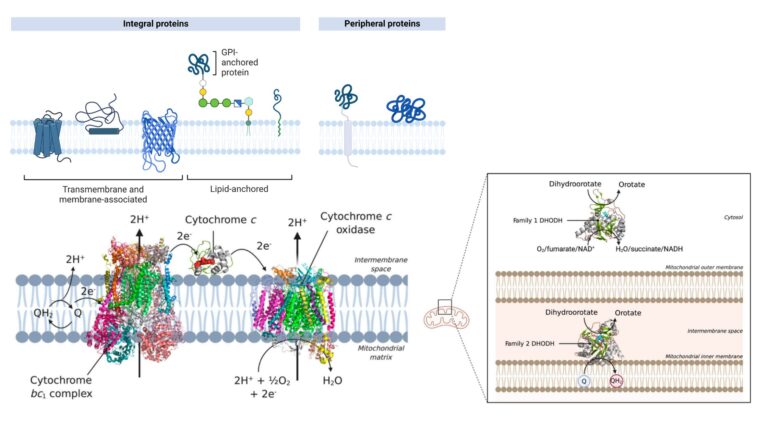
Learn what peripheral proteins are, how they attach to cell membranes, their major functions and examples, and how they differ from integral proteins.

Learn what a channel protein is, how its selective pore enables membrane transport, major channel types, their functions, and how channels differ from carriers.

Learn how the cytoskeleton is built from actin filaments, intermediate filaments, and microtubules and how it controls cell shape, transport, movement, and division.