Sourav Pan is the founder and sole author of Biology Notes Online. He holds a Bachelor of Science (B.Sc.) degree and an M.Sc. in Microbiology from the University of Calcutta. He creates educational resources covering microbiology, immunology, biotechnology, genetics, cell biology, botany, zoology, and other life-science subjects.
His goal is to make complex biological concepts easier to understand through well-structured, student-friendly articles based on academic textbooks, peer-reviewed research, and authoritative scientific sources. In addition to writing new content, he regularly reviews and updates articles to improve their accuracy, clarity, and educational value.
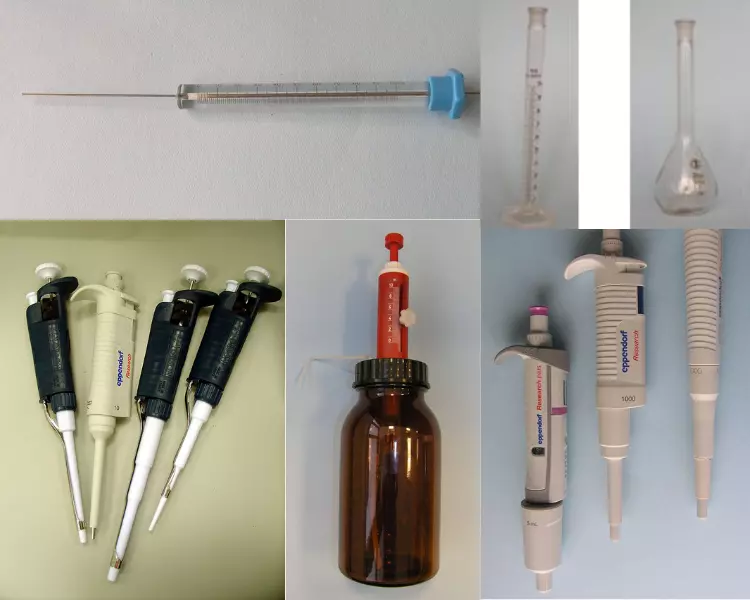
For the creation of solutions and manipulation of liquids, numerous vessels and apparatuses are employed in the laboratory. They differ in their intended application and precision. Volumes must always be measured at a constant temperature because changes in temperature result in volume changes owing to thermal expansion. At 10 °C, water has a substantially smaller … Read more
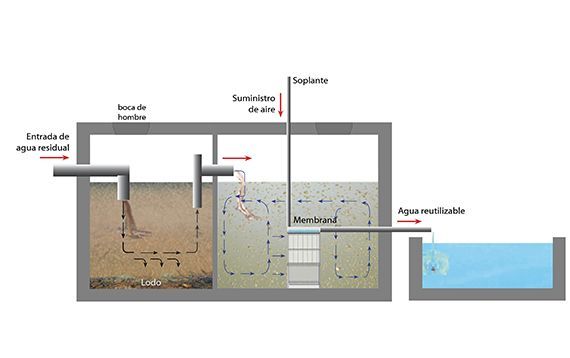
Membrane Bioreactor (MBR) is a wastewater treatment system. In this system, biological treatment and membrane filtration are present together. Microorganisms remain suspended in the aeration tank or bioreactor. These microorganisms break down the organic pollutants of wastewater. In MBR, clarifier is not used for separation of treated water and sludge. The separation is done by … Read more
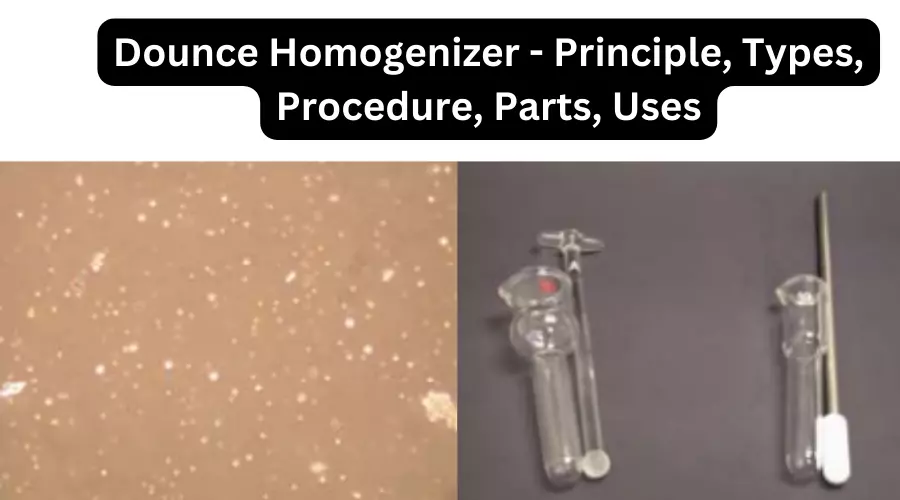
Dounce Homogenizer is a specialized laboratory instrument used for gentle mechanical disruption of eukaryotic cells and soft tissues. It is also known as a tissue grinder. It was invented by Alexander Dounce in 1954. It consists of a cylindrical glass mortar or tube made up of borosilicate glass and two glass pestles. The two pestles … Read more
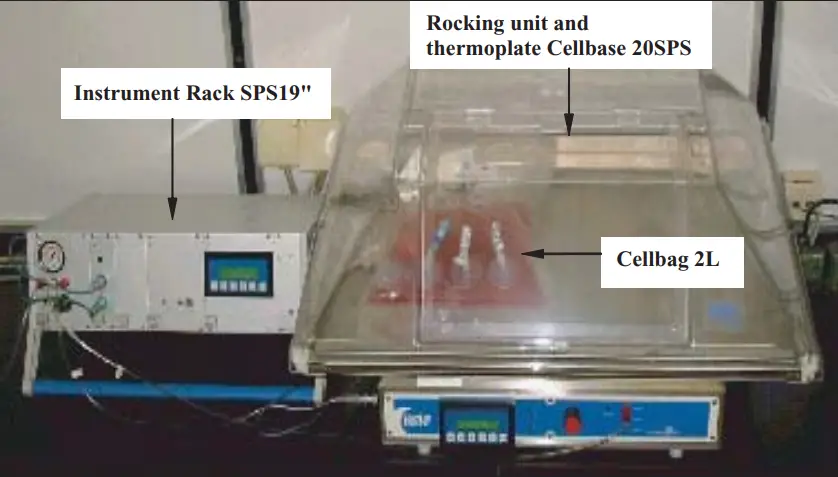
Wave Bioreactor is a single-use cultivation system that is used for growing cells in a sterile flexible plastic bag. It is also known as rocking bioreactor. In this bioreactor, the culture medium and cells are placed inside a partially filled disposable bag which is kept on a heated motorized platform. The platform moves back and … Read more
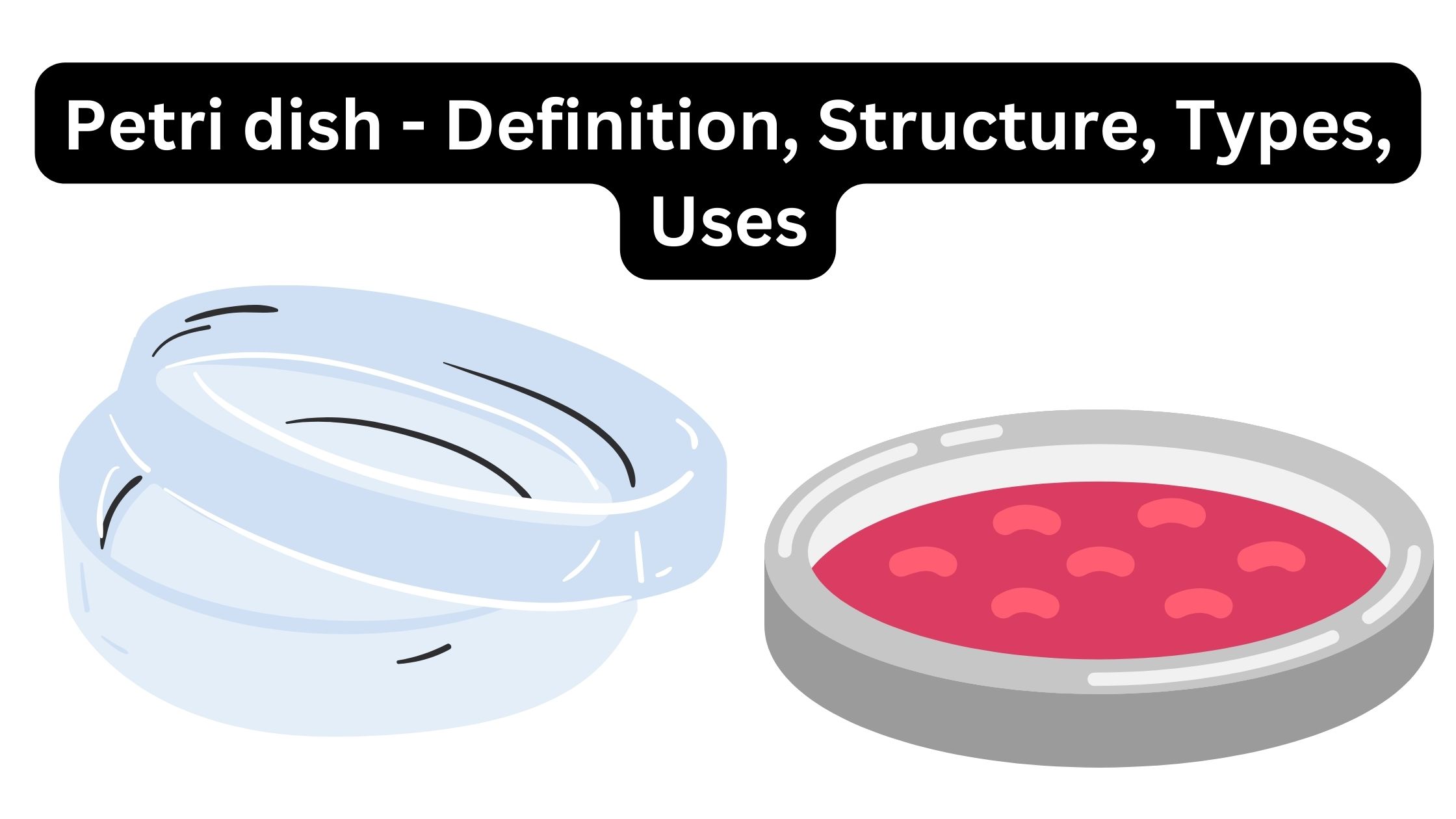
Petri dish is a shallow, flat-bottomed, circular laboratory container with a loose fitting lid. It is used to cultivate, isolate and study microorganisms like bacteria, fungi and cells under controlled sterile conditions. It is designed to hold nutrient rich growth media, such as agar. Agar gives a supportive base for microbial and cellular growth. It … Read more
Conical flask or Erlenmeyer flask is a laboratory flask with flat bottom, conical body and narrow neck. It is used for mixing, heating, cooling and storing of liquid chemicals. It was made by German chemist Emil Erlenmeyer in 1860. The wide body and narrow neck helps in swirling of liquid without spilling. The narrow neck … Read more
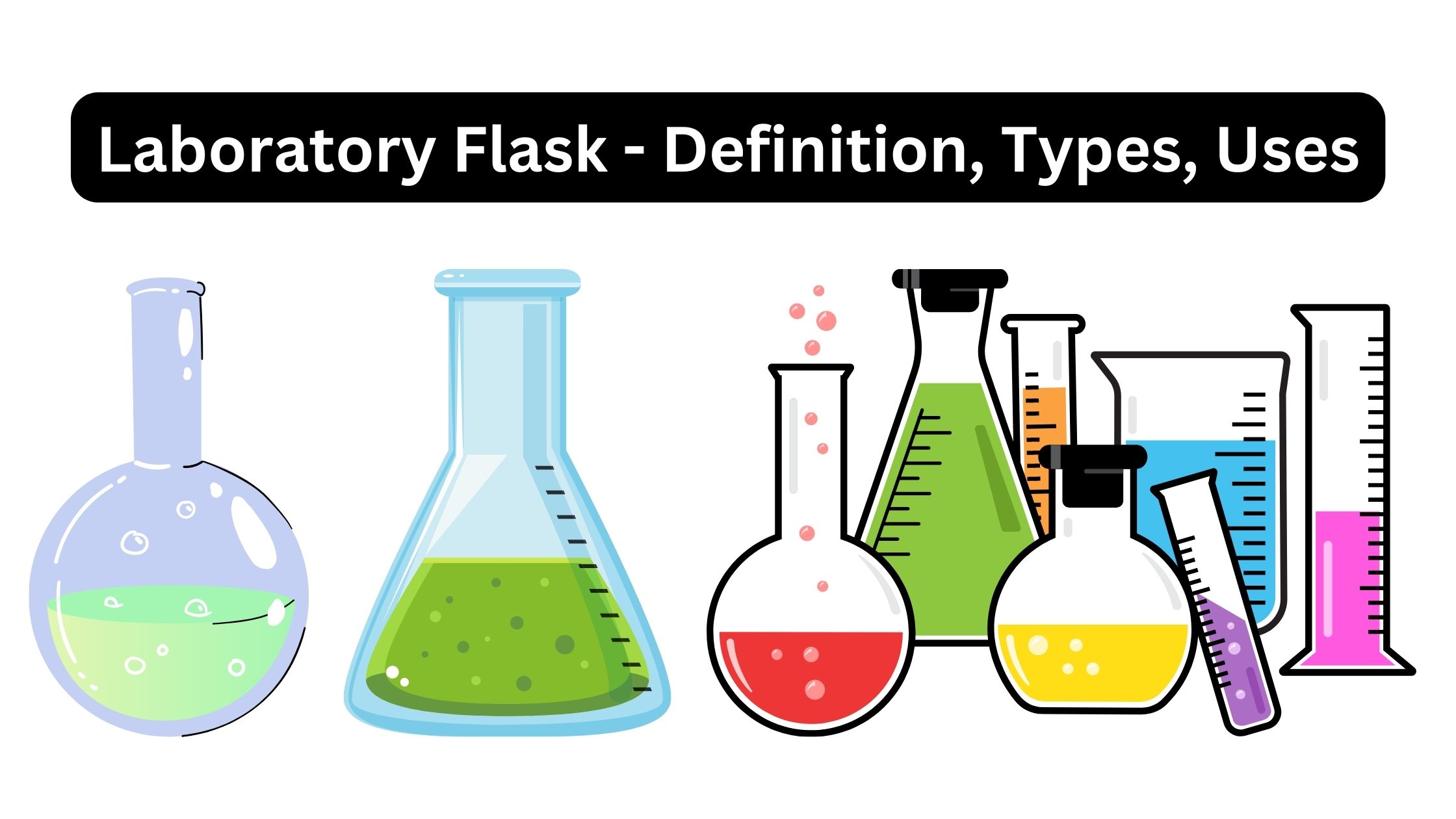
Laboratory flask is a specialized vessel or container commonly used as glassware in scientific laboratory. It is generally made up of temperature and chemical resistant borosilicate glass. Sometimes it is also made from different plastics depending on the experimental need. Laboratory flasks are found in different shapes and sizes. Their volume is usually measured in … Read more
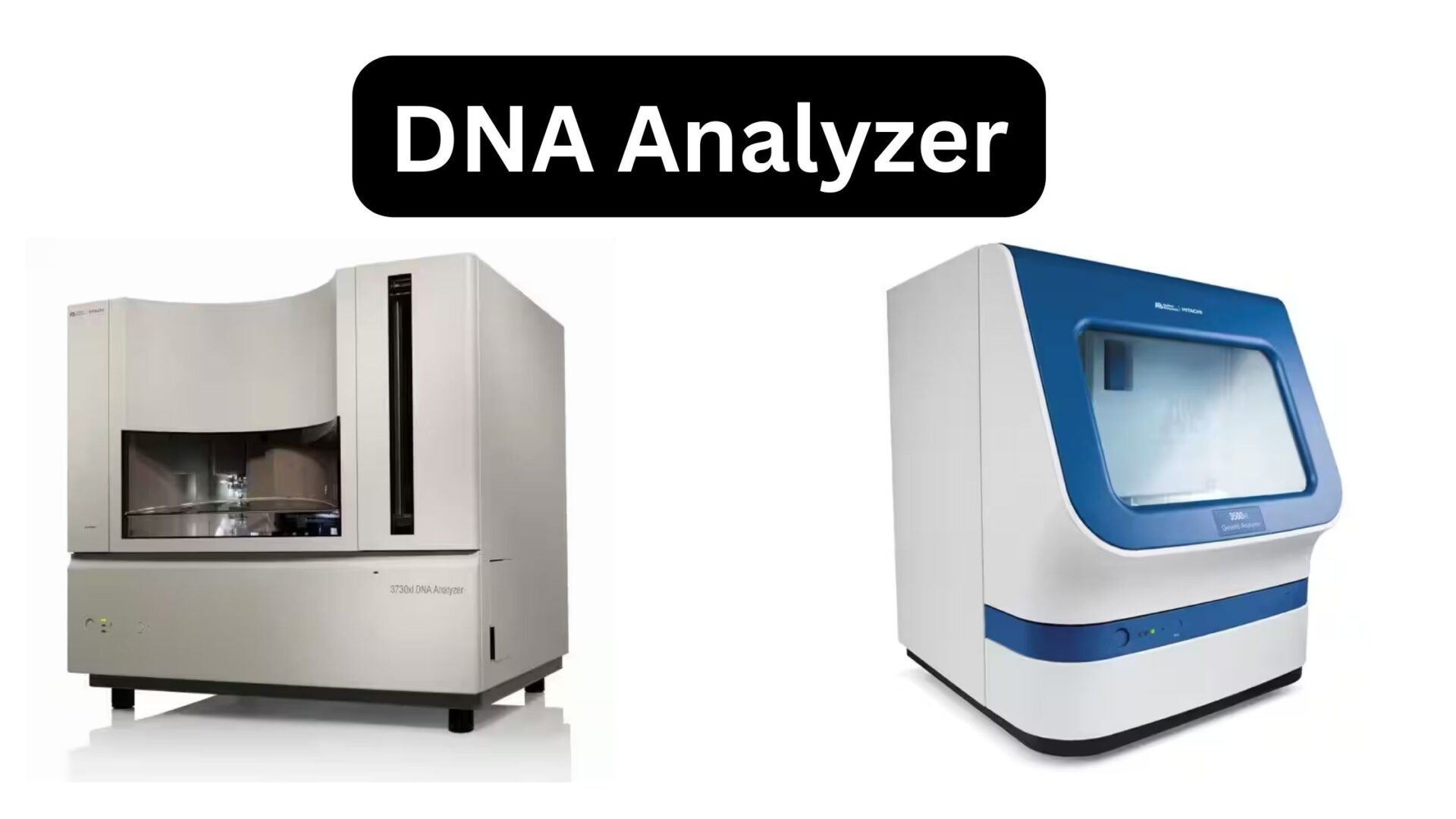
DNA Analyzer is a precision scientific instrument that is used to automate the process of genetic analysis. It is also commonly referred to as DNA sequencer. It determines the exact order of four nucleotide bases such as adenine (A), guanine (G), cytosine (C), and thymine (T) present in a DNA sample. Modern DNA analyzer combines … Read more
What is ELISA? ELISA (Enzyme-Linked Immunosorbent Assay) is a laboratory technique used to detect and quantify antigen or antibody in a given sample. It is an immunological test in which specific antigen-antibody reaction is used for detection. It is commonly used for detecting toxins, viruses, hormones, proteins and other foreign substances in blood, cell lysate, … Read more