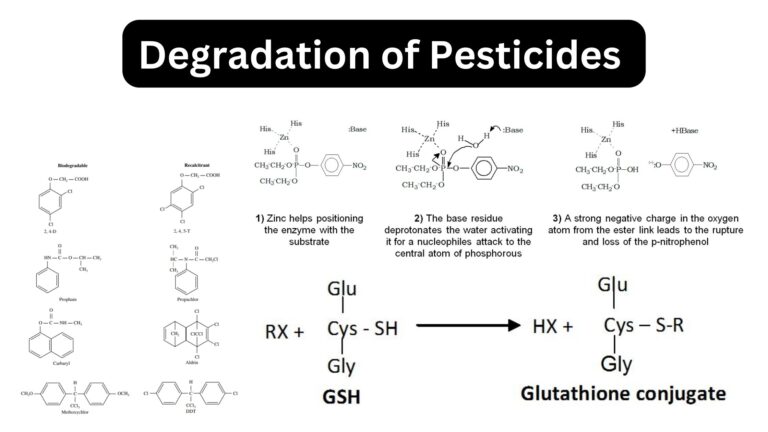
What are Pesticides? any substance or mixture of substances intended for preventing, destroying, or controlling any pest, including vectors of human or animal disease, unwanted species of plants or animals, causing harm during or otherwise interfering with the production, processing, storage, transport, or marketing of food, agricultural commodities, wood and wood products or animal feedstuffs;
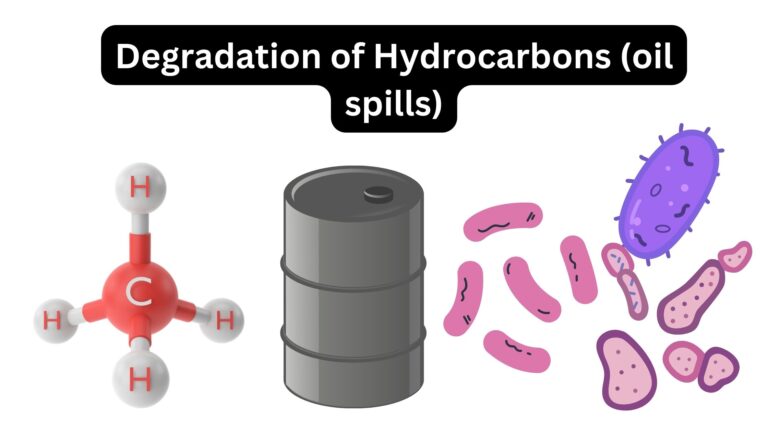
Types of Hydrocarbon Crude petroleum HCs can be categorised as alkanes, cycloalkanes, aromatics, polycyclic aromatics, asphaltines, and resins. Alkanes Cycloalkanes Aromatic HCs Polycyclic aromatic HC Asphaltines and resins Effects of Hydrocarbon The ecological and/or economic effects of direct or indirect exposure of live creatures to hydrocarbon molecules can vary. Principles of Bioremediation Oil Spill Cleaning
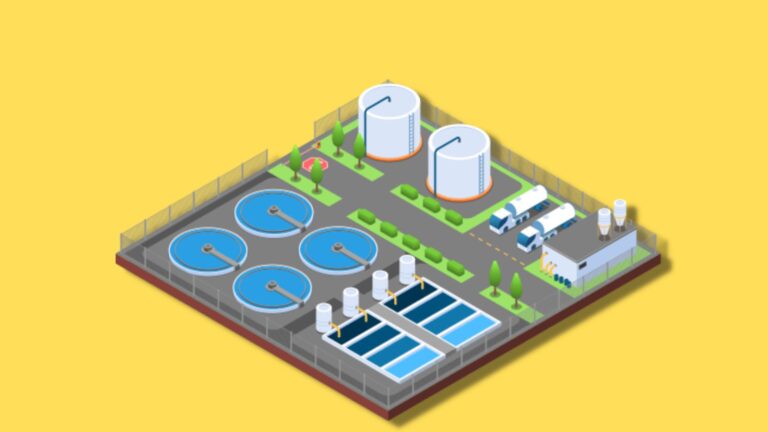
Wastewater treatment or Sewage Treatment Characteristics of Wastewater Chemical Characteristics Biochemical Oxygen Demand (BOD) Microbiological Character Wastewater Treatment Process Diverse wastewater treatment technologies exist. We shall explain the treatment methods as they pertain to two distinct circumstances: (1) a single home or unit structure, and (2) a community or municipality. 1. Single Dwelling Unit Anaerobic
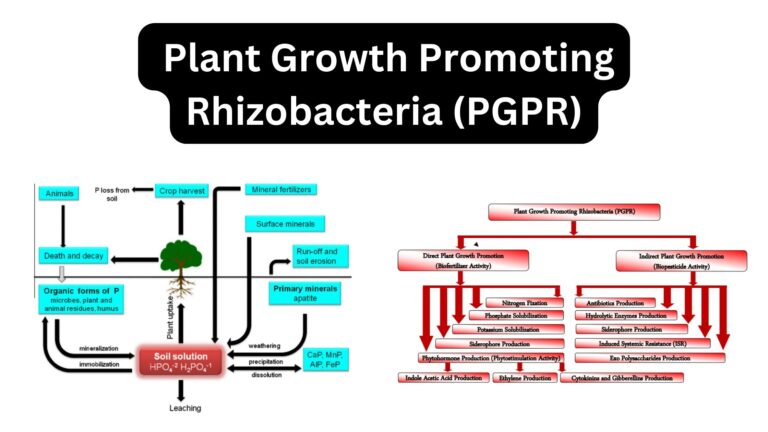
What is Plant Growth Promoting Rhizobacteria (PGPR)? Mechanism of action of Plant Growth Promoting Rhizobacteria (PGPR) The synthesis of different chemicals alters the entire microbial community in the rhizosphere niche to facilitate PGPR-mediated plant growth promotion. In general, PGPR stimulates plant growth either directly by enabling resource acquisition (nitrogen, phosphorus, and critical minerals) or indirectly
Fluid wastes consisting of sewage and residential wastewater, or treated water or other liquids, generated by industrial operations, particularly in the pulp and paper industry, the food processing industry, and the chemical manufacturing industry. What is Liquid Waste Management? Characteristics of Sewage/Liquid Waste In sewage, the death of oxygen-dependent organisms such as aerobic microbes, plants,
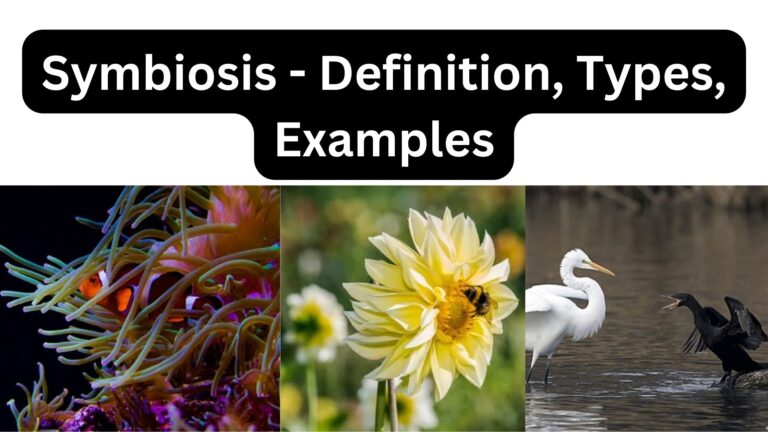
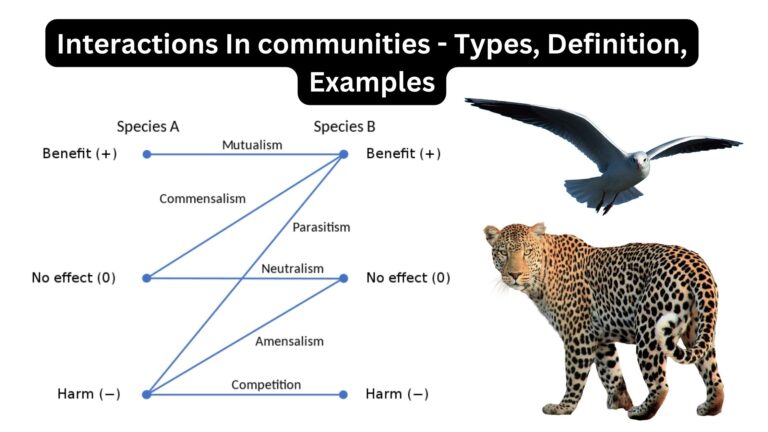
What is Symbiosis? Symbiosis, derived from the Greek words “σύν” (sýn) meaning “together” and “βίωσις” (bíōsis) signifying “living,” refers to a prolonged biological interaction between two distinct species, known as symbionts. This interaction can manifest in various forms, ranging from mutualistic, where both entities benefit, to commensalistic, where one benefits without harming the other, and
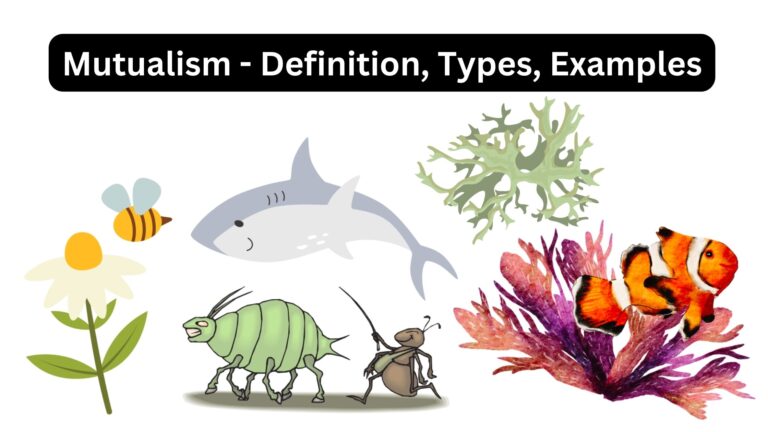
What is Mutualism? Mutualism is simply a partnership between two animals that benefits both. This link may exist either inside the species or between species. The organisms involved in this connection are known as symbionts. All living species, including humans, animals, birds, plants, and microbes such as bacteria, viruses, and fungi, exhibit interdependence. Mutualism resembles
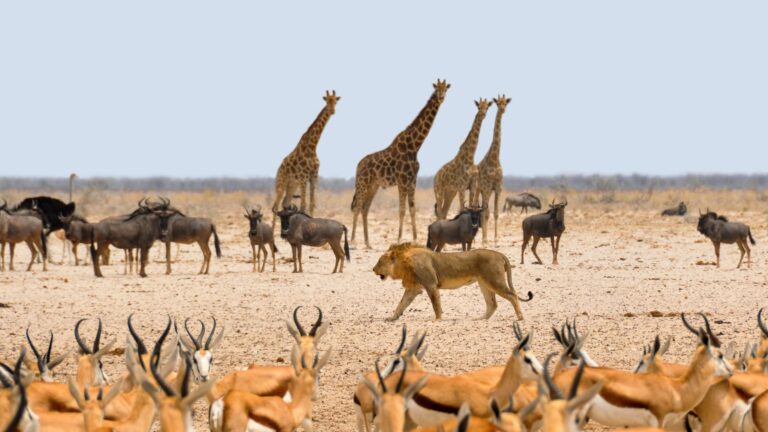
What is Competition Interaction? Competition is defined as an interaction between two or more individuals of the same population or between two or more populations in which each adversely affects the other’s access to limited resource(s) (food, water, nesting sites, shelter, mates, etc.). Mutualism is defined as a population interaction that benefits both parties. Competitive
Short-term interactions 1. Predation Example of Predation 2. Pollination Example of Pollination 3. Seed dispersal Example of Seed dispersal Symbiosis: long-term interactions Mutualism, commensalism, parasitism, neutralism, amensalism, and competition are the six forms of symbiosis. These are distinguished by the extent to which they benefit or hurt each partner. 1. Competition Example of Competition 2.
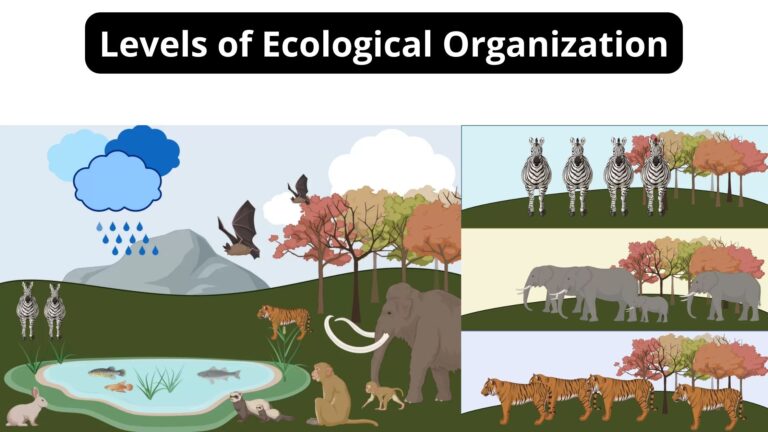
Ecological levels of organization Organism → Population → Community → Ecosystem → Biome → Biosphere Ecological Level 1 – Organisms Ecological Level 2 – Population Ecological Level 3 – Biological Community Types of Community Depending on how big they are and how independent they are, communities can be put into two groups: Major Community Minor