Sourav Pan is the founder and sole author of Biology Notes Online. He holds a Bachelor of Science (B.Sc.) degree and an M.Sc. in Microbiology from the University of Calcutta. He creates educational resources covering microbiology, immunology, biotechnology, genetics, cell biology, botany, zoology, and other life-science subjects.
His goal is to make complex biological concepts easier to understand through well-structured, student-friendly articles based on academic textbooks, peer-reviewed research, and authoritative scientific sources. In addition to writing new content, he regularly reviews and updates articles to improve their accuracy, clarity, and educational value.
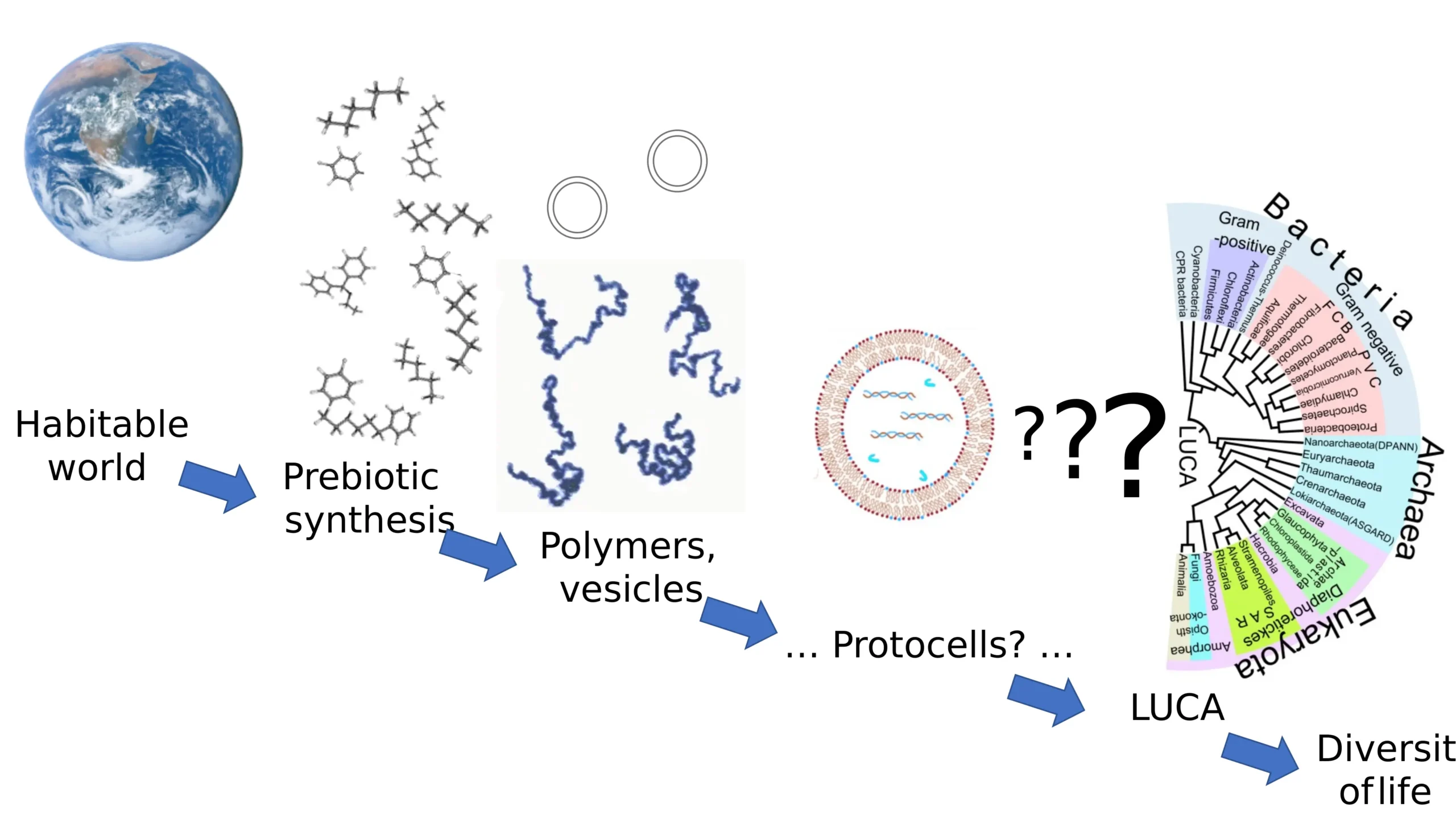
What is Biogeny (Formation of Primitive Life)? 1. Formation of nucleic acids and nucleoproteins The formation of nucleic acids and nucleoproteins considered as one of the key transition in Biogeny where information molecules begin to store and transmit life instructions. It started after Chemogeny produced small organic monomers like nucleobases, sugars, phosphates, etc. Prebiotic synthesis … Read more
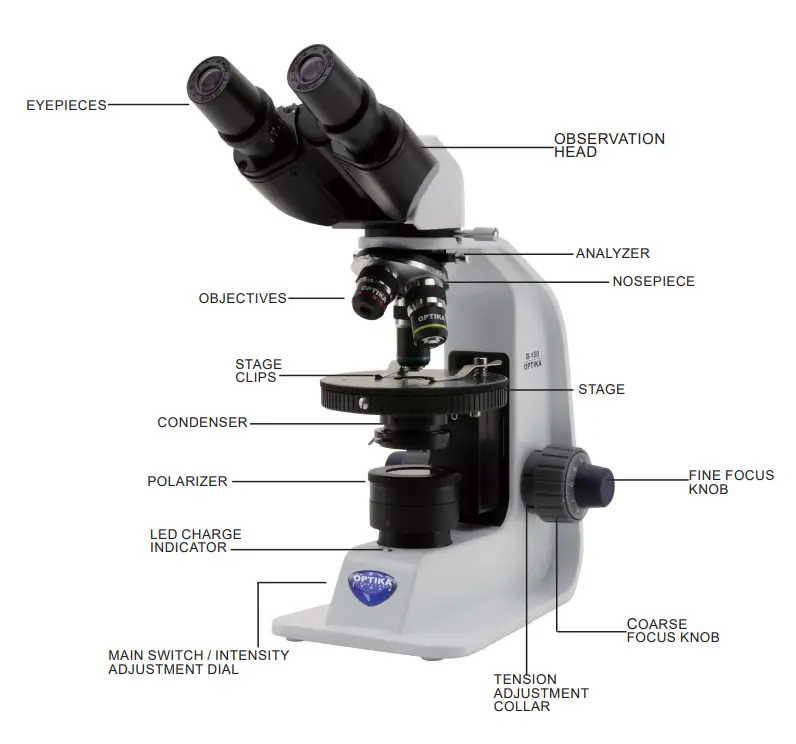
What is Polarizing Microscope? Principles of Polarized Light Microscopes The Light Path and Image Formation of Polarized Light Microscopes Parts of a Polarized Light Microscope 1. Light Source – usually a halogen bulb that gives bright white light; it must be stable so the color don’t change by heating or voltage drift. 2. Condenser – … Read more
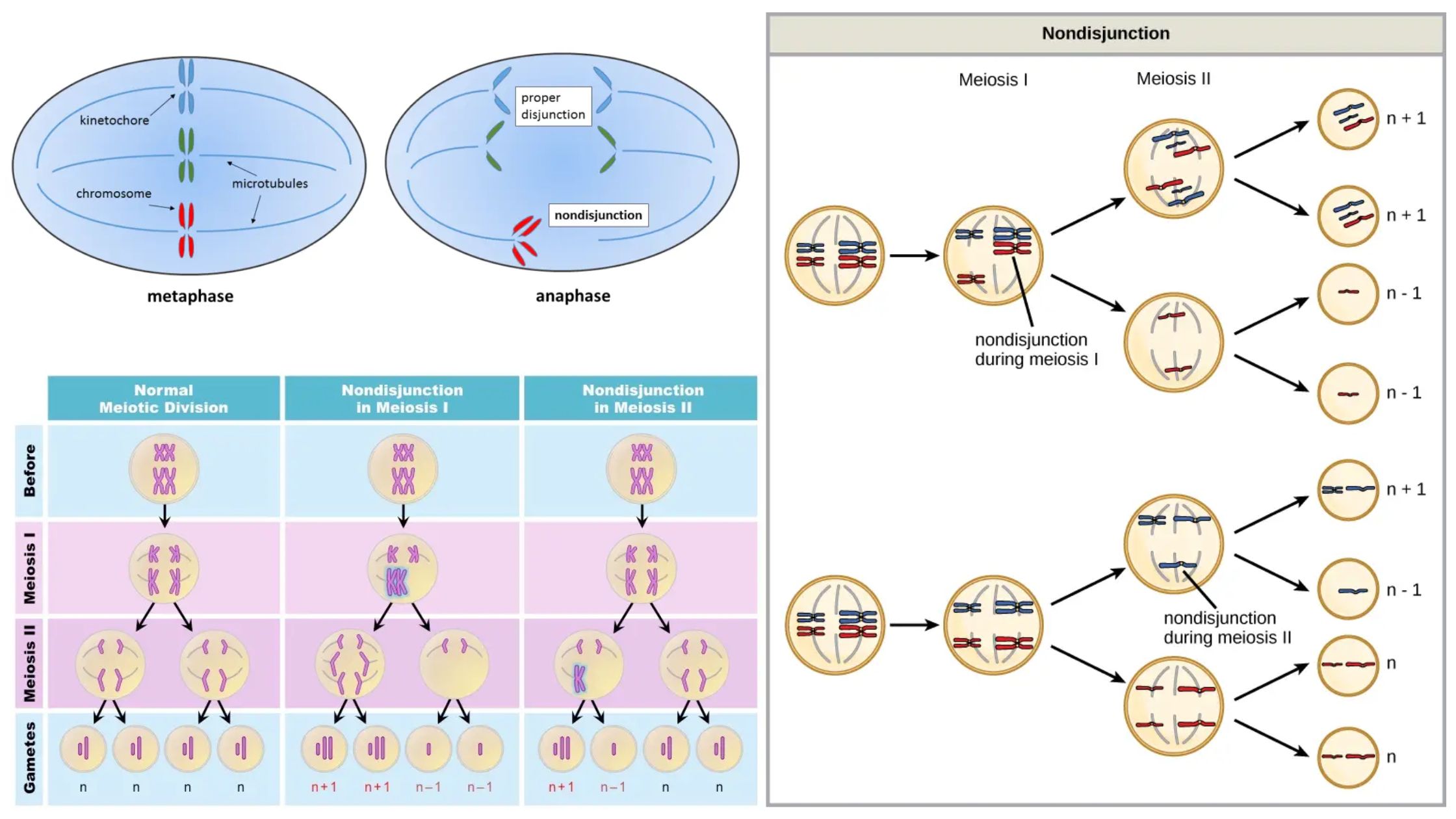
What is Nondisjunction? Types of Nondisjunction Causes of Nondisjunction Molecular Biology of Nondisjunction Consequences of Nondisjunction The nondisjunction is the failure when chromosomes don’t separate properly during cell division (like meiosis/mitosis), causing abnormal number of chromosomes in daughter cells. Such imbalance is termed as aneuploidy, sometimes loss of one (monosomy 2n–1) or gain of one … Read more
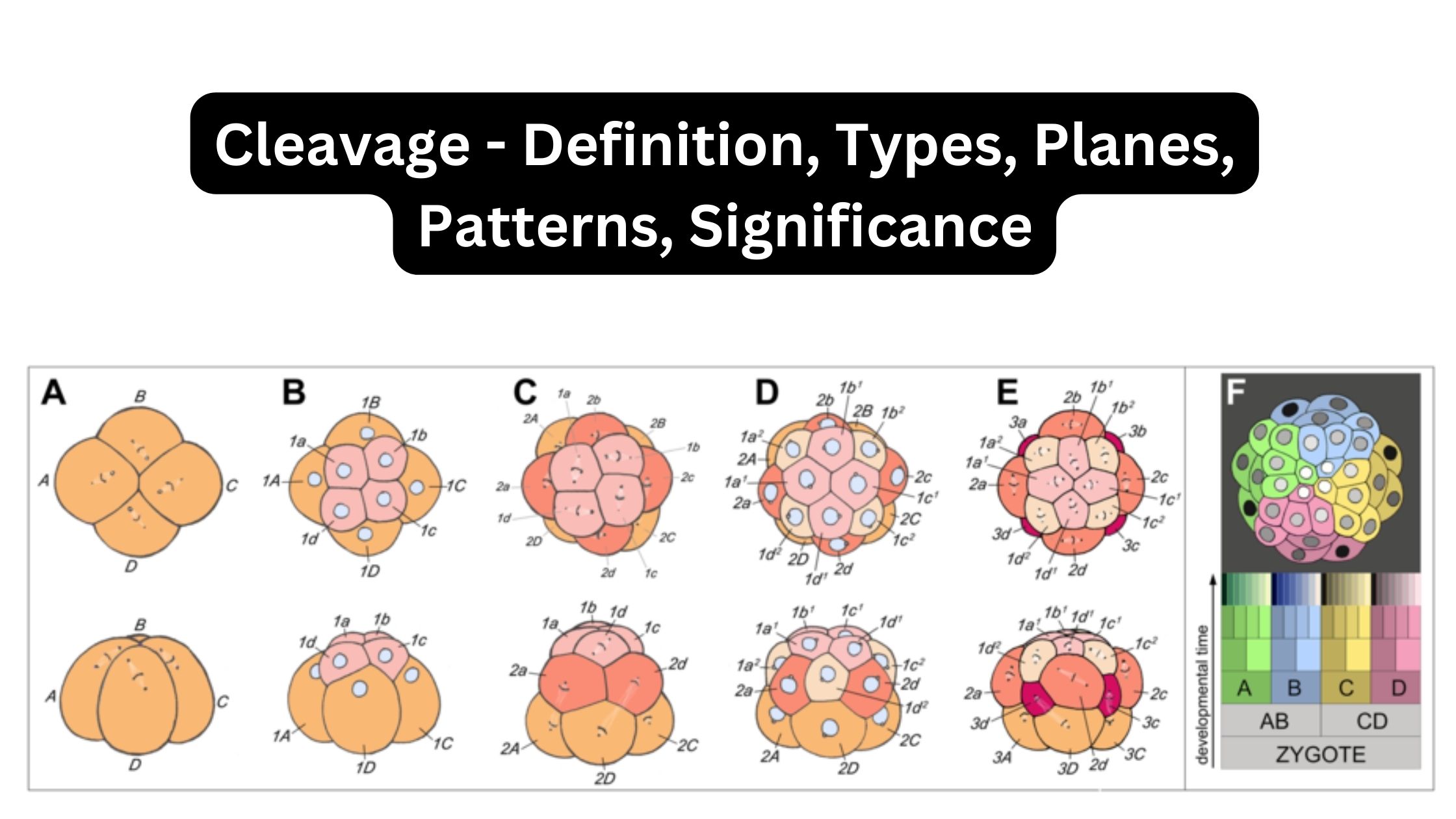
What is cleavage? Characteristics of cleavage Step by step process of Cleavage Types of cleavages The cleavage pattern in embryos mainly determined by yolk quantity and how that yolk is distributed by the cytoplasm.Also, timing and direction of mitotic spindle (inside egg) play important role. Yolk usually slow / restrict the process of complete division. … Read more
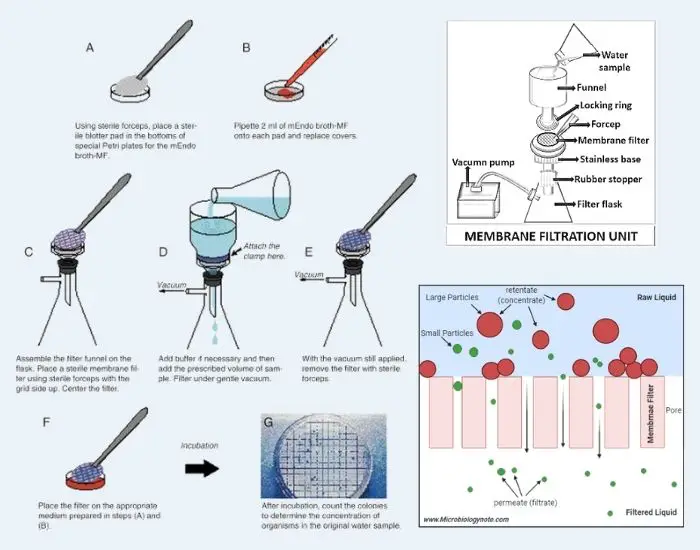
Membrane Filter Technique can define as a physical separation process, which based mainly on size / molecular weight of particles in a liquid or gas stream. In this method a thin semi-permeable membrane (often made from cellulose nitrate/acetate) is used, and pressure is applied to push the feed solution by it. The smaller components pass … Read more
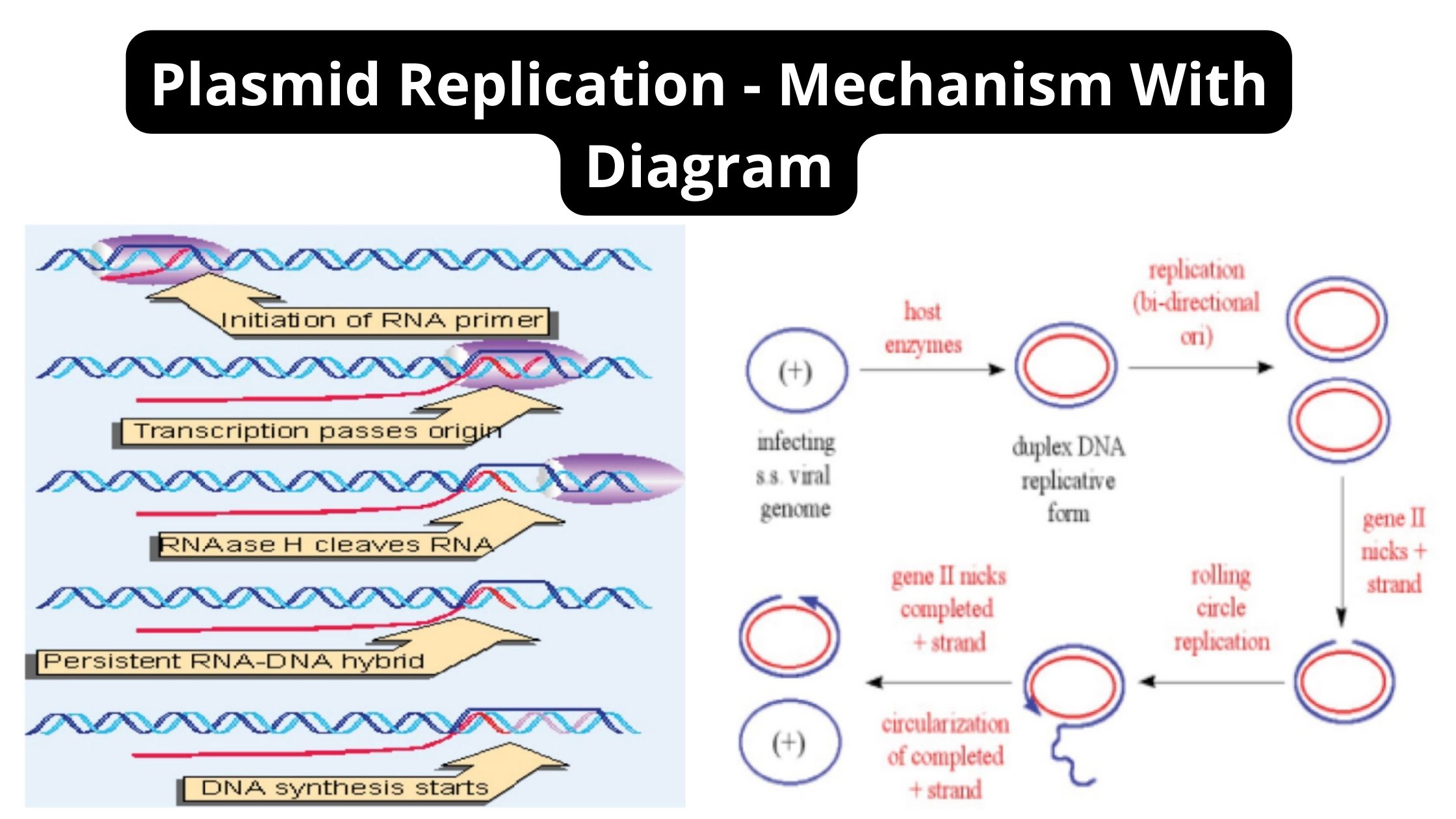
What are plasmids? Copy Number and Physical Nature of Plasmids Properties of Plasmids Plasmid Replication Mechanism 1. Rolling circle Mode of Replication Rolling-Circle Replication (RCR) is described as a method of DNA replication that is used by some viruses, plasmids and circular genetic elements. A single-strand nick is introduced at the origin and the 5′-end … Read more
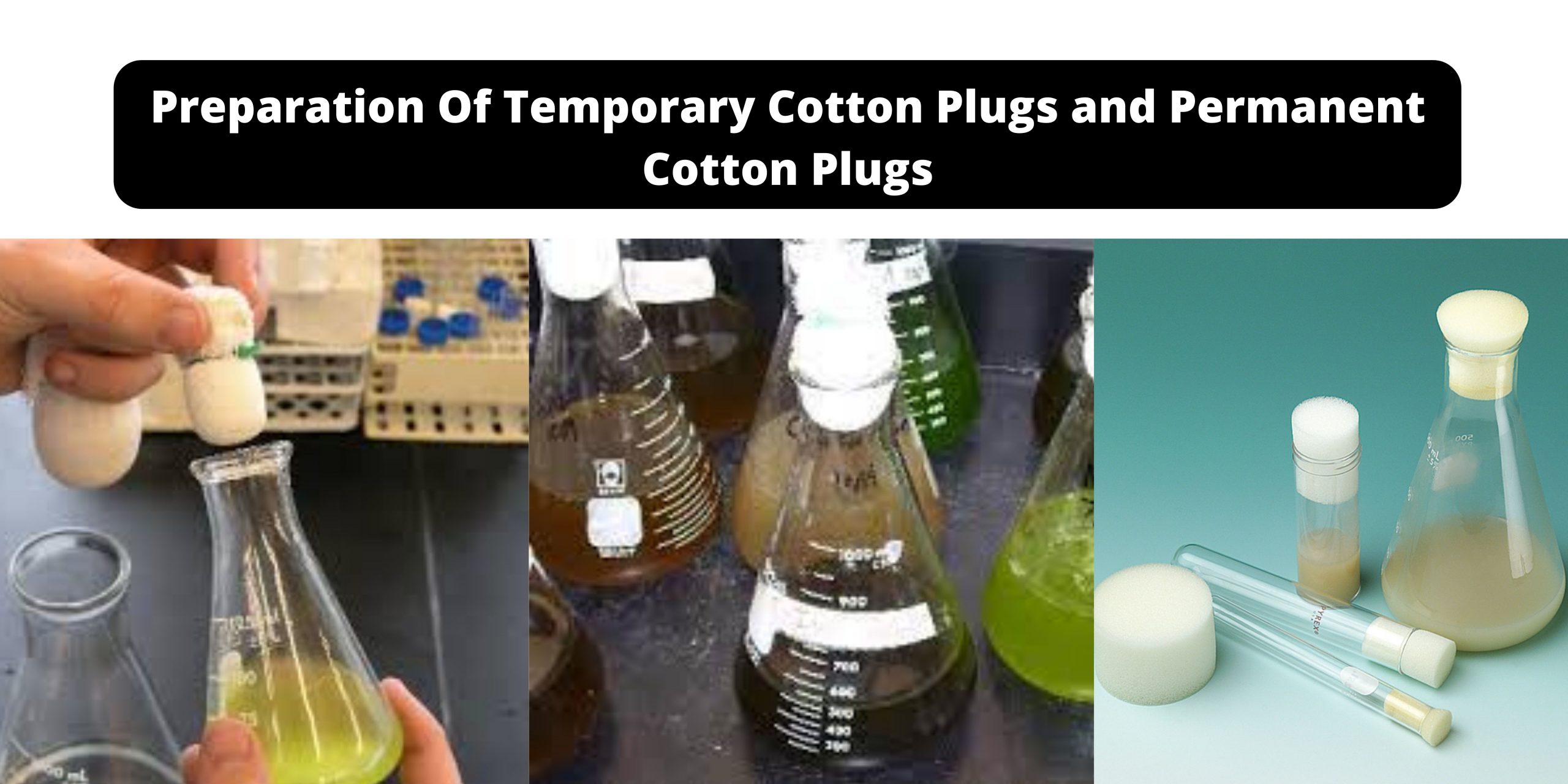
Microorganisms are everywhere in their the distribution. In any given environment, many microorganisms are present at any given time. It is difficult to identify a specific kind of microbe until we understand their ecological needs. For instance, anaerobic microbes do not require oxygen those that are aerobic require oxygen micro-aerophiles to have oxygen however, in a small amount. So, we require cotton plugs to provide an conditions that are aerobic and keep the growing culture uninvolved with unwanted microbes. Cotton plugs are made of cotton along with air pours. Air can flow through air pours, but not the bacteria that cause microbial contamination. They are fixed to the surface of cotton fibres , and prevent them from being able from getting into flasks, tubes, etc. Air aids in for the development of microorganisms within glass equipment.
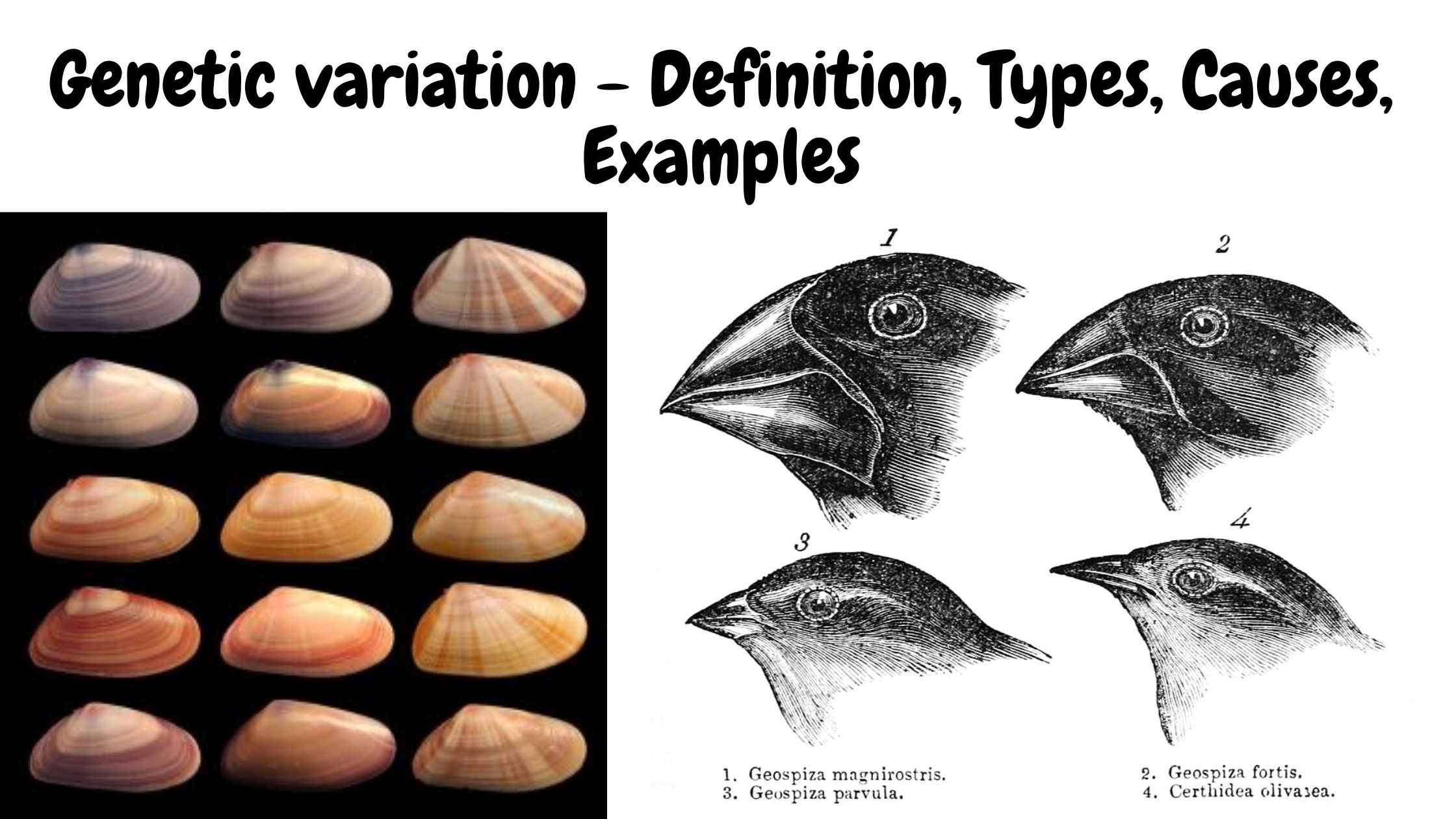
What is genetic variation? Genetic variation is the differences that are found in the DNA sequences among individuals of the same species. It’s what makes every organism a bit different from others even they belong to same population. Inside populations, variation is mostly caused by mutations, recombination / crossing over (during meiosis), and sometimes by … Read more
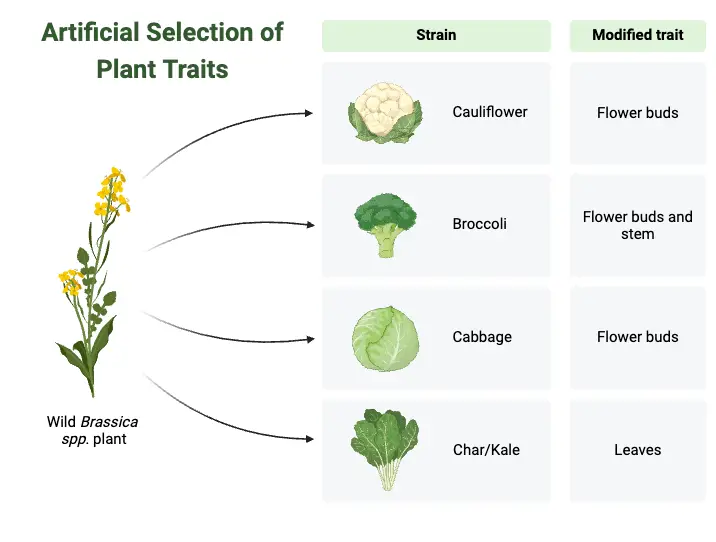
What is Artificial Selection? Artificial selection is a process by which humans are intentionally choosing certain organisms / traits for reproduction, it has been used for centuries actually even before the mechanism of genes was understood properly. In artificial selection, individuals that show desirable features (like color, yield, behavior etc.) are allowed to breed, while … Read more
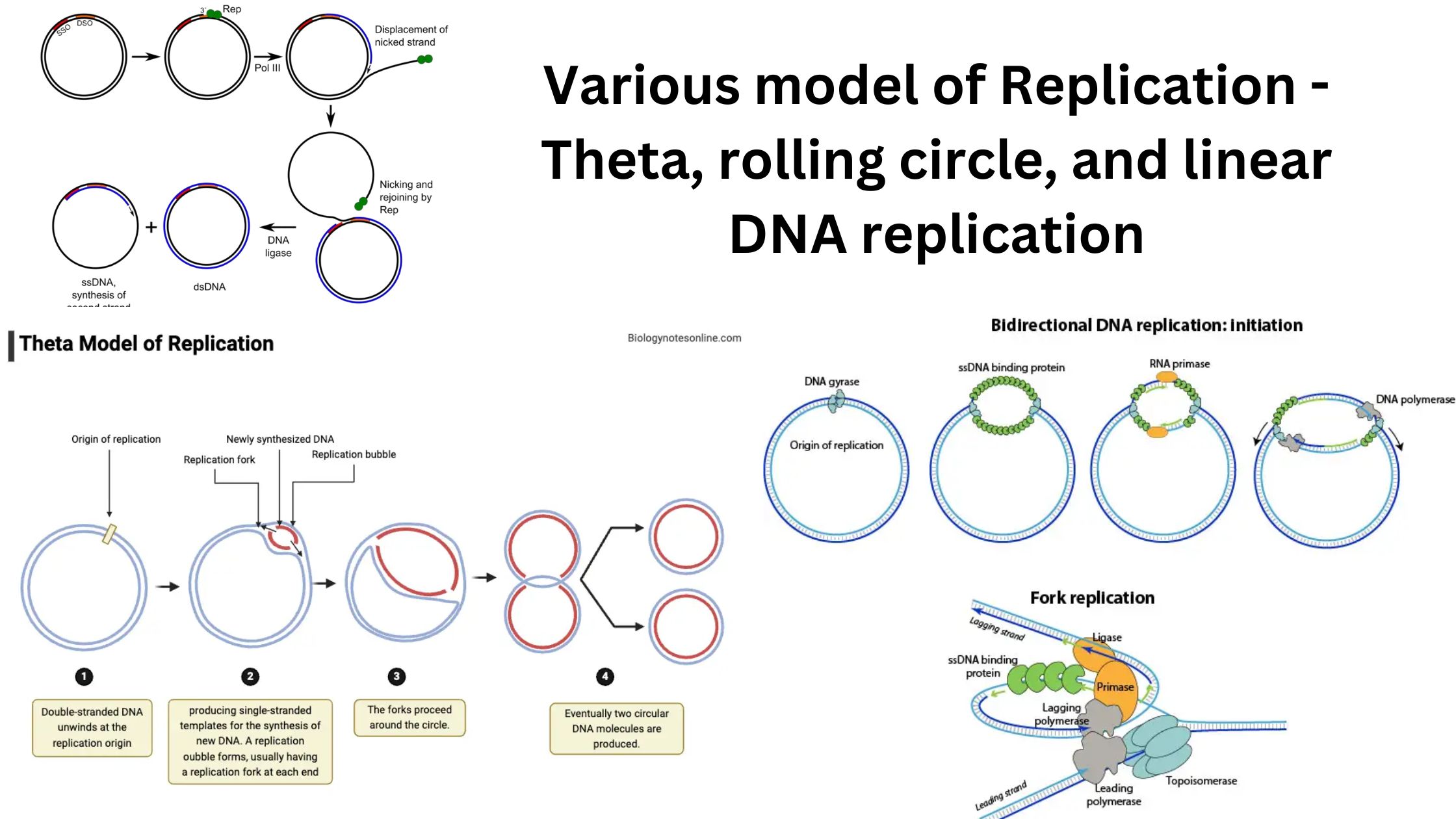
DNA replication is the process by which genetic material is copied before cell division happens, it’s considered essential for inheritance. Among different models, the main ones observed are Theta model, Rolling Circle model, and Linear DNA replication. Each model are used by different organisms or DNA types (like plasmids, viruses, or eukaryotic chromosomes). The three … Read more