Sourav Pan is the founder and sole author of Biology Notes Online. He holds a Bachelor of Science (B.Sc.) degree and an M.Sc. in Microbiology from the University of Calcutta. He creates educational resources covering microbiology, immunology, biotechnology, genetics, cell biology, botany, zoology, and other life-science subjects.
His goal is to make complex biological concepts easier to understand through well-structured, student-friendly articles based on academic textbooks, peer-reviewed research, and authoritative scientific sources. In addition to writing new content, he regularly reviews and updates articles to improve their accuracy, clarity, and educational value.
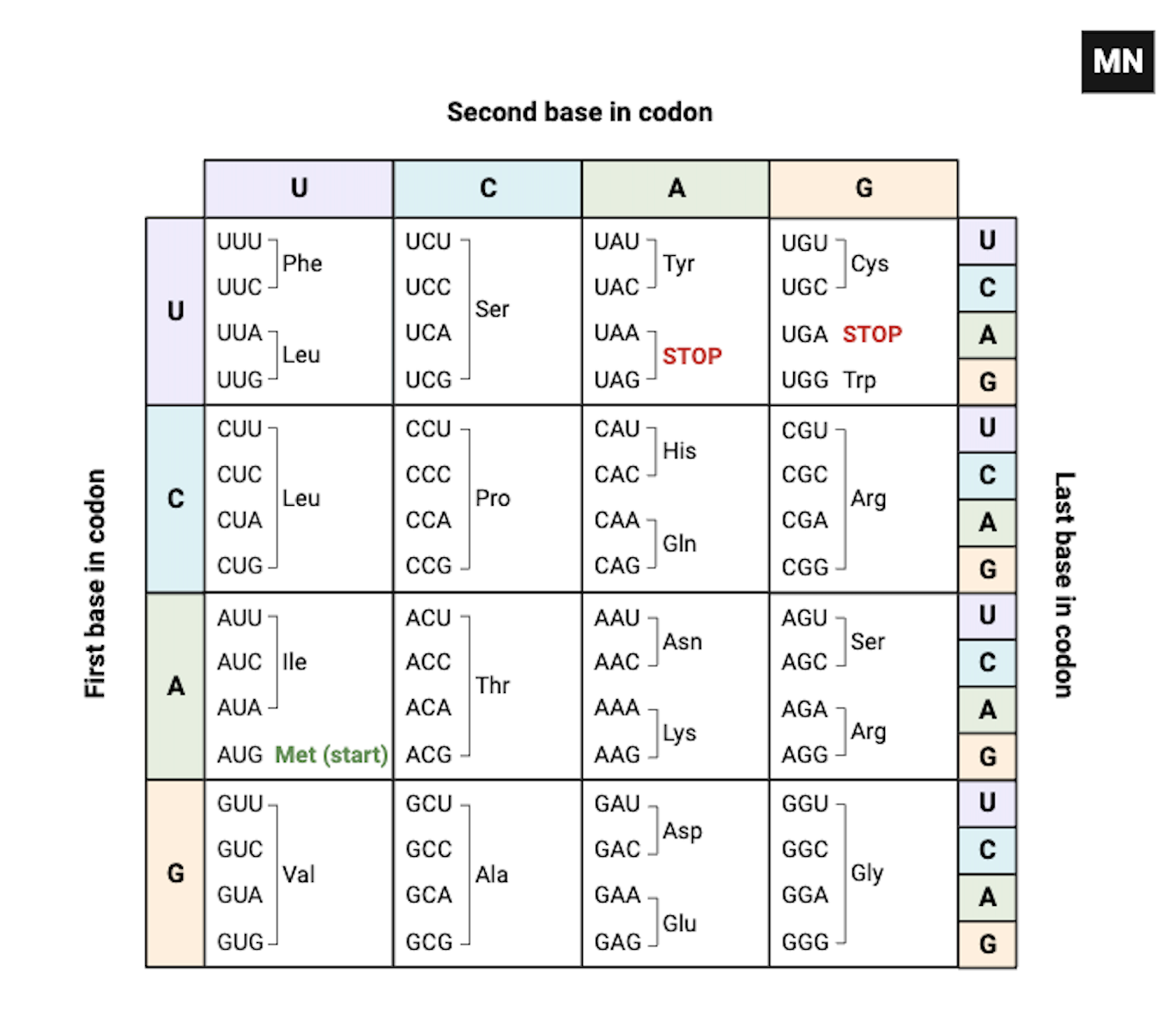
An codon chart is presented as a compact key, that maps three-nucleotide codons to amino acids, and it is usually shown as a table or circular map. In the chart, each codon is represented by three bases (A, U, G, C) and is read in the 5’→3’ direction, misreading the direction will alter meaning. Sixty-four … Read more
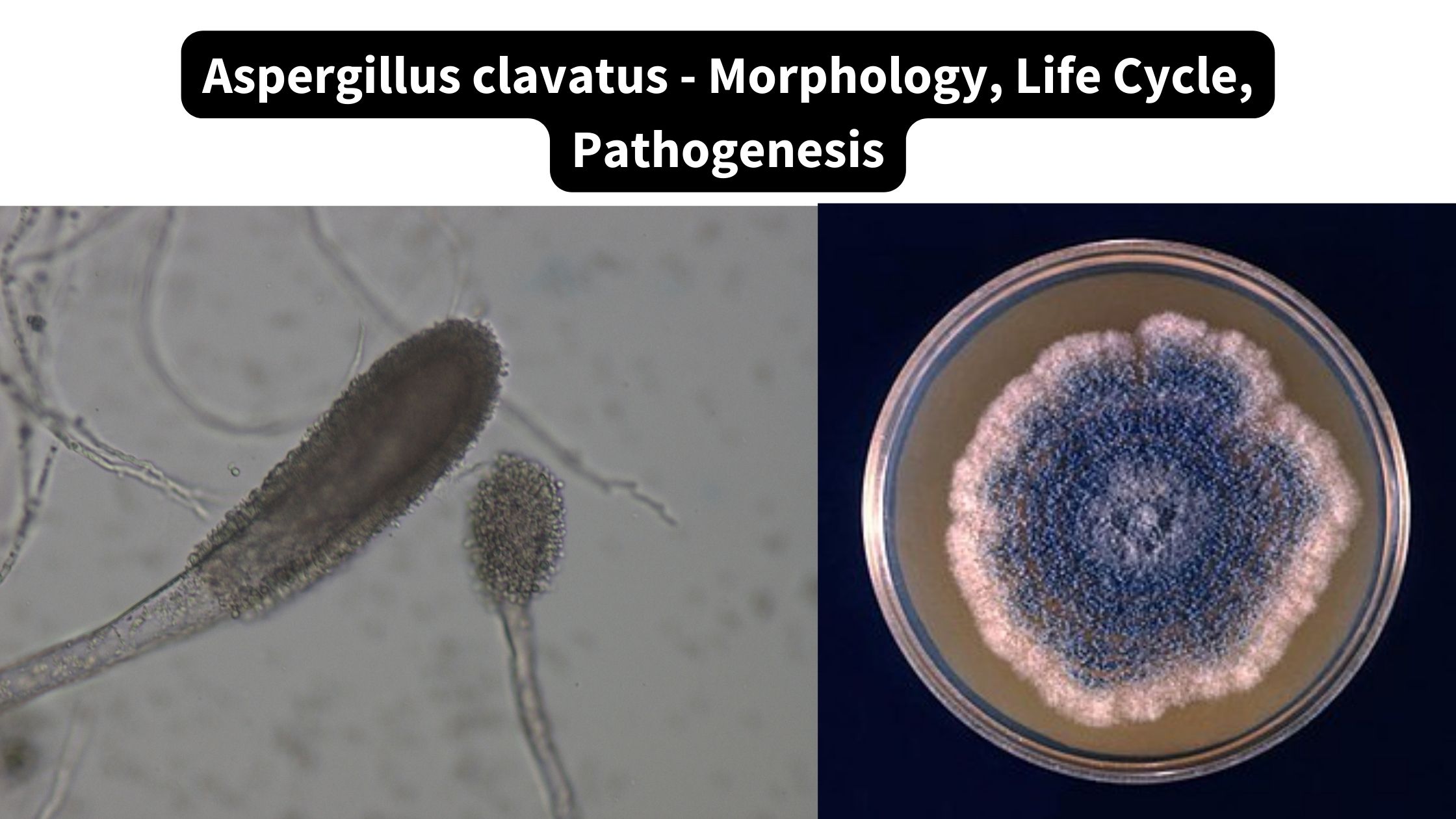
Habitat of Aspergillus clavatus Morphology of Aspergillus clavatus Cultural Characteristics of Aspergillus clavatus Culture media used for the growth of Aspergillus clavatus Life Cycle of Aspergillus clavatus Pathogenesis of Aspergillus clavatus Diseases caused by Aspergillus clavatus Treatment of Aspergillus clavatus diseases Prevention and control of Aspergillus clavatus FAQ
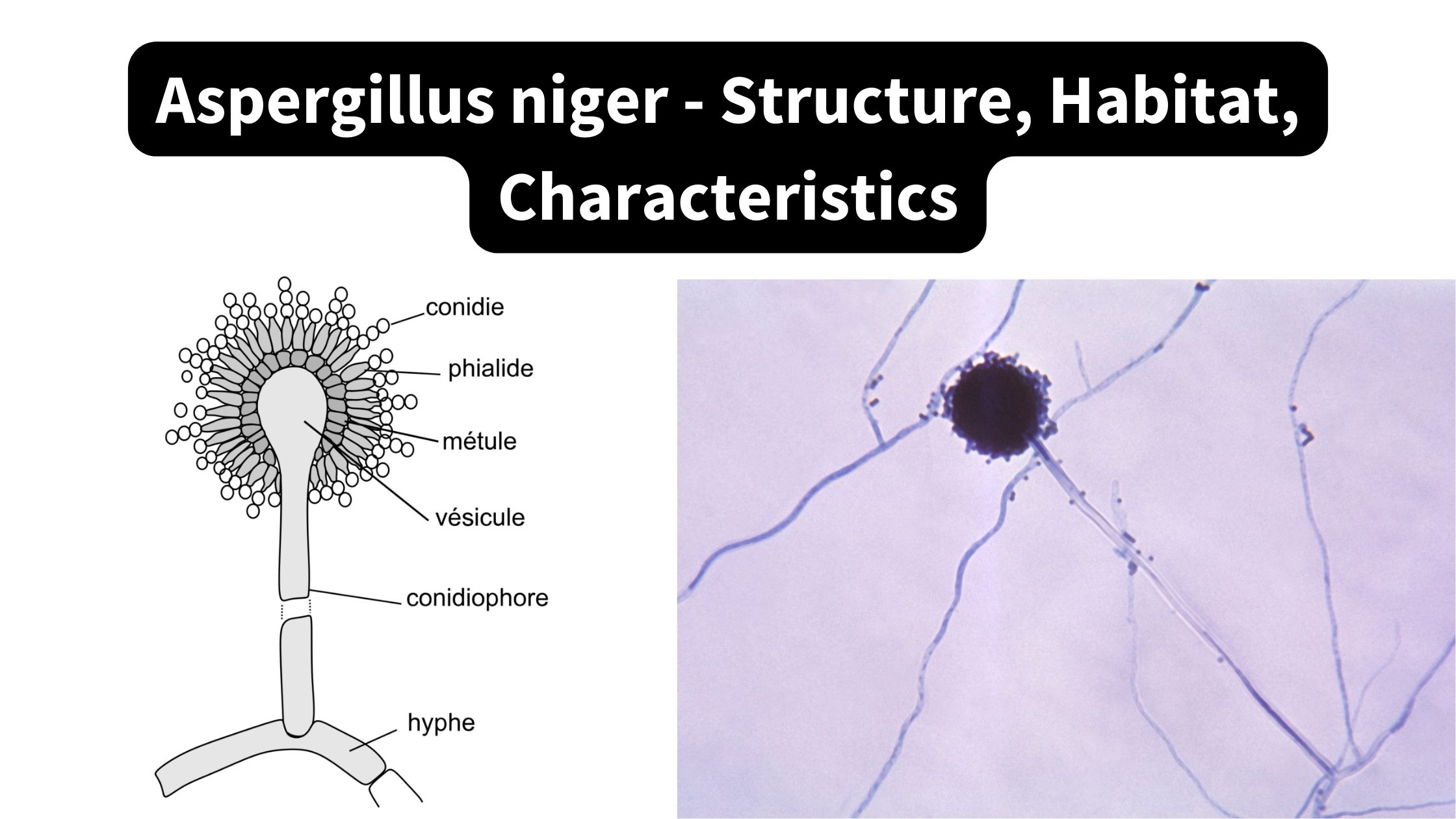
Kingdom: Fungi Division: Ascomycota Class: Eurotiomycetes Order: Eurotiales Family: Trichocomaceae Genus: Aspergillus Species: A. niger Aspergillus niger is considered one of the most common species of the genus Aspergillus, which has been widely distributed in soil, decaying vegetation, and indoor environments. It is usually recognized as a black mold, and colonies are often appeared dark brown … Read more
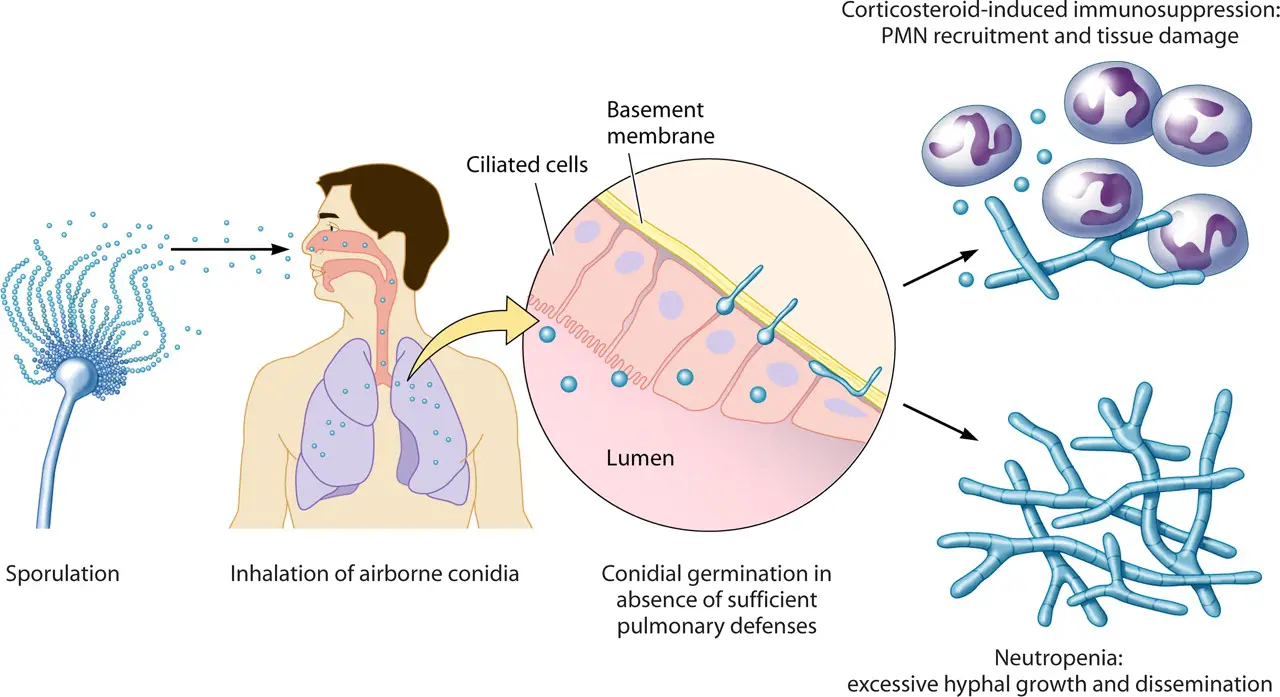
Kingdom: Fungi Division: Ascomycota Class: Eurotiomycetes Order: Eurotiales Family: Trichocomaceae Genus: Aspergillus Species: A. fumigatus Aspergillus fumigatus Aspergillus fumigatus can tolerates high temperatures and can thrives on decaying organic matter, Aspergillus fumigatus is widely distributed in soil, compost, indoor dust, and other environmental niches, where it is routinely detected by air sampling. Aspergillus fumigatus is classified … Read more
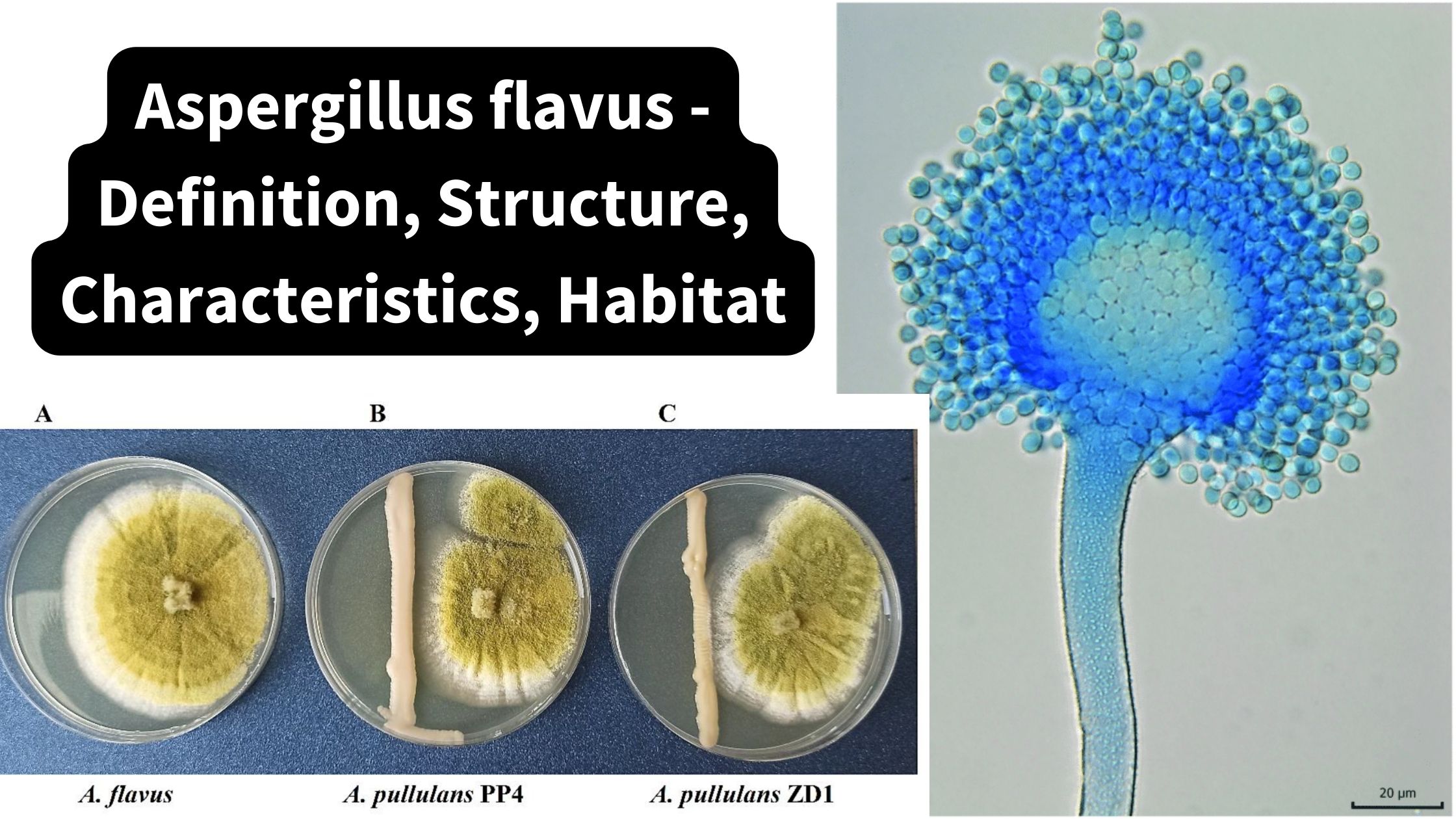
Although Aspergillus flavus is widely distributed in soil and decaying plant material, it is most often associated with warm, humid agricultural environments where crops are produced. Aspergillus flavus is classified as a filamentous fungus within the genus Aspergillus. When stored grains (maize/peanuts,cottonseed) are exposed to moisture and heat, contamination is caused frequently by this fungus … Read more
A Desert Ecosystem is a system in which living things (plants, animals, microbes) interact with non-living parts (soil, air, water, temperature) in a region that is extremely dry. It is defined by very low rainfall (often less than about 250 mm per year), and scarcity of moisture is a crucial limiting factor. The system is … Read more
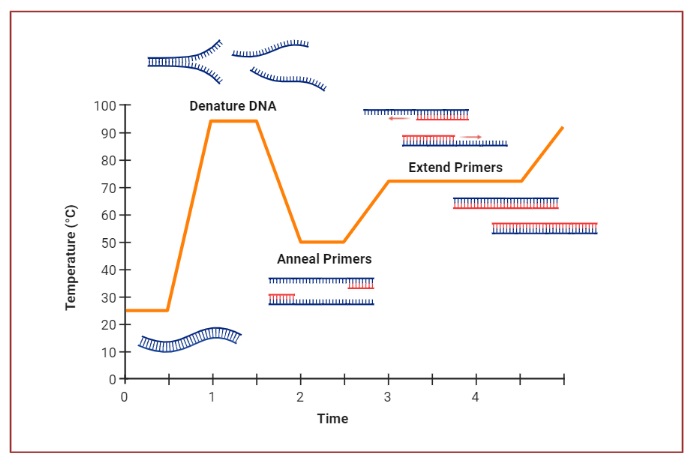
Polymerase chain reaction or PCR is a laboratory technique that is used to make multiple copies (millions or billions!) of a specific region of DNA in vitro (in a test tube rather than an organism).
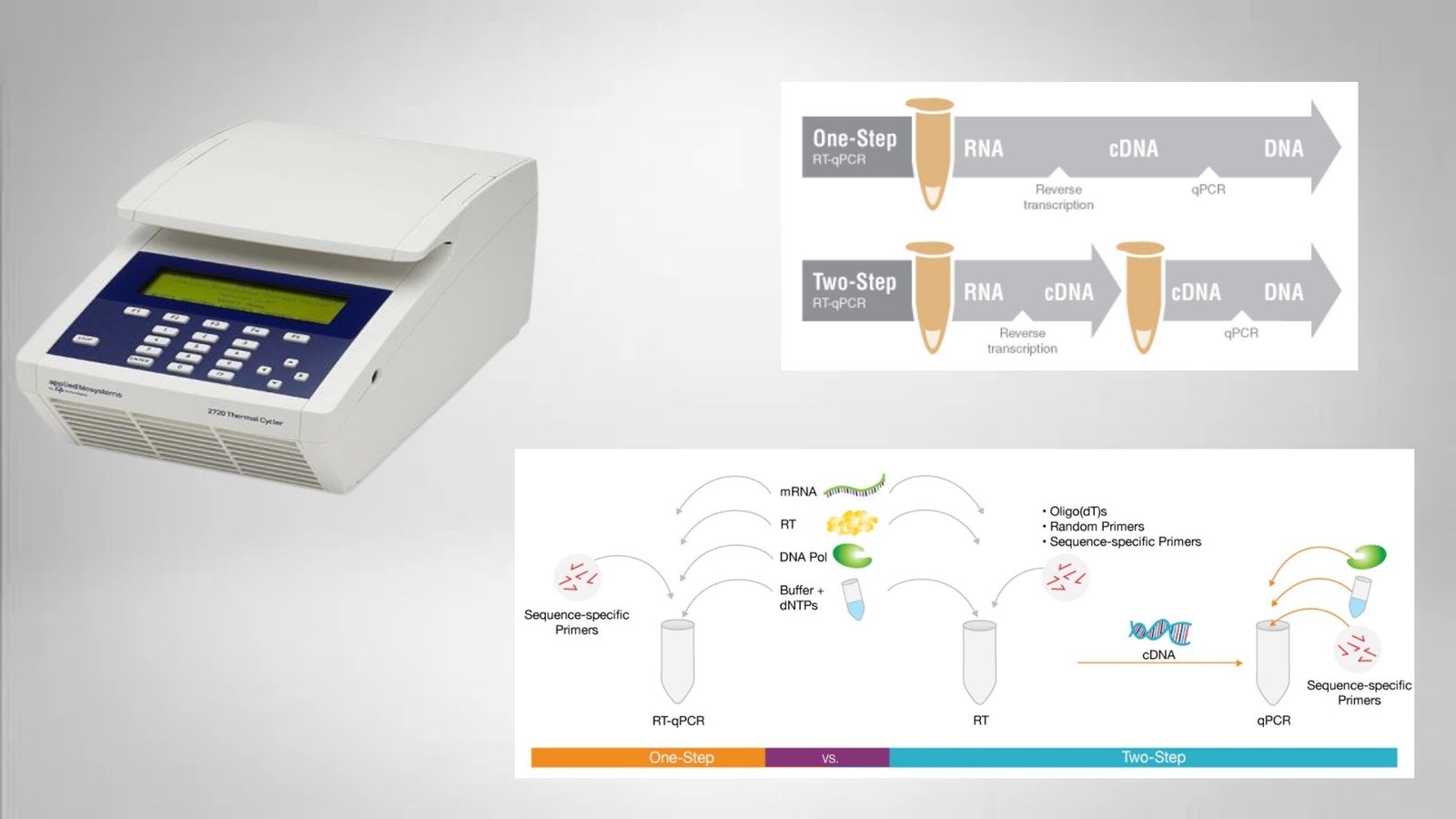
A real-time polymerase chain reaction (real-time PCR) is a conventional polymerase chain reaction (PCR) based laboratory technique used in molecular biology for real-time monitoring of the amplification of a targeted DNA molecule during the PCR, not at its end, as the conventional PCR do.
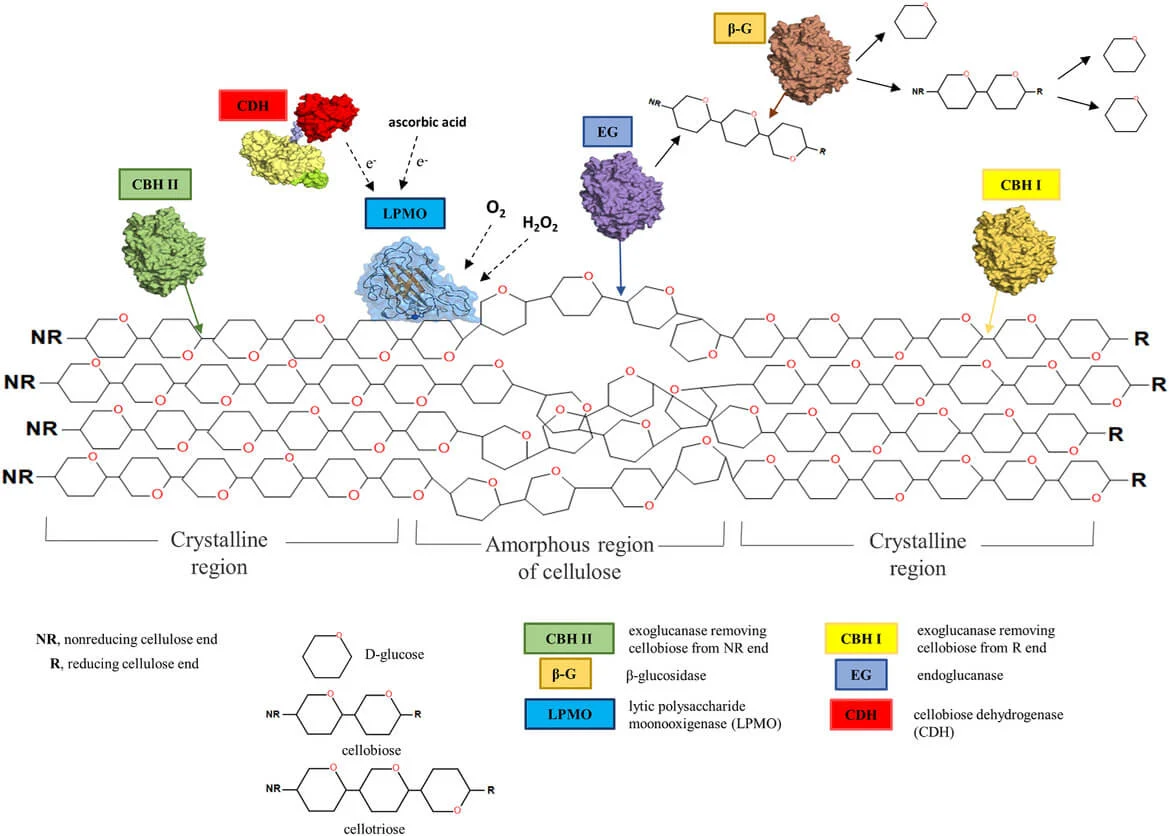
What is cellulose? (C6H10O5)n Cellulose Molecular Weight/ Molar Mass 162.1406 g/mol Density 1.5 g/cm³ Appears White powder Melting Point 260–270 °C Properties of cellulose Structure of cellulose What are cellulases? Cellulases are a group of enzymes that catalyze the hydrolysis of cellulose, a complex polysaccharide present in plant cell walls. These enzymes are largely produced … Read more
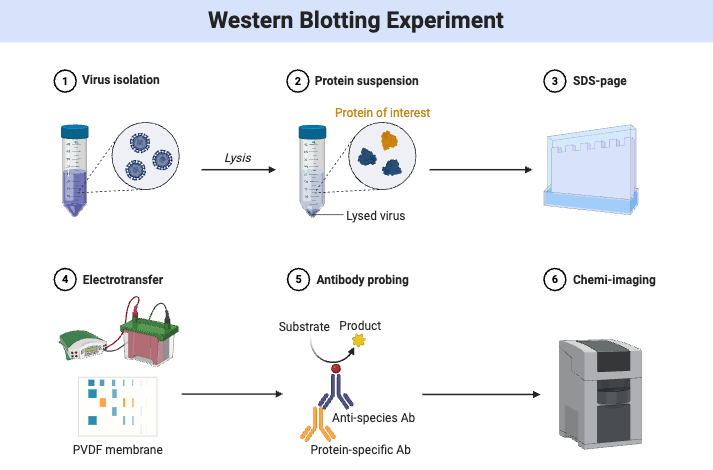
In molecular biology Western blotting is a rapid and sensitive assay for detection and characterization of proteins. This technique exploits the inherent specificity of antigen-antibody interaction to identify specific antigens by polyclonal or monoclonal antibodies.