Exocytosis – Definition, Steps, Types, Functions and Examples

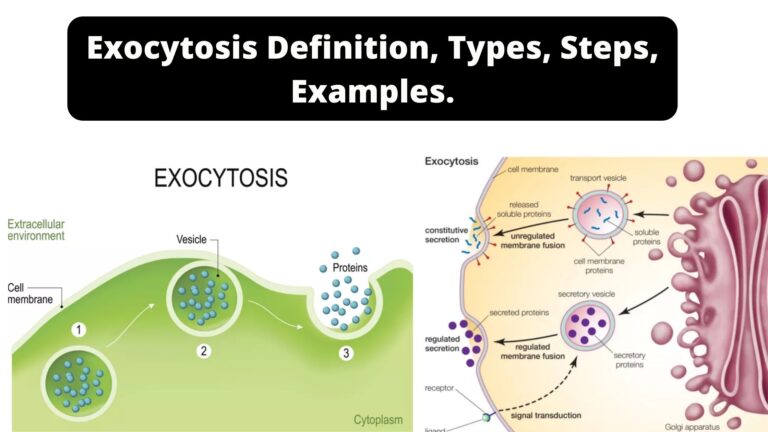
Exocytosis is the vesicle-mediated release of materials from cells. Learn its steps, types, molecular mechanism, functions, examples and differences from endocytosis.

Exocytosis is the vesicle-mediated release of materials from cells. Learn its steps, types, molecular mechanism, functions, examples and differences from endocytosis.
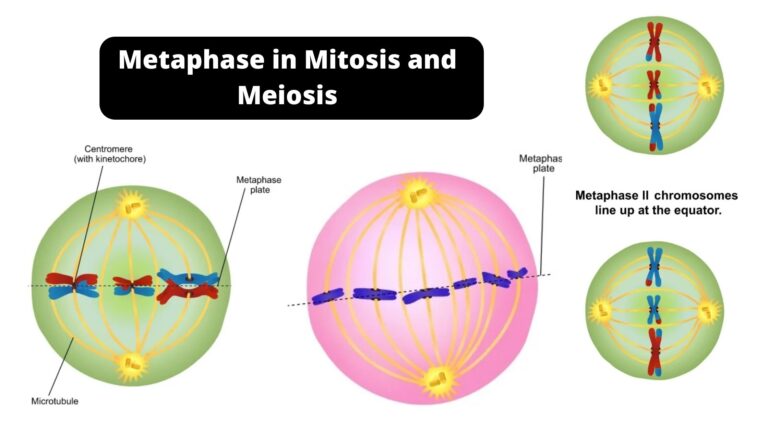
Metaphase is the stage of mitosis and meiosis when chromosomes align at the cell equator. Learn its events, checkpoint, types, diagram and significance.

Learn what cytoplasm is, where it is found, its main components and functions, and how it differs from cytosol, protoplasm and nucleoplasm.

Learn the structure of a plant cell, its organelles and functions, labeled diagram, specialized cell types, and differences from animal cells.

Stroma, as a term in botany, refers to the transparent fluid that surrounds the grana inside the chloroplast. In the stroma, there are the grana (stacks of the thylakoid) and sub-organelles, or daughter cells in which photosynthesis begins prior to the chemical reactions being completed within the stroma.
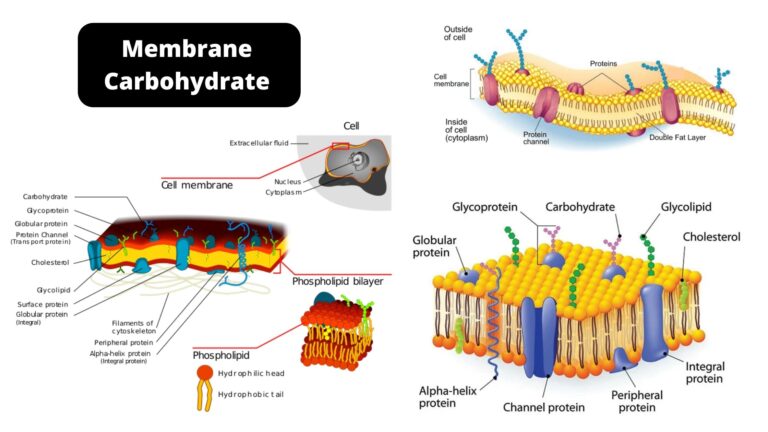
Membrane carbohydrates are glycans attached to proteins and lipids. Learn their structure, types, location, glycocalyx, functions, synthesis and examples.
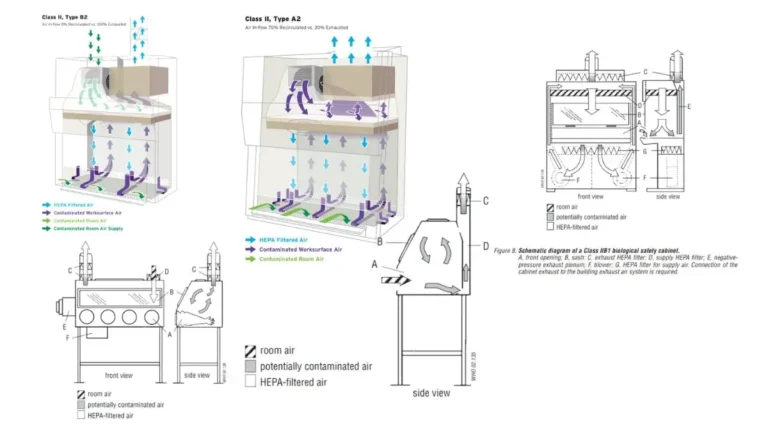
What is Biosafety Cabinet? A biosafety cabinet (BSC), also known as a biological safety cabinet or microbiological safety cabinet, is a specialized laboratory workspace designed to handle materials contaminated with or potentially contaminated with pathogens requiring a specific biosafety level. The primary purpose of a biosafety cabinet is to provide a safe working environment for
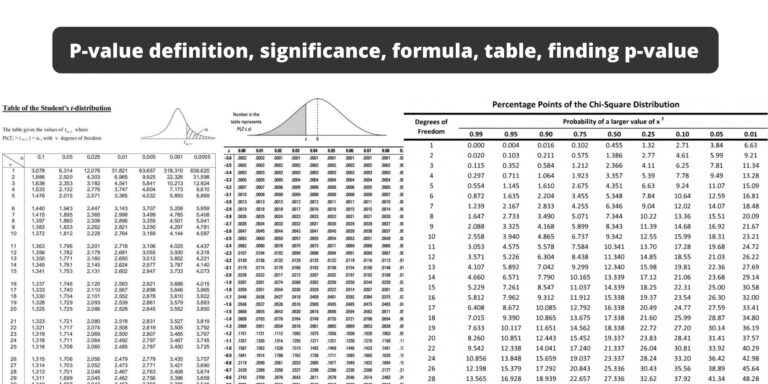
Definition of p-value The p-value, or estimated probability represents the most reliable probability of providing the lowest amount of significance, that the null hypothesis isn’t the case. Formula of p-value How to find p-value? P-values can be determined through comparing test results against the table of p-values for various scores. The scores calculated by the
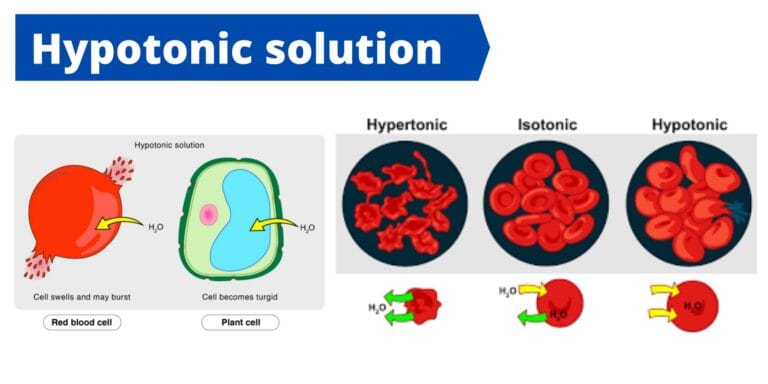
Learn what a hypotonic solution is, how it affects cells through osmosis, its effects on plant and animal cells, common examples, uses, and key differences.
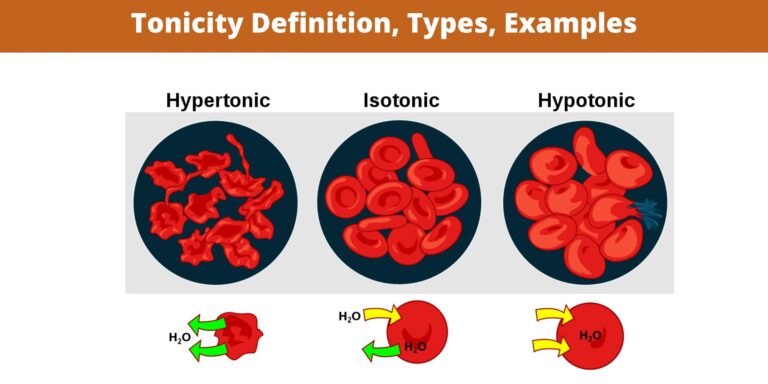
To function properly, cells must be kept turgid. To function properly, a well-watered plant will grow and produce fruits and flowers. A plant that is not watered for several days will wilt and eventually die. This happens because water leaves the cell and causes the cell to lose its turgidity. Based on the concentration of