Sourav Pan is the founder and sole author of Biology Notes Online. He holds a Bachelor of Science (B.Sc.) degree and an M.Sc. in Microbiology from the University of Calcutta. He creates educational resources covering microbiology, immunology, biotechnology, genetics, cell biology, botany, zoology, and other life-science subjects.
His goal is to make complex biological concepts easier to understand through well-structured, student-friendly articles based on academic textbooks, peer-reviewed research, and authoritative scientific sources. In addition to writing new content, he regularly reviews and updates articles to improve their accuracy, clarity, and educational value.
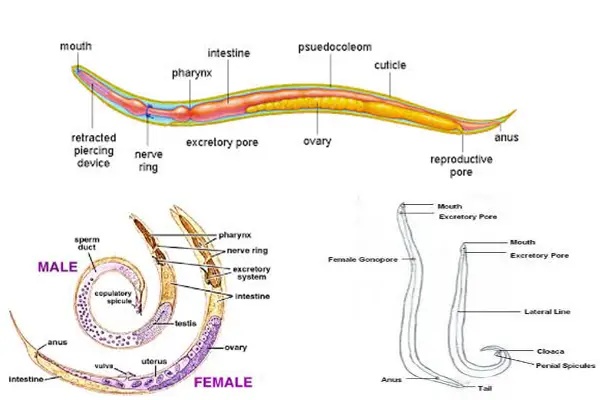
Phylum Nemathelminthes is a group of worm-like animals which was earlier used in classification and also referred to as Aschelminthes. It includes unsegmented, bilaterally symmetrical and triploblastic animals. These organisms are elongated and cylindrical in shape and the body is tapering at both ends. Because of this shape they are commonly called roundworms or threadworms. … Read more
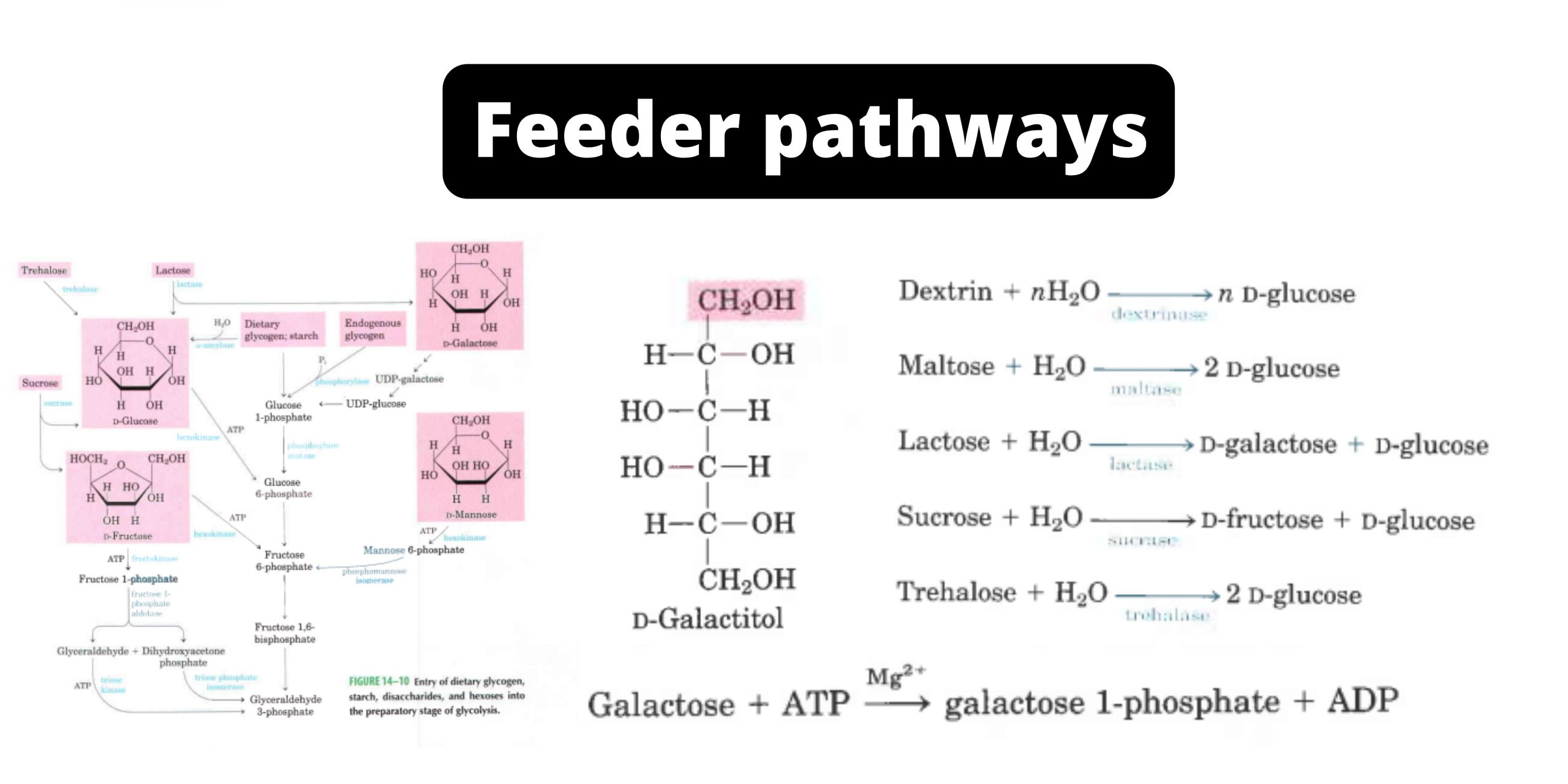
Feeder pathway is the metabolic process in which different non-glucose carbohydrates are changed into intermediates that can enter glycolysis. It is the process that allows fructose, galactose, mannose and stored polysaccharides like glycogen to be converted into common glycolytic compounds. These intermediates then move into the normal glycolytic steps for further breakdown. In this pathway … Read more
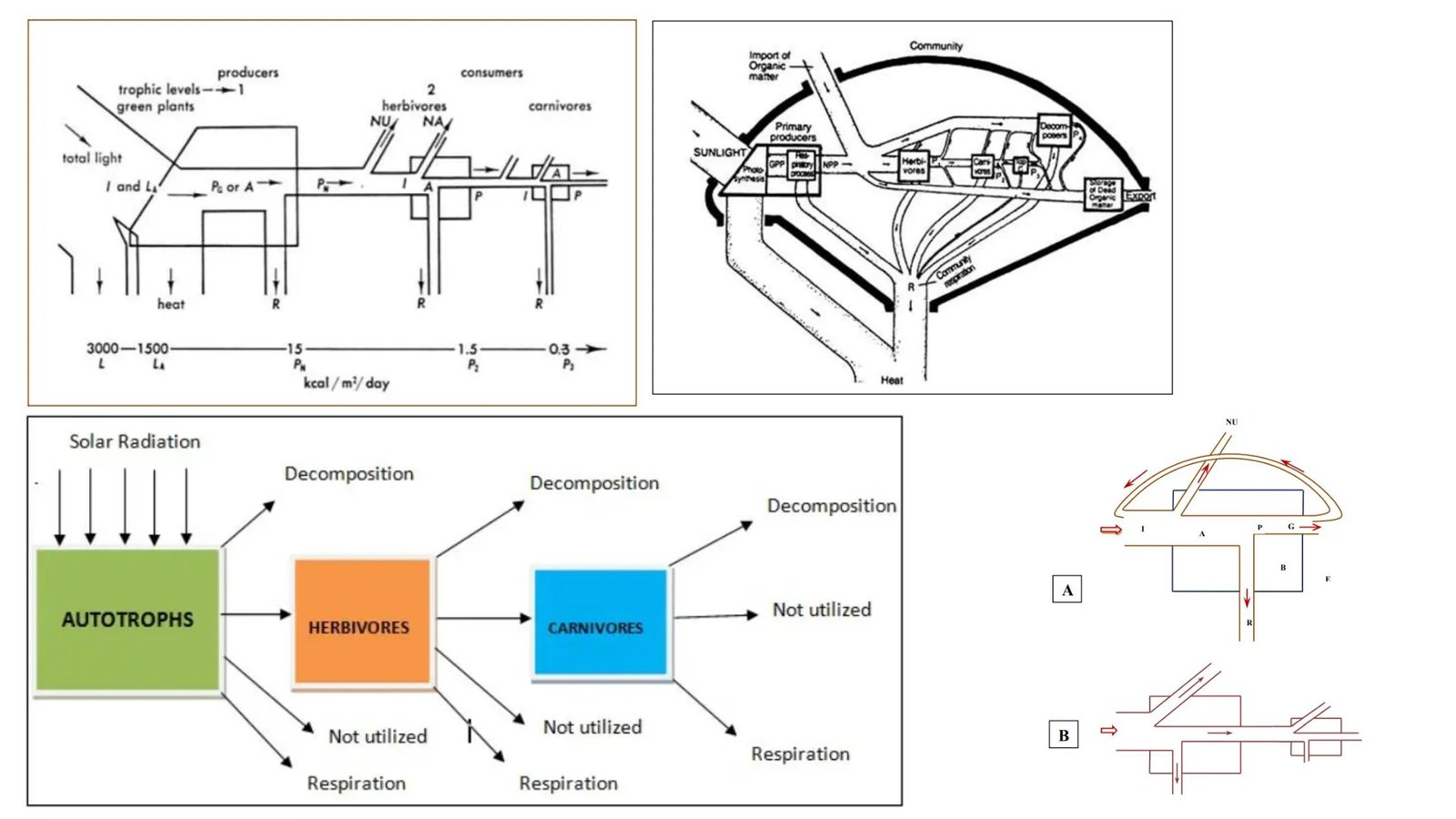
What is Energy Flow in an Ecosystem? Energy flow models are used to show how energy passes through different trophic levels of an ecosystem. It shows the input of energy, transfer of energy and loss of energy in each level. Energy always move in one direction. It is not recycled like nutrients. The single channel … Read more
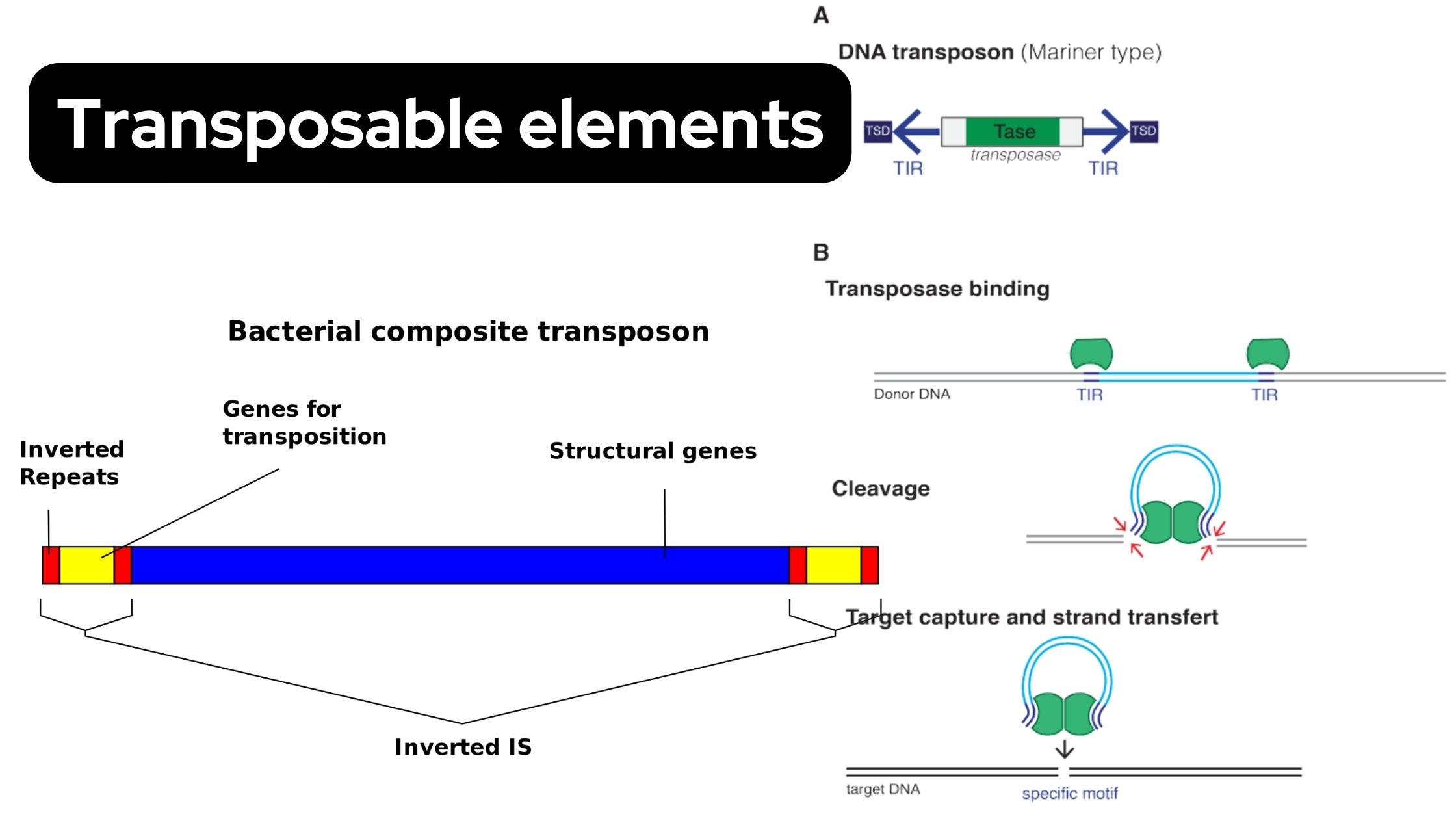
Transposable elements can be described as mobile genetic segments that is able to move from one position of the genome to another without the need of any homology. It is the process where small DNA sequences is shifted or sometimes replicated inside the chromosomes, and this movement is referred to as transposition. It is seen … Read more
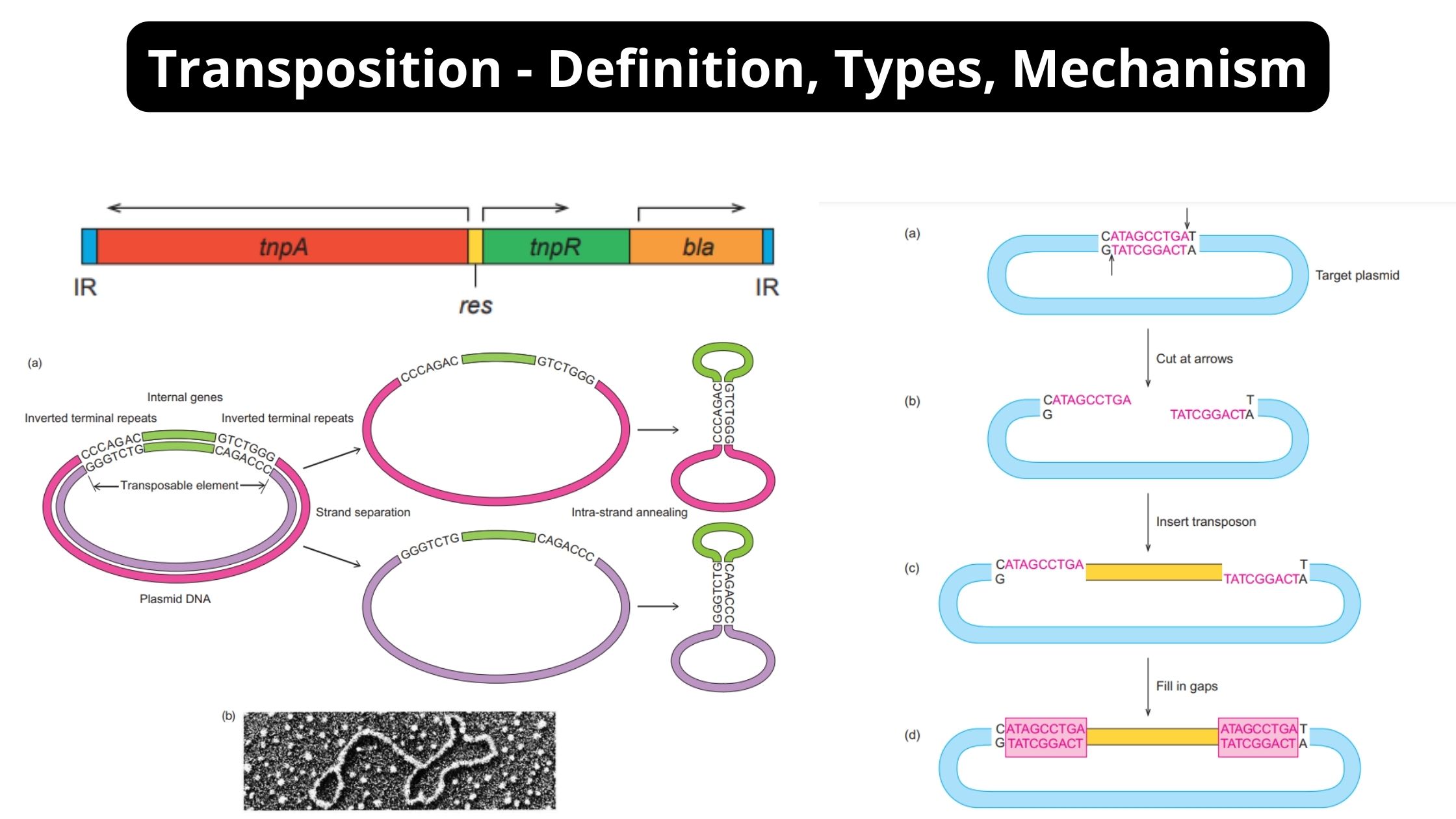
What is Transposition? Transposition is the process in which a particular DNA sequence is shifted from one position of the genome to another position. It is the movement of a transposable element or jumping gene, and it is not dependent on any homologous sequence at the target site. It is the process that may occur … Read more
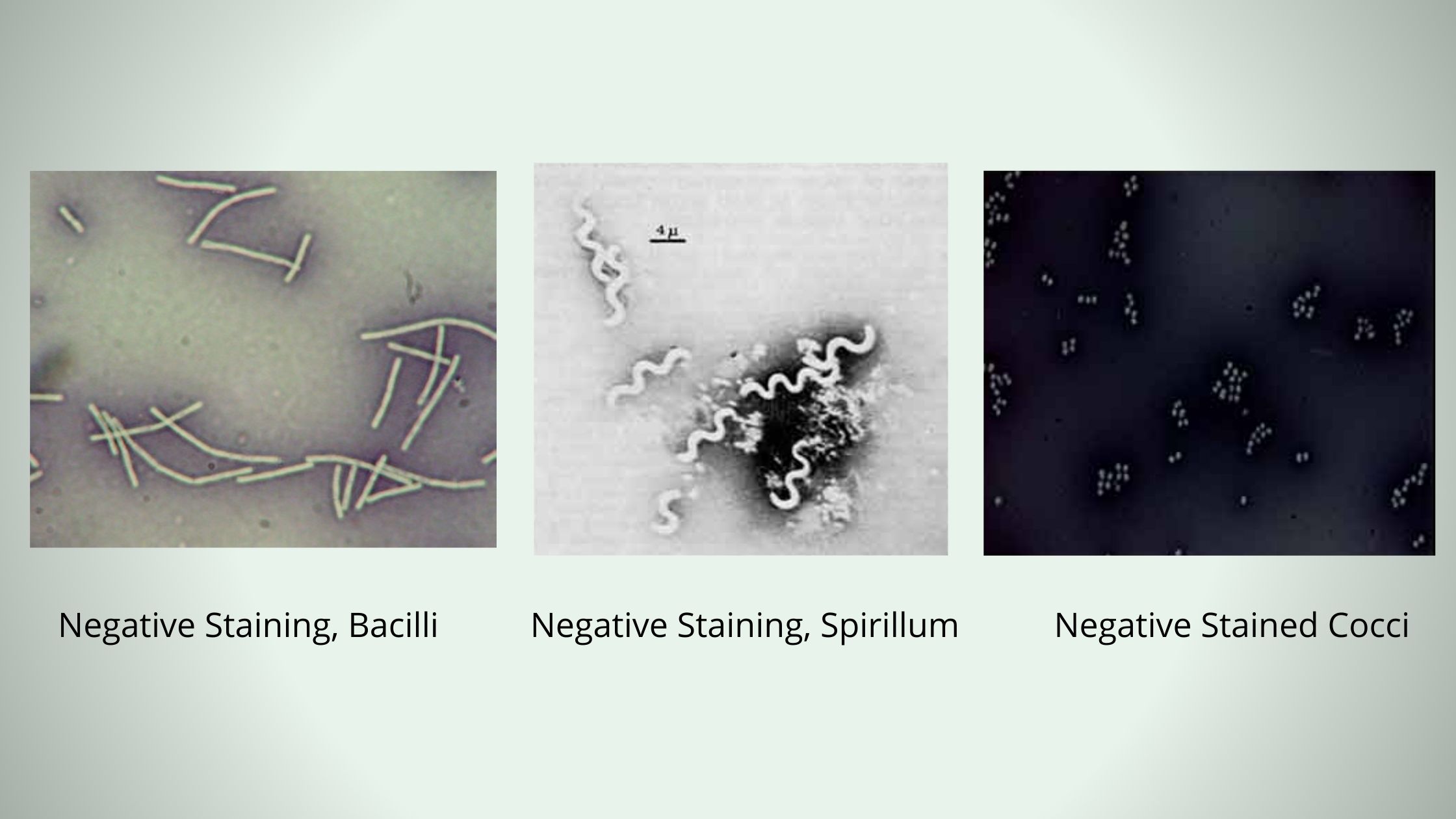
In negative staining method, an acidic dye is used known as India Ink or Nigrosin. When the bacterial cells are exposed to this stain, due to the presence of acidic nature it readily gives up a hydrogen ion (proton) and the chromophore. As a result, the dye becomes negatively charged, now the bacterial cell surface deflects the stain.
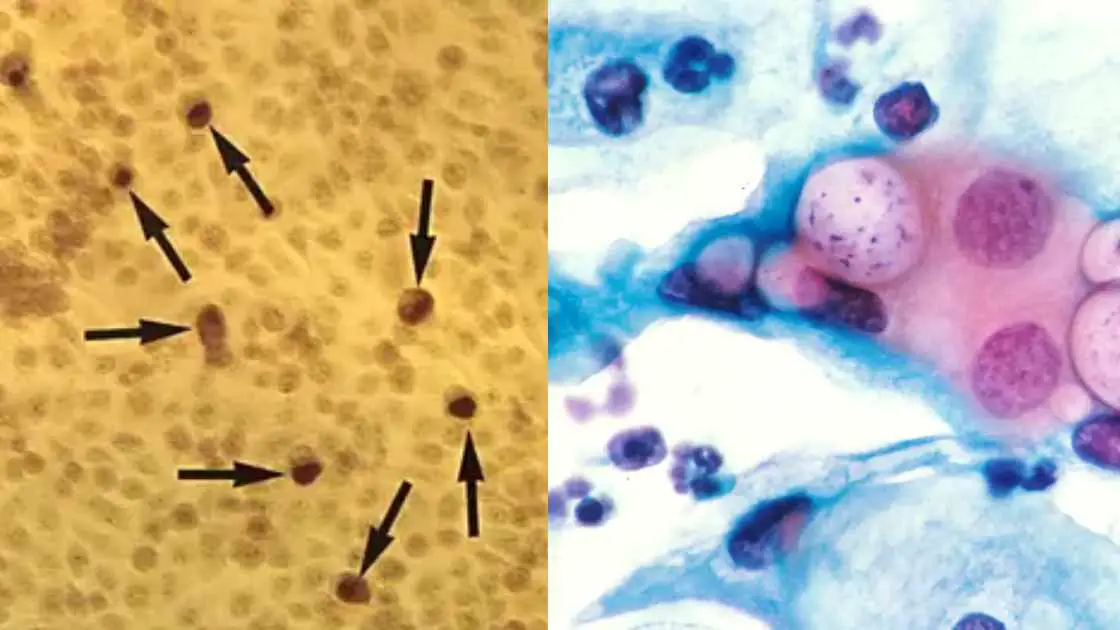
Chlamydia is caused by Chlamydia trachomatis which is a Gram-negative bacterium, and it is the organism that behave as an obligate intracellular parasite because it cannot produce its own metabolic energy. It is the process where the bacterium must survive and replicate inside the eukaryotic host cell, and this organism shows a biphasic developmental cycle … Read more
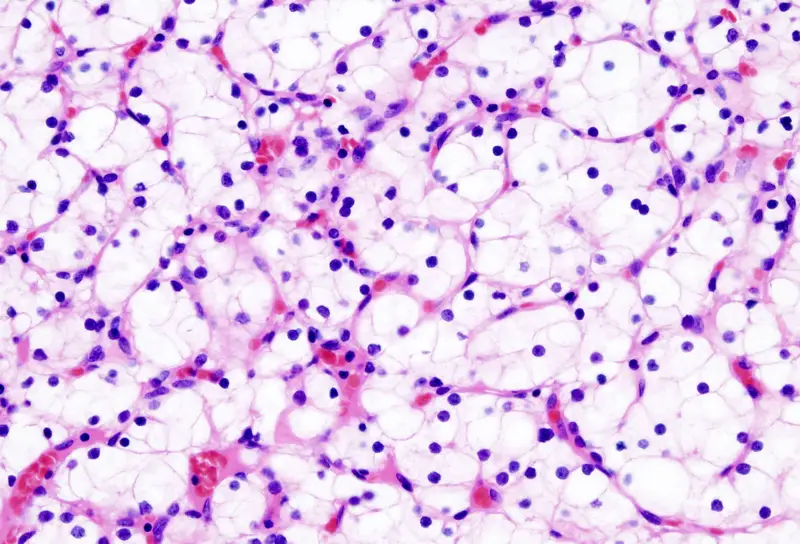
Hematoxylin and Eosin (H&E) stain is the routine staining method used in histology and histopathology for observing the basic structure of tissues. It is the process in which two dyes are applied on colorless tissue sections so that the cellular parts become clearly visible under the microscope. Hematoxylin behaves as a basic dye and it … Read more