Sourav Pan is the founder and sole author of Biology Notes Online. He holds a Bachelor of Science (B.Sc.) degree and an M.Sc. in Microbiology from the University of Calcutta. He creates educational resources covering microbiology, immunology, biotechnology, genetics, cell biology, botany, zoology, and other life-science subjects.
His goal is to make complex biological concepts easier to understand through well-structured, student-friendly articles based on academic textbooks, peer-reviewed research, and authoritative scientific sources. In addition to writing new content, he regularly reviews and updates articles to improve their accuracy, clarity, and educational value.
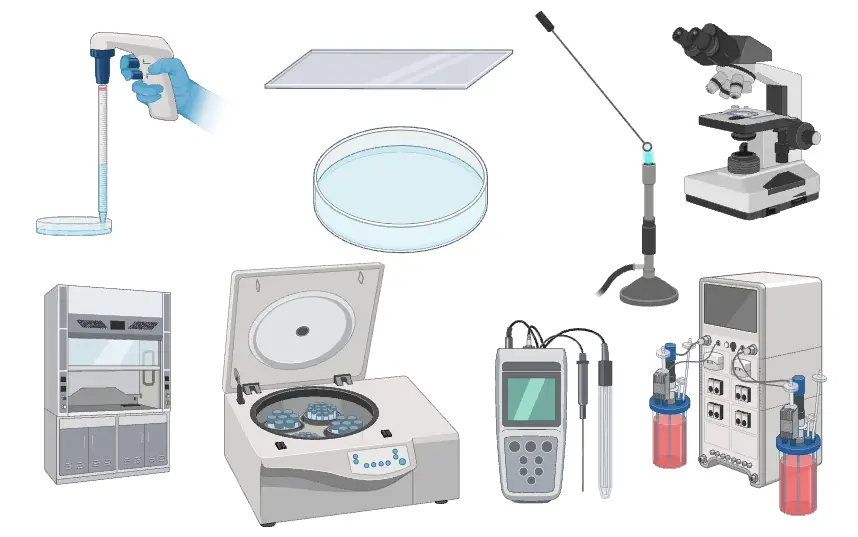
Laboratory equipment is the different tools, instruments and devices used in a laboratory for doing experiments and research work. It is used to measure, observe and handle samples, chemicals and biological specimens in a proper way. It includes measuring instruments, heating and cooling devices, glassware and plasticware, sterilization equipment, microscopes, separation devices, safety equipment and … Read more
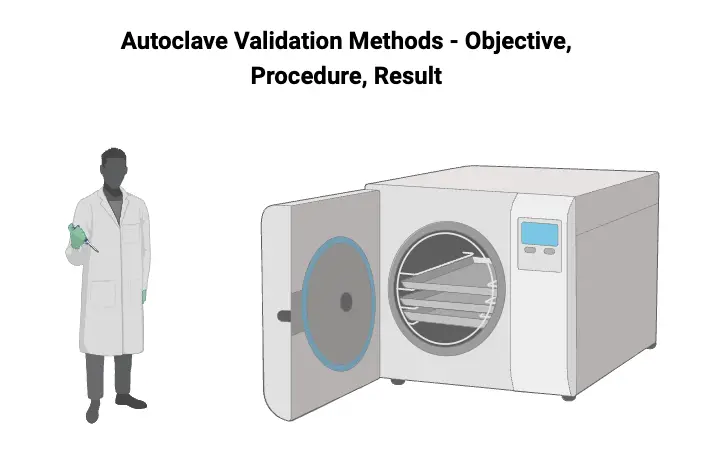
Autoclave validation is needed to prove that the autoclave is consistently giving effective sterilization of materials to a required Sterility Assurance Level (SAL). Sterility cannot be guaranteed only by testing the finished product. So, the process has to be validated and documented. Validation is done to check the correct physical parameters like temperature, pressure, and … Read more
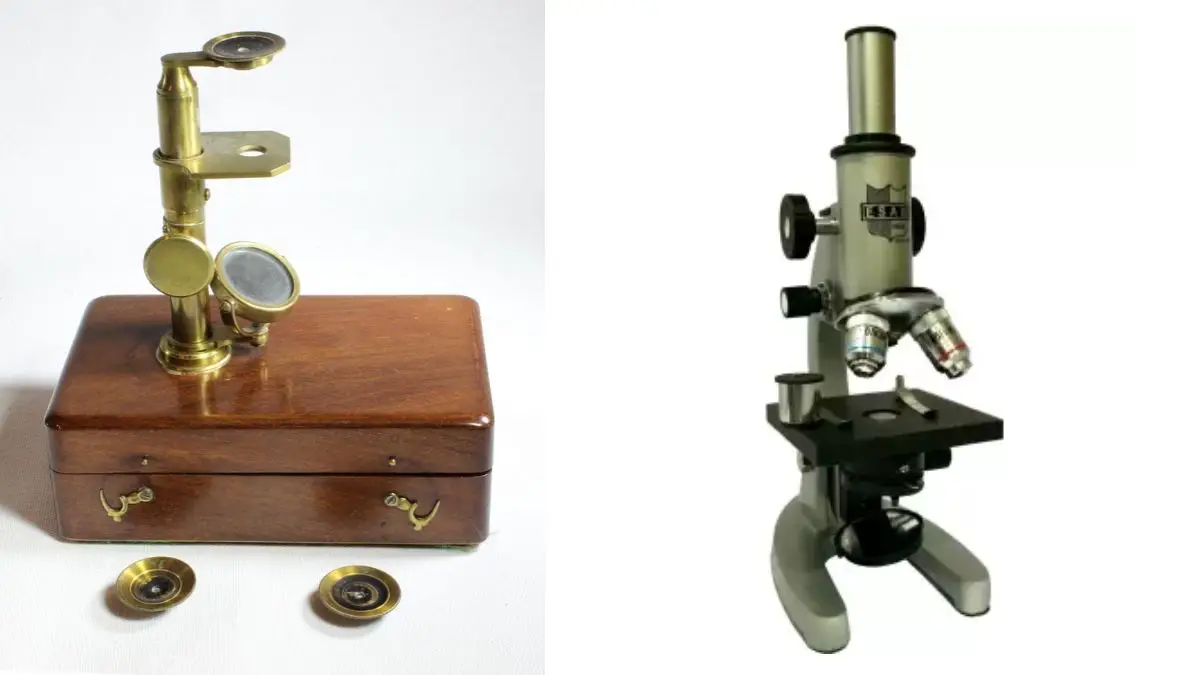
A simple microscope is an optical device consisting of a single convex lens that magnifies objects by enlarging their image through light refraction. Simple Microscope is a simple optical instrument used to magnify very small objects so that they can be seen by the unaided eye. It is mainly a single convex lens (mostly double … Read more
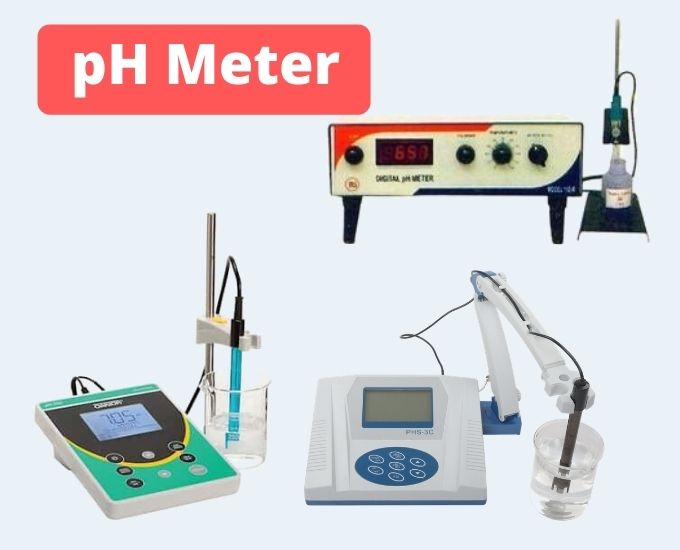
pH meter is an instrument used to measure pH of a solution. It measures the hydrogen ion activity in water based solution. It is used to know whether solution is acidic or alkaline. It works on potentiometry principle. It measures the difference in electrical potential between a measuring electrode and a reference electrode. The measuring … Read more
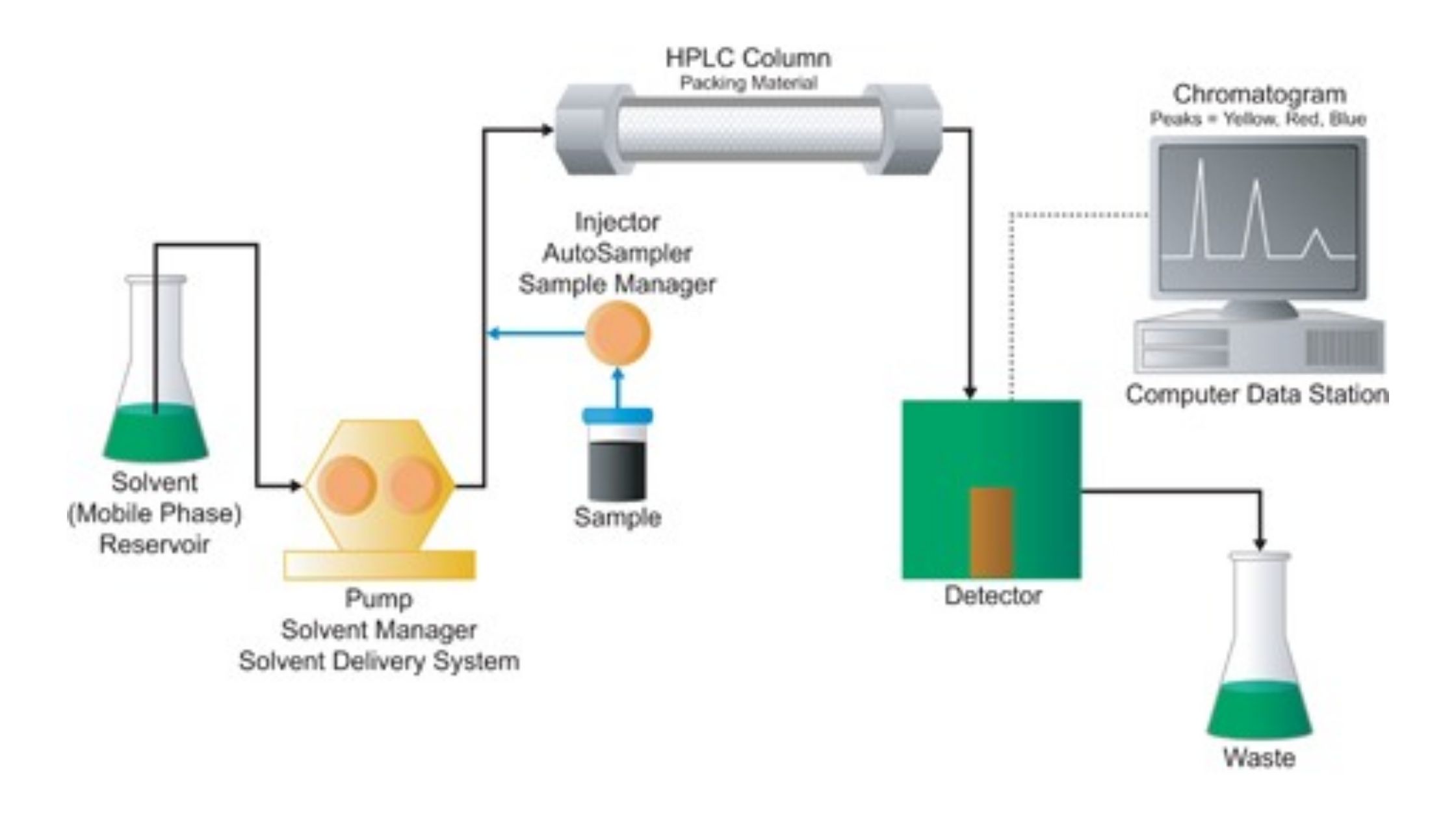
HPLC (High-performance liquid chromatography) is a liquid chromatography technique used to separate, identify and quantify different components present in a liquid mixture. It is also called high-pressure liquid chromatography. It is used when accurate separation is needed in a mixture. In this technique, a liquid solvent is used as mobile phase and the column is … Read more
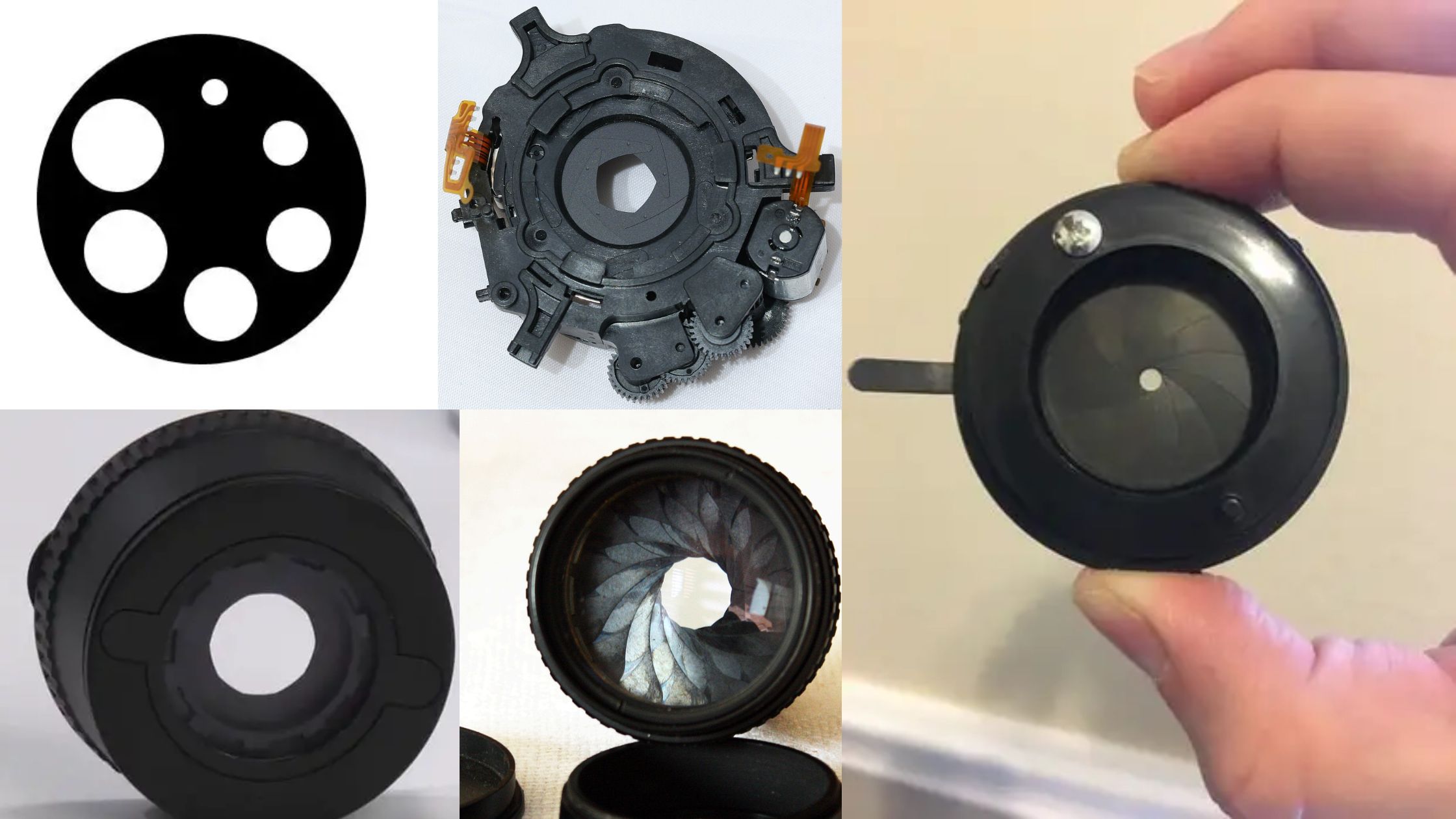
Diaphragm of a microscope is a thin opaque disc like part having a circular opening (aperture) which can be adjusted. It is fitted in the light path of microscope, mostly below the stage and near the condenser. It controls the passage of light that will go to the specimen. The main work of diaphragm is … Read more
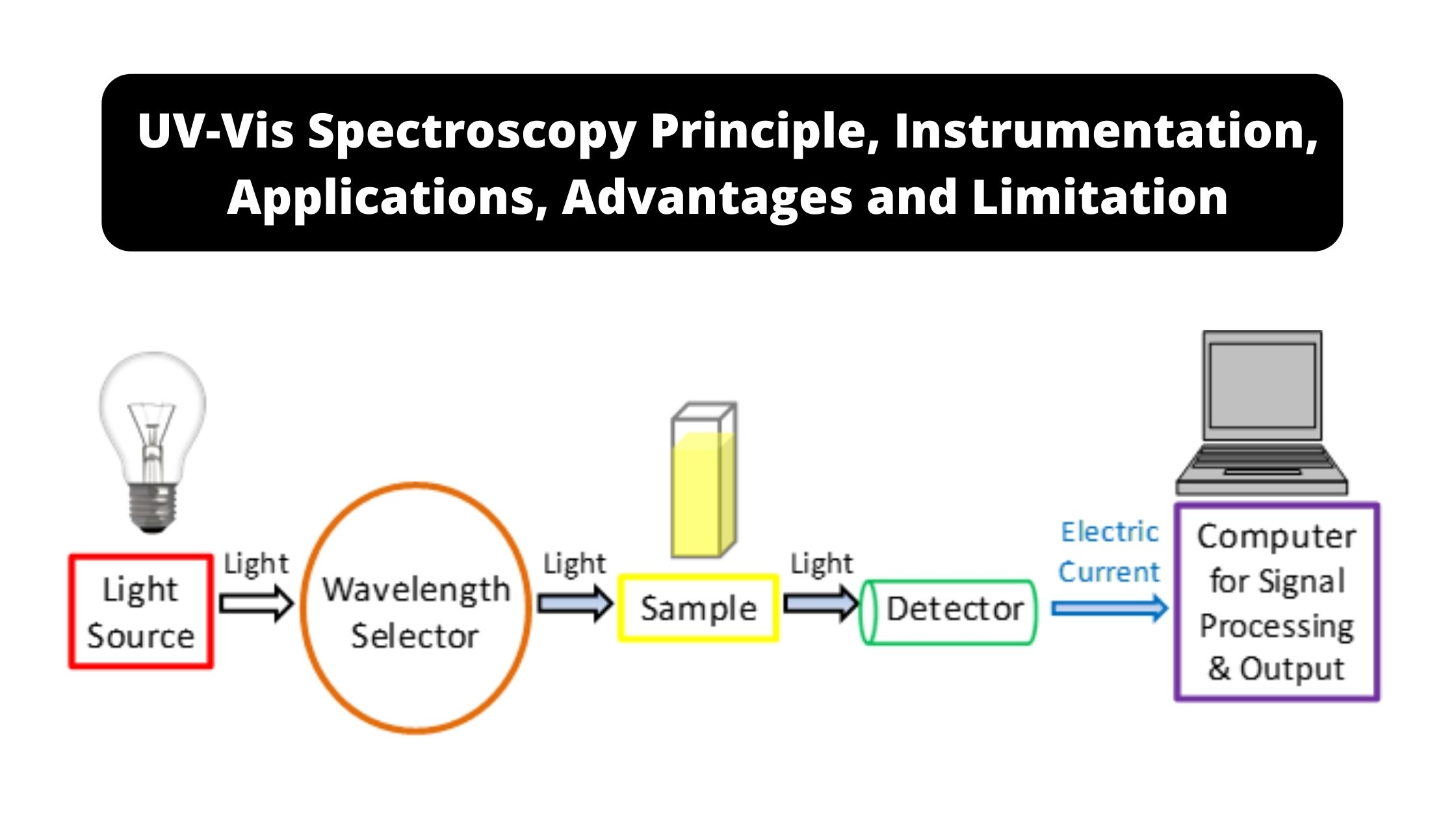
UV-Vis spectroscopy (Ultraviolet-visible spectroscopy) is an analytical technique used to measure the amount of ultraviolet and visible light absorbed or transmitted by a chemical sample. It measures light in UV and visible region. The reading is taken as absorbance or transmittance. This technique relies on interaction between electromagnetic radiation and matter. When molecules are exposed … Read more
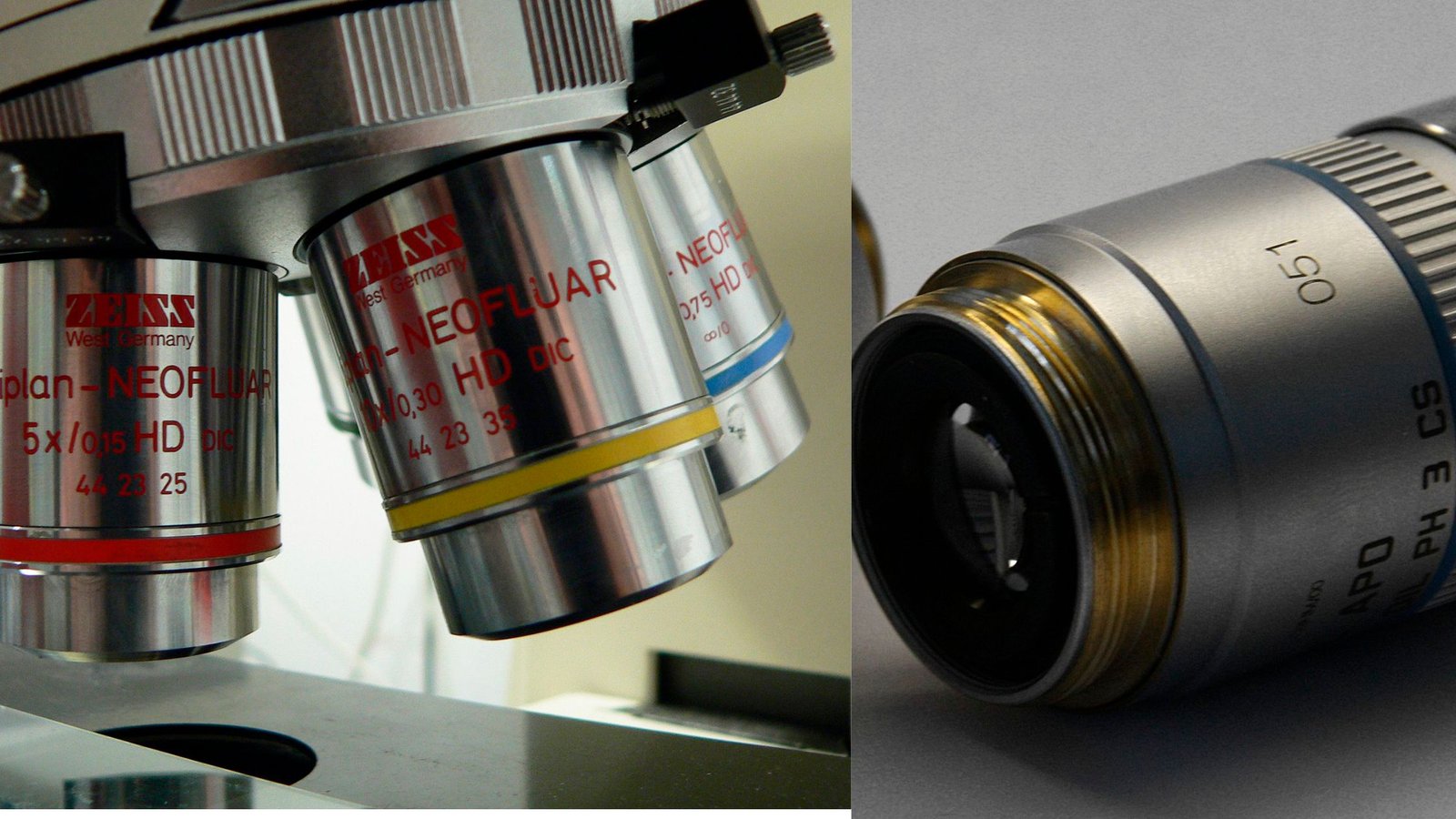
Objective lens is the most important lens of an optical microscope, which is kept closest to the specimen. It is the first lens that collects the light coming from the specimen (emitted or reflected). It bends the light rays and forms a real, magnified image at an intermediate image plane. This primary image is then … Read more
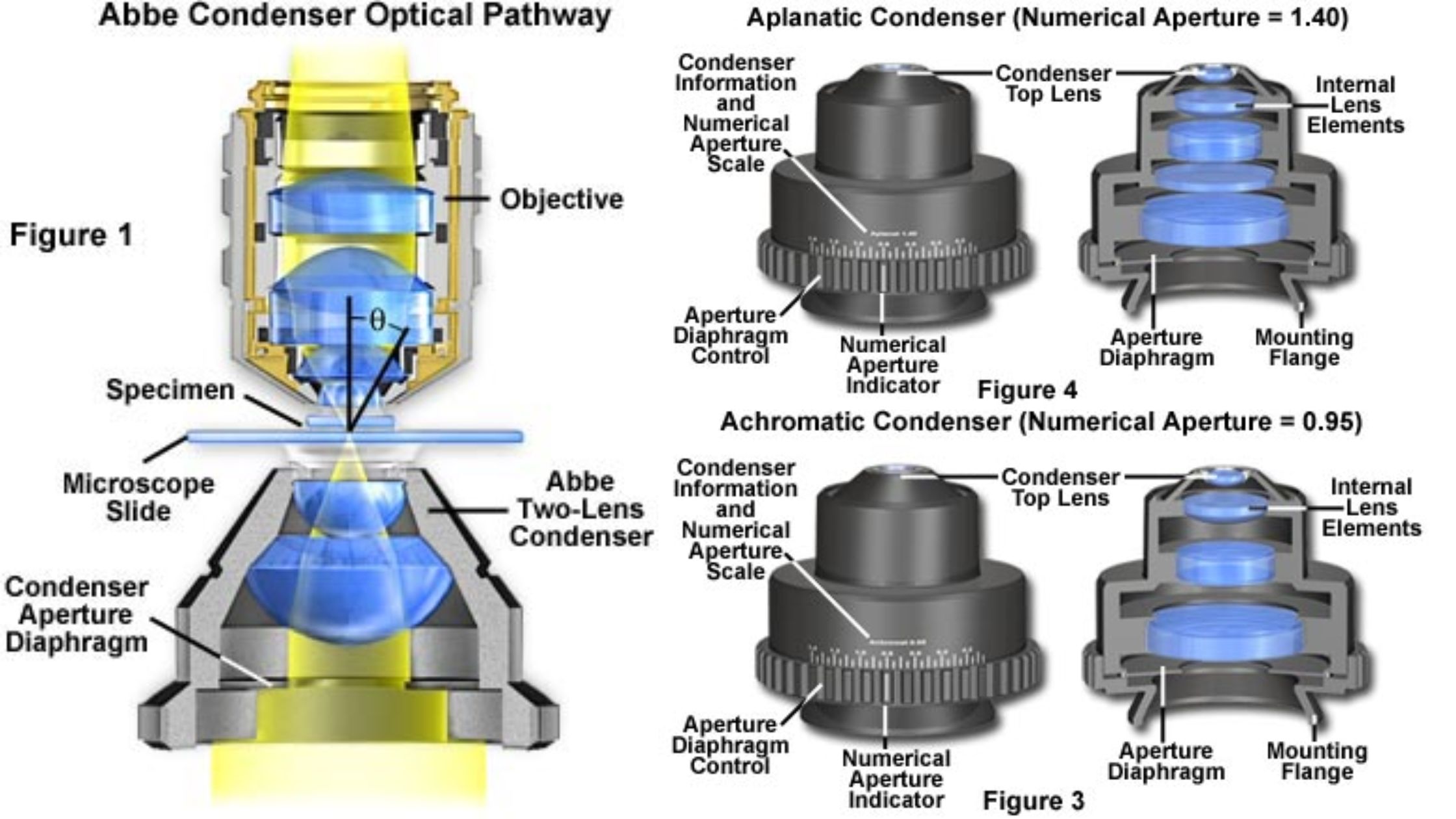
Microscope condenser is an optical lens system placed below the stage of the microscope between the light source and the specimen. It is used to collect the divergent light rays and concentrate them as a cone of light on the specimen. It helps in giving uniform illumination so that the light can pass through the … Read more
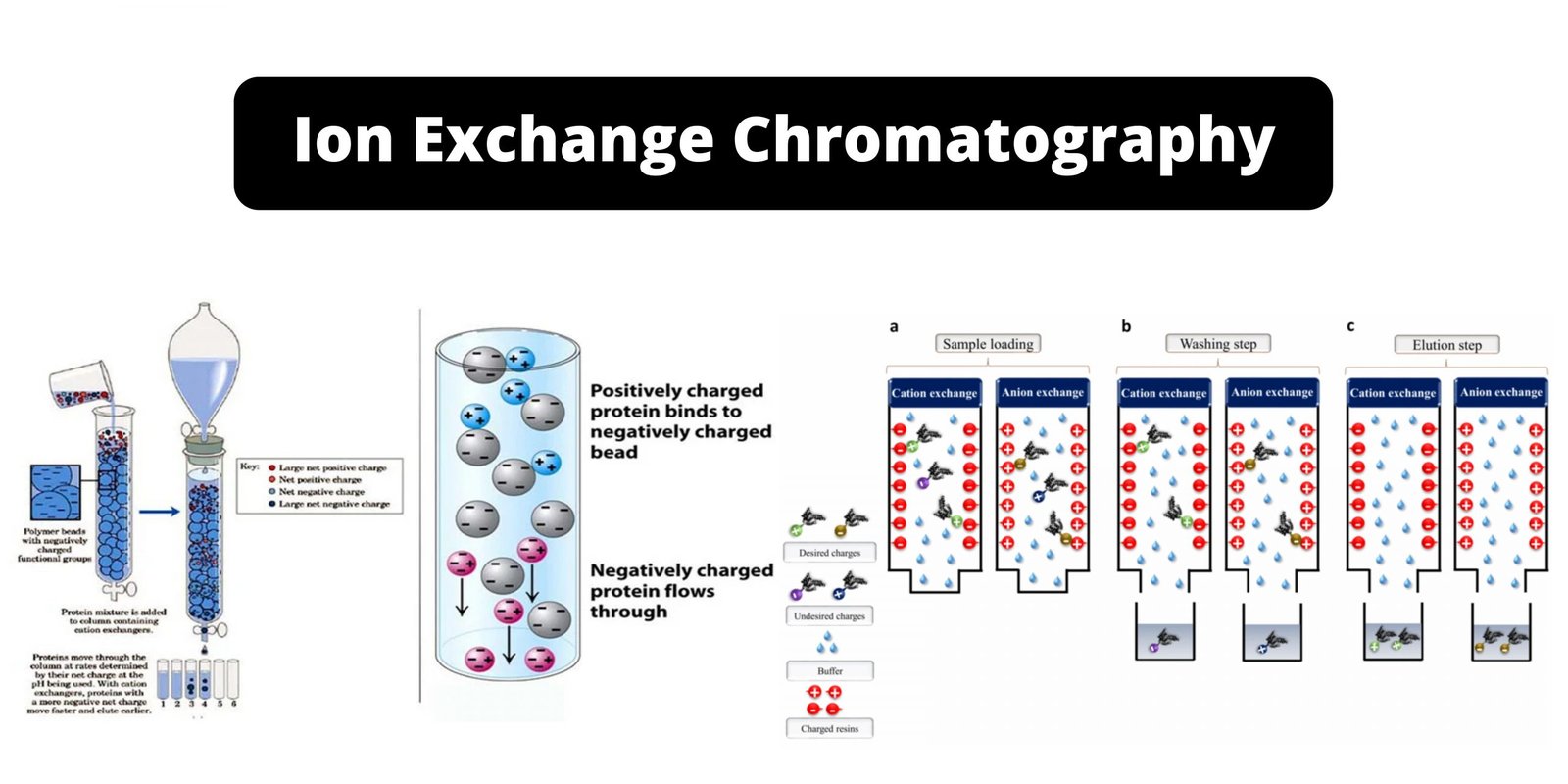
Ion Exchange Chromatography (IEC) is a chromatographic separation technique used to separate and purify molecules based on their net surface charge. It works mainly for charged biomolecules like proteins, peptides, amino acids and nucleic acids. In this method, separation depends on electrostatic attraction between the sample and the charged stationary phase. Ion exchange chromatography is … Read more