Sourav Pan is the founder and sole author of Biology Notes Online. He holds a Bachelor of Science (B.Sc.) degree and an M.Sc. in Microbiology from the University of Calcutta. He creates educational resources covering microbiology, immunology, biotechnology, genetics, cell biology, botany, zoology, and other life-science subjects.
His goal is to make complex biological concepts easier to understand through well-structured, student-friendly articles based on academic textbooks, peer-reviewed research, and authoritative scientific sources. In addition to writing new content, he regularly reviews and updates articles to improve their accuracy, clarity, and educational value.
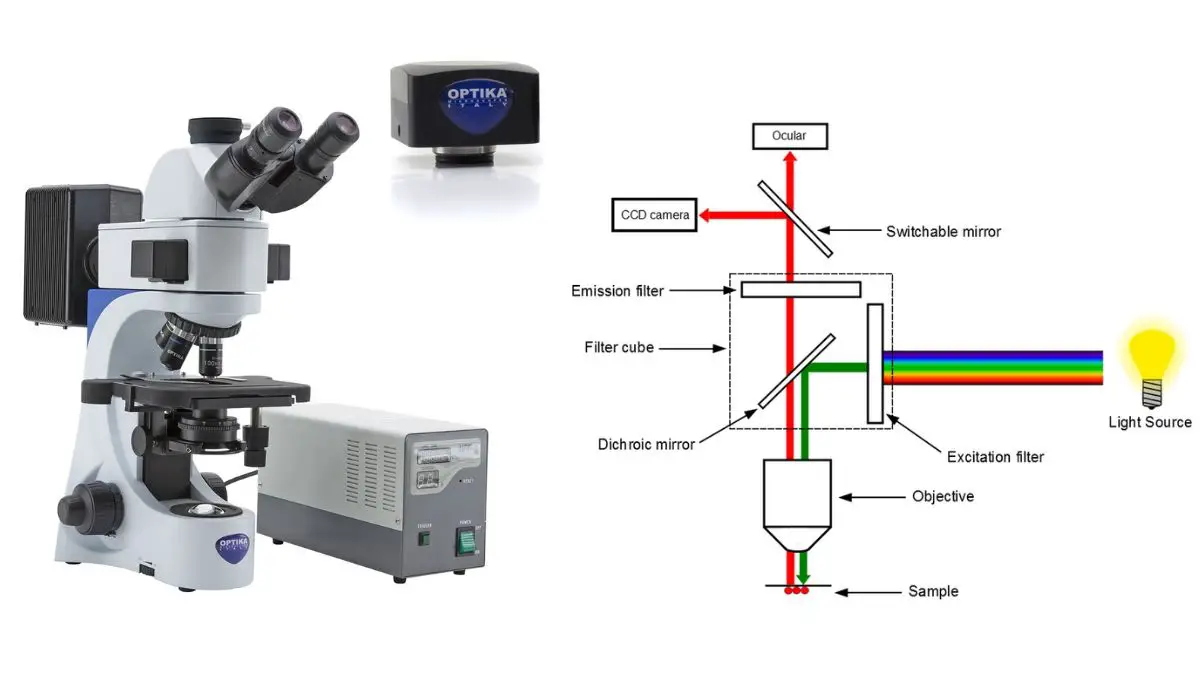
Fluorescence microscope is an advanced optical microscope that uses fluorescence for viewing the specimen. It produces a bright coloured image of the specimen in a dark background. It is mostly used for biological and chemical samples where a specific part of the sample is to be seen clearly. In this microscope, fluorescent dyes, proteins or … Read more
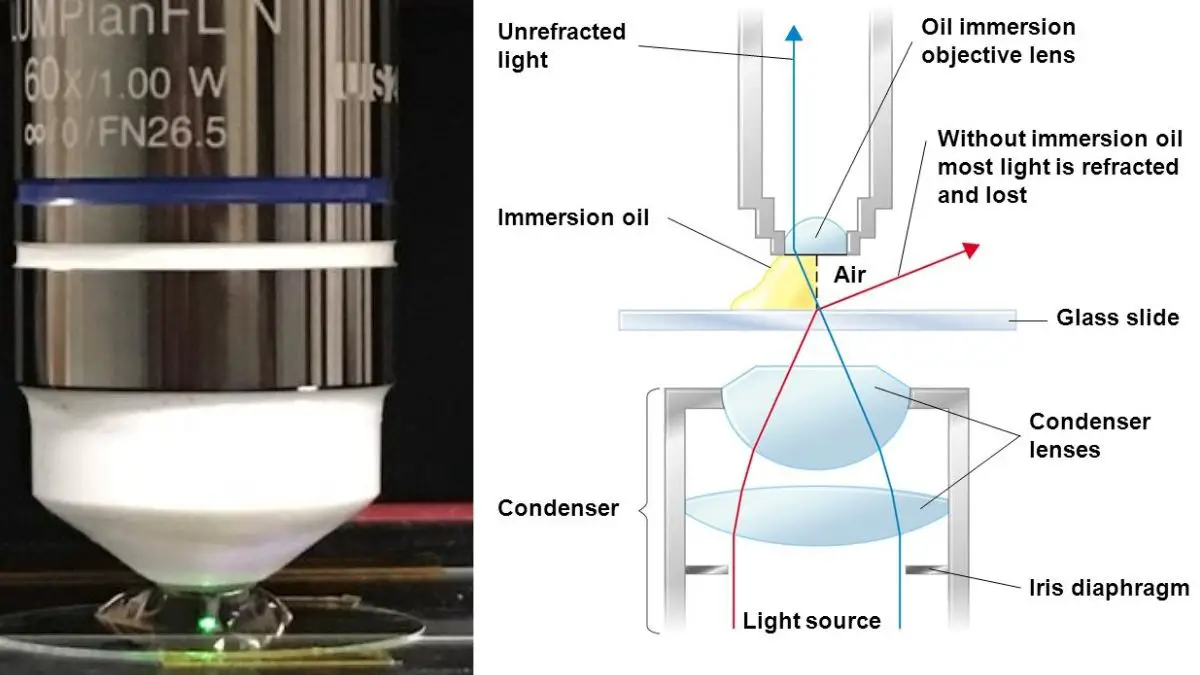
Oil immersion technique is a light microscopic technique used for increasing the resolving power of microscope at high magnification. In this technique, a special transparent oil is used between the cover glass and the objective lens. This oil is called immersion oil. It is mostly used with oil immersion objective lens. Normally, when light passes … Read more
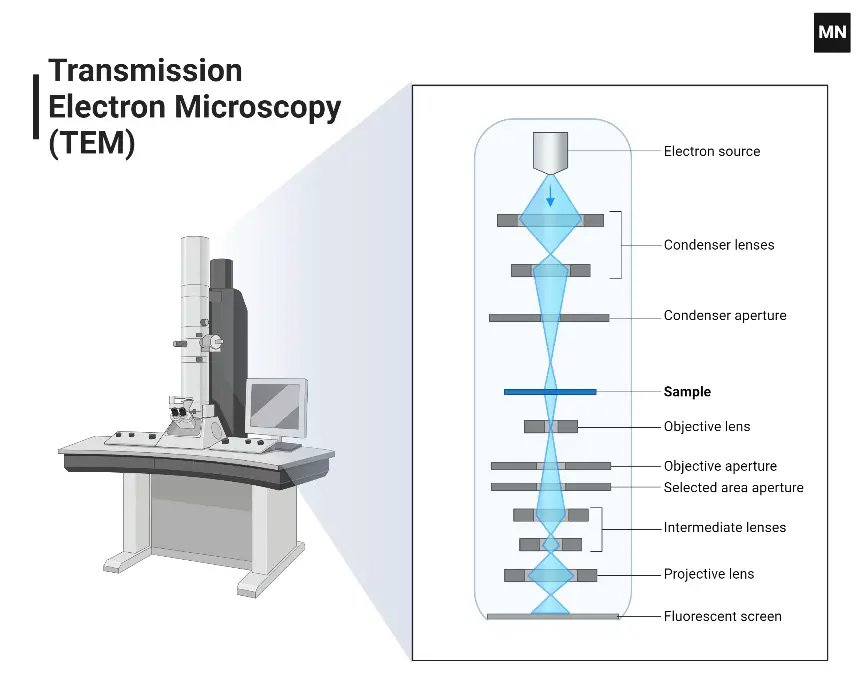
Transmission Electron Microscope (TEM) is an advanced analytical instrument used to visualize the internal structure of specimens. It uses highly energetic beam of electrons instead of light. It works under high vacuum condition. The electron gun produces electron beam. This beam is then focused and guided by a series of electromagnetic lenses. The specimen used … Read more
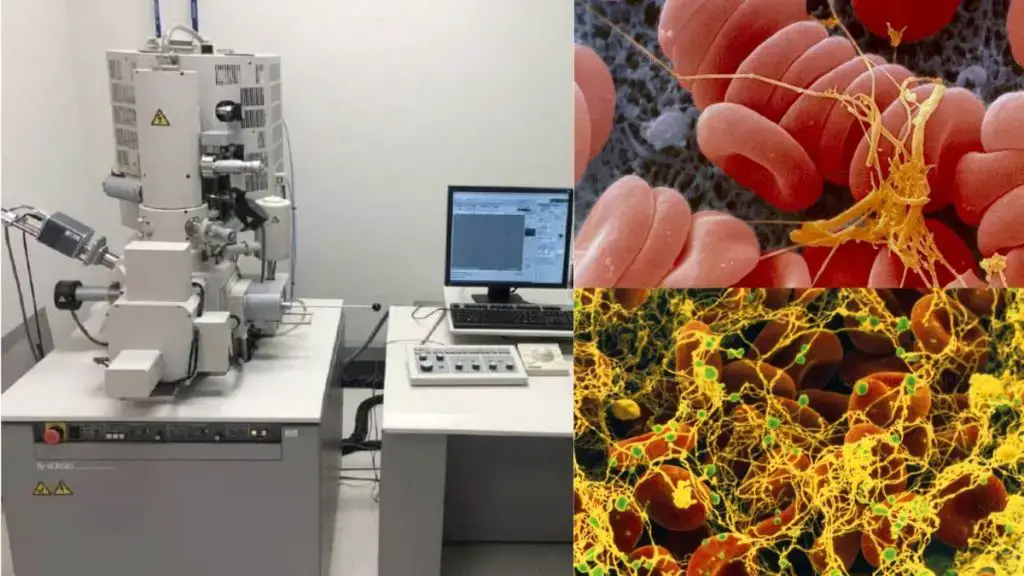
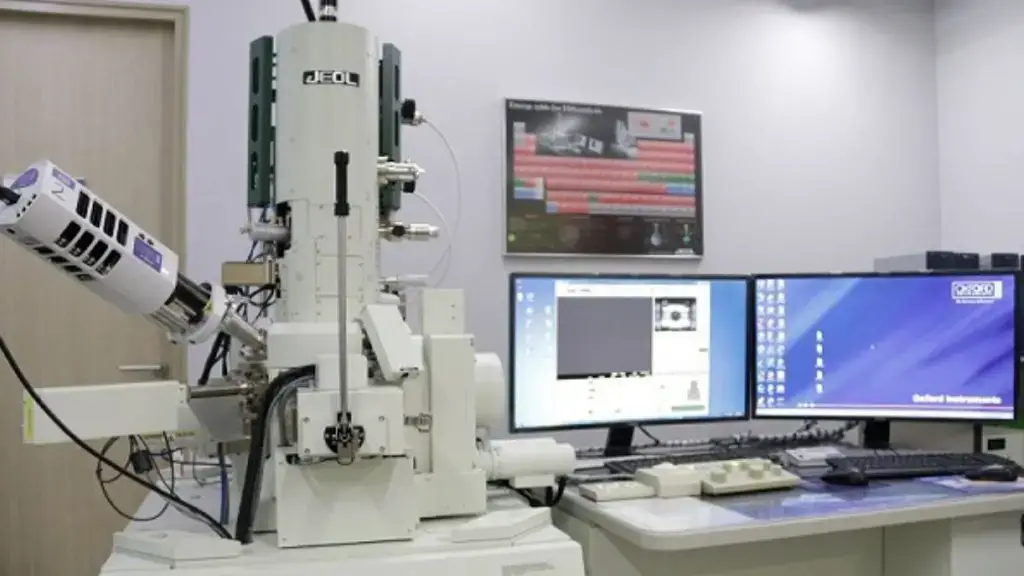
Scanning Electron Microscope (SEM) is an advanced magnifying instrument that is used to observe the surface of a sample by using focused beam of accelerated electrons. It does not use visible light for image formation. It uses electron beam because electrons have much shorter wavelength than light photons. So, SEM can produce image with very … Read more
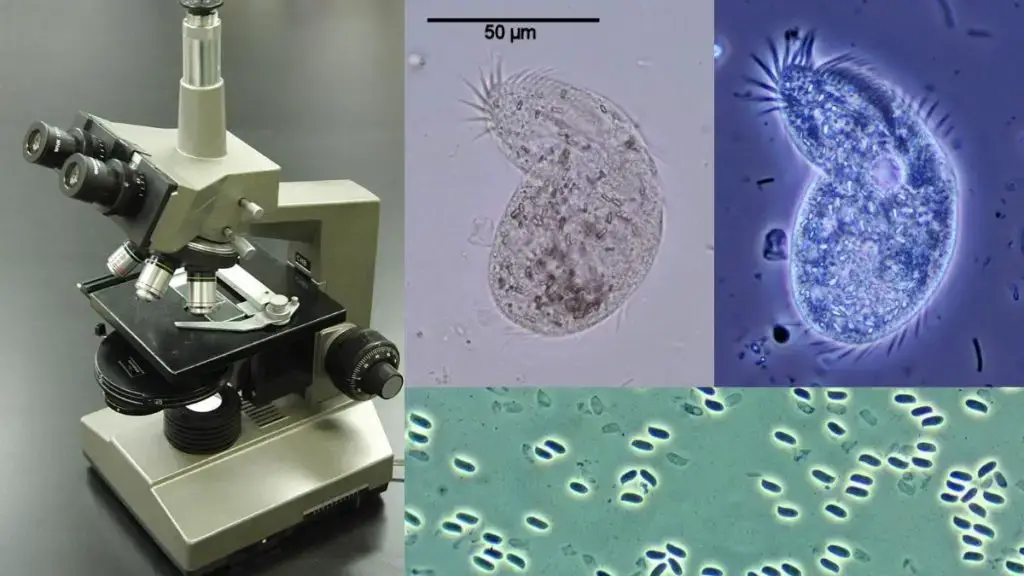
Phase contrast microscope is an optical microscope that is used to observe transparent and unstained living cells. It converts small phase changes of light into visible contrast. These phase changes are produced when light passes through the different parts of the specimen. It was developed by Frits Zernike in 1930s. This microscope is very useful … Read more
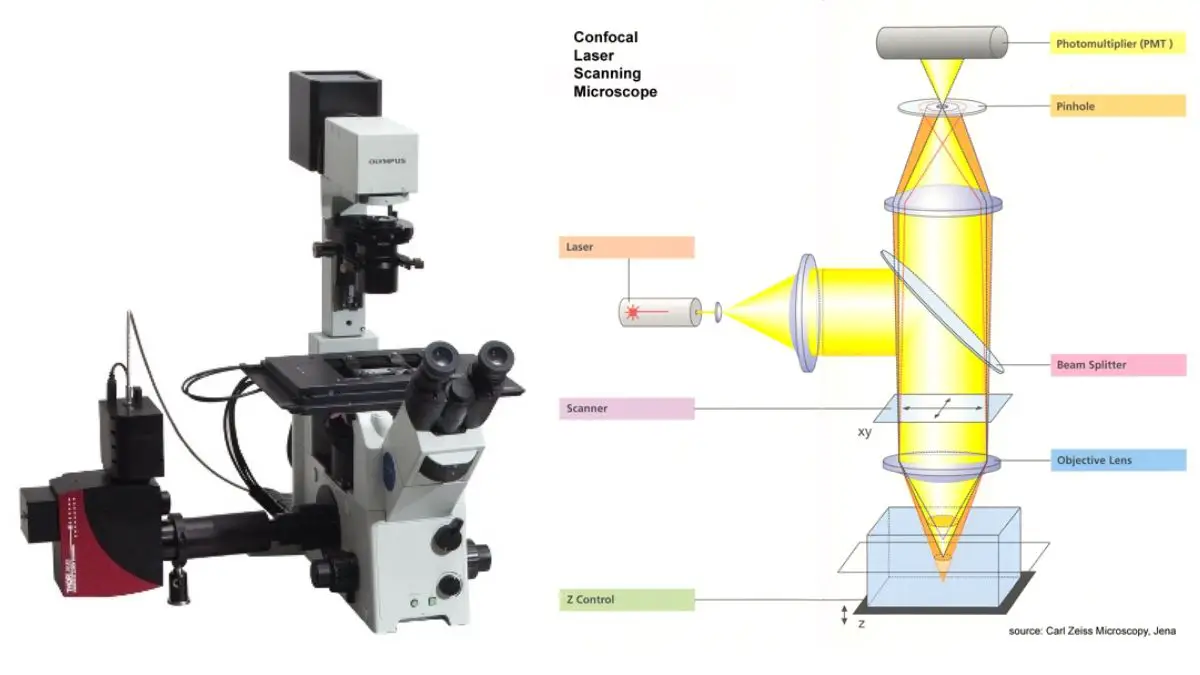
Confocal Microscope is an advanced optical microscope that is used to produce clear and sharp image by removing the out-of-focus light. It uses laser light to focus on a single point of the specimen. It gives better resolution and contrast than the ordinary light microscope. In confocal microscope, the light is not passed through the … Read more
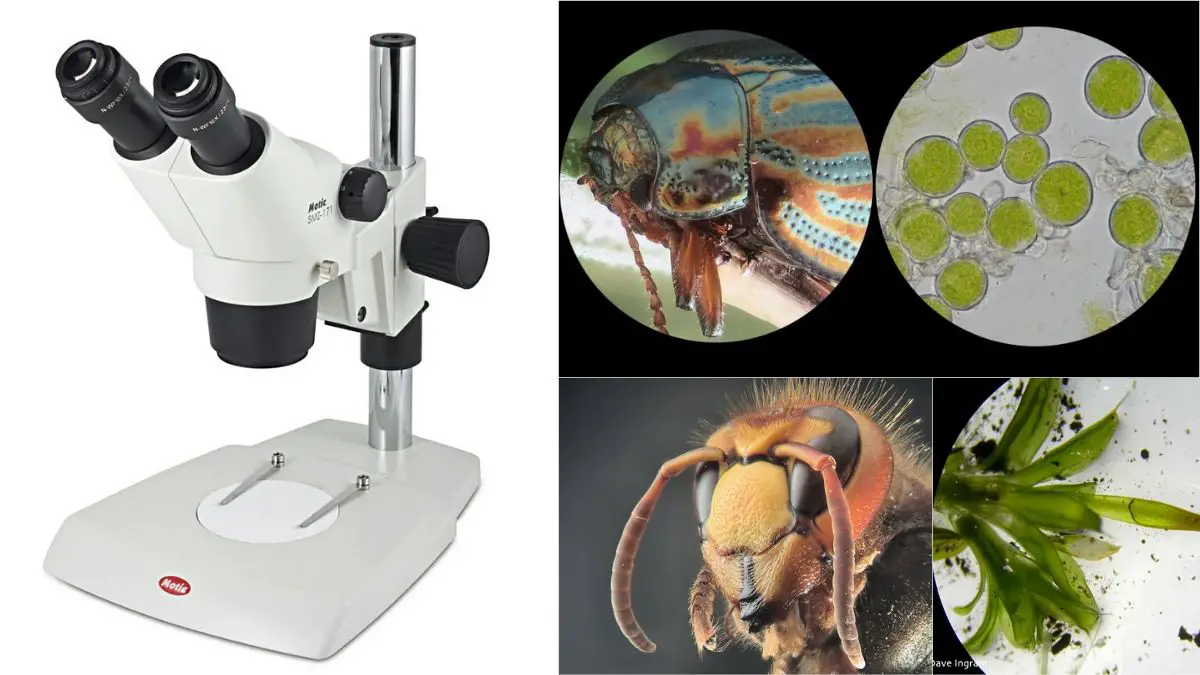
Stereo microscope is an optical microscope that is used to observe large, three dimensional and opaque specimens at low magnification. It is also called dissecting microscope. It gives a magnified image of the surface of the object by using reflected light. It is different from compound microscope because compound microscope uses transmitted light through thin … Read more
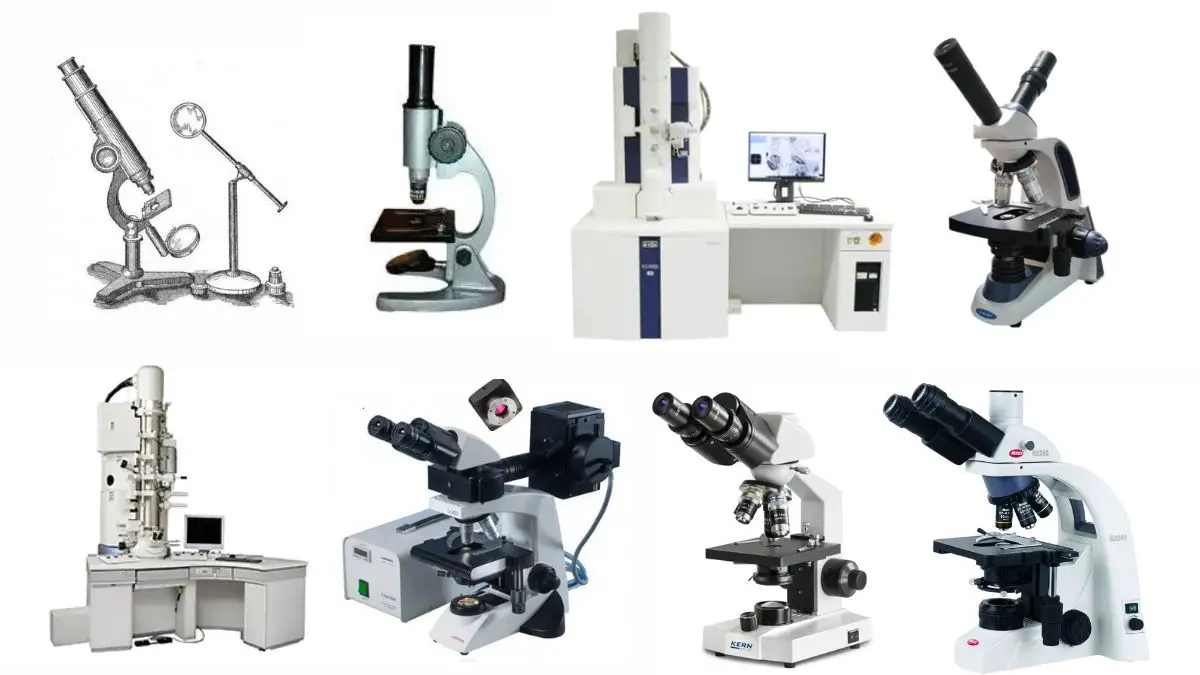
Microscope is an instrument that is used in science laboratories to visualize very minute objects, such as cells and microorganisms. It gives a contrasting image that is magnified, so the structures can be observed. The term microscope is derived from Greek words “mikrós” meaning “small” and “skópéō” meaning “look at”. Microscopes are made up of … Read more
Electron microscope is a high power microscope that uses a beam of accelerated electrons instead of visible light for illumination and image formation. Due to very short wavelength of electrons, it can overcome the diffraction limit of light microscope lenses. Hence, it gives very high resolving power and very high magnification as compared to compound … Read more
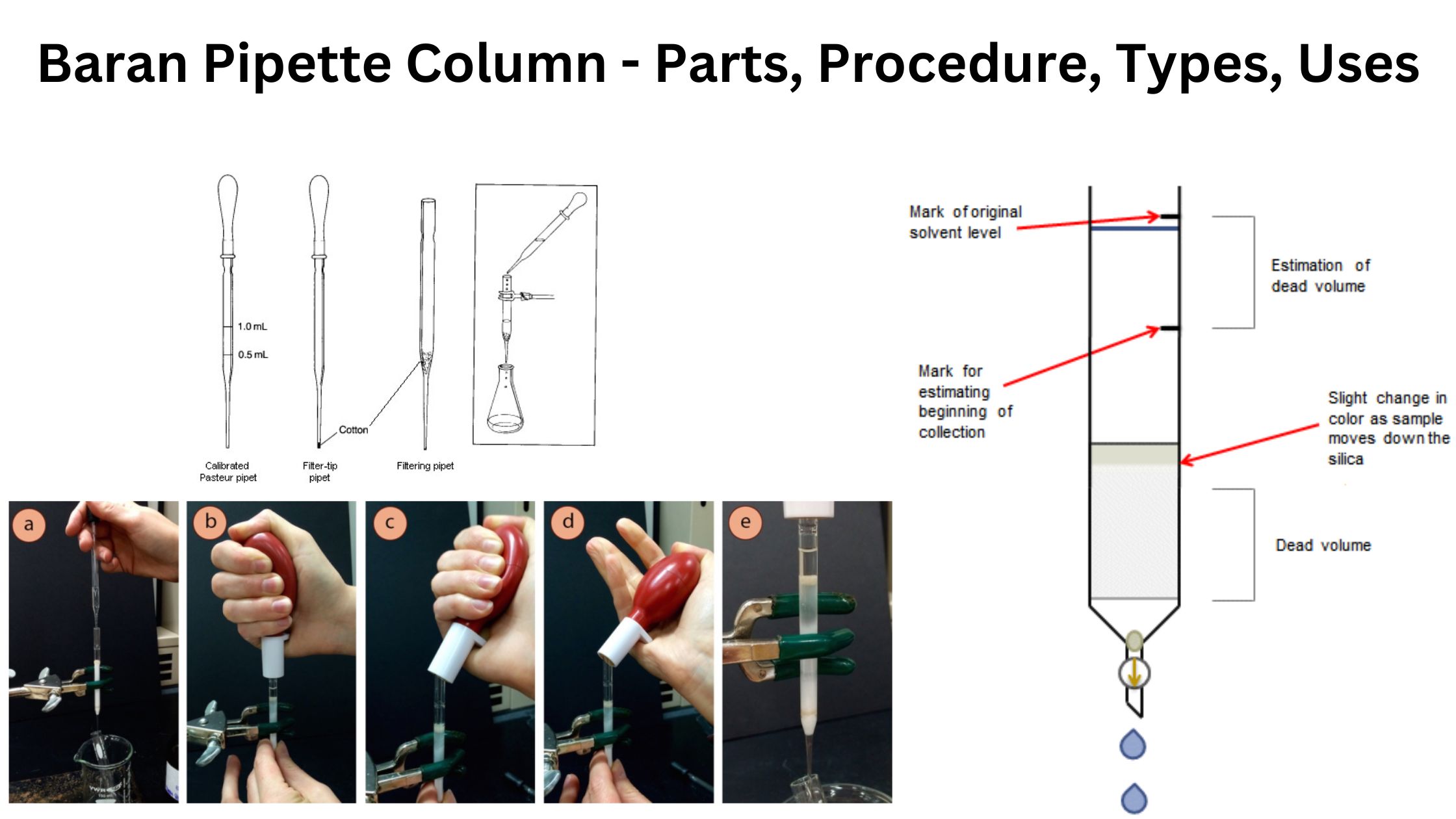
Baran pipette column is a microscale variation of flash chromatography which is used for rapid purification of small reaction mixtures. It is mainly used when the amount of sample is low, generally 10 to 500 mg. This method was designed by Baran laboratory for making purification faster and more efficient. It is based on the … Read more