Sourav Pan is the founder and sole author of Biology Notes Online. He holds a Bachelor of Science (B.Sc.) degree and an M.Sc. in Microbiology from the University of Calcutta. He creates educational resources covering microbiology, immunology, biotechnology, genetics, cell biology, botany, zoology, and other life-science subjects.
His goal is to make complex biological concepts easier to understand through well-structured, student-friendly articles based on academic textbooks, peer-reviewed research, and authoritative scientific sources. In addition to writing new content, he regularly reviews and updates articles to improve their accuracy, clarity, and educational value.
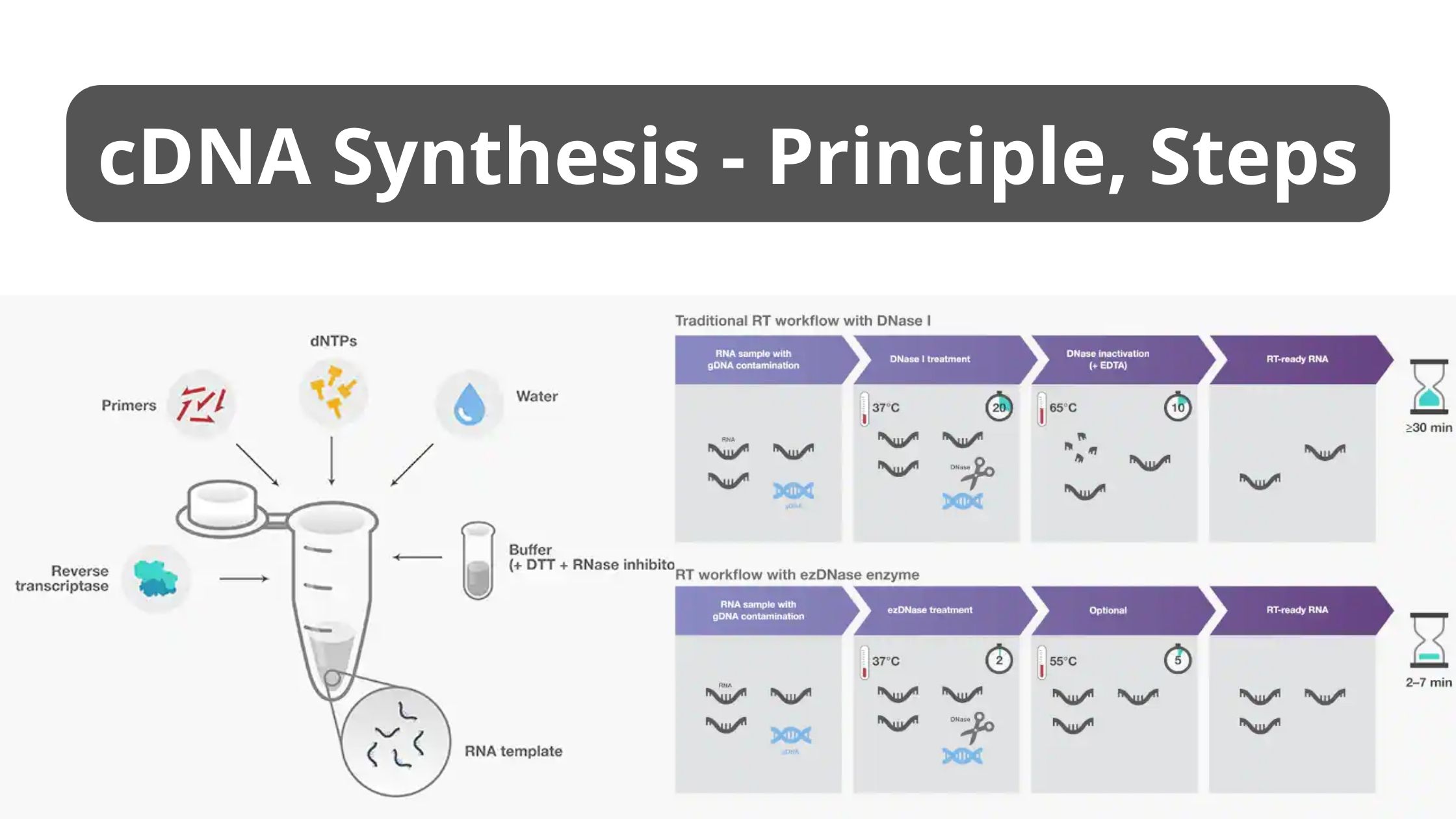
What is cDNA? cDNA synthesis principle cDNA synthesis steps There are different steps for synthesis of cdna such as; cDNA synthesis protocol 1. Prepare sample 2. Remove genomic DNA 3. Select reverse transcriptase Common reverse transcriptases and their attributes. AMV reverse transcriptase MMLV reverse transcriptase Engineered MMLV reverse transcriptase(e.g., Invitrogen SuperScript IV Reverse Transcriptase) RNase … Read more
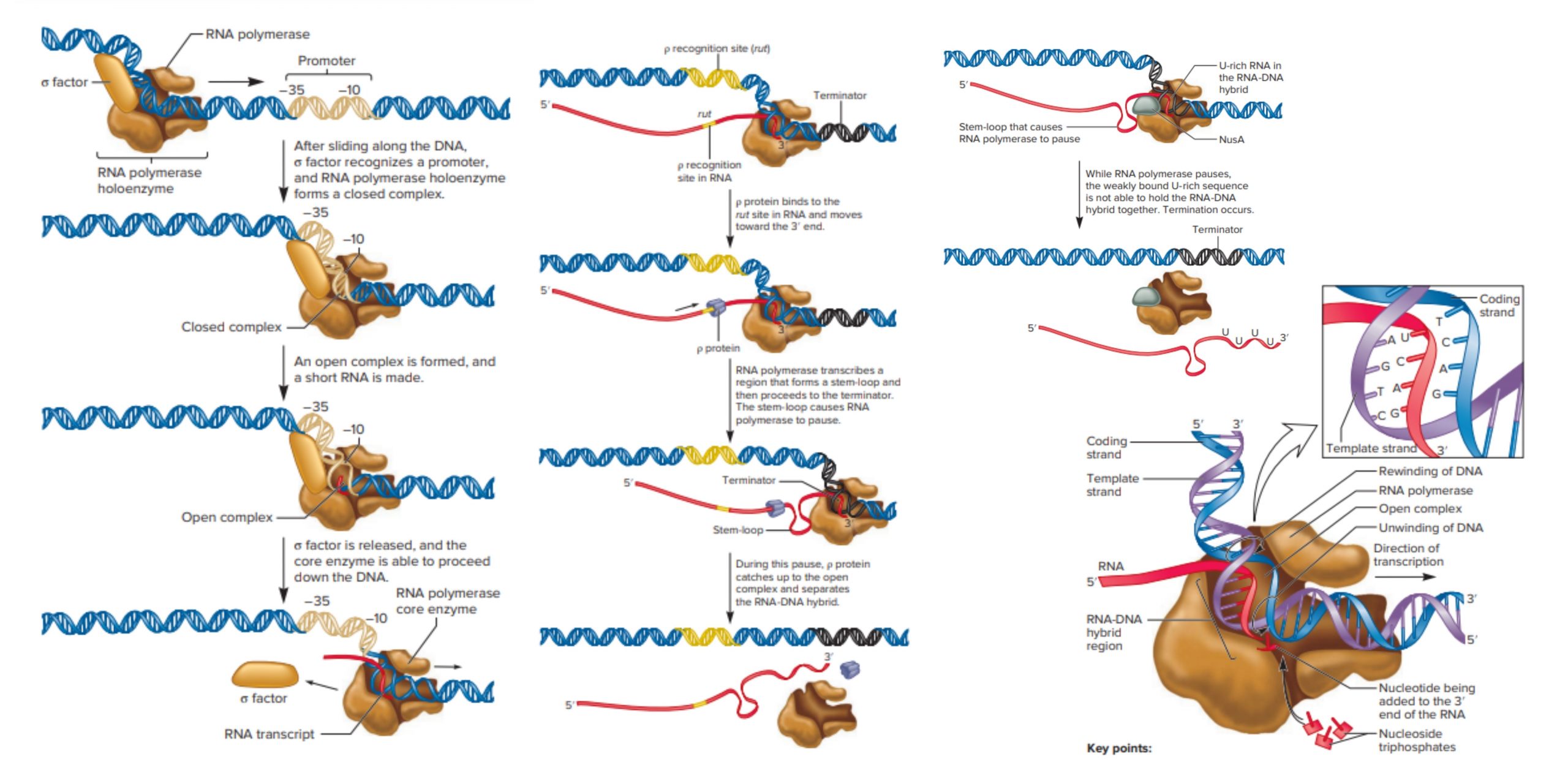
Transcription refers to the process in which the information contained in the DNA strand is transformed into a new messenger RNA molecule (mRNA). In prokaryotic cells, transcription occurs in three stages called the initiation, the elongation, and the termination.
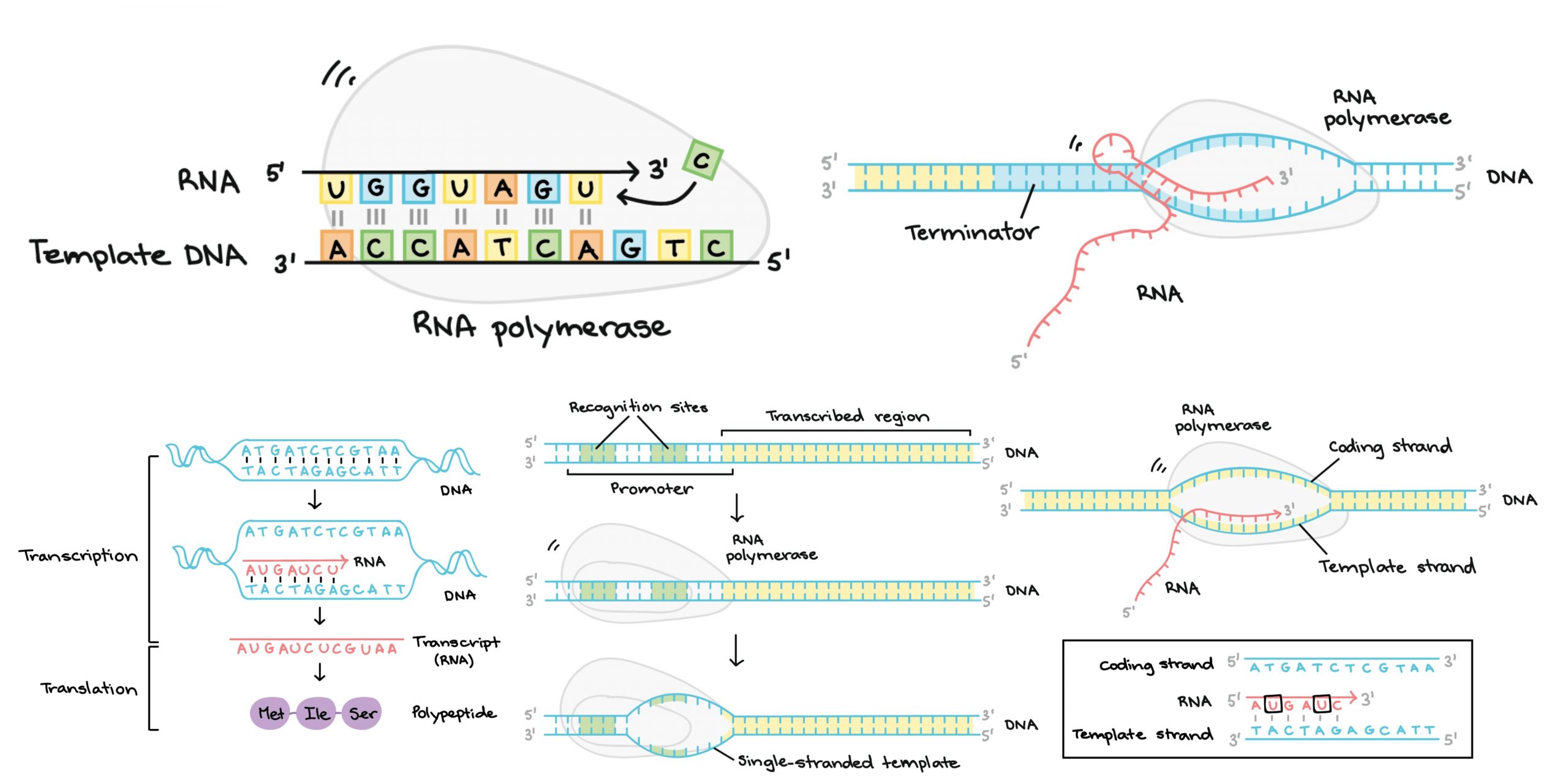
The process of DNA transcription also referred to as RNA synthesis , is the process where genetic information in DNA is transformed into messenger (mRNA) (mRNA) through an enzyme known as RNA polymerase.
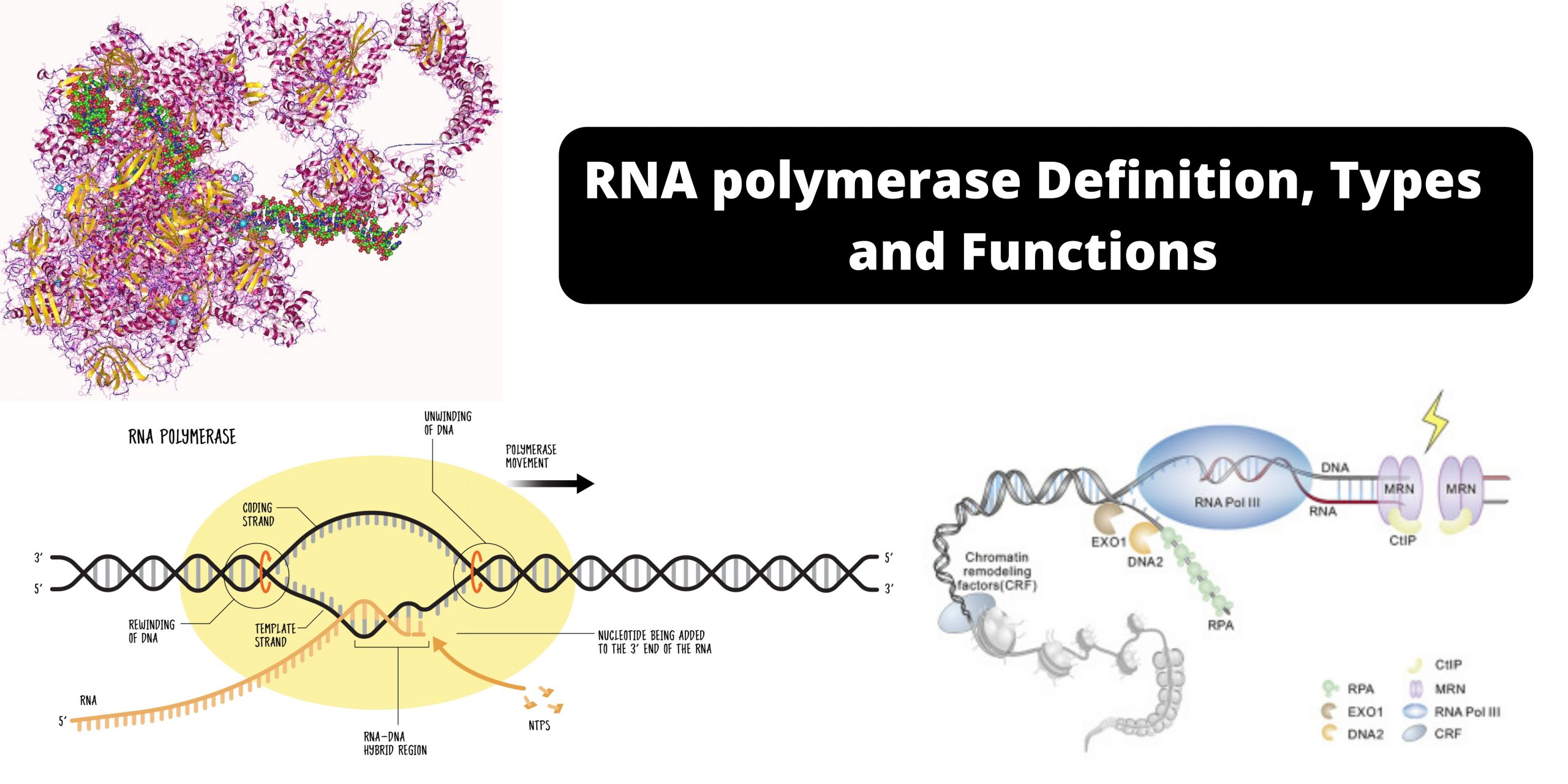
Ribonucleic acid (RNA) Polymerase (RNAP) enzyme is a multi-subunit enzyme which uses its function to catalyze the transcription process RNA produced from DNA template.
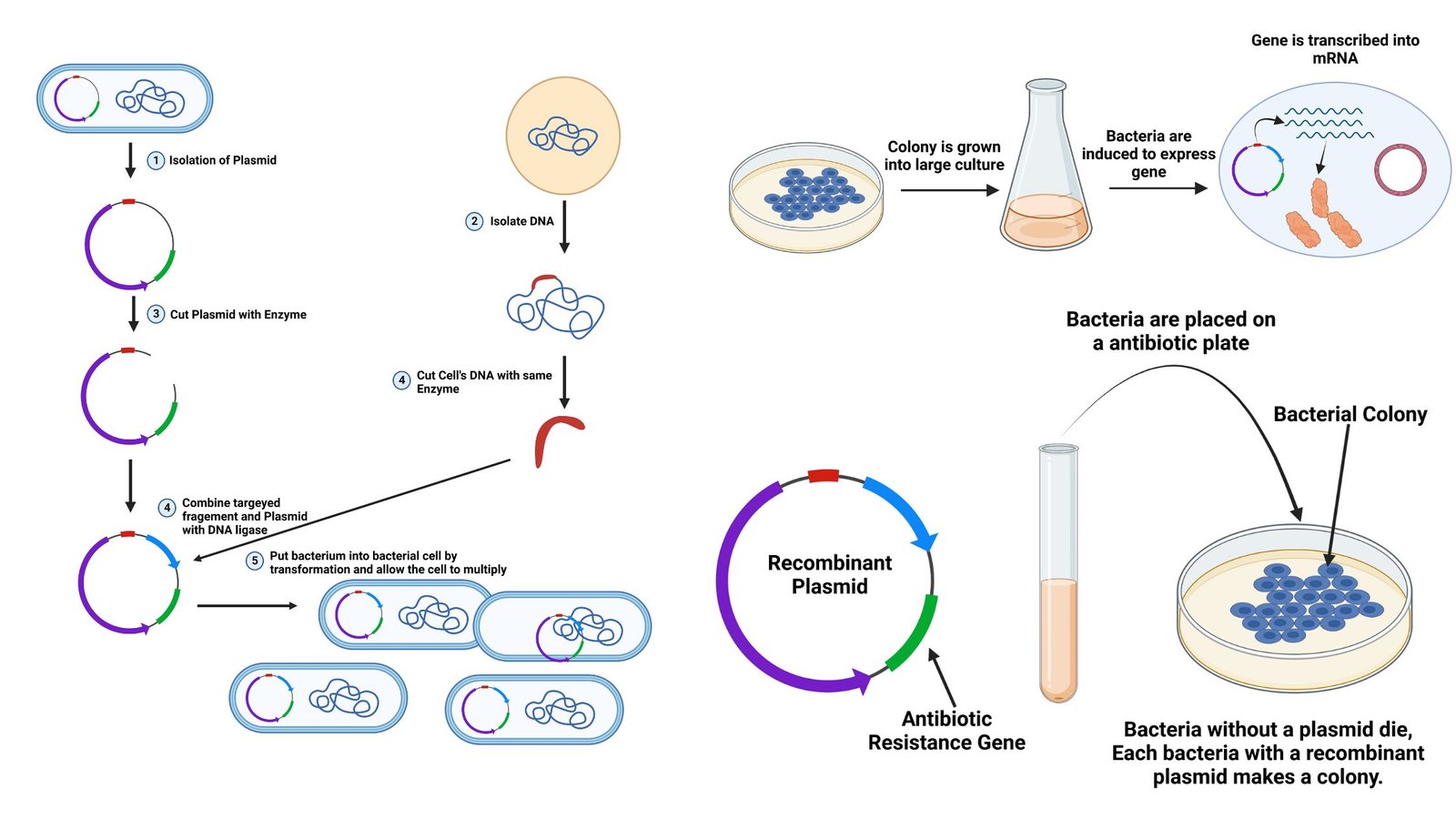
What is Gene cloning? “DNA Cloning” is a molecular biology technique that is utilized to create exact copies, or clones, of one particular gene or DN.” History of Gene cloning Principle of Gene Cloning Requirements for Gene Cloning Restriction Enzyme Digestion and Ligation Enzyme Source Recognition Sequence Restriction Digest EcoRI Escherichia coli 5’GAATTC3’CTTAAG 5′—G↓AATTC—3’3′—CTTAA↑G—5′ … Read more
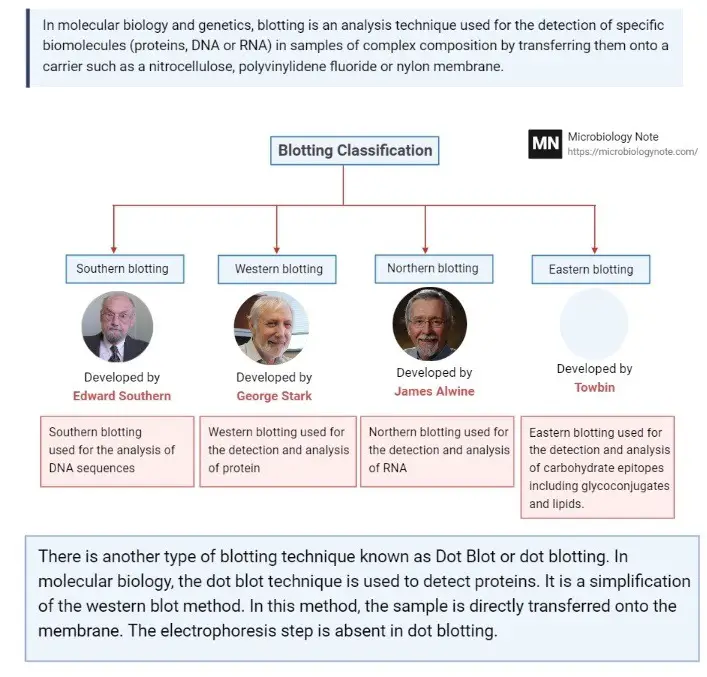
In molecular biology and genetics, blotting is an analysis technique used for the detection of specific biomolecules (proteins, DNA or RNA) in samples of complex composition by transferring them onto a carrier such as a nitrocellulose, polyvinylidene fluoride or nylon membrane.
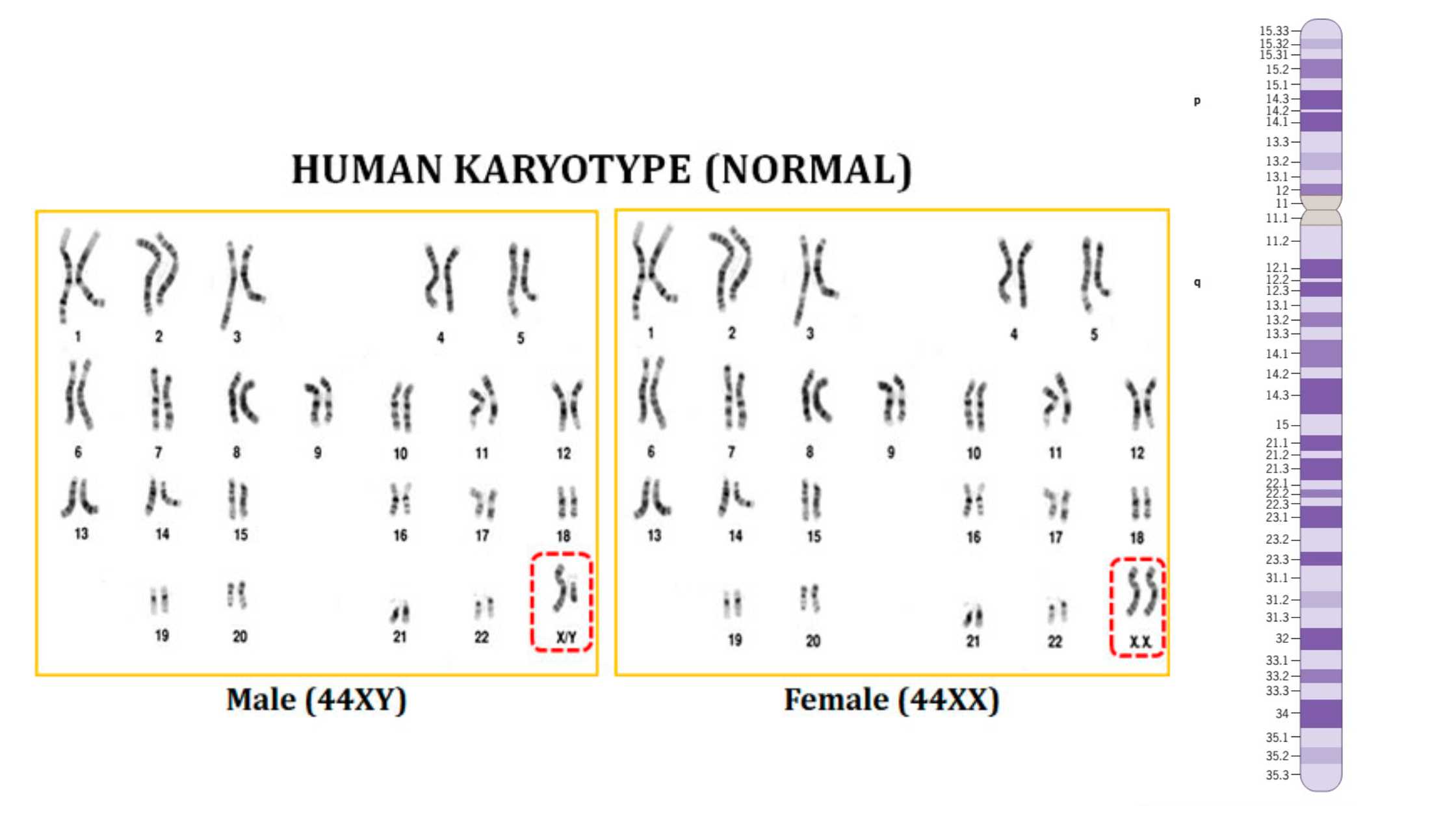
What is Karyotyping? Definition of Karyotyping Karyotyping is a laboratory technique used to visualize and analyze the number, size, and shape of chromosomes in an individual’s cells, aiding in the detection of genetic abnormalities and chromosomal disorders. What is Idiogram? An idiogram is a diagrammatic representation of a karyotype, which showcases all the morphological features … Read more
What is Chargaff’s Rules? Definition of Chargaff’s Rules Chargaff’s Rules are two fundamental principles discovered by biochemist Erwin Chargaff, which dictate the base pairing in DNA. The first rule states that in DNA, the amount of adenine (A) is equal to thymine (T), and the amount of cytosine (C) is equal to guanine (G). The … Read more
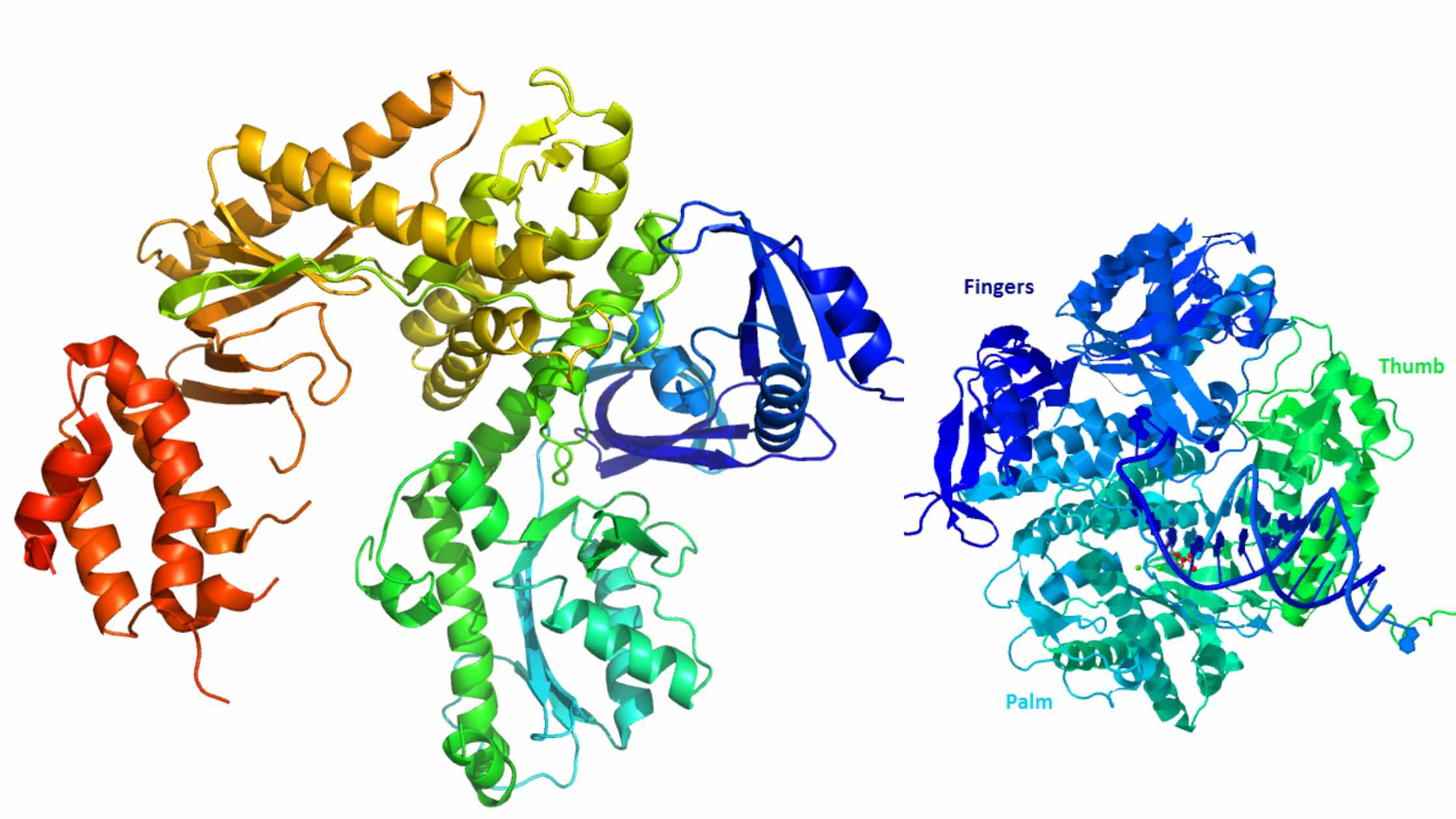
What is DNA polymerase II? Definition of DNA polymerase II DNA polymerase II (DNA Pol II) is a prokaryotic DNA-dependent DNA polymerase that primarily functions as a backup enzyme in DNA replication and repair processes. It belongs to the B family of DNA polymerases and possesses DNA synthesis and proofreading activities. Structure of DNA polymerase … Read more