Calcium in milk is measured by first releasing the calcium from milk matrix and then it is quantified by titration or instrumental method. In milk calcium are present in soluble form and also it is bound with casein complex so direct estimation without treatment is not accurate. The sample is prepared by mineralization in which
Determination of magnesium in milk is an analytical test in which total magnesium present in milk is released from milk matrix and then it is quantified by suitable method. Magnesium is an important macro mineral in milk and it is present around 90–150 mg/kg. It has structural role in stabilizing casein micelle and maintaining colloidal
Determination of phosphorus in milk is a biochemical test in which the total phosphorus present in milk is converted into inorganic orthophosphate and then it is measured by colour reaction. It is the process in which different form of phosphorus present in milk matrix are first released from organic matter and then it is estimated
What is the Litmus Milk Test? Litmus milk test is a differential biochemical procedure used in microbiology to evaluate metabolic capability of different bacteria. It is done by using a liquid medium containing skim milk and litmus. Skim milk provides lactose(milk sugar) and casein(milk protein) and litmus dye acts as pH indicator and oxidation–reduction indicator.
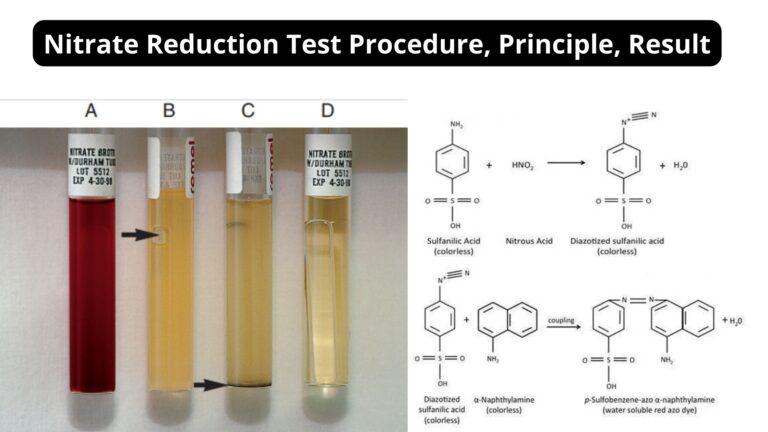
What is Nitrate Reduction Test? Nitrate reduction test is a biochemical test used to determine the ability of bacteria to reduce nitrate (NO₃⁻) into nitrite (NO₂⁻) or into other nitrogenous compounds such as ammonia or nitrogen gas. It is the process in which nitrate acts as a terminal electron acceptor during anaerobic respiration. This test
What is Hydrogen Sulfide (H2S) Test? The Hydrogen Sulfide (H2S) test is a routine biochemical method used in bacteriology, it is the process by which the capacity of a strain to produces hydrogen sulfide gas is detected in selective or differential media, this is referred to as an important aid for separating Salmonella and Proteus
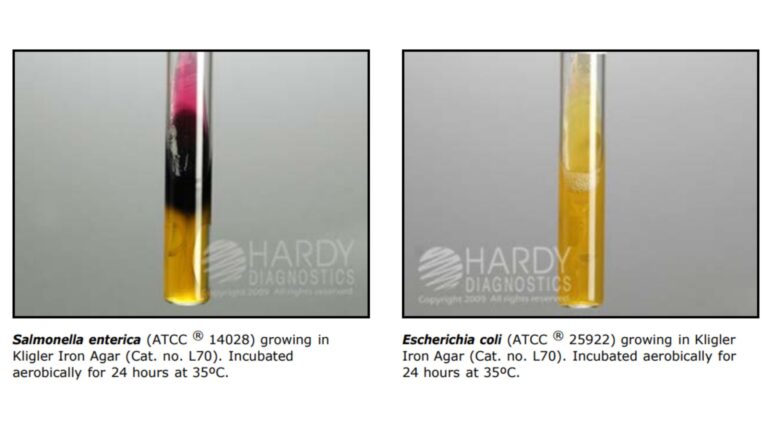
Kligler’s Iron Agar (KIA) is a special solid culture medium which is used in microbiology to grow and differentiate bacteria. It is prepared in a test tube and it is allowed to solidify in slant position, so two region is formed. The upper part is called slant and it is oxygen rich. The lower deep
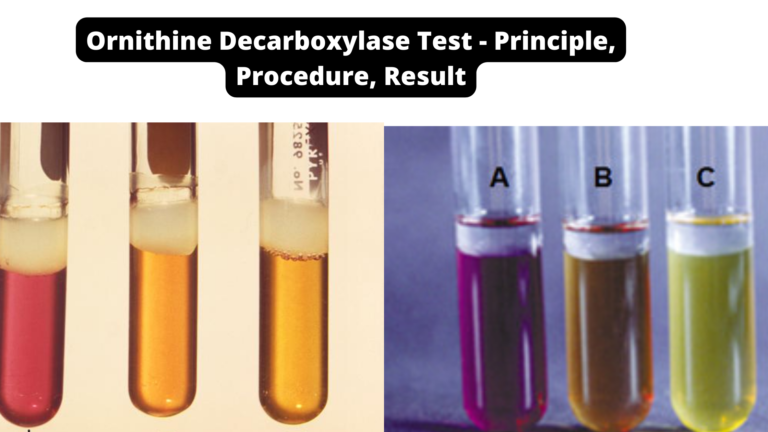
What is the ornithine decarboxylase test? Ornithine decarboxylase test is a biochemical test used for identification and differentiation of Gram-negative bacteria mainly Enterobacteriaceae family. It is used for differentiating closely related organisms like Klebsiella and Enterobacter species and also for identifying Proteus. It is the test in which microorganism ability is measured to produce enzyme
Acetate utilization test is a biochemical test used to determine the ability of an aerobic organism to use acetate as the sole source of carbon and energy. It is mainly employed in diagnostic microbiology for differentiation of Gram-negative bacteria especially members of Enterobacteriaceae family. This test is commonly used to differentiate Escherichia coli from Shigella
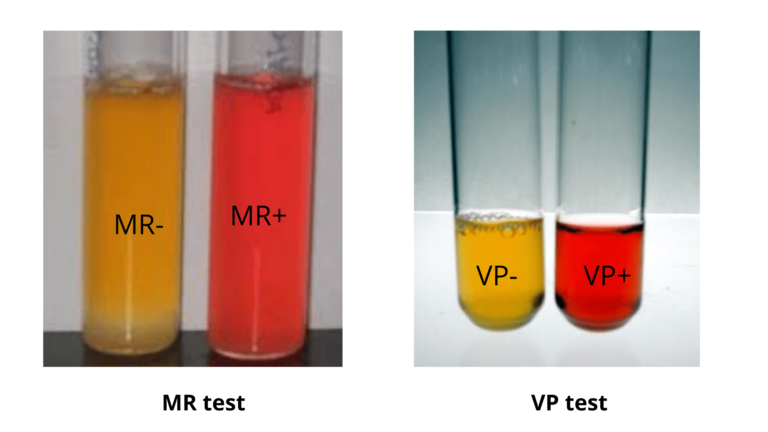
What is Methyl Red (MR) Test? The Methyl Red (MR) test is a biochemical test used in microbiology to identify and differentiate bacteria mainly among Enterobacteriaceae family. It is done to check the glucose fermentation pathway. It is used for detecting mixed-acid fermentation which produces stable acidic end products. In this test the organism is