A ribonucleoprotein known as telomerase, terminal transferase adds a repeat sequence of telomeres to the 3′ end of chromosomes, the length of which varies depending on species. In most eukaryotic organisms, the chromosomal ends are capped by a repeating sequence known as a telomere. Telomeres prevent DNA damage and chromosomal fusion at the chromosome’s end.
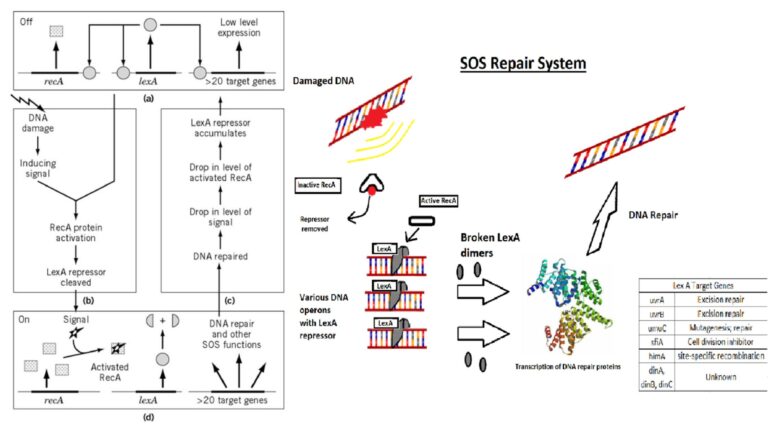
What is SOS Response or SOS Repair? Definition of SOS Response or SOS Repair The SOS response or SOS repair is a cellular mechanism activated in response to DNA damage, where the cell cycle is temporarily halted to facilitate DNA repair and mutagenesis. Central to this system is the RecA protein, which, when stimulated by
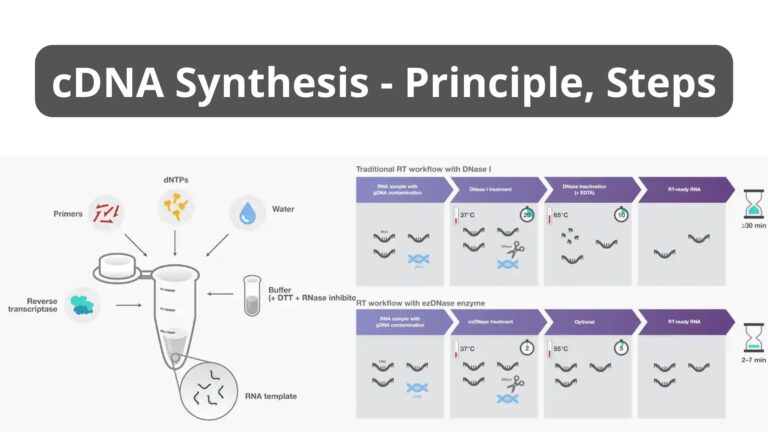
What is cDNA? cDNA synthesis principle cDNA synthesis steps There are different steps for synthesis of cdna such as; cDNA synthesis protocol 1. Prepare sample 2. Remove genomic DNA 3. Select reverse transcriptase Common reverse transcriptases and their attributes. AMV reverse transcriptase MMLV reverse transcriptase Engineered MMLV reverse transcriptase(e.g., Invitrogen SuperScript IV Reverse Transcriptase) RNase
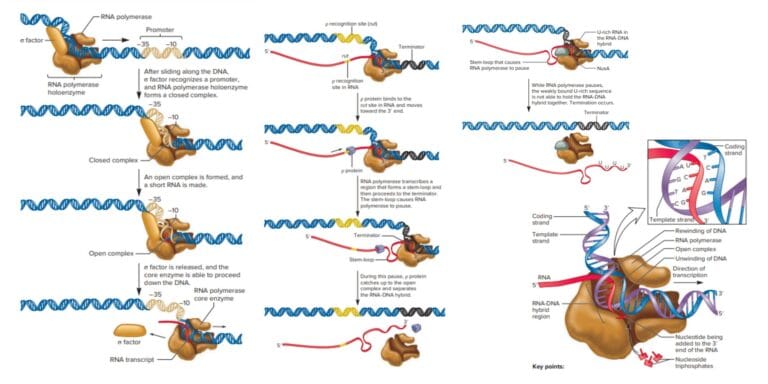
Transcription refers to the process in which the information contained in the DNA strand is transformed into a new messenger RNA molecule (mRNA). In prokaryotic cells, transcription occurs in three stages called the initiation, the elongation, and the termination.
The process of DNA transcription also referred to as RNA synthesis , is the process where genetic information in DNA is transformed into messenger (mRNA) (mRNA) through an enzyme known as RNA polymerase.
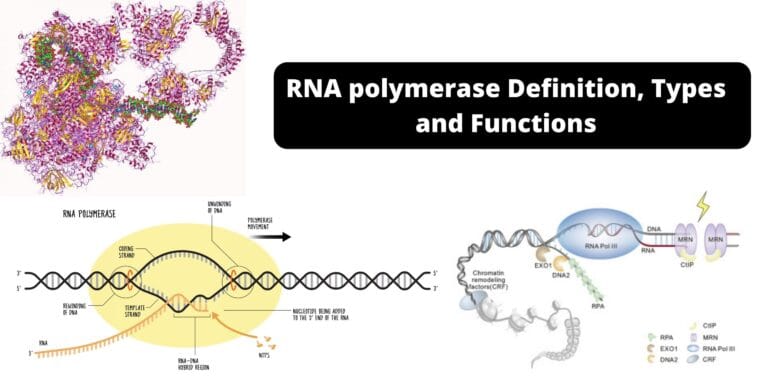
Ribonucleic acid (RNA) Polymerase (RNAP) enzyme is a multi-subunit enzyme which uses its function to catalyze the transcription process RNA produced from DNA template.
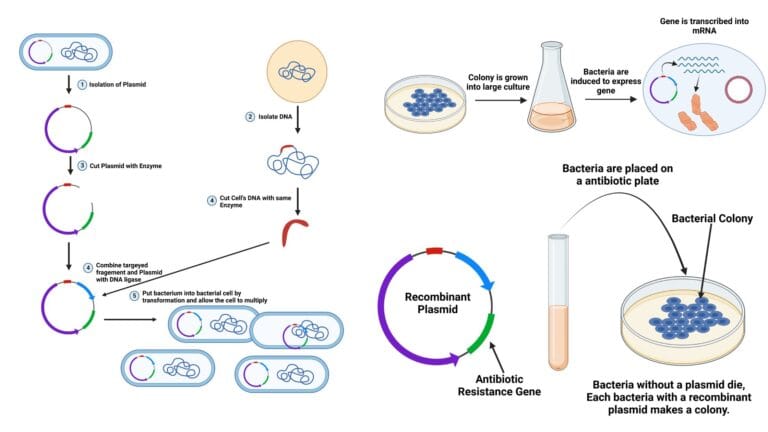
What is Gene cloning? “DNA Cloning” is a molecular biology technique that is utilized to create exact copies, or clones, of one particular gene or DN.” History of Gene cloning Principle of Gene Cloning Requirements for Gene Cloning Restriction Enzyme Digestion and Ligation Enzyme Source Recognition Sequence Restriction Digest EcoRI Escherichia coli 5’GAATTC3’CTTAAG 5′—G↓AATTC—3’3′—CTTAA↑G—5′
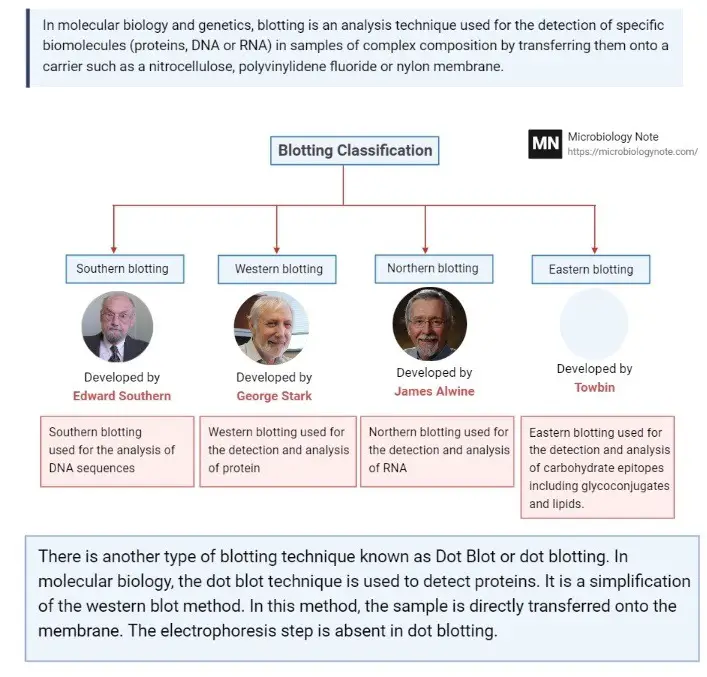
In molecular biology and genetics, blotting is an analysis technique used for the detection of specific biomolecules (proteins, DNA or RNA) in samples of complex composition by transferring them onto a carrier such as a nitrocellulose, polyvinylidene fluoride or nylon membrane.
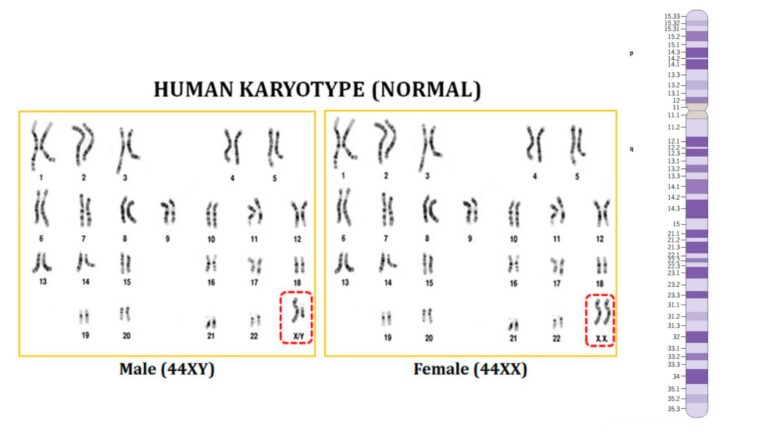
What is Karyotyping? Definition of Karyotyping Karyotyping is a laboratory technique used to visualize and analyze the number, size, and shape of chromosomes in an individual’s cells, aiding in the detection of genetic abnormalities and chromosomal disorders. What is Idiogram? An idiogram is a diagrammatic representation of a karyotype, which showcases all the morphological features