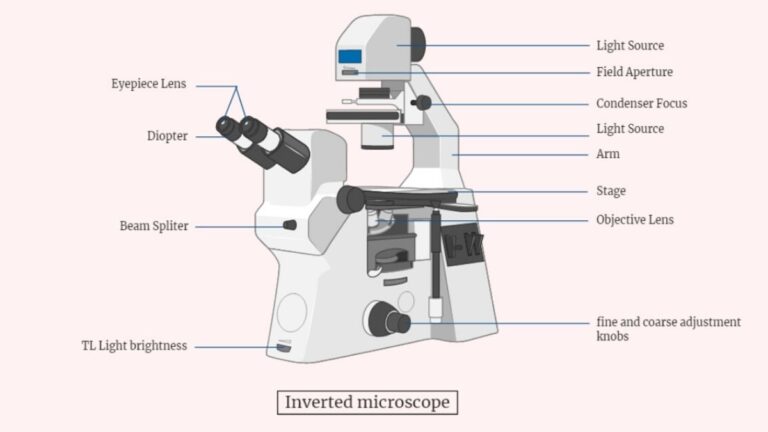
What is an Inverted Microscope? An inverted microscope is literally an inverted microscope. The lights and lenses are positioned above the specimen stage and the objective lenses are below. This allows the user to critically observe the samples from below; this is important because many living specimens and cells to be observed are in petri
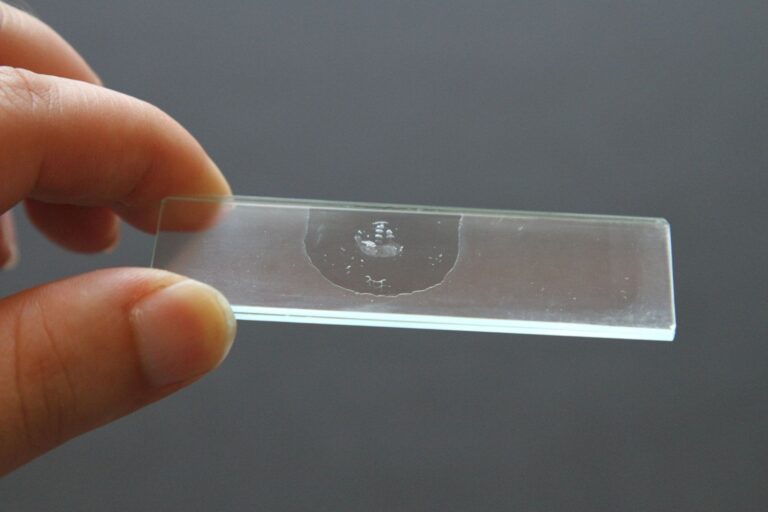
Objects are magnified under compound microscopes are mounted onto microscope slides. Made from plastic or glass Slides measure approximately 1×3 inches in size and range from 1mm-1.2 millimeters thick.
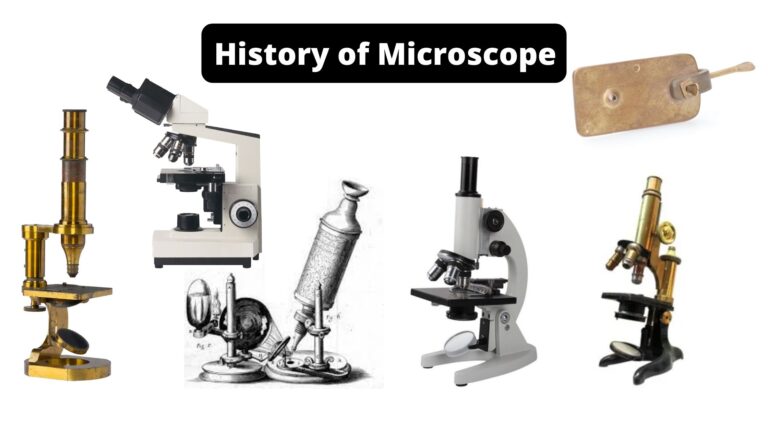
Microscopes have been around for the ages. Roman philosophers had mentioned “burning glass” within their works. However, the first microscope of this type was not invented until the 1300’s. Two lenses were set on opposite sides of the tube. This tube of magnifying power was the basis for our modern-day microscope.
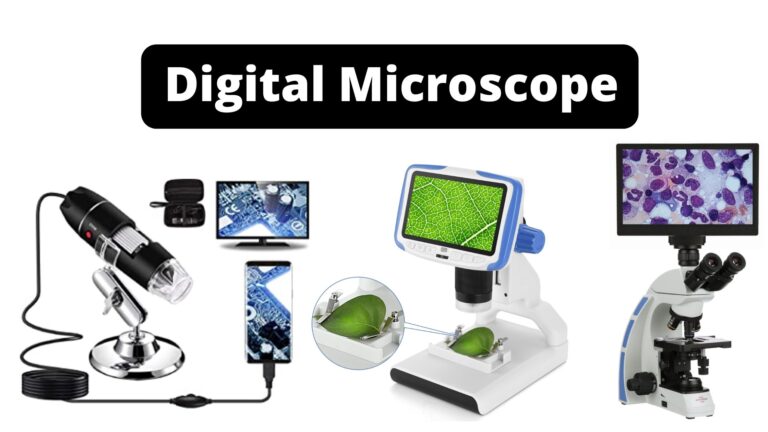
Digital microscopes are modern microscope which does not have an eyepiece. This is a huge contrast from an optical microscope. Digital microscopes have an electronic camera that acts as the detector as well as the imaging output gadget. It displays the images takes place via a computer’s screen or monitor, which defines the scope of the microscope’s digital.
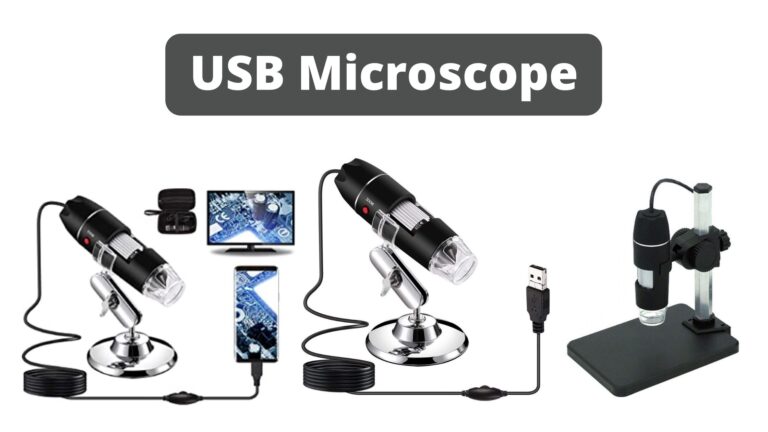
This is a form of digital Microscope which is connected to a computer using an USB port. It operates on low power. The camera is fitted with a powerful macro lens. Additionally, they have an integrated LED light that is built into the lens.
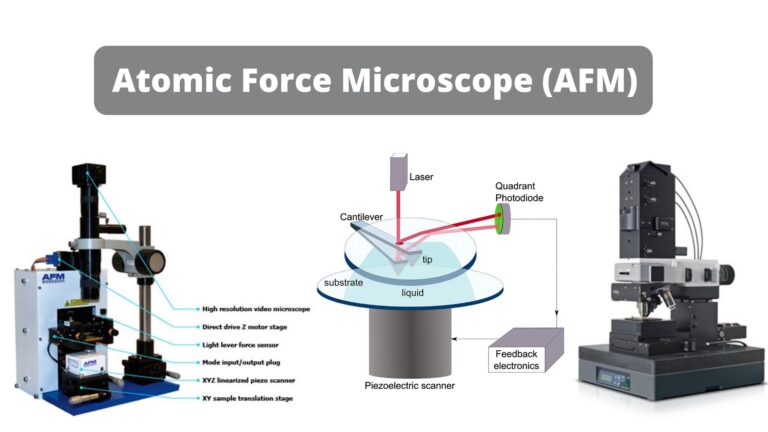
The AFM, also known as the atomic force microscope (AFM) is a sort scanner probe. Its principal functions include measuring characteristics like height, magnetism and friction.
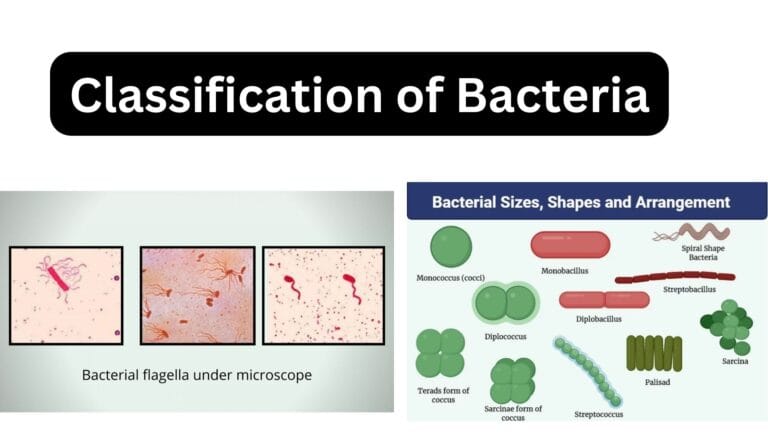
Little, single-celled creatures living practically everywhere are bacteria. They’re prokaryotic, meaning they lack a real nucleus. They differ from eukaryotic cells in that they lack membrane-bound organelles. Shapes vary; spherical (cocci), rod-like (bacilli), spiral (spirilla), or comma-shaped (vibrios). Their survival in hostile environments depends on this diversity. Some twist like corkscrews, designated as spirochaetes. There
What is Semiconductor Sequencing? Semiconductor sequencing is the integration of microchip technology with DNA sequencing where electrical signals replace the detection of light. This sequencing method is unique because it uses complementary metal-oxide semiconductor chips associated with sequencing by synthesis chemistry; so, in this respect, it opens up opportunities to make DNA analysis quicker and
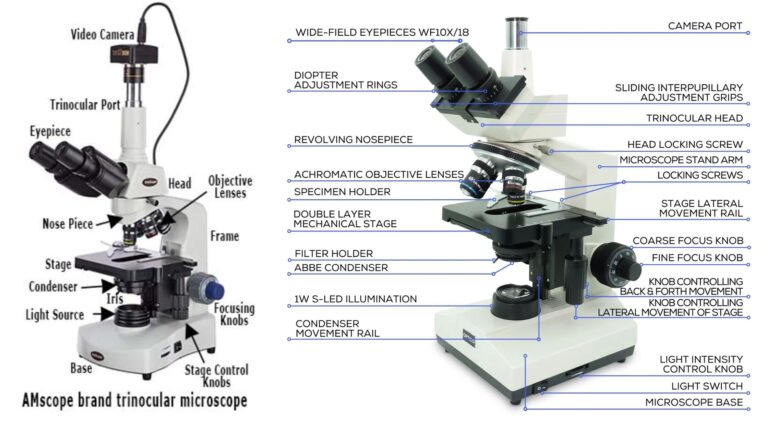
A trinocular microscope can define as a specialized Light-Microscopy instrument that adds a third optical tube for imaging or recording purpose’s, and this design is widely used in laboratory Observation’s where detailed visualization of micro-structures are needed. It is important to note that the three-tube arrangement give’s a look into how researchers try to observe
Rickettsia is a small, Gram-negative, obligately intracellular bacterium. It is the organism which can grow and multiply only inside the living host cell. It is highly specialized bacteria showing extreme genomic reduction. Due to this, many metabolic pathways are absent and the bacteria is unable to synthesize its own energy. It depends on the host