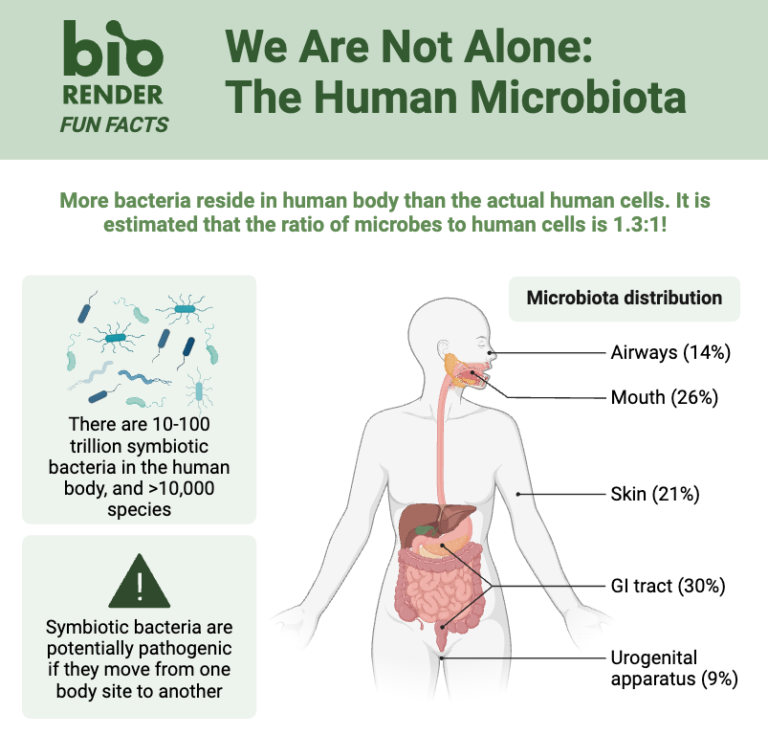
The human body is home to trillions of tiny organisms, like bacteria, fungi, and viruses, that live on the skin, in the mouth, gut, and other areas. This community of microbes is called the human microbiome. Most of these organisms aren’t harmful—in fact, many are essential for health. They help digest food, produce vitamins, and even
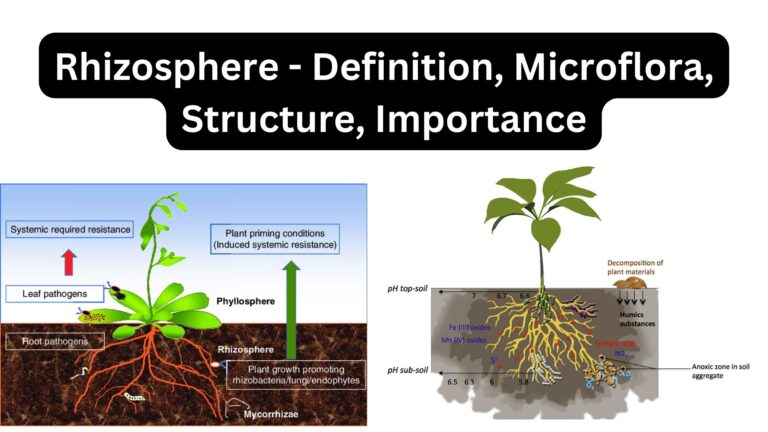
What is Rhizosphere? The rhizosphere is the small area of soil around plant roots that is directly affected by root secretions and the microbes that live there. Usually goes about one millimeter from the root surface and includes soil that sticks to the roots and can be easily shook off. Root exudates and rhizodeposition: Roots
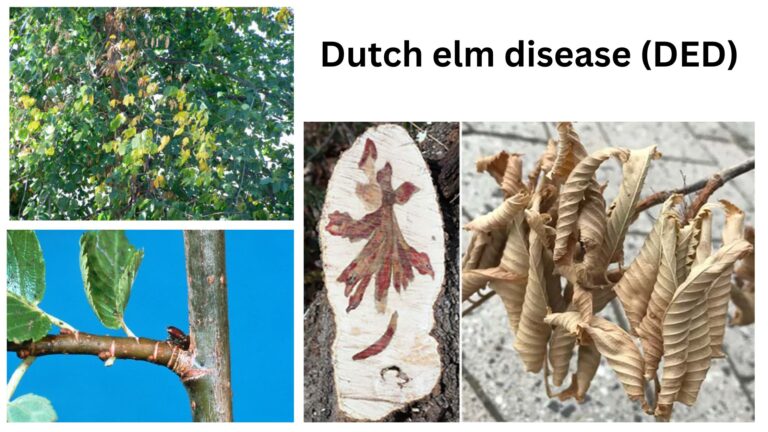
What is Dutch elm disease (DED)? A deadly fungal disease that infects elm trees and stops water from flowing through their vessels, causing them to wilt and die. The main cause is Ophiostoma ulmi and Ophiostoma novo-ulmi. Dutch phytopathologists Schwarz and Buisman found it in the Netherlands in the early 1920s. It was brought to
What is Fusarium Wilt? Fusarium wilt is a prevalent soil-borne fungal affliction produced by Fusarium oxysporum, affecting various plants such as tomatoes, bananas, cucumbers, and beans, resulting in progressive wilting and eventual plant mortality. Causative Agent of Fusarium Wilt Primary causal organism – Fusarium oxysporum is the dominant species responsible for Fusarium wilt across diverse
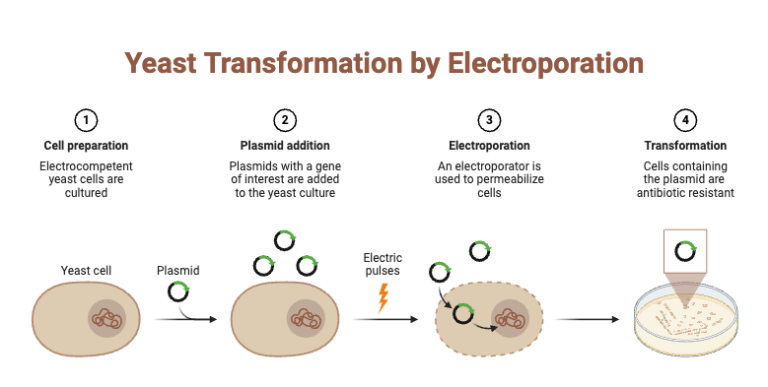
What is Electroporation? Electroporation is a fascinating technique that temporarily makes cell membranes more permeable by applying brief electric pulses. This method, widely used in labs and medical settings, allows substances like DNA, drugs, or proteins to enter cells by creating tiny pores in the membrane. Imagine zapping cells with a controlled jolt of electricity—this
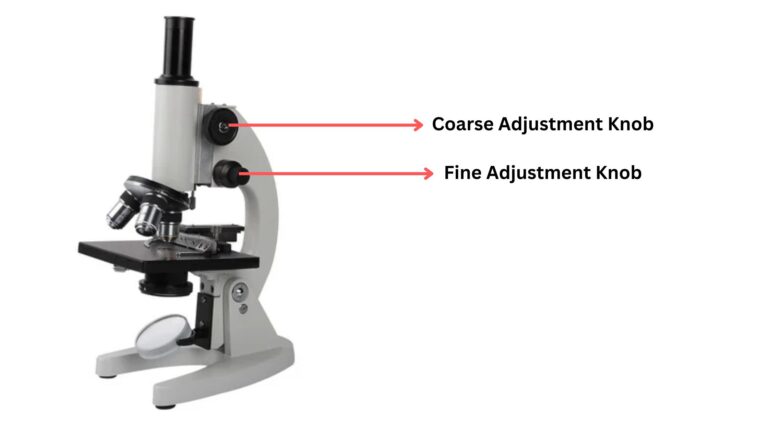
What is Fine Adjustment Knob? Particularly in high magnification levels, the fine adjustment knob is an essential part of a microscope as it helps to achieve exact and crisp focus. Particularly in the study of cells, microscopes are essential instruments in scientific inquiry as they let us view objects beyond our human sight. Under a
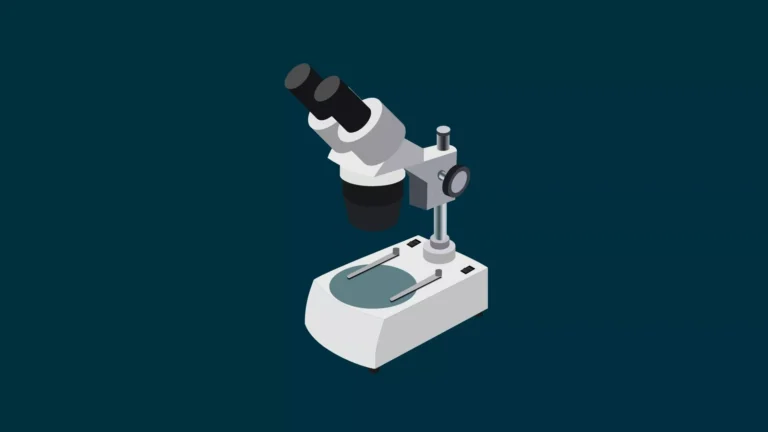
It is designed in a way that is compact and portable which is why it’s called a pocket’. They’re pocket-sized however some are bigger. Their size is not enough to be able to hold a mirror in order to put the image in the proper place. However, they contain a small stage where one can place an object to observe. They’re portable so that they can be utilized by both professionals and amateurs according to the task they’re designed to fulfill.
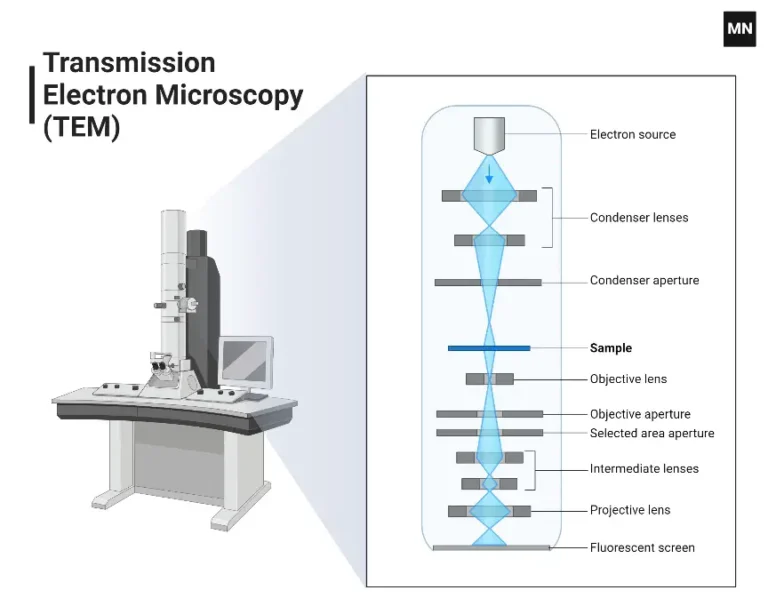
What is transmission electron microscope? A transmission electron microscope (TEM) is an electron microscope that transmits electrons through a sample to observe it. Scientists use transmission electron microscopes to analyze materials and examine their microstructural and compositional properties. A transmission electron microscope transmits a highly focused beam of electrons through a sample to observe and
This reflects the seemingly marvelous developments that have occurred from the history of microbiology to the present day. Advances in technology and subsequent research in the field over the years have meant that once we learned how to study these tiny creatures, we only grew in appreciation for these vital little agents. But in 1590,
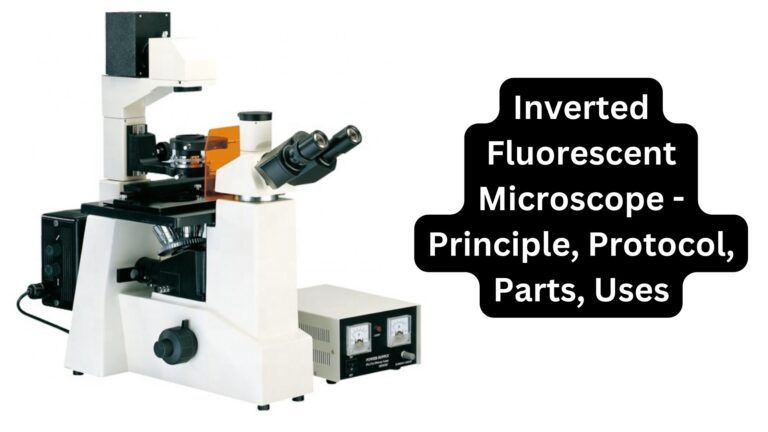
What is Inverted Fluorescent Microscope? Ever peeked into the world of living cells? Scientists use a nifty tool called an inverted fluorescent microscope for this. Unlike regular microscopes, this one flips the script—literally. Imagine the lenses sitting above the sample and the light source shining from below. This upside-down setup makes it perfect for studying cells chilling at the bottom