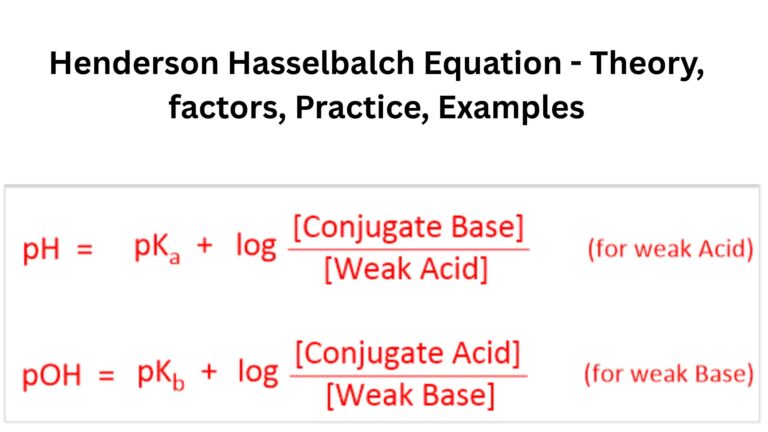
The Henderson-Hasselbalch equation is a handy formula used in chemistry and biology to estimate the pH of a solution, especially when dealing with buffers—mixtures that resist changes in acidity or alkalinity. Think of it like a cheat sheet for predicting how acidic or basic a solution will be based on the balance between a weak
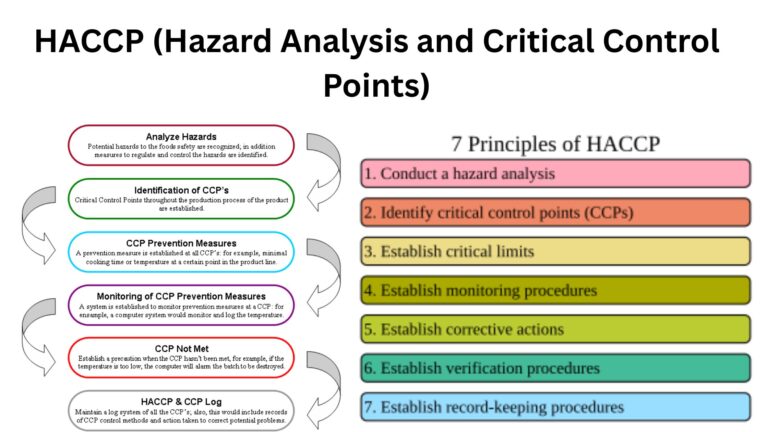
HACCP, short for Hazard Analysis Critical Control Points, is a practical system designed to keep food safe throughout its production. Rather than relying solely on end-product testing, it tackles potential risks—like harmful bacteria, unwanted chemicals, or even physical hazards—by spotting where things could go wrong during processes like cooking, cooling, or packaging. Once these critical
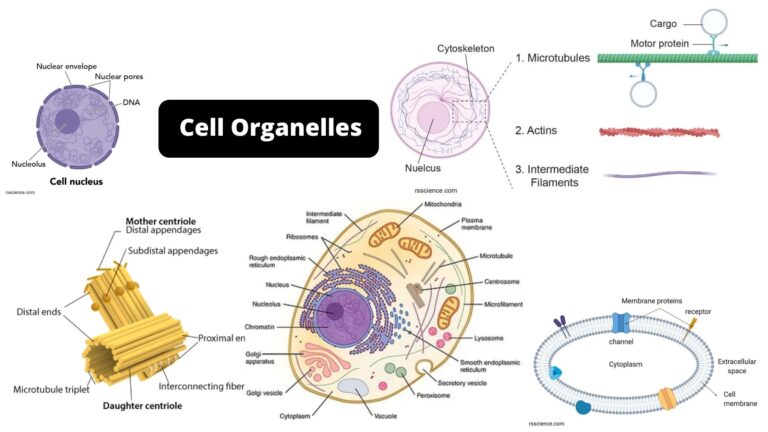
Cell organelles are specialized cell structures with distinct roles. Explore major organelles, their functions, examples, and how organelle counts vary.
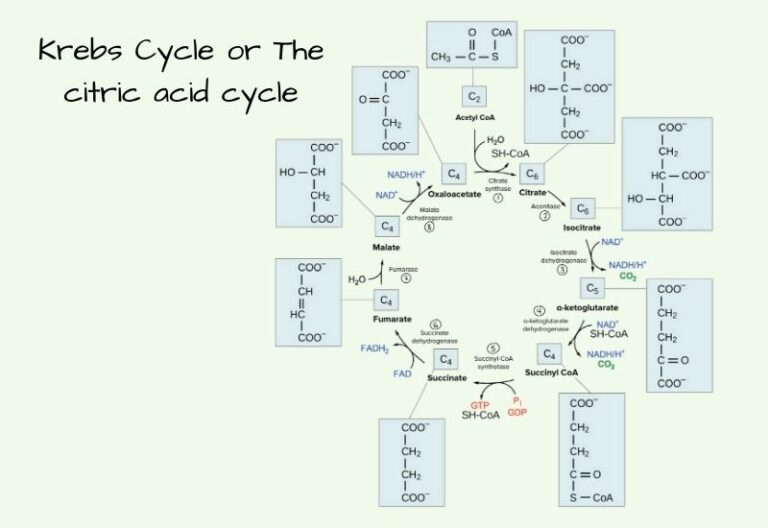
Ever wondered how your cells turn the food you eat into usable energy? Let’s break down the Krebs cycle—a cornerstone of cellular respiration—and answer the questions you’ve been searching for. Also known as the citric acid cycle, this process is a series of chemical reactions that extract energy from nutrients. But where does this critical
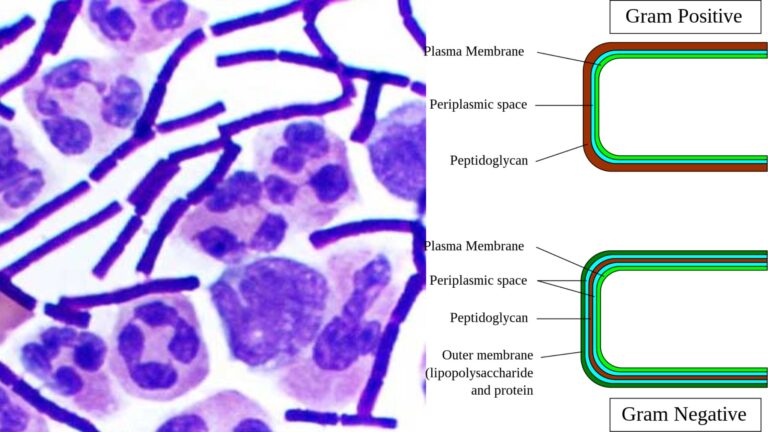
Gram-positive bacteria are a group of bacteria classified based on how they react to a lab test called the Gram stain. When stained, these bacteria hold onto a purple dye because of their thick, mesh-like cell wall made of peptidoglycan. This sturdy layer acts like a protective shield, unlike Gram-negative bacteria, which have thinner walls
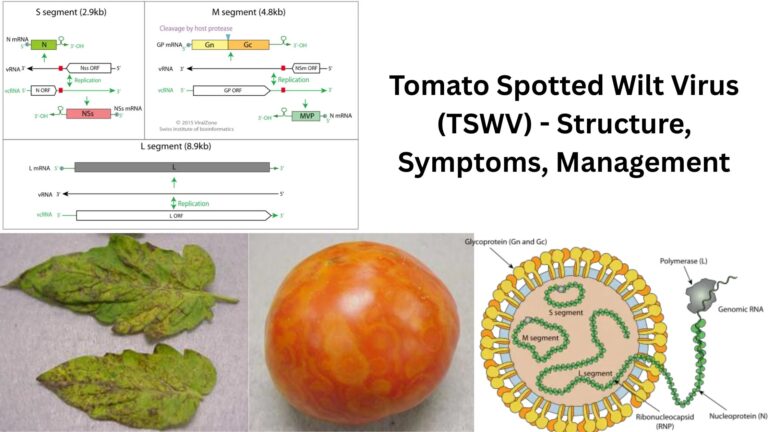
Tomato Spotted Wilt Virus, often called TSWV for short, is one of those frustrating problems that can really throw a wrench into your gardening plans or hit farmers hard. It’s not just a tomato issue either – this nasty virus has a surprisingly broad appetite, targeting everything from peppers and lettuce to popular flowers like
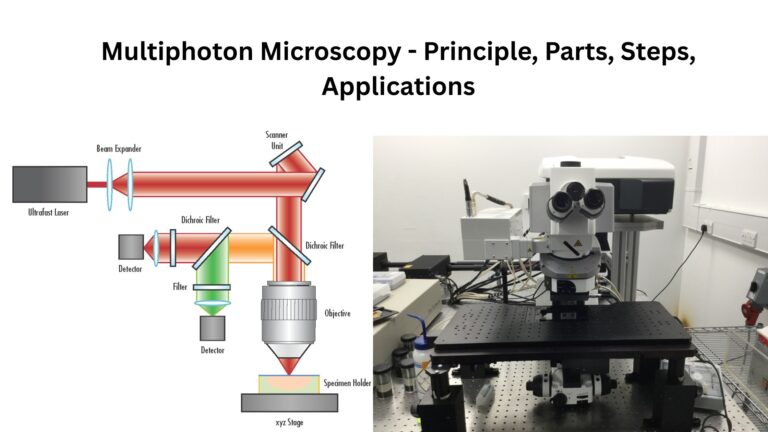
Multiphoton microscopy is a cutting-edge imaging technique widely used in biology and medicine to study living tissues with minimal harm. Instead of relying on single high-energy photons like conventional microscopes, this method harnesses multiple low-energy photons that act together to produce a fluorescent signal. The trick lies in timing—when these photons strike a molecule simultaneously,
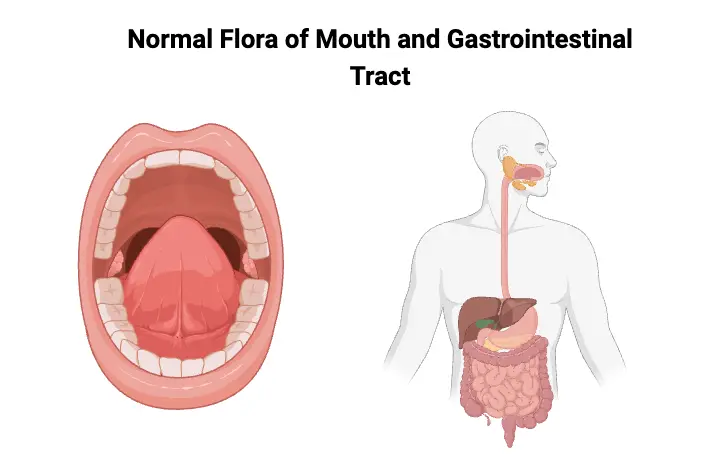
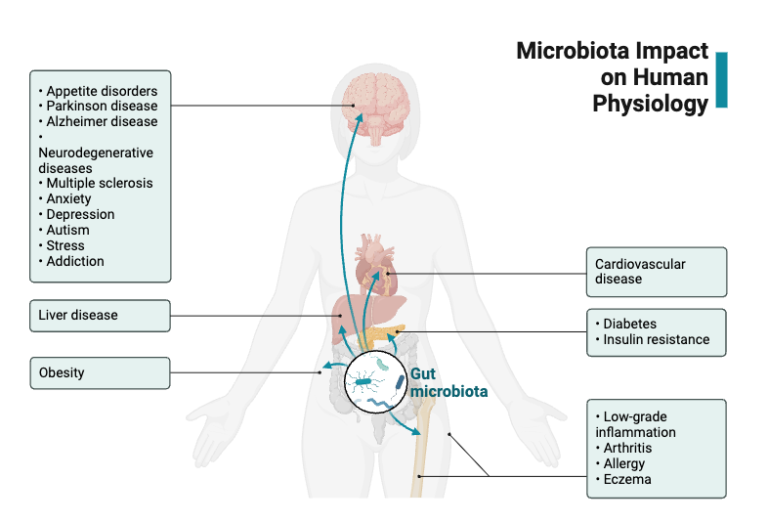
The normal flora, or microbiota, in the mouth and gut refers to the community of tiny organisms—like bacteria, fungi, and viruses—that naturally live in these areas without causing harm. In the mouth, hundreds of species thrive, especially in warm, moist spots like the tongue, teeth, and gums. Common bacteria include Streptococcus, which helps break down food
typical flora of skin, hair, and nails is the stable community of microorganisms—mostly bacteria and fungus—that live on the outside surfaces of the human body without causing damage under typical circumstances. These communities, sometimes referred to as the skin microbiome, occupy ecological niches, fight against infections, and generate molecules that stop microbial invasion, therefore safeguarding