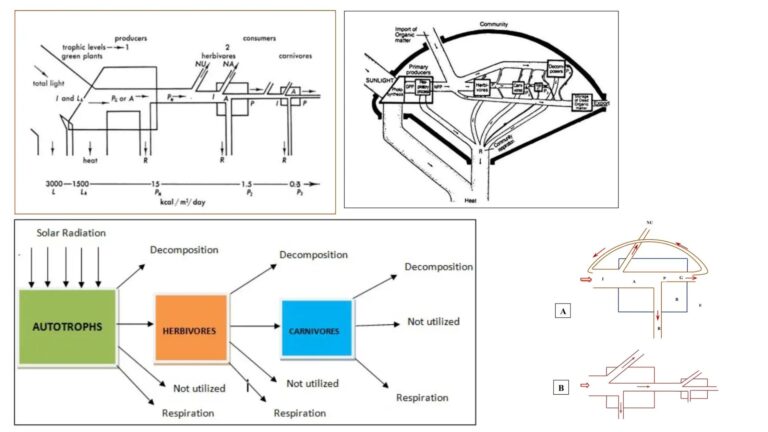
What is Energy Flow in an Ecosystem? Energy flow models are used to show how energy passes through different trophic levels of an ecosystem. It shows the input of energy, transfer of energy and loss of energy in each level. Energy always move in one direction. It is not recycled like nutrients. The single channel
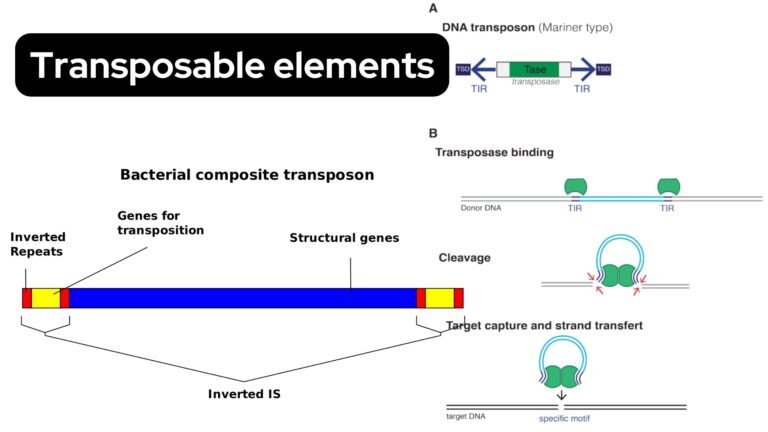
Transposable elements can be described as mobile genetic segments that is able to move from one position of the genome to another without the need of any homology. It is the process where small DNA sequences is shifted or sometimes replicated inside the chromosomes, and this movement is referred to as transposition. It is seen
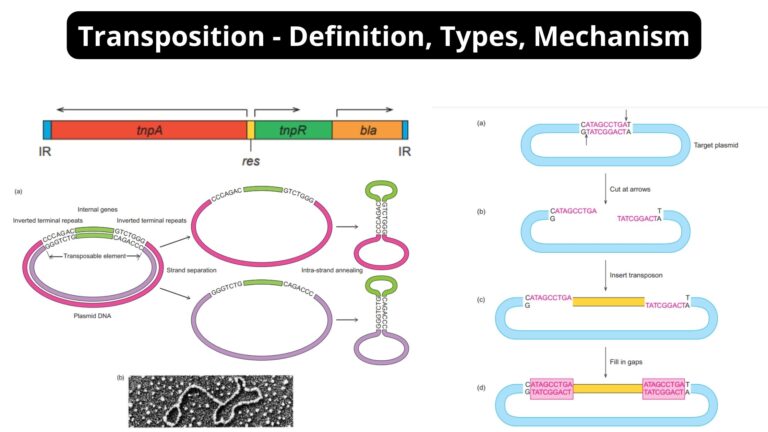
What is Transposition? Transposition is the process in which a particular DNA sequence is shifted from one position of the genome to another position. It is the movement of a transposable element or jumping gene, and it is not dependent on any homologous sequence at the target site. It is the process that may occur
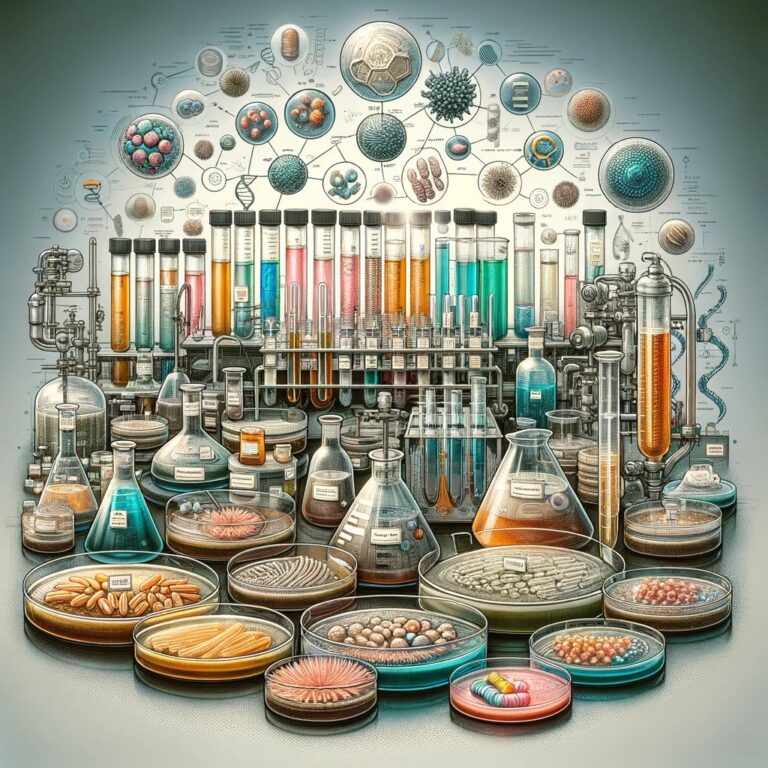
What is Production Media? Production media is the nutrient-rich medium used to support the large-scale growth of microorganisms or cell cultures for the purpose of producing useful biological substances. It is designed in such a way that optimum growth conditions is maintained, and the metabolic activities of the organisms is supported for yielding products like
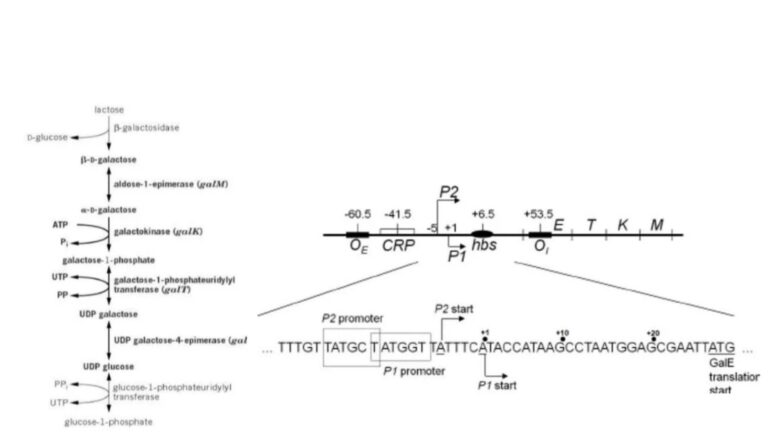
What is Gal operon? The galactose operon is the unit in bacteria that is responsible for the metabolism of D-galactose, and it is organized with four structural genes (galE, galT, galK and galM). It is the process where these genes are required both for catabolic breakdown of galactose and for anabolic formation of compounds like
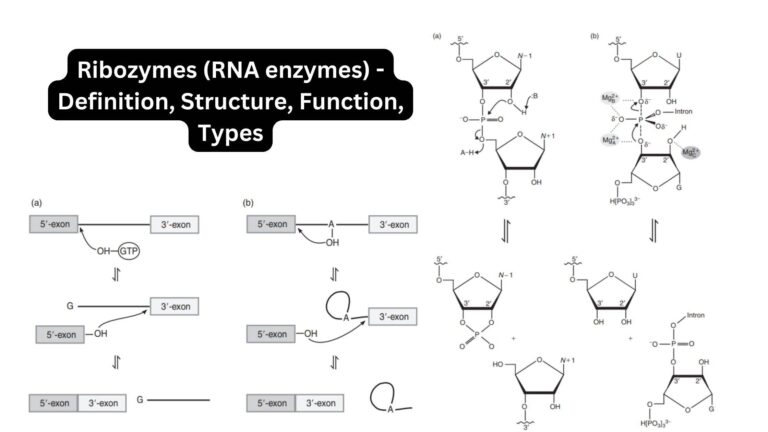
Ribozymes are catalytic RNA molecules, and it is the process where RNA itself act as an enzyme in different biochemical reactions. It is the first biological evidence that RNA can work both as a genetic material and also as a catalyst. This is referred to as the dual activity of RNA, and it gives support
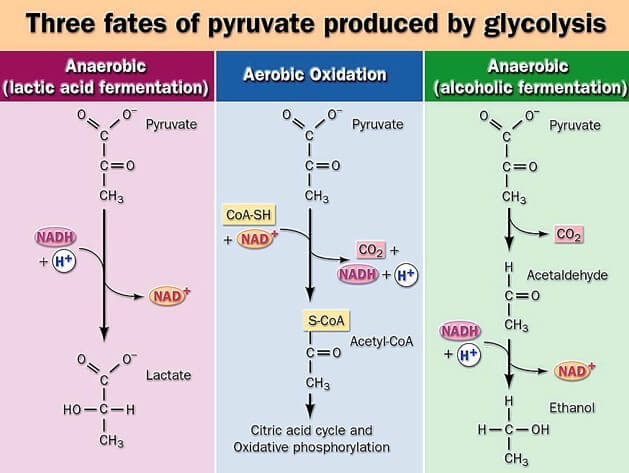
The fate of pyruvate is the different metabolic pathway in which pyruvate can enter after it is formed at the end of glycolysis. It is the process that depend on the presence or absence of oxygen in the cell environment. In aerobic condition, pyruvate is moved into the mitochondria where it is converted into Acetyl-CoA,
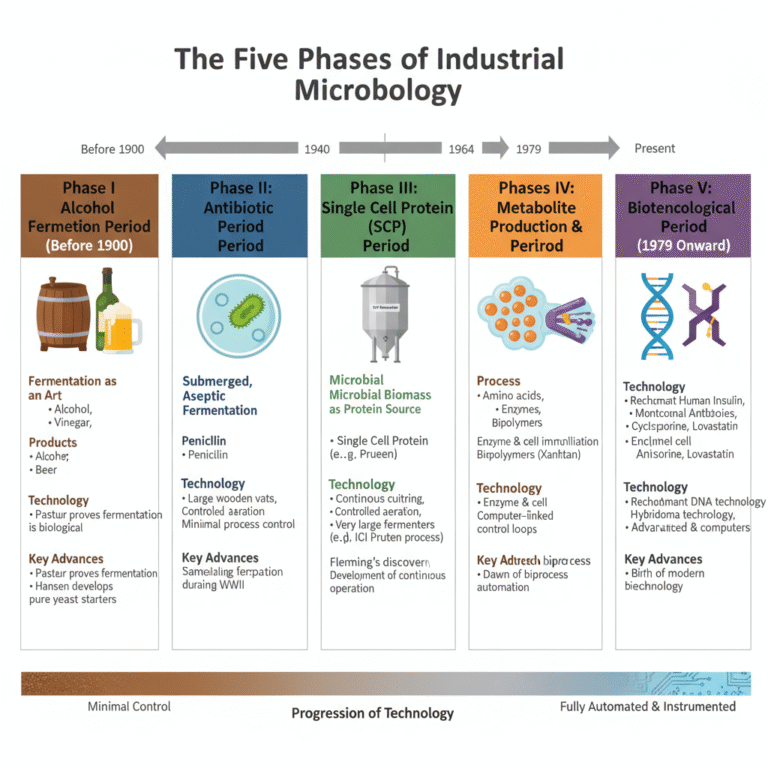
Industrial microbiology is the use of microorganisms like bacteria, fungi, and yeast for producing useful materials on a large scale. It is the process where these microbes are grown under controlled conditions so that they can convert raw materials into different products. It is the process mainly linked with fermentation and other bioconversion methods, and
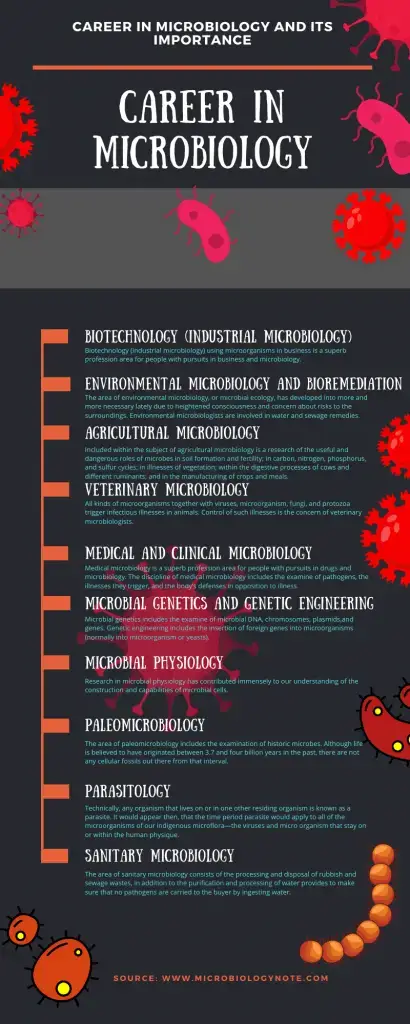
Microbiology is the study of microscopic organisms like bacteria, viruses, fungi and some parasites, and it is the field that explains how these organisms is involved in different biological and environmental activities. A career in microbiology is followed when a person study these microbes and work with them in laboratories or research centers. It is
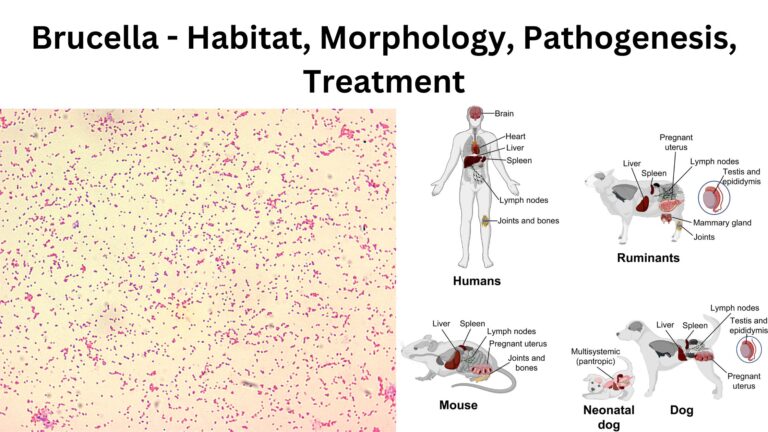
Brucella is a genus of small Gram-negative coccobacilli. It is non-motile and non-spore forming, and it is the organism responsible for a zoonotic disease called brucellosis. It is the process where the bacteria survive as facultative intracellular parasite inside different host cells. These organisms are named after David Bruce and are placed under the family