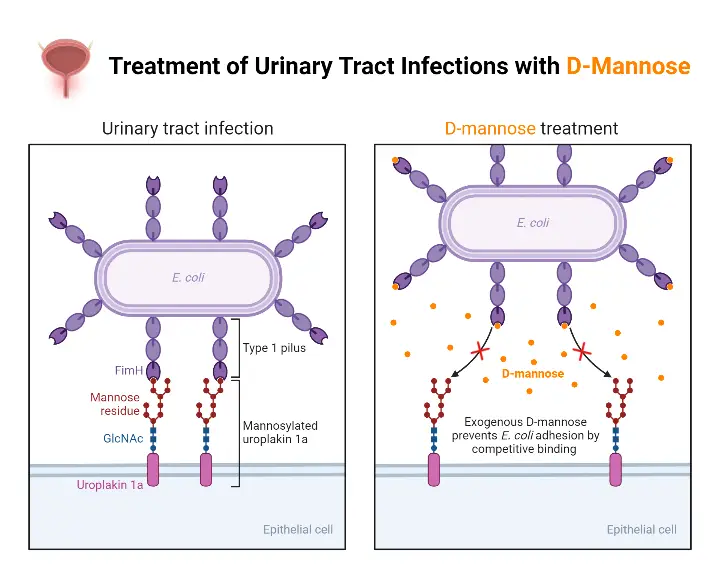
What is Urinary Tract Infection (UTI)? Urinary Tract Infection (UTI) is a common bacterial infection of urinary system. It is affecting any part of the urinary system which includes bladder, urethra, ureters and kidneys. It is most frequently caused by Escherichia coli (E. coli). It occurs more often in women than in men. UTI is
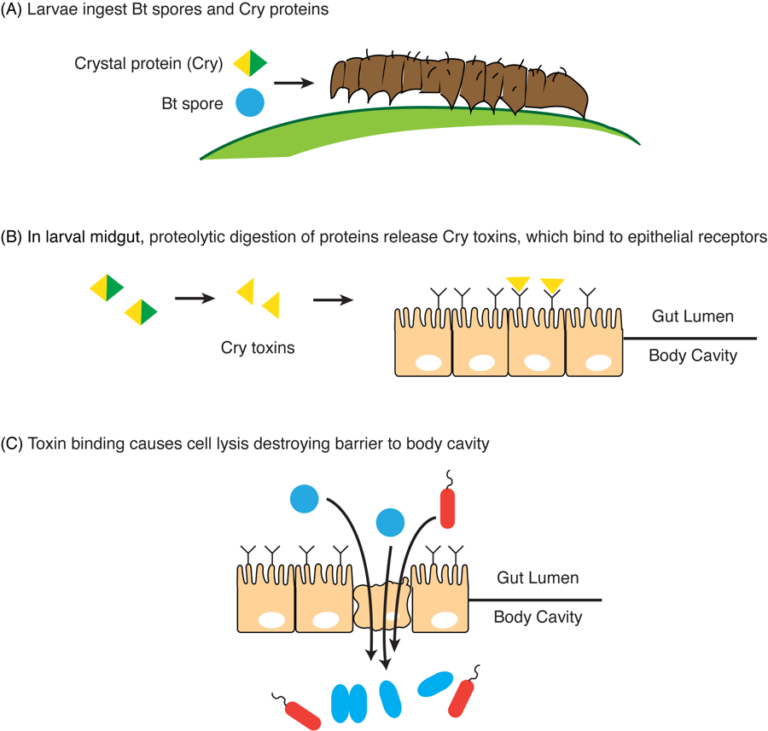
What are Bt Crops? Bt crops are the transgenic crops in which a gene from the soil bacterium Bacillus thuringiensis is introduced into the plant. It is the gene that produces special insecticidal proteins inside the plant body and these proteins are referred to as Cry or Vip proteins. When insect larvae feed on the
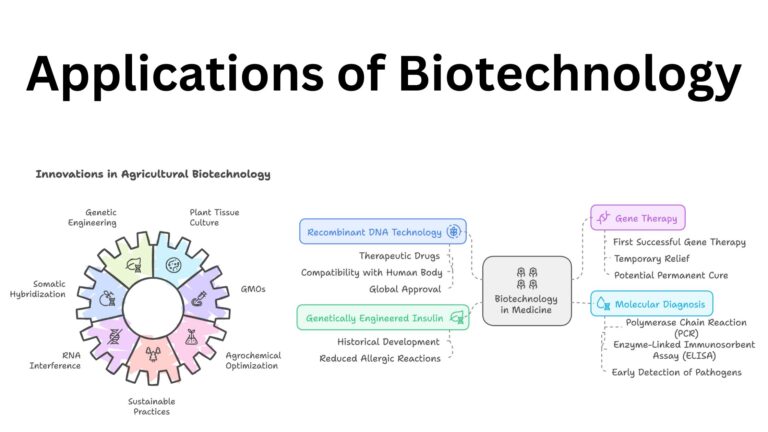
What is Biotechnology? Biotechnology is the application of biological organisms, cells or their components in order to produce useful products. It is the branch of science where biology is combined with technology for human benefit. In this process living organisms are used to develop or modify products and improve different biological systems. The term biotechnology
What is Bombardment (Biolistics) Method? Bombardment (Biolistics) method is a direct physical technique used to introduce foreign DNA into living cells. It is also referred to as the gene gun method. In this process, the desired DNA is first coated on very small and dense metal particles such as gold or tungsten. These DNA coated
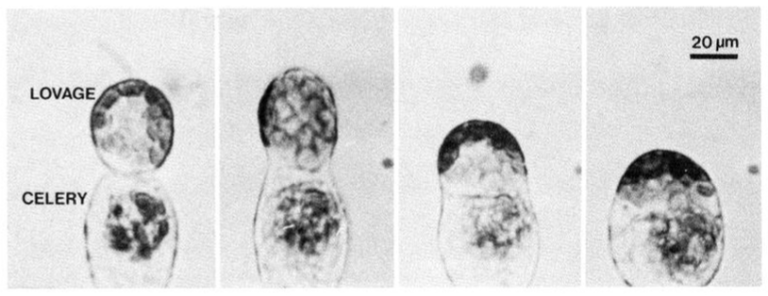
What is the Electrofusion of Plant Cells? Electrofusion is a technique used for the fusion of two or more plant cells by the application of an electric field. It is commonly used for the fusion of plant protoplasts in plant biotechnology. In this method the plasma membranes of adjacent cells are temporarily disturbed and the
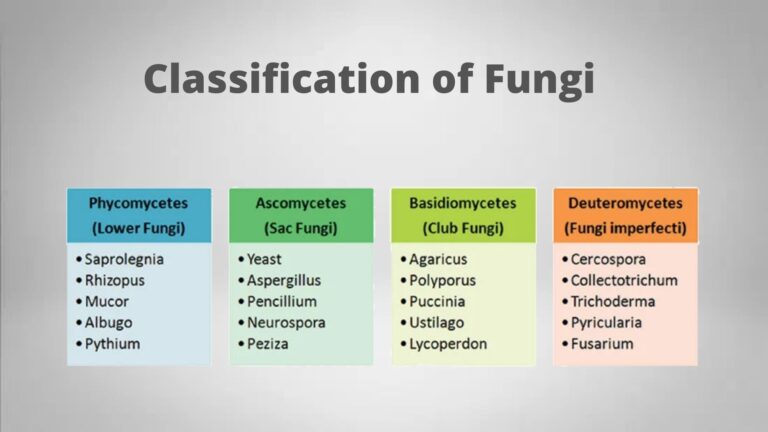
The fungi are classified based on the characteristics of the sexual spores and fruiting bodies present during the sexual stages of their life cycles. Therefore, based on characteristics of their sexual stages and morphology of their asexual spores and thalli they are classified into different groups.
What is replicative transposition? Replicative transposition is a type of transposition in which the transposable element is duplicated during its movement from one site to another. It is the process where the original transposable element remains at the donor site and a new copy is inserted into the target DNA. This is referred to as
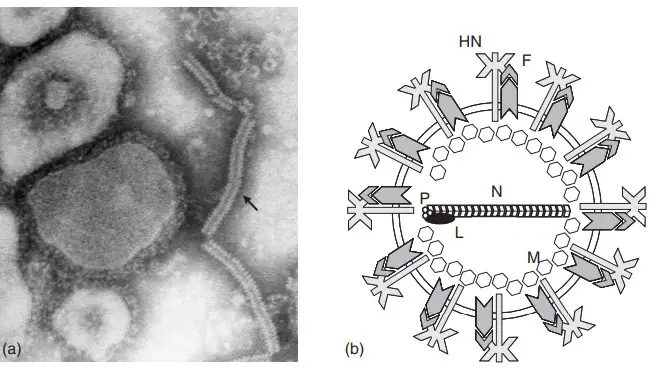
Mumps virus (MuV) is the causative agent of the acute infectious disease known as mumps. It is scientifically classified as Orthorubulavirus parotitidis and belongs to the family Paramyxoviridae. It is an enveloped virus having single-stranded negative sense RNA genome and the viral particle is pleomorphic in nature with size ranging from about 100–600 nm. Humans
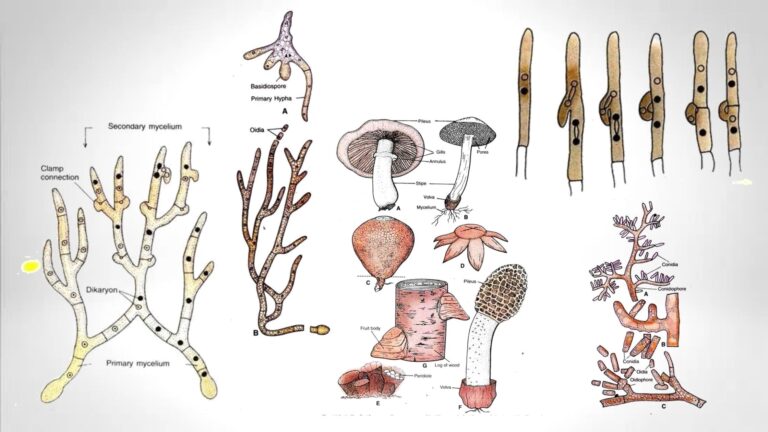
Basidiomycetes are harmful as well as useful. Their attack foods and ornamental plants, cause many different diseases including seedling diseases, wood rots, root and stem rots, seed diseases (smuts), and rusts, on the other hand, it used as humans foods.
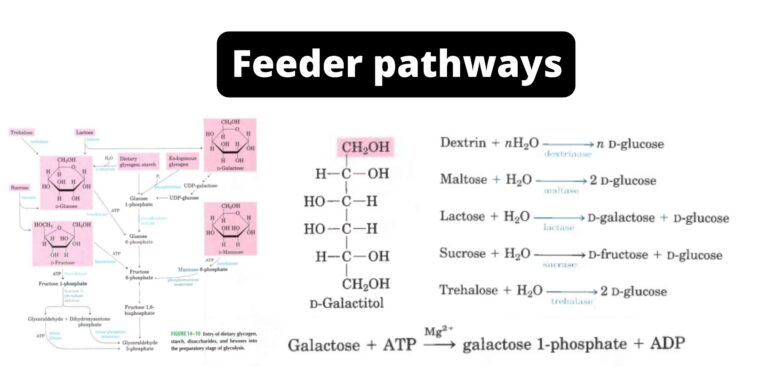
Feeder pathway is the metabolic process in which different non-glucose carbohydrates are changed into intermediates that can enter glycolysis. It is the process that allows fructose, galactose, mannose and stored polysaccharides like glycogen to be converted into common glycolytic compounds. These intermediates then move into the normal glycolytic steps for further breakdown. In this pathway