Sourav Pan is the founder and sole author of Biology Notes Online. He holds a Bachelor of Science (B.Sc.) degree and an M.Sc. in Microbiology from the University of Calcutta. He creates educational resources covering microbiology, immunology, biotechnology, genetics, cell biology, botany, zoology, and other life-science subjects.
His goal is to make complex biological concepts easier to understand through well-structured, student-friendly articles based on academic textbooks, peer-reviewed research, and authoritative scientific sources. In addition to writing new content, he regularly reviews and updates articles to improve their accuracy, clarity, and educational value.
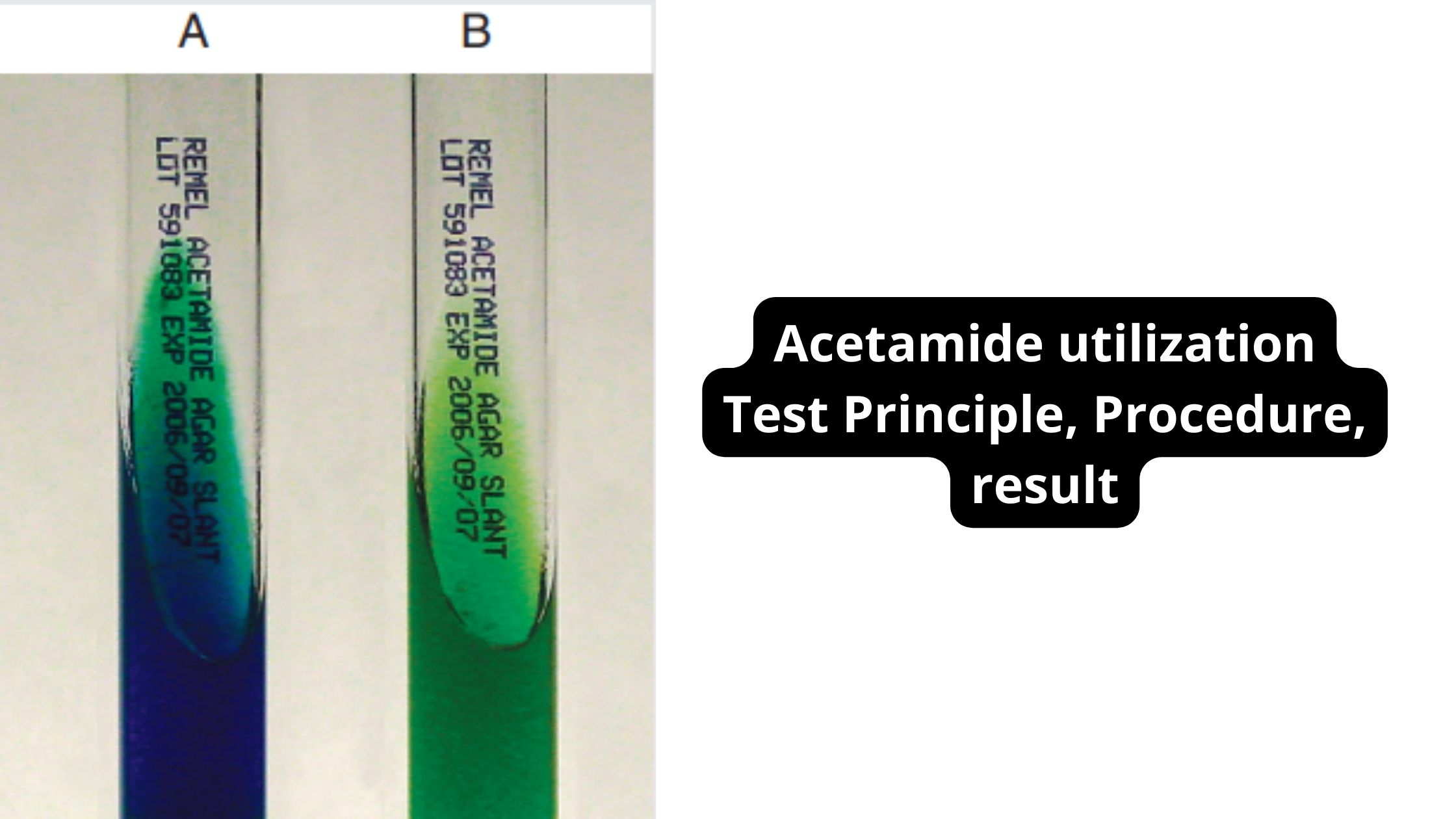
It is a biochemical test used for the identification and differentiation of non-fermentative Gram-negative bacteria. It is mainly applied for the confirmation of Pseudomonas aeruginosa. This test is based on the ability of the organism to utilize acetamide as the sole source of carbon and nitrogen. The test medium contains acetamide and a pH indicator … Read more
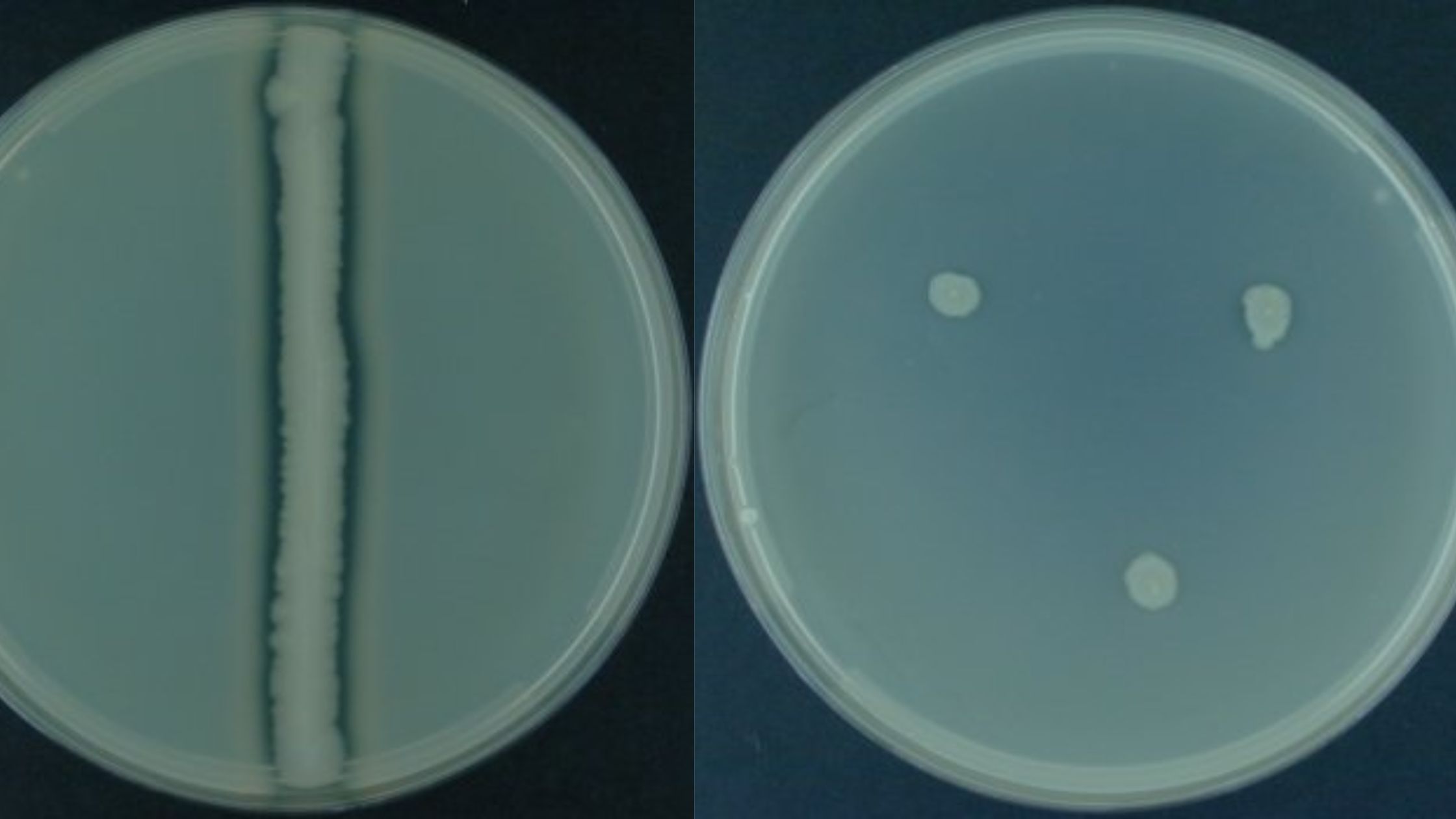
The Casein Hydrolysis Test is a biochemical test that is used to determine the ability of microorganism to produce and secrete extracellular proteolytic enzyme known as caseinase. It is the process in which casein protein of milk is broken down into smaller soluble products. Casein is the main protein present in milk and it is … Read more
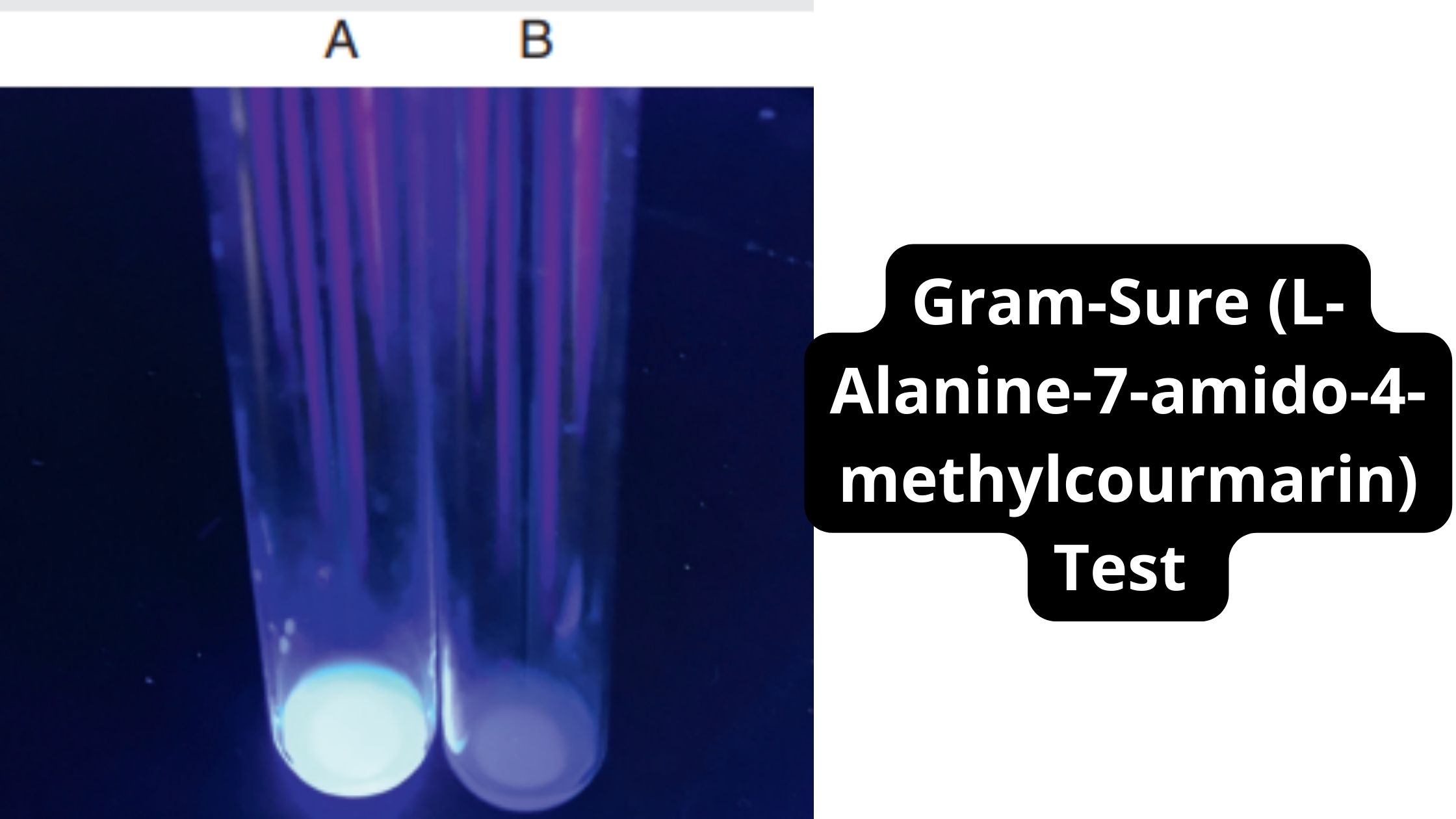
Gram-Sure Test is a rapid qualitative diagnostic test used for the differentiation of aerobic Gram-negative and Gram-positive bacteria. It is mainly applied for bacteria that are rods or coccobacilli in shape. This test works by detecting the presence of a specific enzyme known as L-alanine aminopeptidase. This enzyme is present almost exclusively in Gram-negative bacterial … Read more
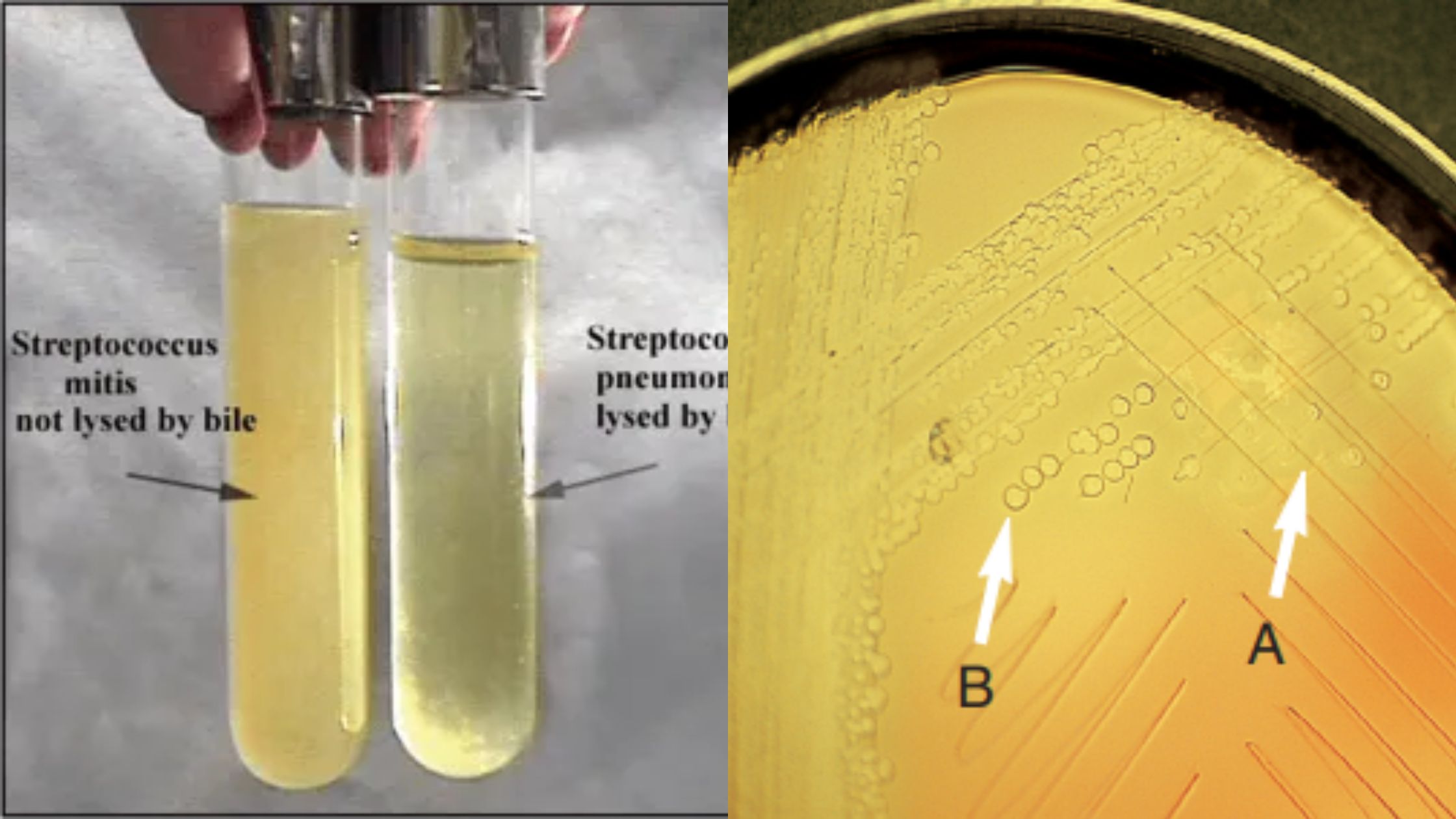
It is a biochemical test used in microbiology for the identification of Streptococcus pneumoniae from other alpha hemolytic streptococci. It is mainly based on the ability of pneumococcal cells to undergo lysis in presence of bile salts. This test is commonly performed in diagnostic laboratories for confirmation of pneumococcal isolates. It is the process in … Read more
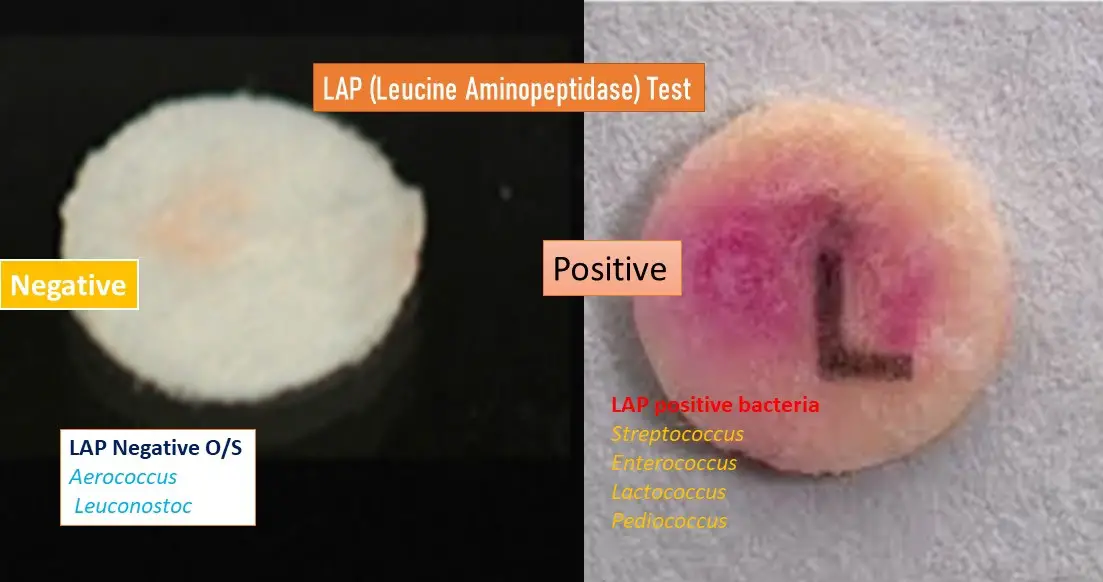
Leucine aminopeptidase (LAP) is an enzyme used to distinguish catalase-negative, gram-positive cocci of Aerococcus and Leuconostoc (LAP test negative) from other organisms in the group, such as Streptococcus, Enterococcus, Lactococcus, and Pediococcus (almost always positive).
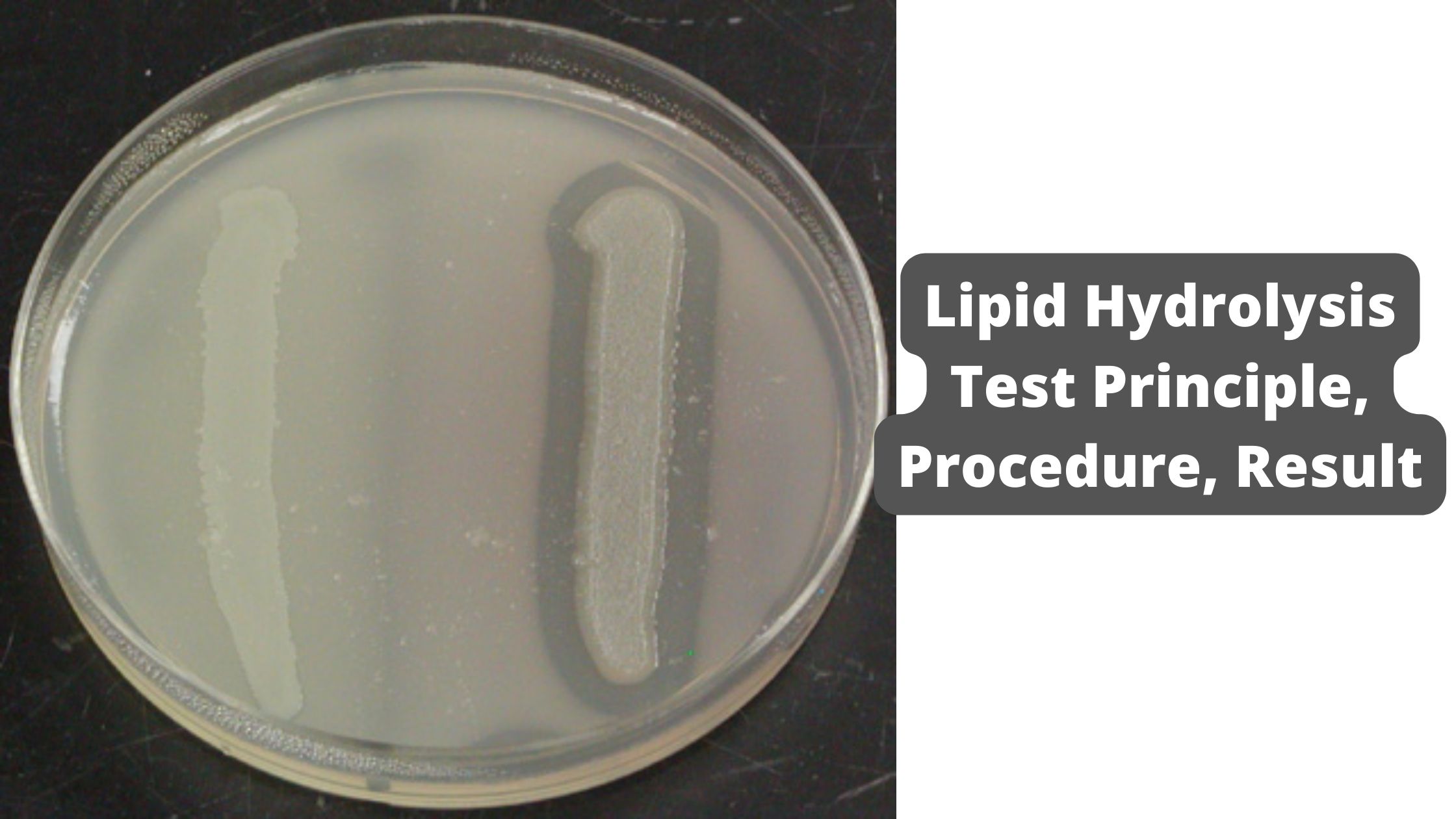
It is a biochemical test that is used to determine the ability of microorganism to produce and secrete the enzyme lipase. It is also referred to as lipase test. The complex lipids such as triglycerides are large molecules and these cannot pass through the bacterial cell membrane. Due to this reason some bacteria releases the … Read more
What is replicative transposition? Replicative transposition is a type of transposition in which the transposable element is duplicated during its movement from one site to another. It is the process where the original transposable element remains at the donor site and a new copy is inserted into the target DNA. This is referred to as … Read more
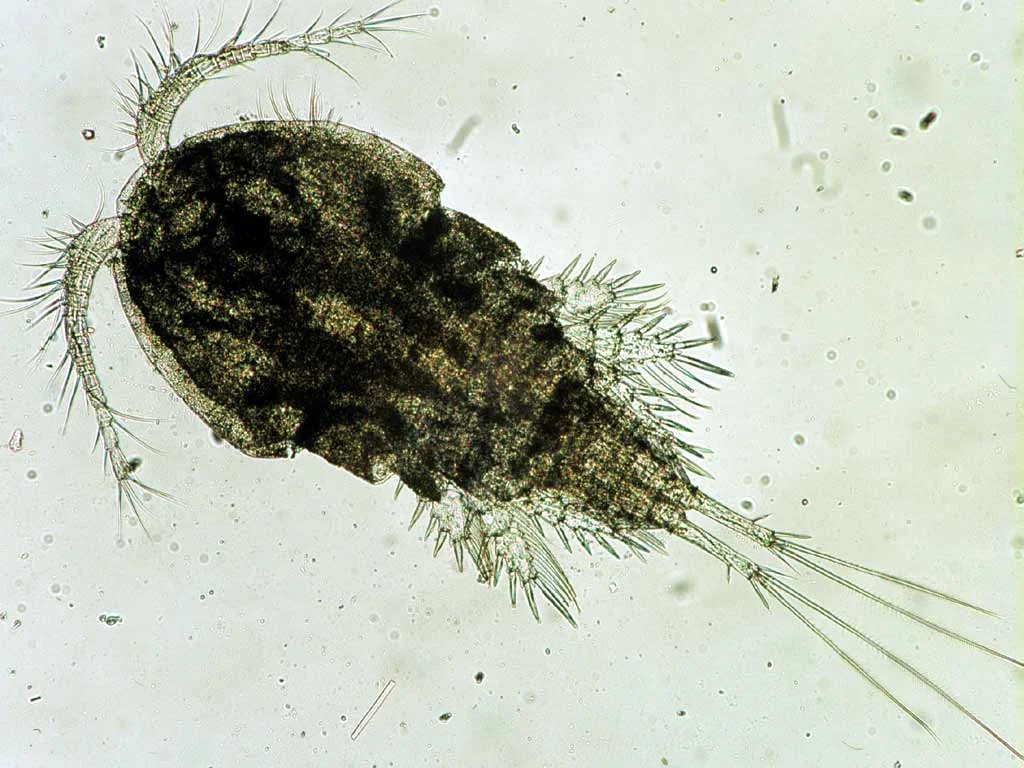
What is Cyclops? Cyclops is a genus of small freshwater crustaceans which belongs to the subclass Copepoda. It is commonly referred to as water flea due to its small size and free swimming nature. It is named after the one-eyed giants of Greek mythology as a single median eye is present at the centre of … Read more
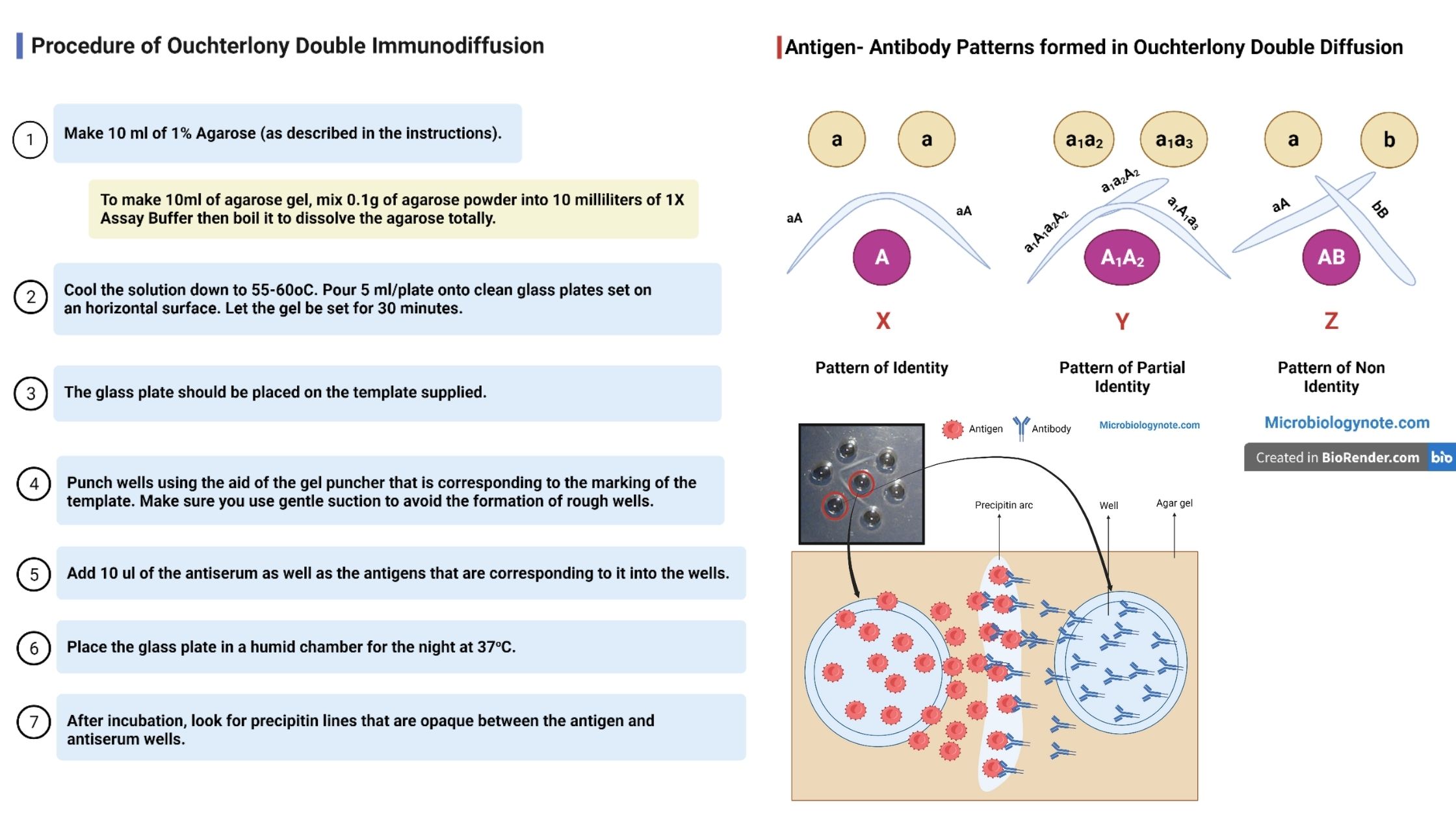
Ouchterlony Double Immunodiffusion Method is a qualitative immunological technique that is used to study antigen–antibody reaction in vitro. It is the process in which both antigen and antibody are allowed to diffuse freely in a semi-solid medium usually agar or agarose gel. This method was developed by Örjan Ouchterlony and it is commonly used for … Read more
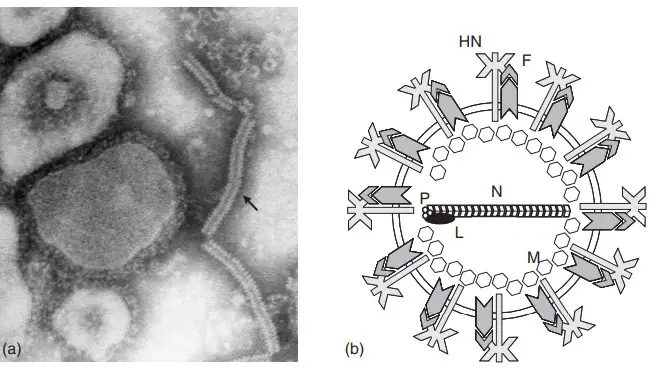
Mumps virus (MuV) is the causative agent of the acute infectious disease known as mumps. It is scientifically classified as Orthorubulavirus parotitidis and belongs to the family Paramyxoviridae. It is an enveloped virus having single-stranded negative sense RNA genome and the viral particle is pleomorphic in nature with size ranging from about 100–600 nm. Humans … Read more